
Best Alaskan Cruise Line: 2026 Guide by Route & Budget
 Abdul WadoodLast updated
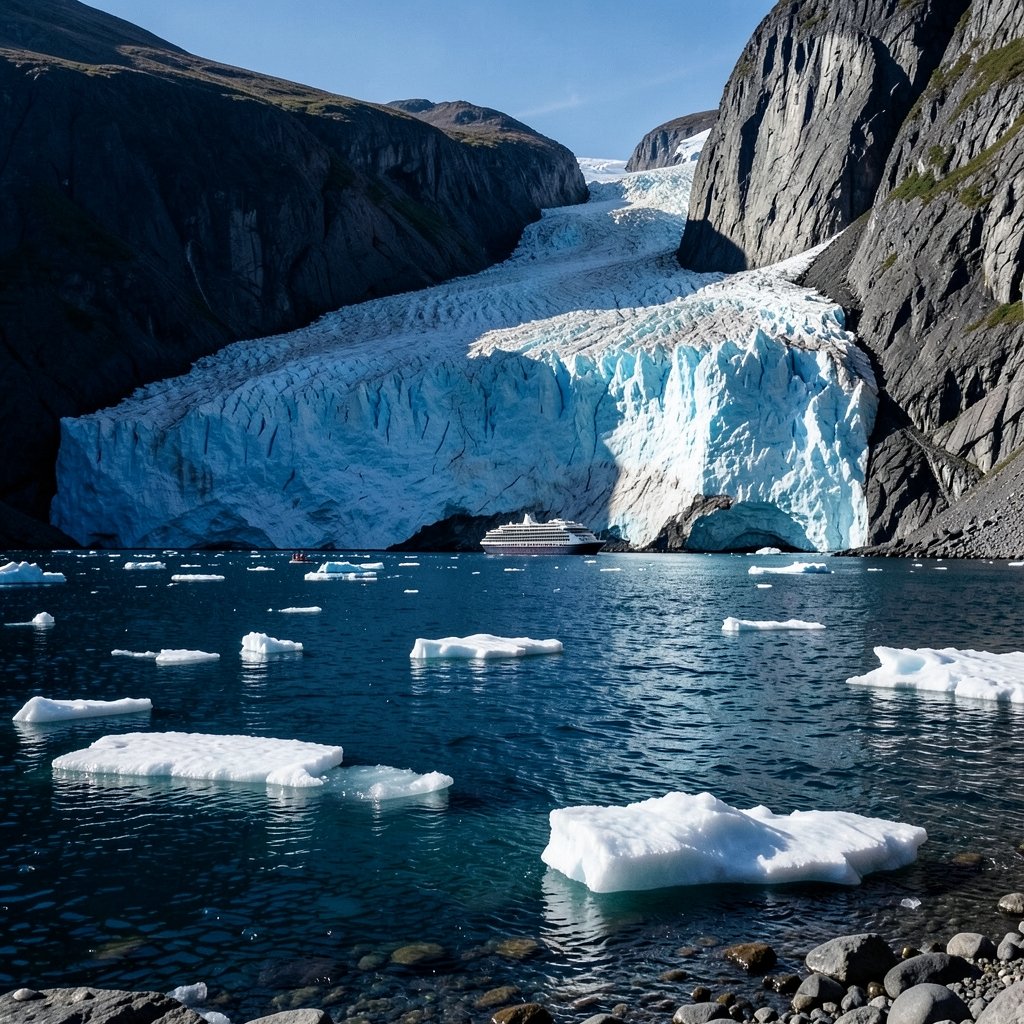
What if the “best” Alaska cruise line isn’t the one with the flashiest ads, but the one whose ships actually sail where you want to go? That question trips up a lot of first-time planners. Alaska isn’t the Caribbean. The season is short, the geography is strict, and the rules that govern which ships can go where are stricter still. Pick the wrong line and you might spend seven days on a beautiful ship that never gets close to a tidewater glacier. Pick the right one and you’ll stand on deck at 6 a.m. watching a wall of blue ice calve into the sea.
This guide breaks the decision into the parts that actually matter: route, ship size, glacier access, land packages, and the kind of traveler you are.
Why “Best” Depends on Your Route First
Most people shop for a cruise line before they shop for an itinerary. That’s backwards in Alaska. The state’s geography narrows your options long before brand loyalty does.
Two route families dominate the market. The first is the seven-night Inside Passage round-trip, usually sailing from Seattle or Vancouver and returning to the same port. It’s the easiest logistics for families and first-timers, and it typically packs in Juneau, Ketchikan, Skagway, and a glacier day. The second is the one-way Gulf of Alaska crossing, running between Vancouver and Seward or Whittier. These itineraries reach farther north, often include Hubbard Glacier, and pair naturally with a land tour into Denali.
There’s also a legal wrinkle many travelers never hear about until they’re comparing prices. Under the Passenger Vessel Services Act, a foreign-flagged ship generally can’t carry passengers between two U.S. ports without stopping in a foreign country along the way. That single rule explains why so many Alaska round-trips depart from Vancouver or add a Canadian port call. It’s not a marketing quirk; it’s the law shaping the map.
The Glacier Question: Who Actually Gets Into Glacier Bay

Here’s where itinerary research pays off more than any loyalty program. Glacier Bay National Park limits how many large cruise ships can enter each season, and those permits are finite. Not every line has access, and not every sailing that lists “Glacier Bay” runs it every week.
If a glacier day is your reason for going, check three things before you book:
- Whether Glacier Bay appears on your specific sailing date, rather than only on the line’s general Alaska page.
- What the backup plan is. Many itineraries substitute Hubbard Glacier or Tracy Arm and Endicott Arm when permits don’t line up.
- How long the ship actually spends at the glacier face. A two-hour drift beats a 20-minute photo stop.
Small-ship operators often win here. Their vessels can slip into narrower fjords and linger longer at ice, which matters if wildlife and scenery outrank evening entertainment. Large ships counter with more onboard space, kids’ clubs, and steadier pricing.
Comparing the Major Alaska Cruise Lines
No single line wins across every category. The table below reflects how the major operators generally position themselves in Alaska, based on fleet style and typical deployments. Deployments change yearly, so confirm details for your sailing.
| Cruise line | Typical strength in Alaska | Ship size | Best for |
|---|---|---|---|
| Holland America | Long Alaska history, mid-size ships, strong glacier access | Mid-size | Couples, traditional cruisers |
| Princess | Lodge network for land tours, Denali packages | Mid-size to large | Cruisetour travelers |
| Celebrity | Modern ships, polished dining, good value | Mid-size | Adults, food-focused travelers |
| Royal Caribbean | Big-ship amenities, family programming | Large | Families with kids |
| Norwegian | Freestyle dining, flexible schedules | Large | Independent travelers |
| Carnival | Lower fares, casual atmosphere | Large | Budget-conscious families |
| Seabourn, Silversea | Small luxury ships, deeper fjord access | Small | Luxury travelers |
| UnCruise Adventures | Expedition style, active shore days | Small | Adventurers, wildlife chasers |
A pattern emerges fast. If you want a floating resort with waterslides, the big-ship lines deliver. If you want to be the only vessel in a quiet arm of water at sunrise, the small-ship operators deliver. The middle ground, mid-size ships from lines with decades of Alaska experience, suits travelers who want comfort without losing access.
That same logic of “what you’re actually paying for” shows up in other buying decisions too. The gap between accessible luxury vs true luxury where the line actually falls is a useful lens when comparing a premium balcony cabin against a true small-ship suite. In Alaska, the price difference often buys access and time ashore rather than thread count alone.
Matching the Line to the Traveler
Families with younger kids
Big-ship lines win on sheer convenience. Kids’ clubs, casual dining, pools, and short port days that don’t demand hiking gear make the trip manageable. Look for itineraries with a Juneau or Skagway day that includes a short excursion rather than a six-hour bus ride.
Couples and first-timers
Mid-size ships from lines with long Alaska track records hit a sweet spot: enough comfort, enough glacier time, and a calmer onboard rhythm. A balcony is worth the upgrade here. Alaska scenery happens constantly, and a private viewing spot changes the whole experience.
Wildlife-focused travelers
Prioritize itineraries with Icy Strait Point, Sitka, and early-morning glacier arrivals. Humpback whales, sea otters, bald eagles, and coastal brown bears all reward travelers who pick the right ports and the right season window. Small ships and expedition-style operators tend to build more shore time into the schedule.
Luxury and expedition travelers
Small-ship lines trade amenities for access. Expect fewer restaurants, no Broadway shows, and far more time in front of ice. That’s the trade. If you want both, book a premium suite on a mid-size ship and accept slightly less fjord penetration.
Budget-conscious travelers
Carnival and the older ships on big-line fleets offer the lowest entry fares. The catch: interior cabins, fewer glacier-viewing hours, and add-on costs for excursions. Budget carefully. Shore excursions in Alaska are expensive, and the cheapest fare often becomes the most expensive trip once you add a whale watch and a floatplane.
What Actually Goes Wrong in Planning
A few mistakes come up again and again among Alaska cruisers.
Booking by brand instead of sailing date. The same ship can run a Glacier Bay itinerary one week and a Tracy Arm itinerary the next. Read the day-by-day.
Underestimating the season. Sailings run roughly May through September, with June through August as peak demand and peak prices. May and September offer lower fares and fewer crowds, with slightly more weather risk.
Skipping the land portion. Denali is inland, hours from any port. If you want it, book a cruisetour rather than trying to bolt it on. Lines with their own lodge networks make this far smoother.
Overpacking. Alaska is casual. A waterproof shell, layers, and comfortable walking shoes cover almost everything. Formal nights exist on some lines but are optional.
Ignoring the transfer logistics. One-way itineraries mean one-way flights. Seward and Whittier are not Anchorage. Factor in the bus or train transfer when comparing total costs.
Travel planning pitfalls tend to rhyme across categories. The hidden-fee trap that catches people on rental cars in Las Vegas with skip-the-line promises and hidden fees is the same trap as a cruise fare that excludes gratuities, drinks, and excursions. Read the total, not the headline.
When to Sail and What It Costs
Pricing in Alaska follows demand, and demand follows weather and wildlife. Expect the highest fares in July and August. Repositioning sailings at the very start and end of the season can be bargains, but some excursions may not be running yet.
A rough framework helps set expectations:
| Season window | Crowds | Pricing | Notes |
|---|---|---|---|
| Early May | Low | Lowest | Some operators still opening |
| Late May to early June | Moderate | Mid | Good wildlife, fewer families |
| Late June to August | High | Highest | Peak weather, full excursion slate |
| September | Low | Lower | Rainier, quieter, still beautiful |
Wildlife timing varies by species and location, so match your priorities to the calendar rather than assuming any summer week is identical.
Ship Size, Seasickness, and Comfort Realities
Alaska’s Inside Passage is generally calmer than open ocean, which is good news for travelers worried about motion. Still, the Gulf of Alaska crossing can be choppy. Mid-size and large ships handle swells better than small expedition vessels. If seasickness is a concern, book midship, lower deck, and consider the one-way route only if you’re confident.
Small ships offer intimacy and access but less stability and fewer dining options. That trade-off is real and worth naming honestly. Neither choice is wrong; they serve different travelers.
What About the Ships Themselves?
Alaska itineraries often use older, purpose-built vessels rather than the newest megaships. That’s usually a feature, not a bug. Mid-size ships from lines with decades in the region tend to have better observation lounges and forward-facing public spaces, which matter enormously when the scenery is the main event.
If you enjoy understanding how fleets evolve and what each brand actually delivers, the same curiosity helps here. A look at what the Rivian electric truck and SUV lineup really offers shows how spec sheets can mislead compared with real-world use. Cruise brochures work the same way. The deck plan and the day-by-day itinerary tell you more than the marketing copy.
A Practical Booking Checklist
Before you commit, run through this list:
- Confirm the exact glacier visited on your sailing date.
- Check how many hours the ship spends at the glacier face.
- Verify port times and whether any port is a tender stop.
- Compare total cost including gratuities, drinks, and excursions.
- Decide whether a land tour is essential, and if so, book it as a package.
- Read recent reviews focused on Alaska sailings, not Caribbean ones.
- Confirm cancellation and deposit terms, which vary widely.
That last point deserves emphasis. Alaska deposits and final payment schedules can be stricter than Caribbean equivalents because the season is short and ships sell out. Booking early usually beats booking late for the best cabin categories.
Conclusion
The best Alaska cruise line is the one whose route matches your reason for going. If glaciers are the goal, prioritize Glacier Bay access and long glacier-viewing hours. If family convenience matters most, the big-ship lines deliver. If wildlife and quiet water top your list, small ships earn their premium. Start with the itinerary, check the sailing date, then choose the brand. Do that, and the ship becomes the supporting act to the state itself, which is exactly how Alaska should work.
Frequently Asked Questions
Which cruise line is best for a first Alaska cruise?
Mid-size ships from lines with long Alaska histories tend to suit first-timers best. They balance comfort, glacier access, and reasonable pricing without the intensity of a megaship or the spartan feel of an expedition vessel.
Do all Alaska cruises visit Glacier Bay?
No. Glacier Bay National Park limits large-ship entries each season, so access depends on the line and the specific sailing. Many itineraries substitute Hubbard Glacier or Tracy Arm instead. Always confirm the glacier on your exact date.
Is a one-way or round-trip Alaska cruise better?
Round-trips from Seattle or Vancouver are simpler and cheaper to book. One-way Gulf of Alaska crossings reach farther north and pair naturally with Denali land tours. Choose based on whether you want convenience or depth.
What is the best month for an Alaska cruise?
Late June through August offers the most reliable weather and the fullest excursion schedules. May and September bring lower fares and fewer crowds, with slightly higher weather risk. Wildlife timing varies by species.
Are small cruise ships better in Alaska?
They’re better for access, not for amenities. Small ships reach narrower fjords and spend more time at glaciers, but offer fewer dining venues and less stability in open water. Large ships win on comfort and onboard activities.
How far in advance should I book an Alaska cruise?
Booking nine to twelve months ahead gives the best cabin choice, especially for balconies and suites. Alaska’s season is short, so popular sailings and glacier-heavy itineraries sell out well before departure.