
Best Beaches in Michigan: Top Spots for 2026
 Abdul WadoodLast updated
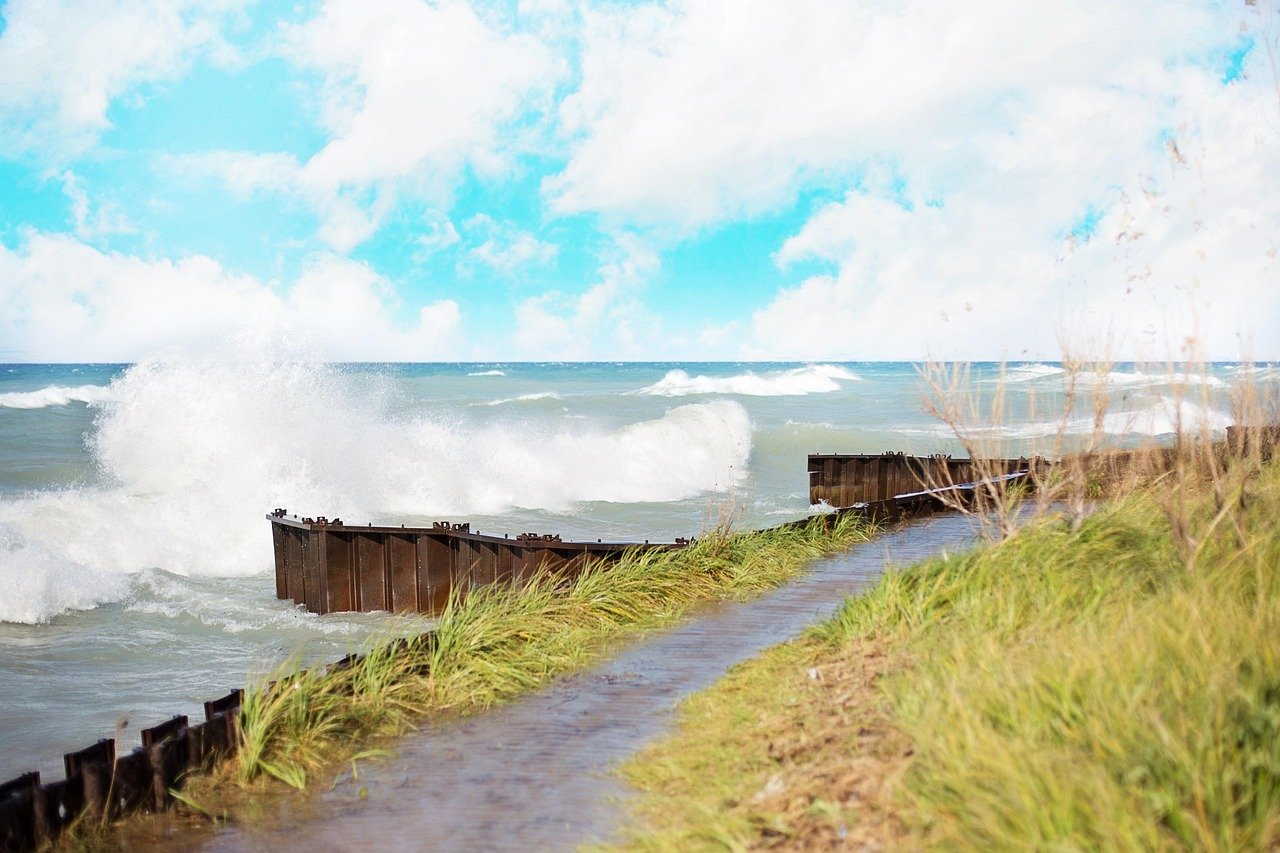
What if the best beach trip of your summer didn’t involve a plane ticket, a saltwater rinse, or a single jellyfish? Michigan makes that pitch every year, and honestly, it delivers. The state wraps around four of the five Great Lakes, and its coastline stretches for thousands of miles, which means there’s a sandy shoreline within a few hours of almost anywhere in the Midwest.
But “best beaches in Michigan” is a tricky phrase, because the state has two very different beach personalities. Lake Michigan‘s eastern shore gives you wide, golden sand and water that can look almost tropical in August. Lake Superior, up in the Upper Peninsula, gives you something wilder: cold, clear water, rocky coves, and cliffs that drop straight into the lake. Picking the right beach is really about picking the right lake for your trip.
This guide breaks down the standouts, what each one is actually like in practice, and the mistakes that catch first-timers off guard.
Why Michigan Beaches Rival the Coasts
Michigan’s Great Lakes shoreline is often described as the longest freshwater coastline in the United States, though the exact number depends on how you count bays, islands and river mouths. What matters for travelers is simpler: the sand is real sand, the water is fresh, and the crowds are usually thinner than what you’d find on an ocean beach in July.
The trade-offs are worth knowing before you go. Lake Michigan warms up faster and has the classic beach setup: wide sand, gentle entry, lifeguards at the busiest parks. Lake Superior stays cold well into summer, sometimes hovering in the low 60s even in August. That’s not a dealbreaker. It just means Superior is better for wading, hiking and scenery than for long swims.
If you’re comparing Michigan against other shorelines, it helps to see the wider picture. This guide to the best beaches on the East Coast shows how Atlantic beaches stack up for surf and boardwalks, while Michigan’s appeal is calmer water and a slower pace.
The Lake Michigan Standouts
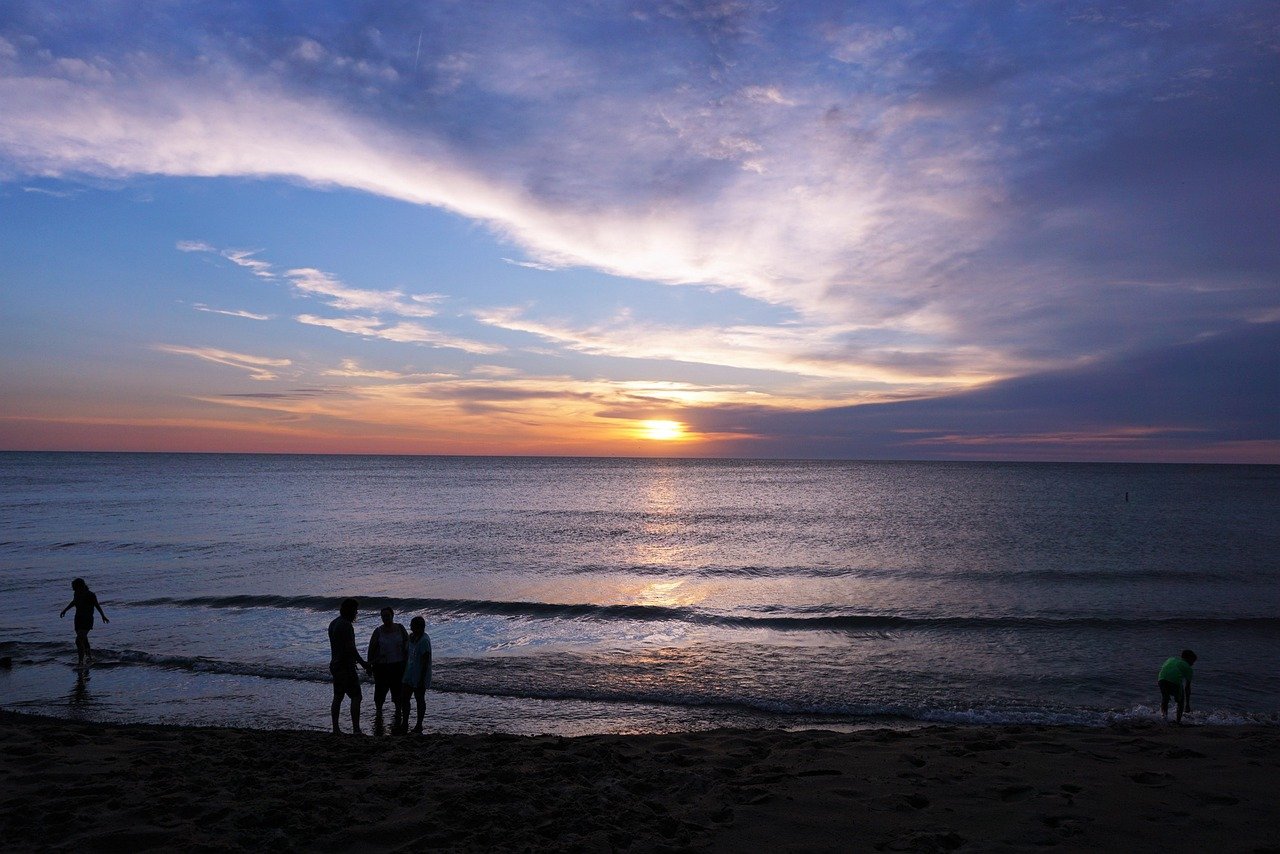
Most people planning a Michigan beach trip end up on Lake Michigan, and for good reason. The eastern shoreline runs from the Indiana border all the way up to the Straits of Mackinac, and the sand quality stays remarkably consistent.
Sleeping Bear Dunes National Lakeshore
Sleeping Bear Dunes is the marquee destination, and it earns the hype. The National Park Service manages the lakeshore, which includes mainland beaches plus the Manitou Islands offshore. The dunes themselves rise hundreds of feet above the water, and the climb down to the beach is steep enough that park staff routinely remind visitors that what goes down must come back up.
The practical version: park at the designated lots, bring more water than you think you need, and treat the dune climb as a hike rather than a quick stroll. The beach at the base is beautiful, but the walk back up in soft sand is genuinely hard work. Families with small kids often do better at the flatter access points near Platte River Point, where the river meets the lake and the current stays gentle.
Warren Dunes State Park
Down in the southwest corner of the state, Warren Dunes State Park is the classic day-trip beach for Chicago and southern Michigan families. The dunes here are tall, the beach is broad, and the parking fills early on hot weekends. Arrive before 10 a.m. or expect to wait.
The signature move at Warren Dunes is the dune climb followed by a run back down, which is more fun than it has any right to be. The water entry is gradual, making it a good pick for younger swimmers. Note that the park can hit capacity on peak summer days, so a backup plan is smart.
Grand Haven and Holland State Parks
These two state parks anchor the “beach town” experience. Grand Haven State Park sits right at the pier and lighthouse, so you get sand, a boardwalk, and a walkable downtown with ice cream shops all in one trip. Holland State Park is nearby at the mouth of Lake Macatawa, with a wide beach and that postcard lighthouse view.
Both parks are popular enough that parking is the real constraint. Grand Haven’s lot is right on the sand, which is convenient but means it fills fast. Holland has more spread-out options, but the main beach lot still gets busy by mid-morning in July.
Lake Superior: The Wild Side
If Lake Michigan is the crowd-pleaser, Lake Superior is the one that makes you feel small. The beaches here are less about lounging and more about scenery, and the water is cold enough that most people wade rather than swim.
Pictured Rocks National Lakeshore
Pictured Rocks is the showstopper of the Upper Peninsula. The lakeshore protects miles of sandstone cliffs, and the beaches tucked between them, like Miners Beach and Twelvemile Beach, are the kind of places that make people rethink what a “beach” can look like. The sand is often mixed with colorful stones, and the water shifts between turquoise and deep blue depending on the light.
The catch is access. Some beaches require a hike in, and the park’s shuttle and parking systems have changed over the years, so check current rules before you go. The reward is a beach day that feels genuinely remote.
Michigan’s State Park System
Michigan’s state parks date back to 1919, and the system now includes dozens of shoreline parks across both peninsulas. That history matters for travelers because it means the infrastructure is mature: established campgrounds, marked trails, and consistent rules across parks.
For anyone building a broader beach itinerary, it’s worth seeing how Michigan fits into the regional picture. This roundup of the best beaches in the Caribbean is a useful contrast point for travelers weighing a freshwater trip against a tropical one, and the best beaches in South Carolina offers a look at how Southern coastal towns handle crowds and access.
Comparing Michigan’s Beach Regions
| Region | Water Temp (Summer) | Sand Style | Best For | Crowd Level |
|---|---|---|---|---|
| Southwest Lake Michigan | Warmest, swimmable | Wide, golden | Families, day trips | High on weekends |
| Central Lake Michigan | Warm, comfortable | Broad, soft | Beach towns, lighthouses | Moderate to high |
| Northwest Lake Michigan | Cooler, refreshing | Dune-backed | Scenery, hiking | Moderate |
| Lake Superior (UP) | Cold, bracing | Rocky, mixed | Solitude, photography | Low |
The pattern is straightforward: the farther north you go, the colder the water and the thinner the crowds. If swimming is the priority, stay south. If scenery and quiet are the priority, head north.
Practical Tips That Actually Matter
First-hand experience from regular Michigan beach-goers tends to converge on a few recurring lessons.
Check water quality before you swim. Local health departments issue advisories after heavy rain, and posted warnings are not decorative. Skipping this step is one of the most common mistakes visitors make.
Bring layers. Lake Michigan weather flips fast. A sunny morning can turn windy and cool by mid-afternoon, especially on the piers.
Respect the rip currents. Lake Michigan has real currents, particularly near piers and river mouths. Swim near lifeguards where they’re present, and don’t fight a current if you get caught in one.
Plan parking around arrival time, not departure time. Beach lots fill by mid-morning on hot days. Getting there early is the single biggest factor in whether a trip feels relaxing or stressful.
Watch the dune rules. Climbing steep dunes damages vegetation that holds the sand in place. Stay on marked trails, even when a shortcut looks tempting.
Book campsites early. State park campgrounds near the water book out months in advance, sometimes within minutes of opening.
If you’re weighing a Michigan trip against other freshwater or coastal options, this guide to the best beaches in Puerto Rico is a good benchmark for warm-water swimming, and the best beaches in North Carolina shows how barrier-island beaches handle surf and family access.
Common Mistakes to Avoid
The biggest error is treating all Michigan beaches as interchangeable. A family planning to swim all day will be disappointed by a Lake Superior beach in June, while a hiker chasing solitude will find Warren Dunes on a Saturday overwhelming.
The second mistake is underestimating distance. Michigan is large, and driving from Detroit to the Upper Peninsula is a full day’s trip. Building an itinerary around one region, rather than trying to hit both peninsulas in a weekend, makes for a much better experience.
The third is forgetting that beach season here is short. Late May through September is the realistic window, and Lake Superior’s comfortable wading period is even narrower. Planning around July and August gives the best odds of warm water and open facilities.
Conclusion
The best beaches in Michigan depend entirely on what kind of day you want. For warm water, wide sand and a classic beach-town feel, the Lake Michigan shoreline from Warren Dunes up through Grand Haven and Holland is hard to beat. For drama, solitude and water so clear it looks filtered, the Lake Superior beaches of the Upper Peninsula deliver something no ocean resort can match.
The common thread is that Michigan rewards planning. Check water quality, arrive early, pack layers, and give yourself time to actually enjoy the drive. Do that, and a freshwater beach trip stops feeling like a compromise and starts feeling like the smartest travel decision of the summer.
Frequently Asked Questions
Which Michigan beach is best for families with young kids?
Grand Haven and Holland State Parks on Lake Michigan are strong picks because the water entry is gradual, the beaches are wide, and towns with food and bathrooms are close by. Warren Dunes State Park is also family-friendly, though parking fills early on hot weekends.
Is it safe to swim in Lake Michigan?
Yes, with normal precautions. The main risks are rip currents near piers and river mouths, and cold water during shoulder seasons. Swim near lifeguards where they’re posted, check local water quality advisories after heavy rain, and avoid swimming alone in rough conditions.
Why is Lake Superior so cold?
Lake Superior is the largest and deepest of the Great Lakes, and its vast volume of water takes much longer to warm up than Lake Michigan. Even in August, water temperatures often stay in the low 60s, which is why most visitors wade rather than swim.
Do Michigan state parks require a vehicle pass?
Most Michigan state parks require a recreation passport or day pass for vehicle entry. Rules and fees can change, so confirm current requirements for your specific park before arriving, especially for popular shoreline parks in summer.
When is the best time to visit Michigan beaches?
July and August offer the warmest water and the most reliable weather. Late May and September are quieter and often cheaper, but water temperatures can be brisker, particularly on Lake Superior. Weekdays are noticeably less crowded than weekends throughout the season.
Can you climb the dunes at Sleeping Bear Dunes?
Yes, designated dune climbs are allowed, but the descents are steep and the return climb through soft sand is strenuous. Bring water, wear shoes, and allow far more time than you expect. Stay on marked routes to protect the vegetation that stabilizes the dunes.
Plan around the season, and check more than the forecast. Michigan’s beach window is short, and facilities like lifeguard stations, concession stands, and campground showers often operate on reduced schedules in the shoulder months. A perfect 75-degree day in early June can still mean closed amenities and frigid water, so check park operating dates alongside the weather. Keep a backup beach in mind. Because parking is the binding constraint at nearly every popular shoreline park, having a second option within twenty minutes—a county park, a roadside access, or a quieter stretch of public beach—turns a capacity sign into a minor detour instead of a ruined afternoon. With those habits in place, Michigan’s freshwater coast delivers far more than most travelers expect from a state with no ocean.