
Luxury Body Care Routine: What Actually Works in 2026
 Abdul WadoodLast updated
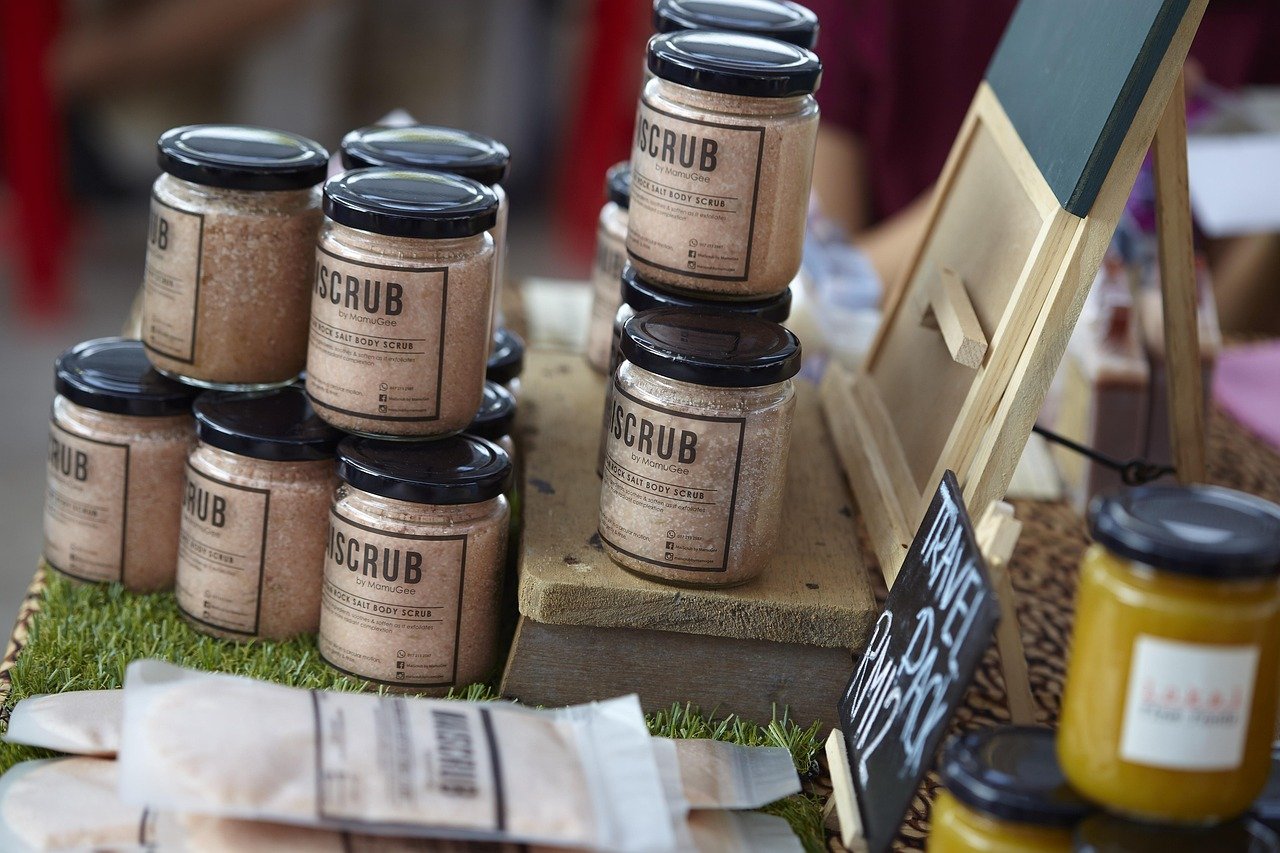
The global beauty and personal care market is worth hundreds of billions of dollars, and body care is one of its fastest-growing slices. Yet dermatologists keep repeating a surprisingly plain message: most of what makes skin look and feel good comes down to a short list of habits, not a long list of products. That gap between the price tag and the payoff is the heart of any honest conversation about a luxury body care routine. (Skin care)
This guide walks through what a high-end routine should actually contain, where the money is well spent, where it is quietly wasted, and how to build a ritual that feels indulgent without turning into an expensive mistake.
Why “Luxury” Is a Feeling, Not a Formula
Here is the first thing to understand: “luxury” is a marketing and positioning term, not a regulated category. No authority certifies a body cream as luxurious. A premium price does not imply superior efficacy, and a drugstore lotion can outperform a beautifully packaged one. That is an analytical point, not a scientific finding, but it holds up in practice.
What people are really buying at the high end is usually one of four things:
- Texture and sensorial finish — how a cream melts, absorbs, and settles on skin
- Scent design — perfumery that drugstore brands rarely invest in
- Packaging and ritual — the weight of a glass jar, the click of a pump
- Formulation detail — nicer emollients, fewer cheap fillers, better stability
None of those are worthless. They just are not the same as “better for your skin.” A luxury routine works when the sensorial pleasure keeps you consistent, because consistency is the active ingredient no jar can sell you.
The Non-Negotiables Every Routine Needs
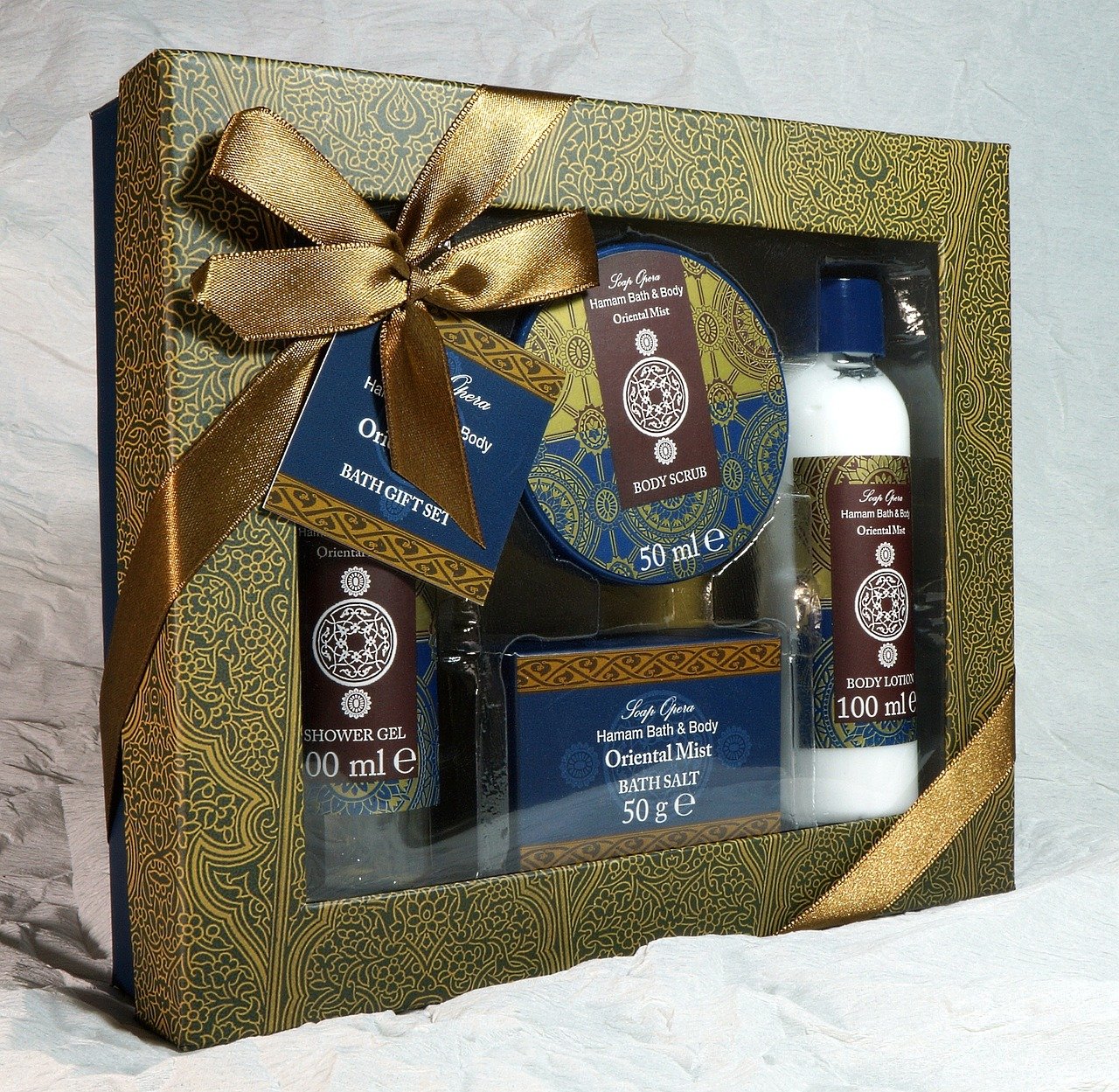
Before any discussion of price tiers, a body care routine needs to get the basics right. These are the steps dermatologists return to again and again.
Cleansing Without Stripping
Hot, long showers feel wonderful and work against you. Short, lukewarm showers are the standard advice for dry skin, and moisturizer applied while skin is still damp traps more water. That single timing habit does more for soft skin than most premium products.
Practical tip: keep a body oil or rich cream within arm’s reach of the shower. Most people fail at body care not because they bought the wrong product but because they apply it five minutes too late, on skin that has already dried.
Moisturizing With the Right Chemistry
Moisturizers work in two main ways: humectants like glycerin draw water into the skin, and occlusives like petrolatum slow water loss. The best formulas combine both. For a luxury routine, look for a cream that lists glycerin high and pairs it with shea butter, squalane, or a similar emollient rather than relying on silicone slip alone.
Sun Protection on Exposed Skin
Sunscreen belongs in body care as well as facial care. Arms, chest, hands, and legs get daily sun exposure. Broad-spectrum SPF 30 or higher on exposed skin is the single most evidence-backed anti-aging step in the entire routine, and it costs far less than most serums.
Where Luxury Products Genuinely Earn Their Price
Not all premium body care is hype. Some categories justify the spend more than others.
| Category | Worth paying more? | Why |
|---|---|---|
| Body cream or butter | Sometimes | Better emollients and texture; check the ingredient list, not the label |
| Body oil | Yes, for ritual | Good oils feel better and last longer than cheap blends |
| Exfoliant | Rarely | Drugstore chemical exfoliants work fine; scrubs are simple formulas |
| Cleanser | Rarely | It rinses off; spend elsewhere |
| Fragrance or body mist | Yes, if you love it | Perfumery is genuinely expensive to do well |
| SPF body lotion | Rarely | Efficacy depends on filters and testing, not price |
The pattern is clear: pay for what stays on your skin and what you smell, not for what goes down the drain.
Exfoliation: The Step Most People Get Wrong
Exfoliation is where luxury routines most often go off the rails. Physical scrubs and chemical exfoliants can both irritate skin, and guidance consistently points toward gentle use and caution with frequency. There is no single authoritative number of times per week — consumer and dermatology advice ranges from once to a few times weekly depending on skin type and product strength.
What actually works in practice:
- Start with once a week and build up only if skin stays calm.
- Choose one method at a time — a scrub or a chemical exfoliant, not both in the same week.
- Skip exfoliation on any day skin feels tight, stinging, or looks flushed.
- Never exfoliate freshly shaved or sun-exposed skin.
- Follow with a plain, fragrance-free moisturizer rather than an active-rich one.
The common mistake is treating exfoliation as a daily virtue. It is not. It is a tool with a dose.
Fragrance: The Hidden Variable in Premium Body Care
Scent is often the entire reason a luxury product costs what it does. It is also the most common cause of allergic contact dermatitis in cosmetics. That tension matters.
A useful distinction: “fragrance-free” and “unscented” are not the same thing. A product labeled unscented may contain masking fragrance to cover the smell of raw ingredients. If your skin is reactive, fragrance-free is the safer label to look for.
Labeling rules differ by market, too. In the EU, cosmetics must list ingredients and declare certain fragrance allergens above set thresholds, and that allergen list was updated in 2023, so older articles citing “26 allergens” may be out of date. In the U.S., ingredients must generally be listed in descending order of predominance, with an exception for fragrance, which can simply appear as “fragrance.” That means the ingredient list is informative, but it is not a full disclosure document.
For a luxury routine, the practical move is simple: enjoy scented products on skin that tolerates them, and keep one fragrance-free workhorse cream for days when skin is irritated or post-shave.
Building the Routine: A Realistic Order of Steps
A well-built luxury body care routine is shorter than the shelf at a department store suggests. Here is a sequence that holds up.
- Shower — lukewarm, short, gentle cleanser.
- Apply moisturizer on damp skin — within a minute or two of toweling off.
- Treat targeted areas — richer cream on elbows, knees, heels; lighter lotion elsewhere.
- Exfoliate weekly — one method, gentle pressure, then moisturize.
- Sunscreen on exposed skin — every morning, reapplied through the day.
- Fragrance last — on pulse points or clothing, not on irritated skin.
Notice what is missing: no ten-step layering, no waiting between products, no need for a separate neck cream. The order matters more than the count.
Texture, Hair, and the Details People Notice
Body care does not exist in isolation. Skin texture, hair, and grooming read as one overall impression, and small details carry disproportionate weight.
If you are building a full grooming ritual, curl pattern and hair type deserve their own attention rather than a generic product. Tight coils, for example, need different handling than loose waves — a 4b hair guide explains why the tightest pattern needs its own routine, while 2a hair calls for a much lighter touch. Color choices matter too: light brown hair shades and the wider world of brunette shades both reward careful maintenance, and the cultural and care context around black hair texture is worth understanding before buying anything. (Skin Care Basics)
The same principle applies to skin: match the product to the actual condition, not to the packaging.
The Environment Your Routine Lives In
There is a quieter luxury angle that rarely gets mentioned: the setting. A bathroom that feels calm, well-lit, and uncluttered makes a routine easier to keep. That is why high-end hospitality invests so heavily in bathing spaces, and why spa design keeps influencing home bathrooms. The same instinct shows up in how luxury resorts design their bathing rituals and in broader thinking about the future of luxury living — the ritual is the product.
You do not need a renovation. A stool, a folded towel, a tray, and decent lighting will do more for your consistency than a fifth serum.
Common Mistakes That Undo Good Products
Even a well-chosen routine fails for predictable reasons. Watch for these.
- Applying moisturizer to dry skin. The single most common error. Damp skin absorbs and retains far more.
- Over-exfoliating. More scrubbing does not mean smoother skin; it means a compromised barrier.
- Buying scent over function. A gorgeous cream that does not moisturize is decoration.
- Ignoring the back, heels, and hands. These show age and dryness first and get the least attention.
- Skipping SPF on the body. Hands and chest are classic sun-damage sites.
- Switching products too fast. Skin needs weeks, not days, to show a change.
How to Judge a Premium Product Before You Buy
A short checklist separates substance from marketing:
- Read the first five ingredients. Water and glycerin near the top are a good sign in a moisturizer.
- Look for at least one solid occlusive or emollient — shea butter, squalane, petrolatum, jojoba.
- Check whether fragrance appears high in the list if your skin is sensitive.
- Ignore claims about “detoxing” or “boosting collagen” from a body lotion; neither is realistic.
- Prefer opaque or airless packaging for antioxidants, and tubes over jars for anything you dip fingers into.
- Buy the smallest size first. Texture preference is personal and expensive to discover late.
Conclusion
A luxury body care routine is not a shelf full of expensive jars. It is a short, repeatable sequence — gentle cleansing, moisturizer on damp skin, weekly gentle exfoliation, daily sunscreen on exposed skin — wrapped in textures and scents you genuinely enjoy using. The indulgence is real and worth something: it keeps you consistent, and consistency is what skin actually responds to. Spend where the product stays on your body and where the perfumery is genuinely good. Save where the formula is simple and rinses away. Do that, and the routine feels expensive and works like it.
Frequently Asked Questions
How often should you exfoliate in a luxury body care routine?
Once or twice a week is a sensible starting point for most people. Guidance varies from once to a few times weekly depending on skin type and product strength, so build up slowly and stop if skin stings or flushes.
Does expensive body care actually work better?
Not automatically. Price often reflects packaging, scent, and brand positioning rather than efficacy. A mid-priced cream with glycerin and a good occlusive can outperform a luxury one, so judge by the ingredient list and how your skin responds.
What is the difference between fragrance-free and unscented?
Fragrance-free means no fragrance has been added. Unscented means the product has no noticeable smell, which can be achieved with masking fragrance. For reactive skin, fragrance-free is the safer choice.
When should you apply body moisturizer?
Within a minute or two of showering, while skin is still damp. Applying to fully dry skin wastes much of the product’s benefit because there is less water for humectants to hold onto.
Is body sunscreen really necessary if you use SPF on your face?
Yes. Hands, arms, chest, and legs get daily sun exposure and show damage early. Broad-spectrum SPF 30 or higher on exposed skin is the most reliable anti-aging step in any body routine.
Can you layer a scented body cream with perfume?
You can, but test carefully. Fragrance is a common cause of allergic contact dermatitis, and layering multiple scented products increases the load. If skin reacts, keep scent to one product and use fragrance-free cream underneath.