
Rose Gold Eyeshadow Looks for Every Eye Color (2026)
 Abdul WadoodLast updated
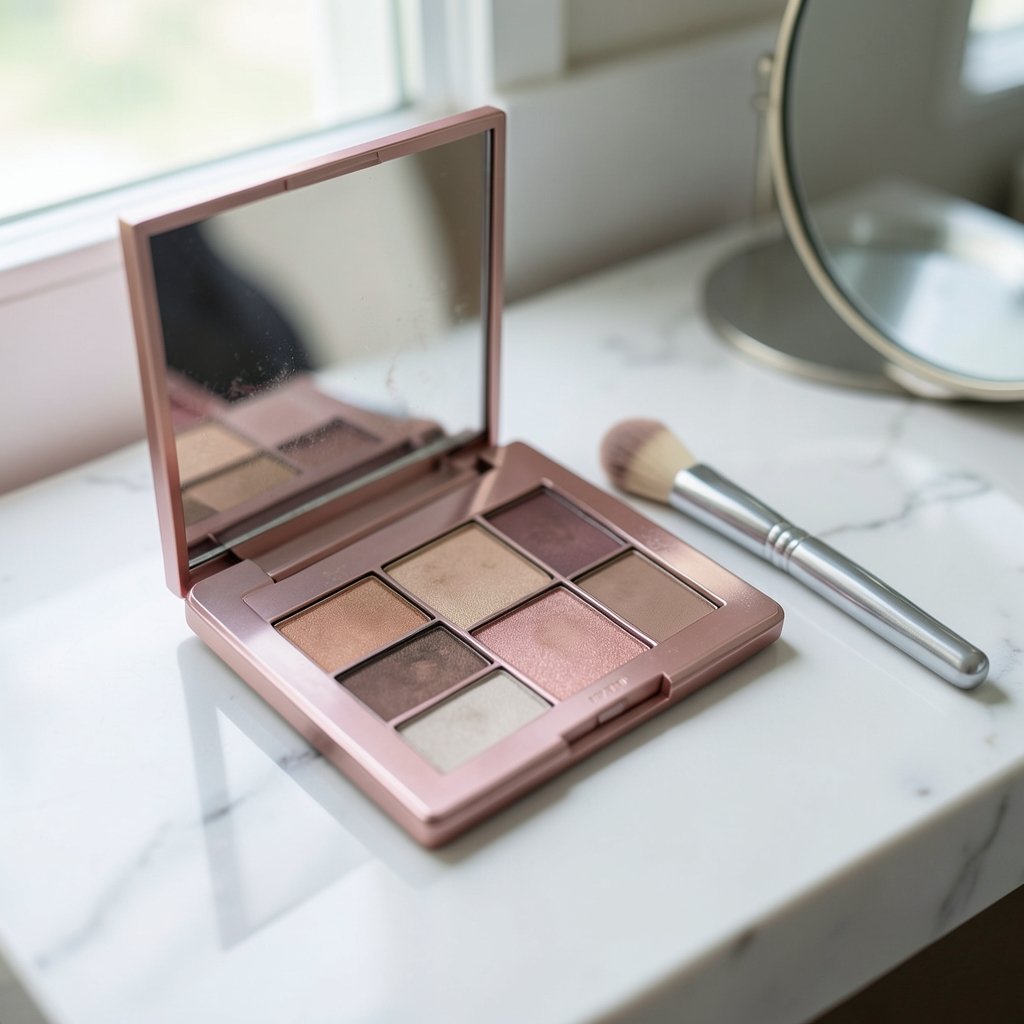
Rose gold has quietly become one of the most searched eyeshadow shades in the world, and it is not hard to see why. The color sits in a sweet spot between pink and copper, which means it picks up warmth on some skin tones and cool reflectivity on others. In practice, that makes it one of the most forgiving metallic shades a person can own.
But “rose gold eyeshadow” is not one look. It is a whole family of finishes, placements, and pairings, and the difference between a look that reads polished and one that reads muddy usually comes down to technique rather than the product itself. This guide breaks down the most reliable rose gold looks, the placement rules that actually work, and the mistakes that trip people up most often.
Why Rose Gold Works So Well as an Eyeshadow
Rose gold is essentially a pink-tinted metal tone: copper warmed with a little rose. In makeup terms, that translates to a shade with both warm and cool notes in the same pan. Warm copper flatters golden and olive undertones, while the pink cast keeps the shade from turning orange on cooler complexions.
That dual nature is the reason the shade travels so well across skin tones. It is also why the same palette can look dramatically different on two people. Rose gold is highly reflective, and reflective shades pick up the color of the skin beneath them. On deeper skin, a rose gold can read as a bright copper pop; on fair skin, the same shade can look almost champagne.
The practical takeaway: swatch on the eyelid, not the wrist. The lid is where the shade will actually live, and lid skin is often a different tone than the back of the hand.
The Core Rose Gold Looks Worth Mastering
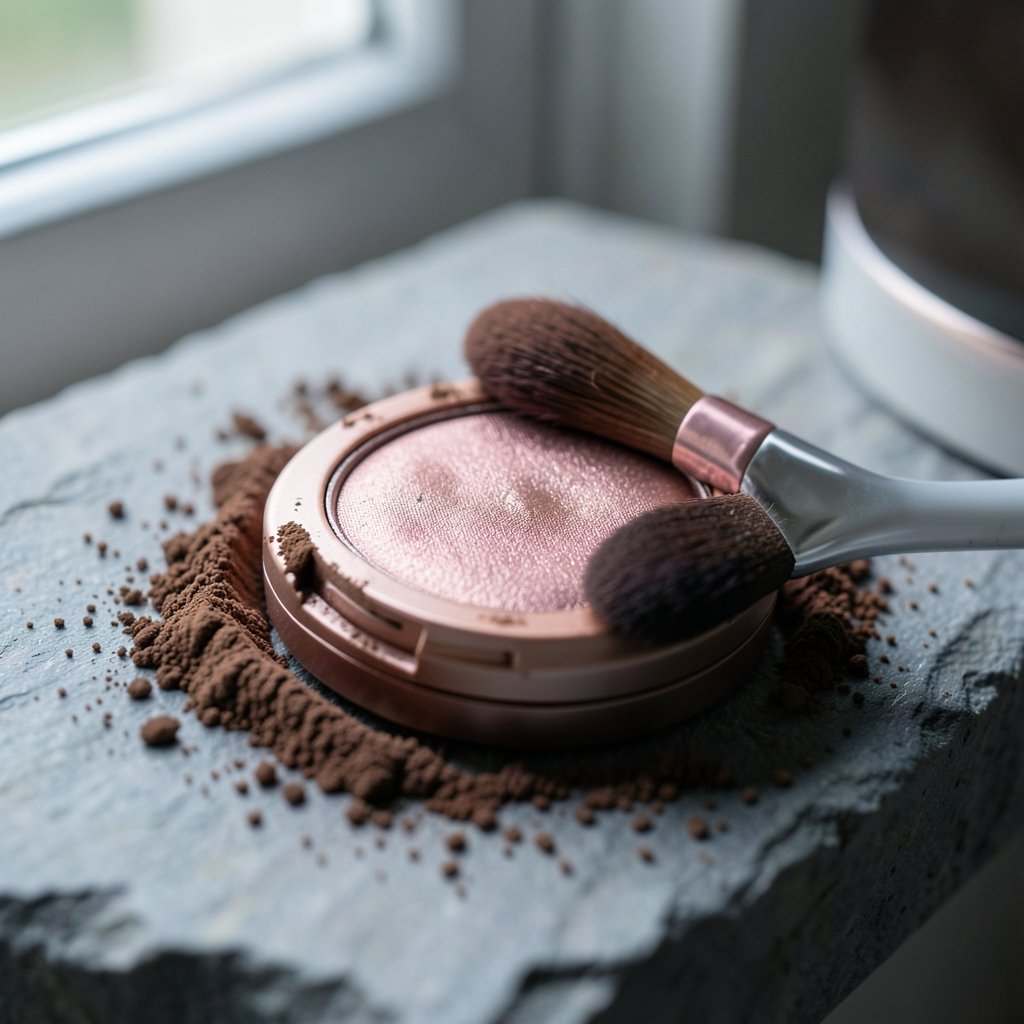
Most rose gold tutorials on the internet are variations on five or six structures. Once those are in your muscle memory, you can improvise freely.
The Simple Wash
One shade, patted across the mobile lid from lash line to just above the crease, blended with a clean brush at the edges. This is the fastest route to a polished look and the best starting point for anyone new to shimmer. A wash works best with a shade that has some depth to it; very pale rose golds disappear on the lid and leave only fallout behind.
The Halo
A deeper matte through the crease and outer corner, with rose gold concentrated in the center of the lid. The contrast makes the center of the eye appear brighter and more open. This is the look most often photographed on runways, where the light hits the center of the lid and creates a wet, metallic effect. (Eye shadow)
The Cut Crease
A sharp line of concealer carves the crease, and rose gold fills the lid below it. It is the most technical of the standard looks and the one most dependent on a good flat brush and a formula that does not sheer out when layered. Cut creases reward practice more than expensive products.
The Smudged Liner
Rose gold applied along the upper and lower lash lines with a small dense brush, then smudged outward. It reads as an eyeliner alternative and suits people who find full-lid shimmer too much for daytime. The lower lash line placement is what makes this look distinctive, and it is also where fallout is most visible, so tap off the brush first.
The Inner Corner Pop
A tiny amount of rose gold in the inner corner, paired with a neutral matte lid. This is the lowest-effort, highest-impact version of the look and the one most likely to survive a long day without creasing.
Placement Rules That Actually Matter
Most rose gold disappointments come from placement, not pigment quality. A few rules hold up across nearly every eye shape:
- Keep shimmer on the lid, matte in the crease. Shimmer in the crease emphasizes texture and depth in a way most people do not want. Matte transition shades do the blending work.
- Pat, do not sweep. Sweeping a metallic shade across the lid pushes pigment into fine lines and scatters it onto the cheekbone. Patting with a flat brush or fingertip presses the shimmer where it belongs.
- Build in thin layers. Rose gold builds beautifully and looks patchy when applied thickly in one pass. Two or three thin layers beat one heavy one.
- Blend the edges before adding more shimmer. Once the metallic layer is down, blending it further dulls the finish.
A common mistake is treating rose gold like a neutral matte. It is not. It behaves more like a highlighter for the eye: placement is everything, and a little goes a long way.
Pairing Rose Gold With Other Shades
Rose gold is unusually easy to pair, which is part of its appeal. The safest combinations are warm browns, mauves, and soft champagnes. Bronze adds depth for evening looks, and a matte taupe in the crease keeps the shimmer from looking costume-y.
| Pairing | Effect | Best For |
|---|---|---|
| Rose gold + warm brown | Soft, blended, everyday | Daytime, office, travel |
| Rose gold + mauve | Cooler, more romantic | Weddings, evening events |
| Rose gold + bronze | Deeper, more dramatic | Night out, photography |
| Rose gold + champagne | Bright, high-shine | Inner corner, halo center |
| Rose gold + matte black liner | Sharp, graphic contrast | Editorial, bold looks |
The pairing that fails most often is rose gold with strong cool-toned purples. The two fight each other, and the result can look bruised rather than blended. If a cooler look is the goal, a mauve transition shade is a safer bridge.
Choosing the Right Formula
Finish matters as much as shade. A pressed shimmer, a loose pigment, a cream shadow, and a liquid metallic all behave differently on the lid, and the same rose gold name can look like four different colors across those formats.
Cream and liquid formulas tend to give the most “wet” reflective finish and are the easiest to apply with a fingertip. They also set quickly, which means less time for blending. Powder shimmers are more forgiving to work with and easier to layer, but they are also more prone to fallout. Loose pigments give the most intense color payoff and require the most care.
For anyone building a routine around rose gold, a cream shadow for the lid and a matte powder for the crease covers most looks. A dedicated glitter topper is optional and mostly useful for evening.
Application Tips That Make a Visible Difference
These are the small adjustments that separate a look that lasts from one that creases by lunchtime.
- Prime the lid. A thin layer of eye primer or a matte concealer set with powder gives shimmer something to grip. Without it, rose gold slides into crease lines within a couple of hours.
- Tap off excess. A quick tap of the brush removes loose pigment that would otherwise land on the cheekbone.
- Use a flat shader brush for the lid and a fluffy brush for the crease. The tool does half the work.
- Apply the matte transition first. Building the crease before the shimmer means less disturbance to the metallic layer.
- Set the lower lash line with a matching matte. Rose gold on the lower lash line looks intentional when backed by a soft matte shade and messy when left to sit on bare skin.
- Finish with a setting spray, not a powder. Powder over shimmer dulls the finish and can look chalky in photographs.
For a broader look at building a repeatable routine around a single shade family, this hair styles guide on choosing and maintaining a look that works takes a similar approach to matching a style to the person rather than the trend.
Rose Gold Across Skin Tones
The most useful advice for rose gold is that depth matters more than undertone. Fair skin tends to get the best result from rose golds with a slightly deeper copper base, because pale metallic shades wash out. Medium skin tones can wear almost any depth, and the choice usually comes down to whether the look should read warm or cool.
Deep skin tones often find that rose gold reads brightest when paired with a deeper matte in the crease to create contrast. Without that contrast, even a strong metallic can look flat in photographs. Olive undertones do well with rose golds that lean slightly more copper than pink, since the green in the skin can pull pink shades toward gray.
The safest approach is to test a shade in daylight rather than indoor lighting. Store lighting is designed to flatter products, not to show how they will look on the eyelid.
Common Mistakes and How to Avoid Them
A few recurring errors account for most rose gold looks that do not turn out as planned.
Over-applying. Rose gold is reflective, and reflectivity amplifies everything. Two thin layers usually look better than one thick one.
Skipping the matte base. A shimmer-only look can read as unfinished. A matte transition shade in the crease gives the metallic layer a frame.
Using the wrong brush. Dense, flat brushes press shimmer into the lid. Fluffy brushes diffuse it. Using a fluffy brush for the metallic layer is one of the most common reasons a look turns muddy.
Ignoring fallout. Rose gold fallout is often pink and highly visible on the cheek. Applying eye makeup before base makeup, or using a tissue under the eye, solves it.
Expecting one shade to do everything. A single rose gold pan can be a lid shade, an inner-corner highlight, or a lower-lash accent, but rarely all three at once without looking heavy.
Building a Rose Gold Look for Different Occasions
Daytime rose gold should be restrained: a wash of shimmer on the lid, a soft matte brown in the crease, and a clean lash line. The shade reads as a subtle warmth rather than a statement.
Evening rose gold can go much further. A halo placement with a deeper bronze in the outer corner, a smudged liner, and a touch of inner-corner highlight gives the look more dimension without requiring more product. For event styling, the same logic that applies to accessorizing a timeless look applies to eye makeup: one strong element, supported by quieter ones, reads more polished than several competing focal points. (Smithsonian Magazine)
Bridal and event looks tend to favor rose gold because it photographs well under both warm and cool lighting. The reflective finish catches light without looking glittery, which is why it shows up so often in wedding makeup portfolios.
What the Trends Suggest
Rose gold has stayed in rotation longer than most metallic shades, and its persistence is largely structural. It sits between two popular families (warm neutrals and soft pinks), so it benefits whenever either trend is strong. Coverage of recent fashion week looks has repeatedly featured metallic lid shades in this family, often paired with bare skin and minimal liner.
The shade has also benefited from the broader move toward simpler, faster routines. A single rose gold shadow can replace a three-shade look, which fits how most people actually get ready in the morning. If the trend toward pared-back makeup continues, rose gold is well positioned to stay relevant.
Conclusion
Rose gold eyeshadow earns its reputation because it does something few shades can: it flatters across skin tones and eye colors while remaining simple enough for a five-minute routine. The looks that work best are rarely the most complicated ones. A wash, a halo, or a single inner-corner accent, applied with a flat brush and a matte crease shade, delivers most of the impact with a fraction of the effort.
The real skill is in the details: priming the lid, patting rather than sweeping, building in thin layers, and choosing a depth that matches the skin rather than the trend. Get those right, and rose gold becomes one of the most reliable shades in the drawer. Get them wrong, and even an expensive palette will look patchy by mid-morning. Start with one look, practice the placement, and the rest follows quickly.
Frequently Asked Questions
What is rose gold eyeshadow?
Rose gold eyeshadow is a metallic shade family that blends pink with warm copper. It is not a standardized color term, so exact shades vary widely between brands, and the same name can look quite different across powder, cream, and liquid formulas. Most versions are shimmer or metallic finishes rather than matte.
Does rose gold eyeshadow suit everyone?
In practice, yes, though the right depth varies. Fair skin usually does best with slightly deeper, copper-leaning rose golds that do not wash out. Medium and deep skin tones can wear nearly any depth, and contrast with a matte crease shade makes the metallic finish read more strongly. Olive undertones tend to prefer rose golds that lean copper rather than pink.
What colors go with rose gold eyeshadow?
Warm browns, mauves, champagnes, and bronzes are the safest pairings. A matte taupe or warm brown in the crease keeps the look grounded, while champagne works well as an inner-corner highlight. Strong cool purples are the pairing most likely to clash.
How do I stop rose gold eyeshadow from creasing?
Prime the lid first with an eye primer or a matte concealer set with powder, then apply the shimmer in thin layers rather than one heavy pass. Cream and liquid formulas set faster than powders and generally crease less on oily lids. A setting spray at the end helps more than powder, which dulls the metallic finish.
Can I wear rose gold eyeshadow during the day?
Yes, and it is one of the easier metallics to wear in daylight. A single wash of rose gold with a soft matte brown in the crease reads as subtle warmth rather than a statement. Keep the rest of the makeup minimal and skip heavy liner for a daytime version.
Is rose gold eyeshadow the same as copper?
No. Copper is a warmer, more orange-toned metal, while rose gold has a pink cast that keeps it from turning orange on cooler skin. The two sit close together on the warm spectrum, which is why bronze and copper pair so easily with rose gold, but they are distinct shades.