
What to Wear to a Fashion Show: 2026 Dress Code Guide
 Abdul WadoodLast updated
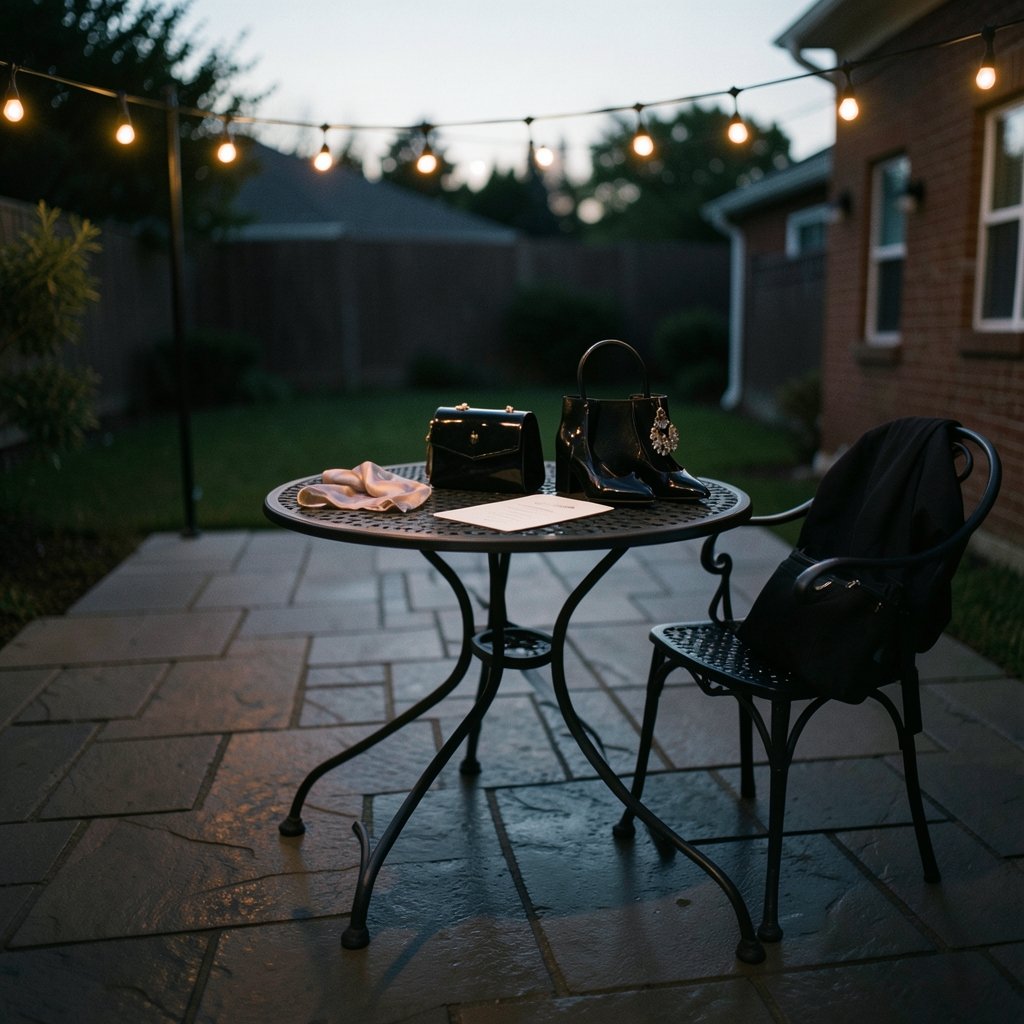
Quick Answer: What to wear to a fashion show?
What to wear to a fashion show depends on the show’s tier, time slot, and venue, but the safest formula is polished, understated clothing that lets the collection stay the center of attention. In practice, that means a clean silhouette, one strong statement piece, comfortable shoes you can stand in, and a bag small enough to sit on your lap.
Daytime presentations tolerate smart-casual separates, while evening and front-row seats skew more formal. Emerging-designer and off-schedule shows leave room for bolder personal style than heritage houses, which tend to expect quieter, more classic looks.
Before you commit to an outfit, check the invitation wording and arrival time, the venue and expected weather, the walk and queue length, the seating arrangement, and whether photographers will be stationed outside.
Why the Outfit Matters More Than You Think
Fashion week generates billions of dollars in media coverage every season, and a large share of it is shot on the pavement outside the venue rather than on the runway. Street style photography has turned the approach to a show into a stage of its own, which is exactly why attendees plan outfits weeks ahead.
That pressure cuts both ways. Dressing well signals respect for the host and the craft. Dressing to outshine the collection, on the other hand, reads as a misstep. The industry convention is simple and worth internalizing: the clothes on the runway are the headline, and you are the supporting cast.
There is also a practical layer people underestimate. Shows involve standing in queues, walking between venues, squeezing into tight rows, and sitting for 45 minutes or more. An outfit that photographs beautifully but pinches, slips, or forces you to hold your breath for two hours is a failed outfit. Style and stamina have to coexist.
Start With the Show Tier, Not the Trend Report
The single most useful filter is the type of show you are attending. Dress codes are not published anywhere official, but the pattern is consistent across cities.
| Show type | Formality | What works | What to avoid |
|---|---|---|---|
| Emerging designer, off-schedule | Low to medium | Bold color, vintage finds, statement outerwear | Anything that looks borrowed and uncomfortable |
| Daytime presentation | Medium | Tailoring, knitwear, clean denim, loafers | Full eveningwear, heavy jewelry |
| Heritage house, evening show | High | Suiting, slip dresses, structured coats, heels | Loud logos, novelty prints |
| Couture or front row | High | Understated luxury, precise fit, refined accessories | Competing with the collection |
For a closer read on how restraint is being styled right now, the return of minimalism in modern fashion is a useful reference point, and it maps neatly onto what most attendees actually wear to serious shows.
Daytime shows
Daytime slots are forgiving. Think tailored trousers, a fine-gauge knit, a crisp shirt, and a structured bag. Denim works at younger labels but reads casual at established houses. A blazer solves most problems: it dresses up denim, softens a slip dress, and gives you a layer for air-conditioned venues.
Evening and front-row shows
Evening shows require more polish. A column dress, a sharp suit, or a silk skirt with a fitted top covers most invitations. Heels are common but optional; a sleek flat or a low block heel is entirely acceptable and far more sensible if you are moving between venues. Front-row seats are photographed constantly, so check your outfit from a seated angle as well as standing in front of a mirror.
The One-Piece Rule That Saves Every Outfit
If you remember nothing else, remember this: build the look around one statement piece and keep everything else quiet. A sculptural coat, a strong color, an unusual collar, a great pair of boots. One. Not three.
This rule works because it satisfies both competing demands of show dressing. It gives photographers something to catch, and it keeps you from looking like you are competing with the runway. It also makes getting dressed dramatically faster, which matters when you have three shows and a presentation in one day. (Chocolate Brown Hair: What It Really Looks Like in 2026)
The most common mistake here is over-accessorizing. People pile on the sunglasses, the bag, the jewelry, the belt, and the hat, and the result reads as costume rather than style. Editing is the skill that separates a good show outfit from a loud one.
Shoes, Bags, and the Logistics Nobody Warns You About
Practical details derail more outfits than bad taste ever does.
Shoes. You will stand more than you expect. Queues form early, seating is tight, and cars often drop attendees a block or two away. Choose footwear you have already walked a mile in. If you want height, a block heel or a platform distributes weight better than a stiletto. Keep a foldable flat in your bag if the day runs long.
Bags. Small and structured beats large and slouchy. A bag that needs its own chair is a liability in a packed venue. Crossbody styles free your hands for a phone, a notebook, or a seating card.
Layers. Venues run either freezing or overheated, rarely in between. A coat or blazer you can remove without ruining the look is worth the effort.
Weather. Fashion weeks in February and September land in unpredictable seasons. Check the forecast the morning of and plan the outer layer accordingly, especially if you are walking between venues.
Getting the Details Right: Grooming, Fit, and Finishing
An expensive outfit with a bad hem looks cheaper than a simple outfit that fits perfectly. Tailoring is the highest-return investment in show dressing: take in the waist, shorten the sleeve, fix the hem. It takes a day and changes everything.
Grooming follows the same logic. Clean, deliberate hair and skin read better in photographs than an elaborate look that collapses by the second show. This is also where hair trends intersect with fashion week: shades like the dirty blonde hair trend and the chocolate brown hair shade show up constantly in street-style coverage because they photograph well under venue lighting and look polished without obvious effort.
A few finishing checks before you leave:
- Photograph yourself in daylight, full length, front and side.
- Sit down in the outfit and check for gaping, pulling, or riding up.
- Walk up and down stairs in the shoes.
- Confirm the bag fits a phone, card, and compact without bulging.
- Check the label care instructions if you are wearing anything delicate in bad weather.
What Not to Wear, and Why
Some choices reliably backfire.
Logos head to toe. Heavy branding can read as an attempt to buy credibility. One logo is fine; a full look is not.
Clothes that need constant adjustment. Strapless tops, very short hems, and shoes you cannot walk in all fail the standing-and-sitting test.
Anything that blocks the view. Wide-brim hats and towering headpieces are a courtesy problem in a seated row.
Costume-level styling. Themed looks belong at parties, not at a collection presentation.
Untested new purchases. Wearing shoes or a dress for the first time on a show day is a gamble with no upside.
How to Adapt This for Different Cities and Seasons
Show cities have distinct style dialects, and reading them helps.
Milan leans toward polished, confident dressing with strong outerwear and excellent leather. Paris favors restraint and precision, with a bias toward tailoring and quieter palettes. New York is more eclectic and commercial, tolerant of streetwear and bold mixing. London rewards experimentation more than any of the others.
Season matters just as much. February shows fall in winter, so coats, boots, and layers dominate. September shows sit at the edge of summer, which means transitional dressing: a light knit, a trench, closed shoes. If you want a sense of how attendees actually interpret this in practice, street style coverage from Milan fashion week is a good calibration tool, and the second edition of that coverage shows how the same city shifts its mood between seasons. (Fashion Shows)
For broader context on how the industry frames these events, the Council of Fashion Designers of America publishes official New York Fashion Week scheduling, and the Fédération de la Haute Couture et de la Mode does the equivalent for Paris. Neither publishes a dress code, which is precisely why the conventions above carry so much weight.
Building a Show Wardrobe You Can Reuse
Most people attend more than one show, and buying a new outfit each time is unsustainable. A small capsule solves it.
Start with a well-cut blazer, tailored trousers, a midi skirt, a fine knit, a silk shirt, one strong coat, and two pairs of shoes you trust: one flat, one with height. Add one statement piece per season. Everything mixes, everything travels, and nothing requires a stylist to assemble at 6 a.m.
This is the same logic behind minimalist dressing more broadly, and it is why the minimalist approach keeps returning to runways and front rows alike. A second look at the return of minimalism in modern fashion makes the case that fewer, better pieces outperform a crowded wardrobe on both cost and confidence.
Conclusion
Dressing for a fashion show is not about spending the most or predicting the next trend. It is about reading the room: matching formality to the show tier, keeping the collection in the spotlight, and choosing clothes you can actually stand, sit, and walk in for eight hours. Build around one statement piece, tailor everything, test your shoes, and pack light. Do that, and you will look like you belong there, which is the only dress code that has ever really applied.
Frequently Asked Questions
Can you wear jeans to a fashion show?
Yes, at many shows, but context decides. Denim is common at emerging-designer and off-schedule presentations, especially in New York and London. At heritage houses and evening shows, tailored trousers or a skirt are the safer choice. If you wear denim, pair it with a blazer and polished shoes so the overall look reads deliberate rather than casual.
Do you need heels for a fashion show?
No. Heels are common but never required. Block heels, platforms, loafers, and sleek flats all appear in front rows every season. Comfort matters because shows involve queuing, standing, and walking between venues. A confident flat beats a painful heel almost every time, and photographers are not grading your shoe height.
How formal is front row versus general seating?
Front row is typically more formal and more photographed, so understated, precisely fitted clothing works best. General seating is more forgiving and allows bolder personal style. The invitation type and time slot signal formality more reliably than the seat itself, so read the invitation wording before deciding.
Is there a dress code published by fashion week organizers?
No official dress code exists. Organizers publish schedules, venue information, and accreditation rules, not attire guidance. The conventions attendees follow come from industry etiquette and photographer presence rather than any written rule. That is why observing coverage of previous seasons is more useful than searching for a formal policy.
What should you avoid wearing to a fashion show?
Avoid head-to-toe logos, clothes that need constant adjustment, wide-brim hats that block sightlines, and shoes you have not broken in. Also skip anything so theatrical that it competes with the collection. The goal is to look considered and appropriate, not to become the story.
How far in advance should you plan a fashion show outfit?
Plan at least a week ahead so you have time for alterations and a full test run. Try the complete look, including shoes and bag, in daylight and seated. Confirm the forecast two days out and prepare a backup layer. Last-minute assembly is where most outfit mistakes happen.