
Resort 2027 Fashion Trends: Key Looks & What to Buy
 Abdul WadoodLast updated
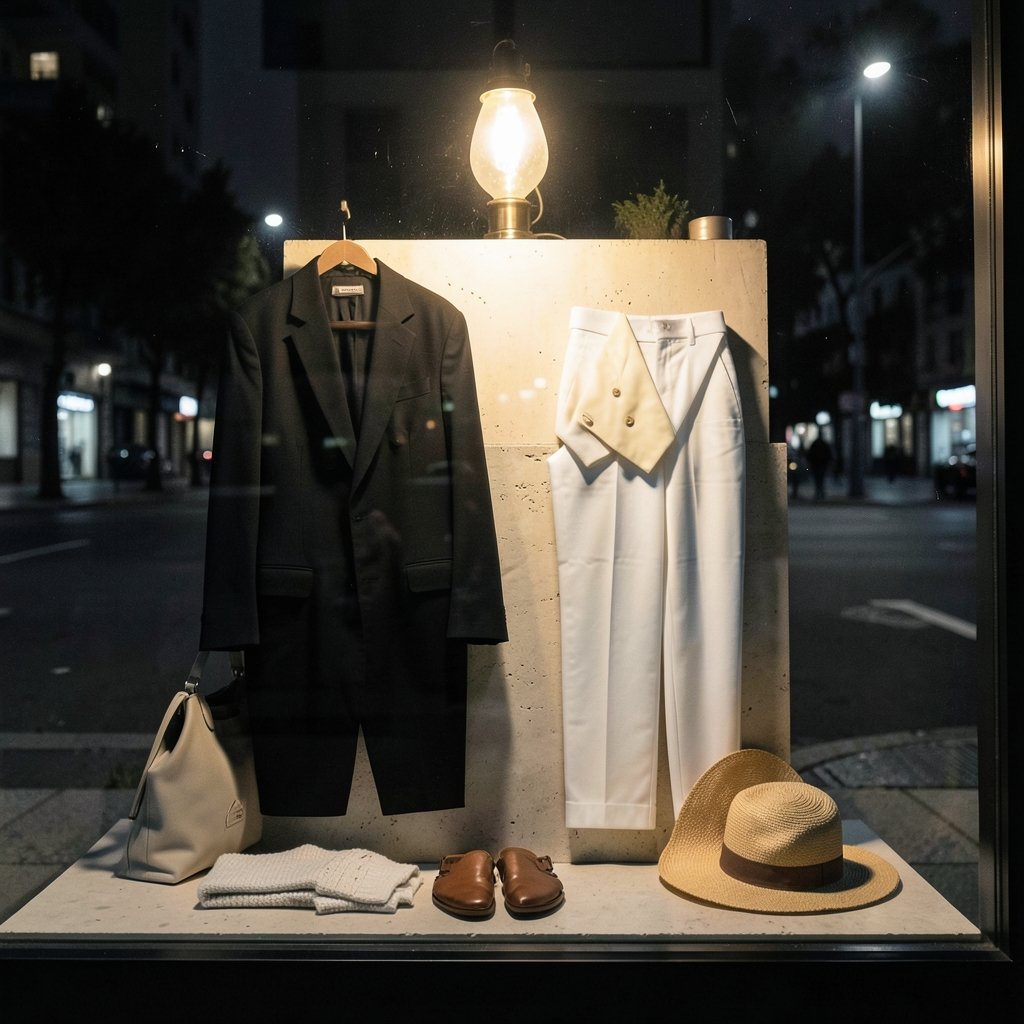
Resort is fashion’s quiet giant. While the world watches the spring and fall runways, the resort season, also called cruise, ships to stores earlier than almost anything else on the calendar and stays on shelves longer. It is the collection that fills December racks in warm-weather cities and January windows everywhere else. That long shelf life is exactly why the resort 2027 trends matter beyond the runway bubble: what appears in these collections tends to shape what mainstream labels put in stores for the following twelve months.
The resort 2027 collections were shown across several cities in the months before this article, and one theme runs through them. Designers focused on clothes that work in real life as well as in a lookbook. There is polish, but it comes with practicality. There is color, but it is worn with restraint. What follows covers the season: what to buy into, and what to skip.
What Defines the Resort 2027 Season
Resort collections were once designed almost entirely for wealthy clients heading to warm-weather holidays in the middle of winter. That brief has widened. Brands now treat resort as a bridge season that carries shoppers from holiday dressing into early spring, which means the clothes have to work in a wider range of temperatures and settings. The resort 2027 collections reflect that shift. Several houses showed pieces that could be worn in a warm city in December and layered up in a cooler one in March.
The practical result is a season built on transitional dressing. Lightweight tailoring, long sleeves in breathable fabrics, and pieces that can be worn alone or under a coat dominated. If you have ever bought a resort piece and then found it unwearable for eight months of the year, this season was designed with you in mind.
The Return of Relaxed Tailoring
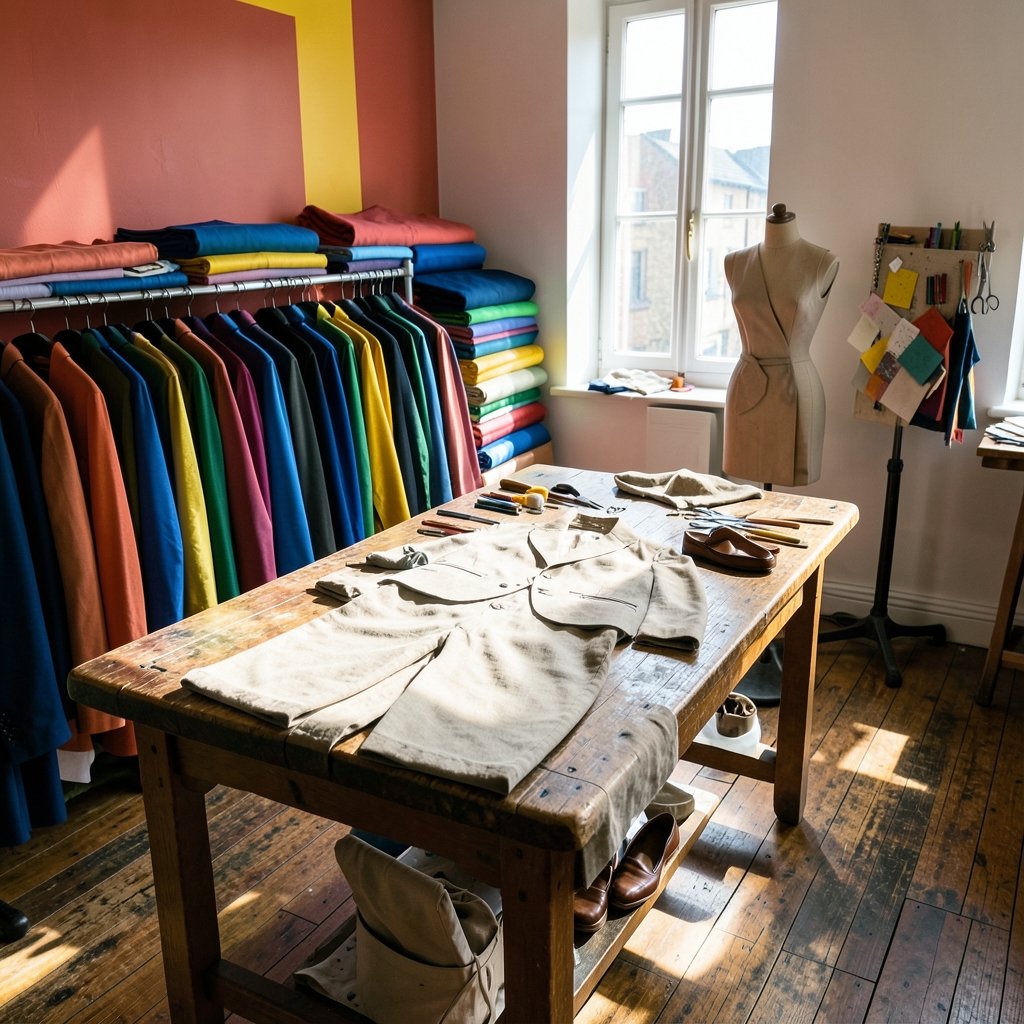
The strongest story of the season is tailoring that has been softened. Blazers were shown with dropped shoulders and longer lines. Trousers came wide and often unlined. Waistcoats appeared as standalone tops rather than layering pieces. None of this is new in isolation, but the way it was styled was: worn head to toe in one fabric, often in warm neutrals, and paired with flat shoes rather than heels.
This connects to a broader shift toward minimalism that has been building for several seasons. The return of minimalism in modern fashion has moved from a niche preference to a dominant commercial strategy, and resort 2027 is where that shift becomes fully visible. Brands are betting that shoppers want fewer, better pieces that mix easily rather than statement items that only work once.
In practice: if you are buying into this trend, prioritize fabric over shape. A relaxed blazer in a cheap blend will sag and pill within a season. One in a wool-linen or cotton-silk blend will hold its line. Check the lining, too. Unlined jackets look lighter but can catch on what you wear underneath.
Color: Warm Neutrals and One Bright Accent
Resort palettes usually lean toward brights, and there was plenty of color on the resort 2027 runways. But the way it was used felt different. Instead of head-to-toe saturation, designers built outfits around warm neutrals, sand, ecru, soft camel, muted olive, and then added a single bright accent, often in accessories or one garment. (Resort wear)
This is a more wearable approach than the color-blocking of recent seasons, and it is easier to replicate at lower price points. A neutral base wardrobe with one or two saturated pieces will carry you through the season without looking like you are wearing a costume. It also photographs well, which matters more than ever in a market driven by social sharing. Street style coverage from recent fashion weeks has shown the same pattern: quiet outfits with one deliberate pop. The street style from Milan Fashion Week coverage is a useful reference point for how this plays out in real life rather than on a runway. (Vogue Runway: Fashion Shows)
Fabric and Texture Over Print
Print was present but subdued. The bigger story was texture: open weaves, subtle sheen, linen blends with a bit of structure, and knitwear fine enough to wear in warm weather. Designers used texture to create interest without pattern, which keeps pieces easier to combine and less tied to a single season.
This is a trend worth taking seriously if you are building a wardrobe rather than buying for one event. Textured neutrals are the most versatile purchase you can make in resort. A cream open-weave knit will work over a dress in summer and under a blazer in spring. A printed midi dress will work for one summer and then feel dated.
A quick comparison of what to prioritize
| Category | Buy into | Approach with caution |
|---|---|---|
| Tailoring | Relaxed blazers, wide trousers in natural blends | Oversized shapes in synthetic fabrics |
| Knitwear | Fine-gauge cotton and silk blends in neutrals | Chunky knits marketed as “resort” |
| Color | One bright accent against a neutral base | Head-to-toe saturation |
| Footwear | Flat sandals, low block heels, woven flats | Novelty heels that limit wear |
| Bags | Structured neutrals, one statement color | Trend-driven micro bags |
The Quiet Luxury Effect Continues
The language of quiet luxury has been overused, but the underlying behavior is real. Shoppers are still gravitating toward pieces without visible logos, and resort 2027 responded with collections that emphasized cut and fabric over branding. This is partly a reaction to a market that has become saturated with logo-heavy product, and partly a practical response to how people actually dress.
The culture and modern trends around fashion have shifted toward durability and away from novelty for its own sake. That does not mean the season was boring. It means the interest came from proportion, drape, and the way a garment moved, which is harder to photograph but far more useful to wear.
Common mistake: assuming “quiet luxury” means expensive. It means restrained. A well-cut cotton shirt from a mid-priced label will often outperform a logo-free designer piece in a fabric that does not suit your climate.
Who Wears It: Models and Real Bodies
One of the more encouraging developments in resort 2027 was the range of body types on the runway and in lookbooks. The season’s relaxed silhouettes suit a wider range of figures than the bodycon eras of the past, and several houses cast models whose proportions reflected the customers who actually buy resort. Coverage of models and the fashion industry has tracked this shift, and it is visible in how these collections were presented.
For shoppers, the lesson is straightforward. Relaxed tailoring is more forgiving than structured tailoring, but it still needs to fit at the shoulder. If the shoulder seam sits past your natural shoulder by more than an inch, the garment will look borrowed rather than relaxed.
Beauty and Accessories: The Supporting Cast
Resort beauty followed the clothes. Skin was kept relatively bare, with a focus on grooming rather than heavy coverage. Where makeup appeared, it was often a single strong element, a bold lip or a graphic liner, against an otherwise clean face. This mirrors the broader direction seen in spring makeup trends, where restraint and one focal point replaced layered looks.
Accessories did more of the talking. Woven leather bags, flat sandals with a defined strap, and simple gold jewelry appeared repeatedly. The most useful takeaway is proportion: with relaxed clothing, accessories should be either deliberately small or deliberately structured. A slouchy bag with a slouchy suit reads as untidy rather than intentional.
How to Shop the Season Without Wasting Money
Resort is a long season, and that changes how you should buy. Here is a practical sequence that works whether you are shopping designer or high street.
- Audit what you already own. Most people already have a neutral base. Identify the gaps before you buy anything new.
- Buy the transitional pieces first. A relaxed blazer, wide trousers, and a fine knit will earn their cost across multiple seasons.
- Add one color accent. Pick a shade you will actually wear, not the shade that looked best on the runway.
- Check fabric composition before price. Natural fibers with a small percentage of stretch tend to perform best in warm weather.
- Try everything with the shoes you will actually wear. Resort clothing is often styled with flats, and a hem length that works with heels may not work with sandals.
- Wait on the statement pieces. Trend-driven items go on markdown. Core pieces do not.
The most common mistake shoppers make with resort is buying for a holiday that lasts ten days rather than for the months the clothes will actually be worn. A linen suit bought for a trip will serve you for years if you choose the right color. A novelty print bought for the same trip will serve you for one summer.
Why This Season Matters Beyond the Runway
Resort 2027 is a useful signal because it arrives before the main spring collections reach stores. When relaxed tailoring, warm neutrals, and texture-first fabrics appear across many houses at once, it usually means the wider market will follow within a year. Fast fashion and mid-market brands watch these collections closely and translate them quickly.
That makes resort a good season to study even if you never buy a single piece from it. It tells you what will be available, what will be discounted, and what will look dated by next summer. The fashion trends and designer coverage tracking these collections is worth following for exactly that reason.
Conclusion
Resort 2027 is not a season of dramatic reinvention. It is a season of refinement, where relaxed tailoring, warm neutrals, and textured natural fabrics came together into collections that are genuinely wearable. The strongest pieces were the quietest ones: a well-cut blazer, a fine knit, a wide trouser in a fabric that moves. For shoppers, the lesson is to buy fewer pieces, check the fabric before the label, and choose colors that will still work in three years. Resort is a long season, and the clothes that survive it are the ones designed for real life rather than for a single photograph.
Frequently Asked Questions
When were the resort 2027 collections shown?
Resort collections are typically presented in the months before the season they serve, generally in late spring and early summer of the preceding year, with pieces reaching stores from around November onward. Exact timing varies by brand.
What is the difference between resort and cruise collections?
They are the same thing. “Resort” and “cruise” are used interchangeably by most brands and retailers. The season originated with clients traveling to warm destinations in winter, but it now functions as a bridge season between fall and spring.
Is resort wear only for holidays?
No. The resort 2027 collections in particular were built around transitional dressing, with pieces designed to work across seasons. Lightweight tailoring, fine knits, and neutral fabrics can be worn year-round in most climates with the right layering.
Which resort 2027 trends are most worth buying into?
Relaxed tailoring, fine-gauge knitwear, and warm neutral color bases offer the most versatility. These pieces combine easily, work across multiple seasons, and tend not to date quickly. Trend-driven prints and novelty accessories are the first to feel stale.
How can I tell if a resort piece is well made?
Check the fabric composition first, favoring natural fibers with minimal synthetic content. Then check the seams, the lining, and whether the garment holds its shape when hung. A relaxed silhouette in a poor fabric will lose its line quickly.
Will these trends reach high street stores?
Usually, yes. Resort collections are closely watched by mid-market and high street brands, and the dominant shapes and colors tend to filter down within six to twelve months. That lag is useful: it gives shoppers time to decide what they actually want before cheaper versions arrive.