
Nordic Tattoos: Symbol Meanings & How to Get One Right
 Abdul WadoodLast updated
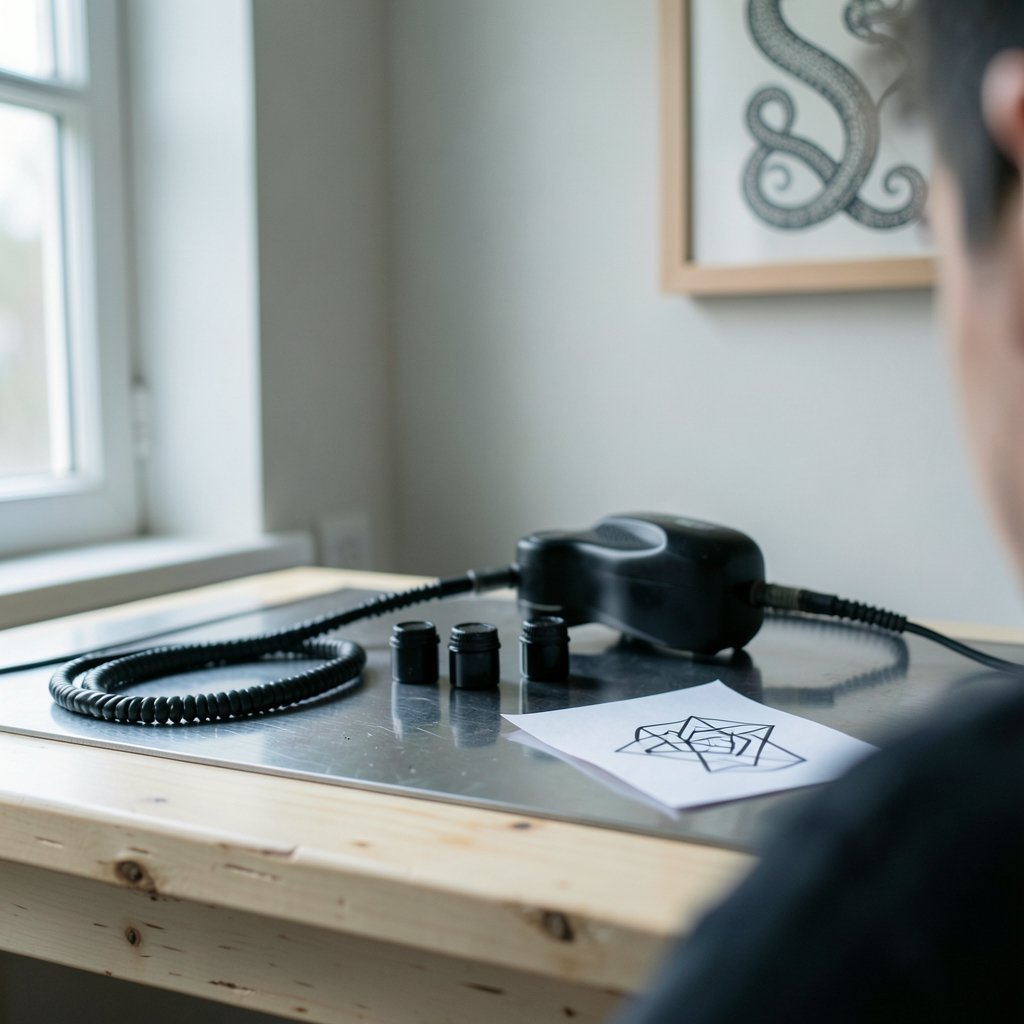
Nordic tattoos are having a moment. Walk into any tattoo studio in a major city and you’ll see the evidence: bold black Valknut knots, curling Urnes serpents, rune bands, and Yggdrasil trees wrapping forearms and spines. Search interest in “Viking tattoo” and “Norse tattoo” has climbed steadily for over a decade, and the style has moved from niche to mainstream.
What separates a good Nordic tattoo from a bad one is uncomfortable: most of the symbols people request are misunderstood, misdated, or taken from sources that have nothing to do with the Viking Age. This guide sets out what the symbols mean, how the historical art styles differ, what to expect in the chair, and the mistakes that turn a carefully chosen piece into a permanent regret.
What “Nordic Tattoo” Actually Means
The term is loose. It gets applied to three very different things, and mixing them up is the first mistake people make.
The first is historical tattooing in Scandinavia before Christianity. The evidence here is thin and contested. The most-cited textual hint is Ahmad ibn Fadlan’s tenth-century account of Rus traders, which describes body markings on the men. But scholars still argue over whether the Arabic term refers to tattoos, body paint, or scarring. Archaeological tattoo evidence from Scandinavia is close to nonexistent compared with finds elsewhere. Anyone who tells you they know exactly what Vikings tattooed is guessing.
The second is modern Nordic-style art: contemporary tattooing that borrows Viking Age visual motifs. This is a twentieth- and twenty-first-century phenomenon. The art styles it draws from are genuinely old, roughly ninth to eleventh centuries CE, but their use in tattoos is modern.
The third is traditional Nordic hand-tattooing, including Sámi and broader Nordic practices. This is a separate strand, under-documented, and often flattened into the Viking narrative by people who should know better.
Before booking, decide which of these you’re actually after. A historical-accuracy piece and a modern artistic piece require different references and different artists.
The Symbols: What They Really Represent

Nordic tattoo symbolism is where misinformation runs wildest. Here’s a grounded look at the most-requested designs.
The Valknut
Three interlocked triangles. The name is modern, a nineteenth-century coinage meaning “knot of those fallen in battle.” It appears on a handful of Viking Age picture stones, but its original meaning is unknown. Popular sources confidently call it “Odin’s knot” and link it to slain warriors. That reading is plausible but unproven. Treat it as a striking geometric design with an uncertain past, not a documented religious symbol.
Yggdrasil
The world tree of Norse cosmology, connecting the nine realms. This one is well attested in the surviving medieval texts, which makes it a safer choice for people who want symbolic accuracy. It also works beautifully as a tattoo composition, with roots spreading across a forearm or shoulder blade and branches climbing the back.
Mjölnir
Thor’s hammer. Genuinely historical, widely worn in the Viking Age as a pendant, and one of the better-documented symbols available. Small, recognizable, and easy to scale from a first tattoo to a full sleeve centerpiece.
Runes
The runic alphabets, especially the Elder Futhark, are real writing systems with real linguistic content. This is where enthusiasm most often outpaces accuracy. Plenty of people get rune strings that, when translated, spell something garbled or meaningless. If you want runes, get the spelling checked by someone who actually reads the script before the needle touches skin.
The Vegvísir
Often sold as a “Viking compass.” It isn’t. The Vegvísir appears in Icelandic grimoires from centuries after the Viking Age, and it belongs to early modern Icelandic folk magic, not Norse paganism. It’s a legitimate symbol with a legitimate history, just not the one most tattoo flash claims.
| Symbol | Historical Era | Meaning Status |
|---|---|---|
| Valknut | Viking Age | Unknown; modern interpretation |
| Yggdrasil | Attested in medieval texts | Well documented |
| Mjölnir | Viking Age | Well documented |
| Elder Futhark runes | Migration Period onward | Real writing system |
| Vegvísir | Early modern Iceland | Documented, but post-Viking |
Art Styles: Speaking Your Artist’s Language
If you want a Nordic tattoo that looks right, you need to know the decorative styles. They’re not interchangeable, and a good artist will ask which one you want.
The Borre style (roughly ninth to tenth century) is dense and geometric, with gripping beasts and ring-chain patterns. The Jelling style is cleaner and more ribbon-like. The Mammen style is lush, with tendrils and axe-shaped forms. The Ringerike style (eleventh century) brings elegant foliate scrolls and slender animals. The Urnes style is the last and most refined, with thin, interlocking creatures woven into graceful curves. (Collection)
Why does this matter in practice? Because “make it look Viking” means nothing to a serious artist, while “Urnes-style serpent coiling around the forearm, blackwork, high contrast” means everything. Bring reference images from museum collections, not from other people’s tattoos. You’ll get a far better result.
Planning Your Piece: Practical Advice That Saves Regret
A few habits separate people who love their Nordic tattoos years later from people who book cover-ups.
Research the symbol before the design. Spend an evening reading about the specific motif. If a source can’t tell you where the symbol was found or when it dates from, it’s probably repeating internet folklore.
Get runes and Old Norse checked. Ask a linguistics forum, a university department, or a specialist. A misspelled rune band is permanent.
Choose an artist who specializes in blackwork or Nordic styles. This is not the moment for a walk-in. Look at portfolios for bold linework, clean negative space, and comfort with interlace patterns.
Think about scale and placement. Interlace and knotwork need room to breathe. A complex Urnes serpent squeezed onto a finger will read as a smudge. Larger canvases, like the forearm, back, or thigh, do the style justice.
Plan for aging. Fine, delicate lines blur over decades. Bold outlines and strong contrast hold up better. Ask your artist how the design will look in twenty years.
Check symbol associations. Some Norse symbols have been co-opted by extremist groups. A responsible tattooer and a responsible client both check this, and many artists will flag a design that carries that baggage. It’s worth knowing before you commit.
For more on how tattoo culture and visual storytelling intersect, the team at Voozon Media covers design and culture topics worth a read.
What to Expect in the Chair
Nordic-style tattoos are usually blackwork: heavy black ink, minimal or no color, strong contrast. That has practical implications.
Blackwork sessions can be intense. Large areas of solid black take time, and the skin needs recovery between sessions. A full sleeve built from interlace patterns may take three to five sittings. Expect swelling, some scabbing, and a healing period of two to four weeks for surface healing, with deeper layers taking longer.
Aftercare is simple but non-negotiable: keep it clean, keep it moisturized, don’t pick, don’t soak it in a bath or pool, and keep it out of direct sun. Follow your artist’s instructions over anything you read online, including this article.
Cost varies enormously by artist, city, and complexity. Hourly rates in major cities often run well into the triple digits, and a detailed Nordic piece is not a budget project. Getting a cheap version of a design that needs precision usually means paying twice: once for the tattoo, and once for the cover-up.
The Cultural Responsibility Question
Nordic tattoos sit at an interesting crossroads. On one side, they’re a genuine expression of heritage, spiritual interest, or aesthetic love. On the other, Norse imagery has been misused by extremist movements, which means some symbols carry a public-relations weight their wearers didn’t intend.
The practical answer is awareness. Know the history of your symbol. Know that some designs have been co-opted. Be ready to explain what your tattoo means to you. Most people who ask about a Nordic tattoo are curious, not suspicious, but a clear, informed answer serves you well.
Accuracy matters here too. The Viking Age is one of the most mythologized periods in European history, and tattoo culture has absorbed plenty of fantasy along with the facts. A tattoo doesn’t need historical precision to have personal value. But if you claim historical authenticity, you should be able to support that claim.
Common Mistakes to Avoid
A quick checklist of the errors that show up again and again:
- Trusting tattoo flash over research. Studio designs are art, not scholarship.
- Mixing eras without knowing it. A Vegvísir next to Elder Futhark runes spans roughly a thousand years.
- Skipping the rune translation. Get it verified by a reader, not a website translator.
- Choosing an artist on price alone. Precision linework is a skill, and it’s worth paying for.
- Ignoring how the design will age. Fine detail fades; bold structure endures.
- Forgetting placement constraints. Knotwork needs space, and joints distort designs.
Conclusion
Nordic tattoos reward a little homework. The symbols are genuinely fascinating, the art styles are beautiful, and the history, where it survives, is richer and stranger than the internet version. But the gap between a well-researched piece and an impulse booking is wide, and it’s permanent.
The formula that works is unglamorous: pick a symbol you understand, learn which art style suits it, find an artist who specializes in blackwork and interlace, verify any runes, and give the design room to breathe. Do that, and you’ll end up with a tattoo that holds up both visually and intellectually for decades. Skip it, and you’ll join the long line of people explaining to a cover-up artist why their “Viking compass” wasn’t what they thought.
Frequently Asked Questions
What are Nordic tattoos?
Nordic tattoos are tattoos using motifs from Norse and Viking Age culture, including symbols like Mjölnir, Yggdrasil, and the Valknut, alongside decorative art styles such as Urnes and Borre. The term also covers modern artistic interpretations and, separately, traditional Nordic hand-tattooing practices.
Did Vikings actually have tattoos?
The evidence is thin and disputed. The main textual hint is a tenth-century account by Ahmad ibn Fadlan describing body markings on Rus traders, but scholars disagree on whether these were tattoos, body paint, or scarring. Archaeological tattoo evidence from Scandinavia is essentially absent, so claims of documented Viking tattoos should be treated skeptically.
What does the Valknut symbol mean?
Nobody knows for certain. The name is a modern coinage meaning “knot of the fallen,” and the symbol appears on a small number of Viking Age picture stones. The popular link to Odin and slain warriors is a plausible interpretation, not a documented fact.
Is the Vegvísir a Viking symbol?
No. The Vegvísir comes from Icelandic grimoires written centuries after the Viking Age and belongs to early modern Icelandic folk magic. It’s often marketed as a “Viking compass,” but that label is historically inaccurate.
How much does a Nordic tattoo cost?
Costs vary widely by artist, city, and complexity. Detailed blackwork pieces usually require multiple sessions, and hourly rates in major cities often run into the triple digits. A complex interlace design is a significant investment, and choosing an artist on price alone frequently leads to expensive cover-ups later.
How do I make sure my runes are correct?
Have the spelling and translation verified by someone who actually reads runic scripts, such as a linguistics forum or a specialist, before your appointment. Many rune tattoos in circulation spell garbled or meaningless text because the wearer relied on an online translator.