
Family Tattoos: Designs, Meanings & Planning Tips 2026
 Abdul WadoodLast updated
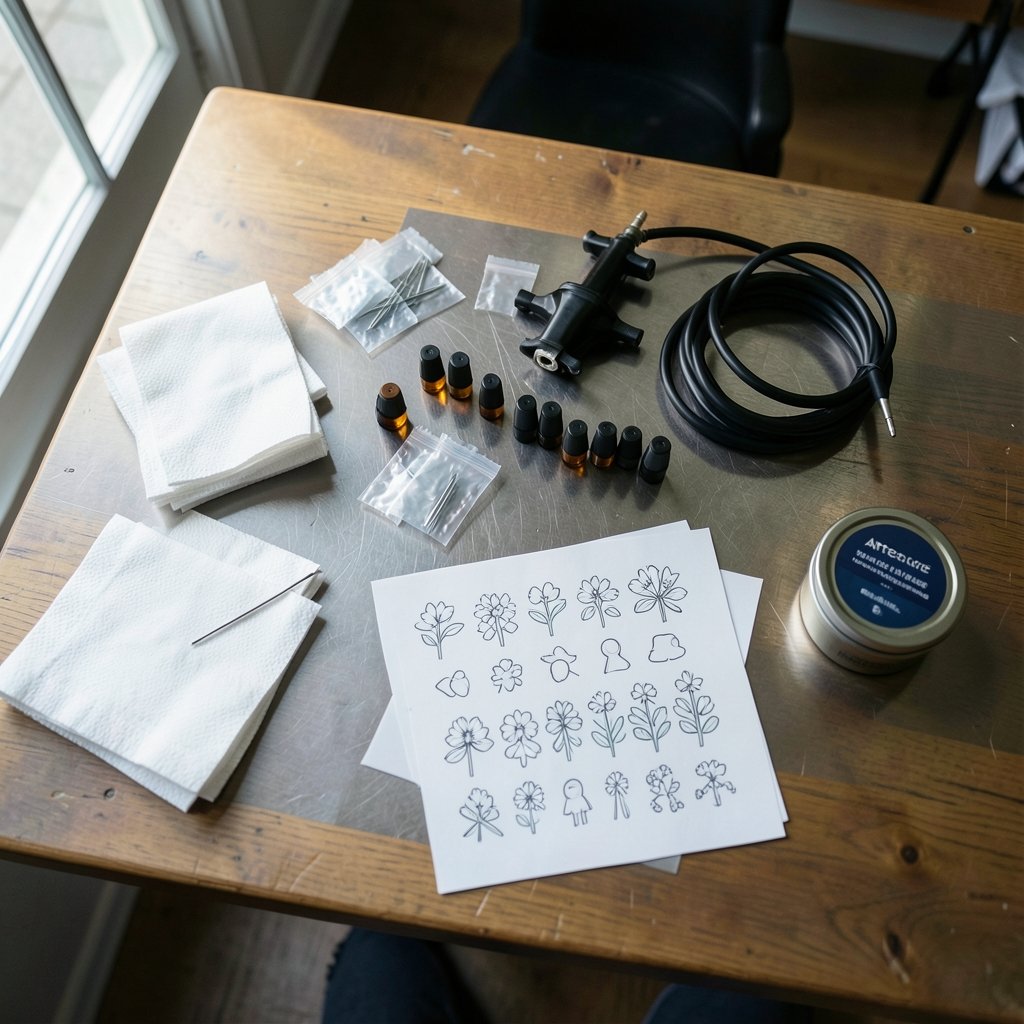
Family tattoos turn something invisible into something you can see every day. That pull is strong: a 2023 Pew Research Center survey found that 32% of American adults have at least one tattoo, and among them, family and memorial themes rank among the most requested categories in studios. Walk into any tattoo shop on a Saturday and you will likely see someone getting a grandmother’s handwriting, a sibling’s birth flower, or a set of tiny matching symbols with a parent. The appeal makes sense. A tattoo is permanent, portable, and personal, which is exactly what family is supposed to be. (Tattoo)
But permanent is the word that deserves the most attention. Family tattoos are emotionally easy to say yes to and technically harder to get right than most people expect. Sizing, placement, aging skin, matching designs across relatives, and the awkward question of what happens when a family changes are all real issues. This guide covers what works in practice, what commonly goes wrong, and how to plan a piece you will still love in twenty years.
What Counts as a Family Tattoo?
The category is broader than most people assume. A family tattoo can be any design built around kinship, and it usually falls into one of a few buckets:
| Type | What It Looks Like | Typical Wearer |
|---|---|---|
| Memorial | Dates, names, portraits, handwriting | Adults honoring a lost relative |
| Matching group | Same or mirrored symbol across relatives | Siblings, parent-child pairs, cousins |
| Heritage | Cultural patterns, flags, script, motifs | People reconnecting with roots |
| Symbolic | Birth flowers, constellations, line-art figures | Parents with children’s birth data |
| Generational | Designs repeated across decades | Families with an existing tattoo tradition |
Tattooing itself is ancient. Ötzi the Iceman, a mummy roughly 5,300 years old, carries dozens of small line tattoos, which shows how long humans have marked skin with meaning. What is modern is the family framing: the idea that a tattoo should encode a specific relationship rather than a general identity. That shift matters, because it changes what makes a design successful. A tattoo that stands for “who I am” can be abstract. A tattoo that stands for “who we are” has to work for everyone involved.
Why Family Tattoos Are So Popular Right Now

Several forces are pushing family tattoos into the mainstream. Social platforms reward visible, shareable designs, and a matching sibling tattoo photographs beautifully. Tattoo removal technology has improved, which lowers the perceived risk of a decision people once considered irreversible. And the broader normalization of tattooing in workplaces means fewer people worry about covering up.
There is also a quieter reason. Families are more geographically scattered than in past generations, and a shared mark functions as a low-maintenance ritual of connection. You do not have to live in the same city to share a symbol. That practicality is part of why the trend has staying power rather than being a brief fad.
The Designs That Actually Hold Up
Design durability is the single most underrated factor in family tattoos. Trends fade, but skin also changes: it stretches, sags, and thins over decades. A design that looks crisp at 25 can look muddy at 55 if it was built wrong.
Lettering and handwriting
Handwriting tattoos, where a relative’s actual script is transferred to skin, are among the most emotionally powerful options and among the most technically demanding. Thin pen strokes do not translate directly to needles. A good artist will thicken the letterforms slightly so they remain legible as lines naturally spread over time. The common mistake here is choosing a signature that is too small or too faint. If the original is a light pencil scrawl, expect the artist to rebuild it.
Birth flowers and birth data
Birth flowers, birthstones, and constellation charts let families encode multiple people in one cohesive piece. A parent might stack three flowers for three children; siblings might each take their shared month’s flower. These designs age well because they use organic shapes rather than fine text. The practical tip: agree on a consistent style before anyone books. One sibling getting a watercolor peony while another gets a bold traditional rose produces a set that looks unrelated.
Line-art figures and minimalist symbols
Tiny minimalist tattoos are popular and risky in equal measure. Very small, very fine work can blur within a few years, especially on hands, fingers, and feet where skin regenerates quickly. If the design matters to you, give it room. A slightly larger minimalist piece will outlast a micro tattoo by a wide margin.
Heritage and cultural patterns
Cultural and heritage designs carry real weight, and they deserve research rather than borrowing. Specific patterns, symbols, and placement rules belong to particular traditions, and many have protocols about who may wear them and how. The respectful approach is to learn the meaning first, ideally from community sources, and to be honest with the artist about what you do and do not know. This is one area where “it looked cool online” is a genuinely poor starting point.
Matching Tattoos: What Works and What Goes Wrong
Matching family tattoos are appealing and surprisingly easy to mismanage. A few practical rules make the difference.
- Agree on the concept, not the exact image. Mirrored halves of a symbol, the same motif in different sizes, or a shared element with personal additions all read as a set without forcing identical work.
- Let each person choose placement. A design that sits well on a forearm may not suit a shoulder or an ankle. Placement flexibility keeps the group cohesive and each tattoo wearable.
- Book with the same artist when possible. Style consistency is what makes a set look intentional. Different artists interpret the same reference very differently.
- Set a realistic timeline. Group sessions are logistics puzzles. Trying to get five relatives tattooed in one afternoon usually produces rushed work and stress.
- Handle the opt-out gracefully. Not everyone wants a tattoo, and pressure produces regret. A family mark should be an invitation, not a test of loyalty.
Placement, Aging, and the Long View
Placement decisions drive how a family tattoo ages more than almost anything else. High-friction areas such as palms, fingers, and feet fade fastest. Sun-exposed areas such as forearms and ankles fade faster than covered areas such as the upper back or ribs. If longevity is the priority, choose a spot that sees less sun and less abrasion, and commit to sunscreen. Daily sun protection is the cheapest tattoo preservation available.
Size matters too. Fine detail needs space. A design with five names, two dates, and a portrait crammed into a two-inch space will lose legibility. Artists commonly advise scaling up rather than simplifying away the details that gave the piece its meaning. Ask directly: “Will this still read clearly in fifteen years?” A good artist will answer honestly, and sometimes the answer is to redesign.
The Practical Side: Cost, Pain, and Aftercare
Family tattoos are often bigger and more detailed than impulse tattoos, which affects both budget and planning. Costs vary widely by artist, city, and complexity, and group bookings multiply the total. It is worth budgeting for a consultation before committing, because a good consultation often changes the design for the better. (Tattoos: Understand risks and precautions)
Pain is individual and placement-dependent. Bony areas and areas with thin skin tend to hurt more; fleshy areas tend to hurt less. Group sessions can help here, since company distracts. Aftercare is unglamorous but decisive: keep the piece clean, follow the artist’s written instructions exactly, avoid soaking it, and resist the urge to pick at scabbing. Infection and patchy healing are the two most common causes of a tattoo that needs expensive fixing later.
One more practical note: verify hygiene. Licensing rules vary by jurisdiction, and asking about sterilization practices is normal and welcome in a professional studio. If a shop is evasive about equipment or licensing, that is your answer.
Common Mistakes to Avoid
Most family tattoo regrets trace back to a handful of avoidable choices. Getting a design too small for its detail is the classic error. Choosing an artist on price alone is another; cover-ups and laser sessions cost far more than the difference between a cheap tattoo and a good one. Rushing a group decision so everyone can book the same weekend leads to designs nobody fully loves.
There is also an emotional mistake worth naming: tattooing a relationship while it is in flux. Tattoos made in the middle of a conflict, or to prove loyalty during a rough patch, tend to age badly. The strongest family tattoos tend to commemorate something settled, whether that is a person, a tradition, or a bond that has already proven durable. Time is the cheapest filter available, and it costs nothing to wait a few months.
Conclusion
Family tattoos work best when emotion and planning meet in the middle. The feeling is the easy part; the craft is where pieces succeed or fail. Choose organic shapes over tiny text, scale designs up rather than cramming them down, agree on a shared style before anyone books, and treat sun protection as part of the commitment. Research heritage designs properly instead of borrowing them casually. And remember that the best family tattoo is not the one that matches most exactly, but the one each person would happily choose again on their own. Get the design, the artist, and the placement right, and you end up with something rarer than a trend: a mark that keeps its meaning.
Frequently Asked Questions
What is the best design for a family tattoo?
There is no single best design, but the most durable choices are organic shapes with room to breathe: birth flowers, constellations, line-art figures, and moderately sized lettering. Designs that age poorly tend to be very small, very detailed, or built from thin text. The right design depends on how many people it represents and where it will sit on the body.
How much do matching family tattoos usually cost?
Costs vary widely by artist, city, size, and complexity, and a group booking multiplies the total. As a planning approach, budget for a consultation first, then ask each artist for a per-piece estimate rather than a group guess. Detailed or multi-name designs cost more than simple symbols, and cover-ups of rushed work cost more than doing it right the first time.
Do family tattoos have to be identical to count as matching?
No. Many families use a shared concept rather than an identical image: mirrored halves of one symbol, the same motif at different sizes, or a common element with personal additions. This approach usually produces better results because each person can choose a placement and scale that suits their body and lifestyle while the set still reads as connected.
How do I keep a family tattoo from fading?
Sun exposure and friction are the main causes of fading. Choose a placement that sees less sun and abrasion, apply sunscreen daily once healed, and follow the artist’s aftercare instructions precisely during healing. Very fine, small work fades fastest regardless of care, so design decisions made before the appointment matter as much as maintenance afterward.
Is it appropriate to get a tattoo from a culture I was not raised in?
This requires care rather than a blanket yes or no. Many patterns and symbols carry specific meanings and protocols about who may wear them. The respectful path is to research the origin and meaning first, learn from community sources rather than aesthetic roundups, and be transparent with your artist about your connection, if any, to the tradition.
What should I do if a relative backs out of a matching tattoo?
Let it go without pressure. A family mark should be an invitation, not a loyalty test, and coerced tattoos are a reliable source of regret. Practical alternatives exist: the remaining group can adjust the design, keep a shared element that still works, or the hesitant relative can contribute in another way, such as choosing the motif or coming along for support.