
Sister Tattoos: Designs, Placement & What Works in 2026
 Abdul WadoodLast updated
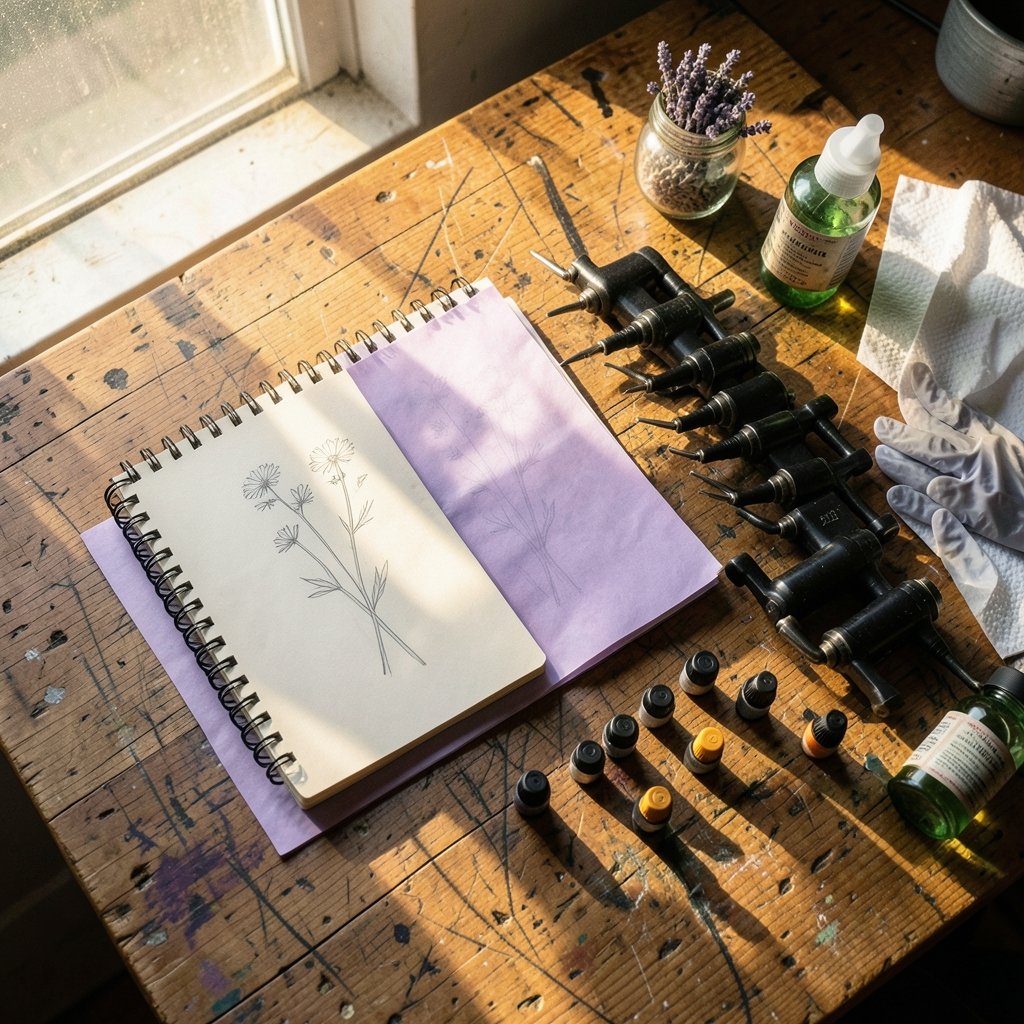
Roughly a quarter of adults in the United States have at least one tattoo, and a growing share of them got inked with someone else. Matching and complementary tattoos have moved from a niche gesture to a mainstream way for siblings to mark a bond. Sister tattoos sit at the center of that shift: part keepsake, part promise, part inside joke rendered in ink.
The appeal is easy to understand. A tattoo outlasts a shared childhood bedroom, a cross-country move, and the inevitable arguments over who gets the good armchair from Mom’s house. But a permanent matching design also comes with real decisions. Two people have to agree on the artwork, the artist, the placement, and the budget, and they have to live with the result for decades. This guide walks through what works in practice, what tends to go wrong, and how to plan a sister tattoo that both people still love ten years down the line. (Tattoo)
What Counts as a Sister Tattoo?
The term is informal. It covers any tattoo that two or more sisters share, whether the ink is identical, mirrored, split across two bodies, or linked by a theme rather than an exact match. The sisterhood in question does not have to be biological. Many people get these tattoos with stepsisters, half-sisters, childhood best friends, or chosen family, and the tattoo world generally treats “sister” as a relationship label rather than a genetic one.
Three broad formats dominate:
| Format | How It Works | Best For |
|---|---|---|
| Identical | The same design, size, and placement on both people | Simple linework, small symbols, initials |
| Mirrored | The same design flipped, so the two tattoos face each other | Hearts, arrows, florals, script |
| Complementary | Two designs that only make sense together (half a heart, two halves of a phrase) | Couples-style designs, inside jokes, shared milestones |
Each format has trade-offs. Identical tattoos are the easiest to coordinate but leave less room for individual taste. Complementary designs feel more personal but depend on both artists executing the same style, which is harder than it sounds when two sisters live in different cities.
Why Sisters Choose Matching Ink
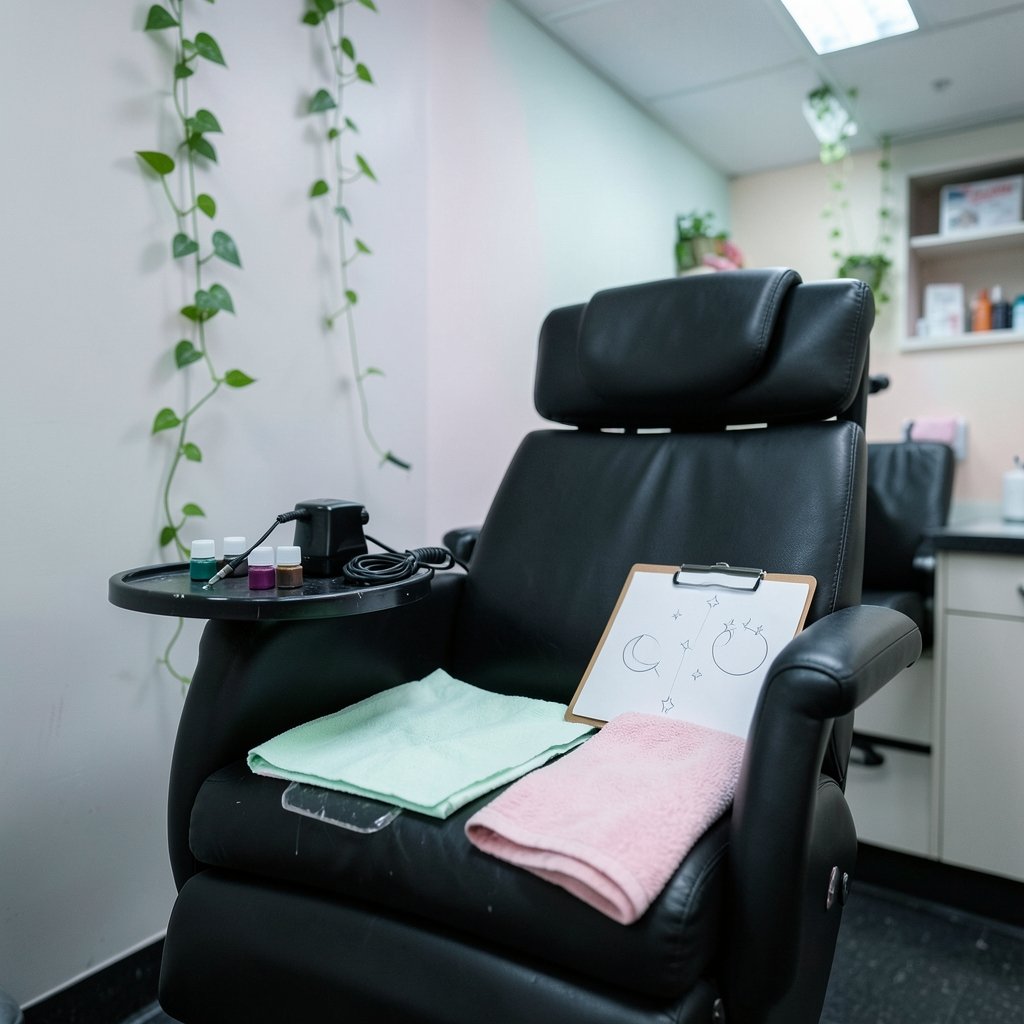
The motivations tend to cluster around a few themes. Shared history is the big one: a childhood home, a family tradition, a parent’s handwriting, a phrase one sister said so often it became a family joke. Milestones come second, including graduations, weddings, births, and the death of a family member. Distance is a quieter driver. Sisters who live far apart often describe a matching tattoo as a way to carry each other physically, especially when visits are rare.
There is also a social dimension. Tattoos have shed much of their old stigma, and body art now functions as a normal form of self-expression rather than a rebellion marker. That shift makes family tattoos feel less like a bold statement and more like a natural way to document a relationship, similar to a shared piece of jewelry that never comes off.
How to Choose a Design That Ages Well
The single biggest regret people report about sister tattoos is not the meaning. It is the execution. Designs that look crisp on a phone screen can blur, fade, or lose definition as skin changes over decades. A few practical rules help.
Favor bold lines over fine detail
Fine-line tattoos are popular, and they photograph beautifully. They also tend to fade faster and blur sooner, particularly on hands, fingers, and feet. If two sisters want a design to still read clearly in twenty years, thicker outlines and higher contrast age better than delicate single-needle work.
Keep text short and spelling-checked
Script tattoos are a classic sister choice, and a classic source of heartbreak. Names, dates, and phrases should be proofread by both people, then proofread again by the artist. Short beats long. A single word or a date will stay legible; a full sentence in a cursive font often will not.
Choose a symbol with a clear silhouette
Symbols that read instantly, like a crescent moon, a small bird, a sprig of lavender, or a simple geometric shape, hold up better than complex illustrations. If the design needs explanation to be recognized, it will be even harder to recognize once the ink has softened.
Avoid trends you will see everywhere in five years
Trend cycles move fast in tattoo culture. A design that feels fresh this year can feel dated by the time the second sister books her appointment. The safer approach is to anchor the tattoo in something personal, then let the style follow current taste without being defined by it.
Placement: Where Sister Tattoos Work Best
Placement is where practical reality meets sentiment. The most popular spots are the inner wrist, forearm, ankle, ribcage, shoulder blade, and behind the ear. Each has strengths and weaknesses.
- Inner wrist and forearm: Easy to see and show off, easy for an artist to work on, and simple to cover with a watch or sleeve. The wrist is also a high-friction area, so fine detail fades faster there.
- Ankle: Discreet and classic, but shoes and socks rub the area constantly, which speeds fading.
- Ribcage and shoulder blade: Good for larger or more private designs, though ribs are among the more painful spots.
- Behind the ear: Small and subtle, but the space limits design complexity.
- Finger and hand: Trendy and highly visible, but these areas fade fastest and often need touch-ups.
A useful rule of thumb: the more a body part rubs against clothing, sunlight, or water, the faster the tattoo will soften. Sisters who want their designs to stay sharp should favor the upper arm, shoulder, or back over hands and feet.
Planning the Appointment Without the Drama
Two people, one design, and two calendars is a recipe for friction if nobody plans. The sisters who come out happy tend to follow a similar sequence.
- Agree on the concept before either person books. Decide the format (identical, mirrored, or complementary), the rough size, and the placement. Vague agreements collapse in the chair.
- Pick one artist for both tattoos if possible. A single artist guarantees consistent line weight and style. If distance makes that impossible, ask the first artist to send reference photos and line notes to the second.
- Book back-to-back sessions. Getting tattooed on the same day, even in different cities, makes the experience feel shared.
- Budget for both the tattoo and the tip. Tattoo pricing varies widely by city, artist reputation, and size, and a customary tip on top is standard practice.
- Follow aftercare instructions exactly. A beautiful matching tattoo that heals badly is a matching disappointment.
One common mistake: sisters who split a design without checking how it will look on two different bodies. A half-heart that sits perfectly on one person’s shoulder may land awkwardly on the other’s, depending on muscle shape and bone structure. Artists can adjust scale and rotation, but only if they see both people or clear photos of both placements.
The Pain Question, Answered Honestly
Pain is the topic that comes up first in most sister-tattoo conversations, usually as a joke and occasionally as a genuine worry. The honest answer is that it depends on placement and individual tolerance more than on the design. Fleshy areas like the upper arm and outer thigh hurt less than bony or thin-skinned areas like the ribs, sternum, ankle, and inner wrist. Sessions for small matching designs typically run under an hour, which keeps the experience manageable even for first-timers.
Sisters with very different pain thresholds should not feel obligated to choose the same spot. A mirrored design still works if one tattoo sits on a shoulder and the other on a forearm. The connection comes from the artwork, not from matching coordinates.
When Sister Tattoos Go Wrong
Not every matching tattoo ends in a happy photo. The failure modes are predictable enough to plan around.
The design is too trendy. A tattoo chosen because it was everywhere on social media can feel embarrassing a few years later. Personal meaning outlasts fashion.
One sister backs out. This happens, and it stings. The best defense is to treat the plan as flexible until both appointments are booked. A sister who hesitates is telling you something.
The artist is chosen for price alone. Cheap work is expensive to fix. Removal and cover-ups cost far more than a good original tattoo, and cover-ups are limited by what is already on the skin.
The meaning shifts. Relationships change. A tattoo tied to a specific moment in a relationship can feel complicated if that moment sours. Designs that celebrate the bond in general terms tend to age better than designs tied to a single event or a specific inside joke that only two people understand.
A Note on Meaning and Permanence
Tattoos have served as markers of identity, belonging, and memory across many cultures for thousands of years, and the modern family tattoo is a continuation of that long tradition rather than a new invention. What has changed is accessibility. Better hygiene standards, wider social acceptance, and a booming studio scene have made matching ink a realistic option for far more people than a generation ago.
That accessibility is worth taking seriously. A tattoo is a medical procedure performed on living skin, and reputable studios follow strict hygiene protocols. Anyone booking a sister tattoo should confirm that the studio uses single-use needles, sterilized equipment, and proper aftercare guidance. A cheap deal is never worth an infection.
For sisters who want to document the process, photographing the design sketches, the appointment, and the healed result makes a nice record, and many people share that story through creative platforms and personal blogs. Sites like Voozon cover culture and lifestyle topics where personal stories like these fit naturally. (Psychology Topics)
Conclusion
Sister tattoos work best when sentiment and practicality get equal billing. The designs that survive decades tend to be simple, boldly lined, and anchored in something the sisters genuinely share rather than something that merely looked good on a screen. Placement matters as much as meaning, because skin on a wrist or a finger will fade faster than skin on a shoulder or a back. And the planning itself, from agreeing on a concept to booking back-to-back sessions, is part of the experience.
The bottom line: choose a design you would still like if the trend disappeared tomorrow, pick an artist you trust over one you can afford, and treat the whole thing as a shared project rather than a surprise. Done that way, a sister tattoo becomes what it is supposed to be, which is a small permanent reminder that someone has known you longer than almost anyone else.
Frequently Asked Questions
What is a sister tattoo?
A sister tattoo is any tattoo shared by two or more sisters, whether the design is identical, mirrored, or complementary. The term is informal and also covers matching tattoos between close friends or chosen family. The defining feature is the shared design and the relationship it marks, not a specific style or placement.
Do sister tattoos have to match exactly?
No. Identical designs are only one option. Many sisters choose mirrored designs that face each other, or complementary designs that form a complete image when viewed together. Some pairs skip matching artwork entirely and instead get tattoos in the same style, color palette, or size on corresponding body parts.
How much do sister tattoos cost?
Costs vary widely by city, artist experience, design size, and complexity. Small matching designs typically cost less than larger custom pieces, and a customary tip is usually added on top of the quoted price. Because pricing is set by individual studios, sisters should request quotes from each artist before committing.
Where should a sister tattoo go?
The upper arm, shoulder, forearm, and back are popular because they hold ink well and are easy to cover. Wrists and ankles are common but fade faster due to friction. Hands, fingers, and feet fade fastest of all and often need touch-ups, so they work better for people who accept ongoing maintenance.
Do sister tattoos hurt?
Pain depends mostly on placement and individual tolerance. Fleshy areas like the upper arm hurt less than bony or thin-skinned areas like the ribs, sternum, and ankle. Small matching designs usually take under an hour, which keeps the session manageable even for people getting their first tattoo.
What should sisters do if one of them backs out?
Treat the plan as flexible until both appointments are booked. A sister who hesitates is usually signaling doubt, and pressuring her rarely ends well. Some pairs resolve this by choosing a smaller, simpler design, while others let the idea rest and revisit it later when both people feel ready.