
Hand Tattoos for Men: Essential Guide Before You Commit
 Abdul WadoodLast updated
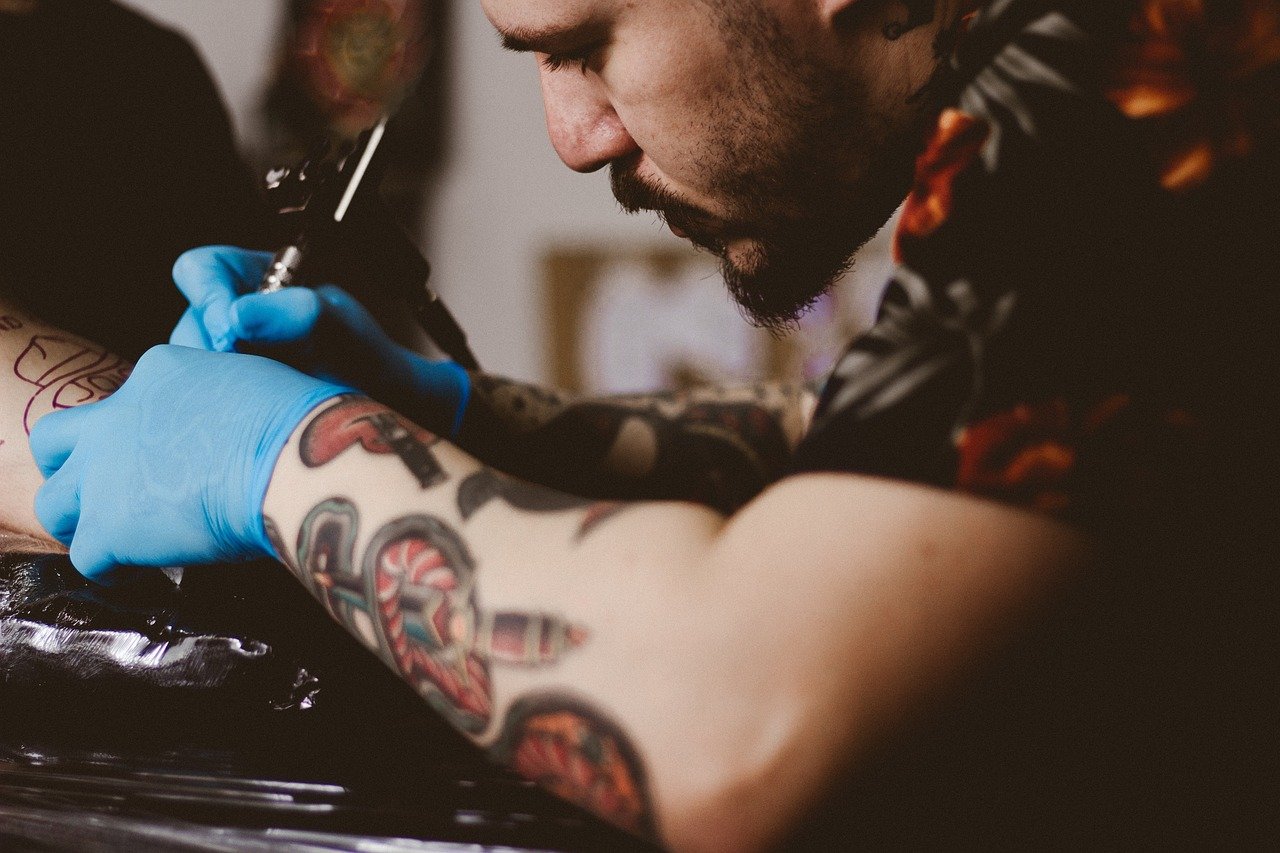
Roughly a third of American adults now have at least one tattoo, yet hand tattoos remain a different category altogether. They sit in the most visible real estate on the body, they age faster than almost any other placement, and they still raise eyebrows in plenty of workplaces. For men considering ink on the back of the hand, knuckles, or fingers, the decision involves far more than picking a design they like on a Friday night. It is a long-term commitment to visibility, maintenance, and a certain amount of social friction. This guide walks through what actually matters: design choices, pain, healing, cost, career implications, and the mistakes that send people back to a laser clinic years later.
Why Hand Tattoos for Men Carry Extra Weight
A hand tattoo is impossible to hide with a sleeve. That single fact shapes everything about the decision. A chest piece or thigh tattoo lives in a private zone; a hand tattoo is part of a man’s public face. People notice it in handshakes, in job interviews, at school pickup, and in every photograph.
That visibility cuts both ways. Many men choose hand ink precisely because it signals confidence and a refusal to hide. Others underestimate how often they will be asked about it, judged for it, or asked to cover it. The practical advice from heavily tattooed people tends to be consistent: get the rest of your body tattooed first, live with visible ink on your forearm for a year or two, and only then decide whether the hand is right. If a forearm tattoo still feels like a big deal, a hand tattoo will feel enormous. (Tattoo)
There is also a durability issue. Skin on the hands and fingers regenerates quickly, gets constant sun exposure, and takes a beating from washing, work, and friction. Lines blur, small details close up, and ink fades faster here than almost anywhere else on the body. That is not a reason to avoid hand tattoos. It is a reason to design for them rather than against them.
Design Choices That Actually Hold Up
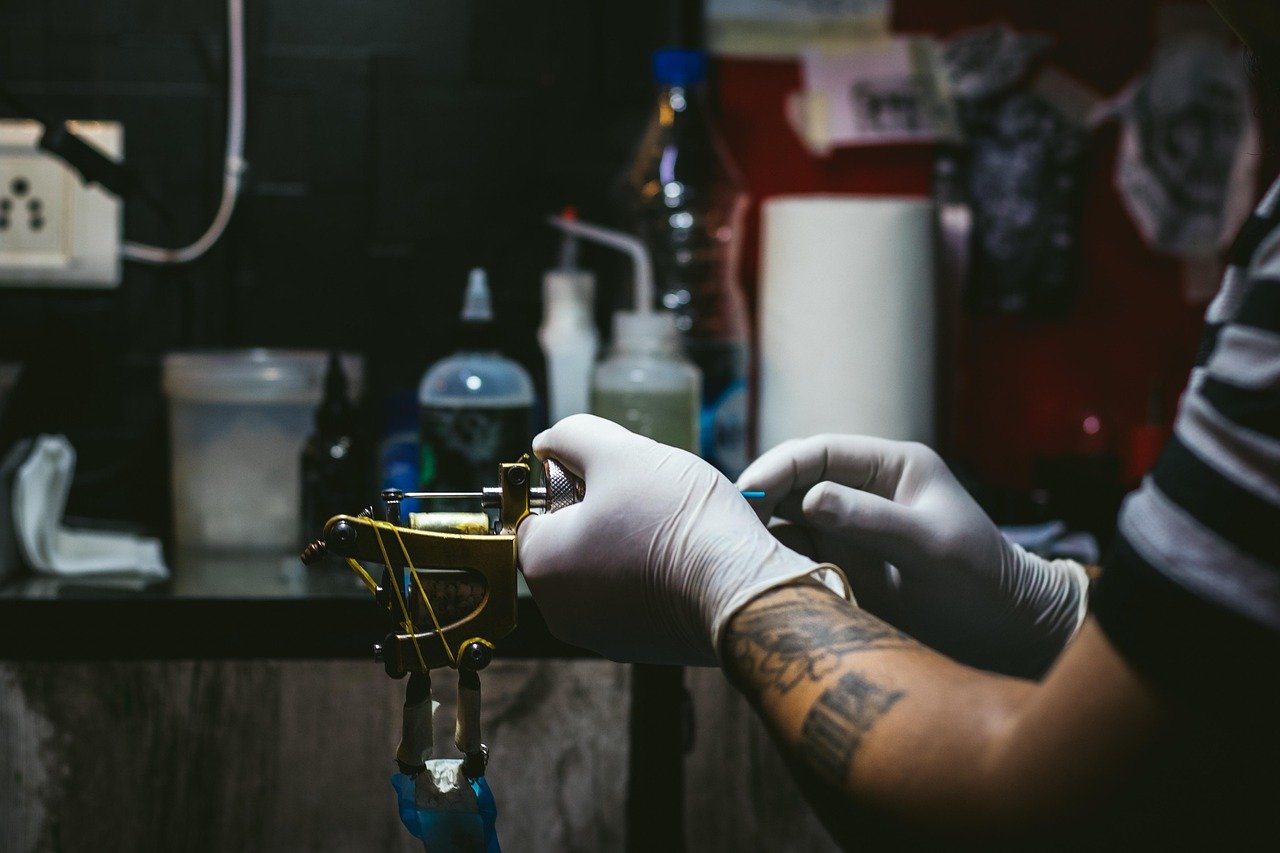
The best hand tattoos for men share a few traits: bold shapes, high contrast, and no reliance on tiny detail. Fine line work looks stunning in a fresh photo and often looks muddy within a few years on a knuckle.
Classic Styles for the Hand
| Style | Why It Works on Hands | Watch-Outs |
|---|---|---|
| Traditional and neo-traditional | Thick outlines, solid color, reads clearly at a distance | Needs a skilled artist; cheap versions look flat |
| Blackwork and geometric | Strong contrast, ages gracefully | Fine linework blurs; keep shapes large |
| Lettering and script | Personal, direct, popular for knuckles and fingers | Small fonts bleed together over time |
| Minimal symbols | Small commitment, easy to extend later | Can look unfinished if placed awkwardly |
| Ornamental and mandala | Flows with the hand’s anatomy | Demands precise placement and symmetry |
Placement Matters More Than the Design
The back of the hand is the most common placement, and it is also the most visible. Knuckle tattoos spell words or symbols across four fingers and are famously unforgiving: each letter gets a small canvas, and healing is rough because fingers bend constantly. Side-of-hand and wrist-adjacent placements are slightly easier to cover with a watch or sleeve. Finger tattoos, especially on the sides, are among the fastest-fading placements on the entire body and often need touch-ups within a year. (Tattoos: Understand risks and precautions)
A practical rule: the closer to the fingertips, the faster the fade. If a man wants longevity, he should keep the heaviest ink on the back of the hand and treat fingers as accents rather than the main event.
Pain, Sessions, and What Healing Really Looks Like
Hand tattoos hurt. The skin is thin over bone and packed with nerve endings, and the back of the hand, knuckles, and fingers are routinely ranked among the more painful placements. Most people describe knuckles as sharp and intense rather than unbearable, but the discomfort is real, and sessions over bone tend to be shorter because the skin cannot take as much work at once.
Healing is where hand tattoos separate themselves from the rest. Hands are washed dozens of times a day, exposed to sun, and used for everything. Ink can drop out during healing, particularly on knuckles and fingers, and a touch-up session is common rather than exceptional. A sensible aftercare routine looks like this:
- Keep the fresh tattoo clean with fragrance-free soap and lukewarm water, twice daily.
- Pat dry with a clean paper towel rather than a shared cloth.
- Apply a thin layer of recommended ointment; thick layers trap bacteria.
- Avoid soaking, swimming, and saunas for the first two weeks.
- Keep the hand out of direct sun and use sunscreen once fully healed.
- Expect at least one touch-up on knuckles and fingers, and budget for it.
Sun protection is not optional. Ultraviolet light is the single biggest cause of tattoo fading, and hands catch sun all year. A high-SPF sunscreen on a healed hand tattoo is the cheapest maintenance a man can buy.
What Hand Tattoos Cost in Practice
Pricing varies enormously by city, artist reputation, and complexity, but hand tattoos are rarely cheap. Because the placement is visible and technically demanding, many artists charge their standard hourly rate or a shop minimum that reflects the difficulty. Small knuckle lettering might be priced as a flat fee, while a full back-of-hand piece can run into several sessions.
The hidden cost is maintenance. Touch-ups, sunscreen, and the occasional laser consultation for a design that did not age well all add up. Men who regret hand tattoos most often point to the same cause: they chose a design that was too detailed, too small, or too trendy, and it did not survive the skin.
Careers, Rules, and the Visibility Question
Workplace attitudes toward visible tattoos have loosened considerably, but they have not disappeared. Customer-facing roles, some government and military positions, and certain healthcare settings still maintain appearance policies, and a hand tattoo is the hardest kind to conceal. The honest advice is to check the written policy of any employer or profession a man is serious about before booking the appointment. Policies change, but a tattoo does not.
There is a broader cultural shift worth noting. Tattooing has moved from a subculture marker to a mainstream practice, and the history of tattooing shows how often body art has cycled between stigma and acceptance. That context helps, but it does not override a specific employer’s dress code.
Safety deserves the same seriousness. Tattooing breaks the skin, and the U.S. Food and Drug Administration notes that tattoo inks can carry risks including infections and allergic reactions, and that ink regulation is limited. Choosing a licensed, hygienic studio is not a formality. Ask about sterilization, single-use needles, and ink sourcing. A cheap hand tattoo from an unlicensed artist is a bad trade.
Common Mistakes Men Make With Hand Tattoos
The same errors come up again and again, and most are avoidable with a little patience.
- Going too small and too detailed. Tiny script and fine lines blur on hands faster than anywhere else. Bold wins.
- Skipping the trial run. Drawing the design on with marker and living with it for a week reveals placement problems before they are permanent.
- Ignoring the artist’s portfolio. Look specifically for healed hand work, not fresh photos. Fresh ink flatters everyone.
- Rushing the decision. A hand tattoo is visible in every job interview for the rest of a man’s life. A month of reflection costs nothing.
- Neglecting aftercare. Poor healing is the top cause of patchy, faded hand tattoos.
- Forgetting the sun. Years of unprotected exposure undo good work faster than bad technique.
There is a psychological angle too. Research on how people judge tattooed individuals suggests appearance-based snap judgments are real but often small and context-dependent. Knowing that helps a man prepare for questions and comments rather than be surprised by them.
Choosing the Right Artist and Studio
Not every talented tattooer is good at hands. The placement requires confidence, speed, and an understanding of how skin on the hand behaves. When vetting an artist, ask directly how many hand tattoos they have done and request healed examples. Look at line quality in older photos, rather than only the crisp fresh shots that dominate social media.
Studio hygiene matters as much as artistry. A reputable shop will happily show a portfolio, explain sterilization, and answer questions without defensiveness. If an artist pressures a walk-in client into a hand tattoo on the first visit, that is a warning sign, not a bargain.
Booking a consultation first is smart. A good artist will tell a client when a design will not work on a hand, and that honesty is worth more than a yes-man with a machine.
Aftercare and Long-Term Maintenance
Once healed, a hand tattoo needs modest but consistent care. Moisturize daily, use sunscreen whenever the hand is exposed, and avoid harsh scrubbing. Touch-ups every few years are normal for knuckles and fingers. Some men choose to extend the design over time into a fuller hand or sleeve piece, which can actually improve the look by giving the eye more to read.
The long view is worth stating plainly: a hand tattoo is a piece of permanent public design. Treated with respect, it can be striking, personal, and a genuine source of confidence. Treated casually, it becomes an expensive lesson.
Conclusion
Hand tattoos for men are bold, visible, and unforgiving of shortcuts. The men who end up happiest with theirs tend to share a few habits: they were already comfortable with visible ink, they chose bold designs over delicate ones, they picked an artist with proven healed hand work, and they took aftercare and sun protection seriously. None of that requires special talent. It requires patience, honest self-assessment, and a willingness to walk away from a design that will not survive the skin it is drawn on. For anyone weighing the decision, the best next step is simple: draw the design on, live with it for a week, and ask what it will look like in ten years. If the answer still feels right, the hand is ready.
Frequently Asked Questions
How much do hand tattoos for men usually cost?
Costs vary widely by city, artist, and size, but hand tattoos are rarely inexpensive because the placement is visible and technically demanding. Small knuckle lettering is often priced as a flat shop fee, while a full back-of-hand piece may span multiple sessions. Budget separately for at least one touch-up, since knuckles and fingers commonly need one.
Do hand tattoos fade faster than other tattoos?
Yes. Hands are washed constantly, exposed to sun, and subject to friction, and skin there regenerates quickly. Lines soften and small details close up faster than on the forearm, back, or thigh. Bold designs with strong contrast and minimal fine detail age far better than delicate, intricate work.
Are hand tattoos a problem for jobs?
It depends on the employer and the role. Workplace attitudes have loosened, but customer-facing roles, some government and military positions, and certain healthcare settings still have appearance policies, and hand ink is the hardest kind to conceal. Check the written dress code of any profession you are serious about before booking.
How painful is a hand tattoo?
Most people rank the back of the hand, knuckles, and fingers among the more painful placements because the skin is thin over bone and rich in nerve endings. Sessions tend to be shorter for that reason. The discomfort is usually described as sharp and intense rather than unbearable.
How long does a hand tattoo take to heal?
Surface healing typically takes two to three weeks, with deeper healing continuing for a month or more. Hands heal unevenly because of constant use and washing, and ink dropout on knuckles and fingers is common. Keep the area clean, moisturized, and out of the sun, and plan for a touch-up.
Can a hand tattoo be removed later?
Removal is possible with laser treatment, but hands are a difficult area. The skin is thin, sessions are painful, and complete removal is not guaranteed, especially with certain ink colors. Removal also costs considerably more than the original tattoo. Treat the decision as permanent and choose accordingly.