
Neck Tattoos for Men: Pain, Cost & Design Guide 2026
 Abdul WadoodLast updated
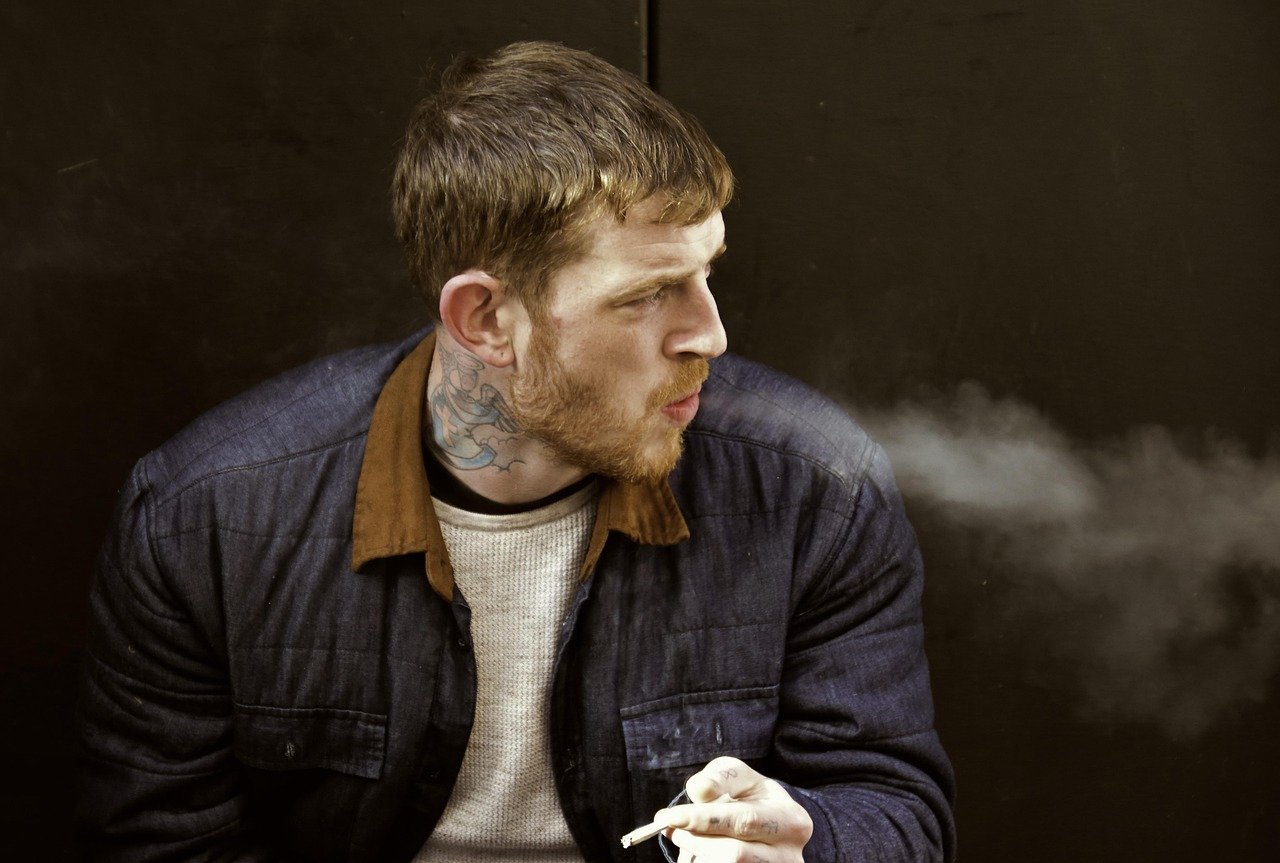
Roughly one in three American adults now has at least one tattoo, according to Pew Research Center, and a growing share of those tattoos sit somewhere visible. The neck is one of the last frontiers. It is bold, it is impossible to hide with a standard collar, and it forces a decision most people make only once. That combination is exactly why neck tattoos for men generate so much debate, so much regret, and so much genuinely great artwork. (A Brief History of Tattoos)
This guide covers what the placement actually involves: the pain, the price, the design choices that age well, the healing process, and the honest workplace math. No hype, no gatekeeping. Just the information a man needs before he books the chair.
Why the Neck Is a Different Kind of Tattoo
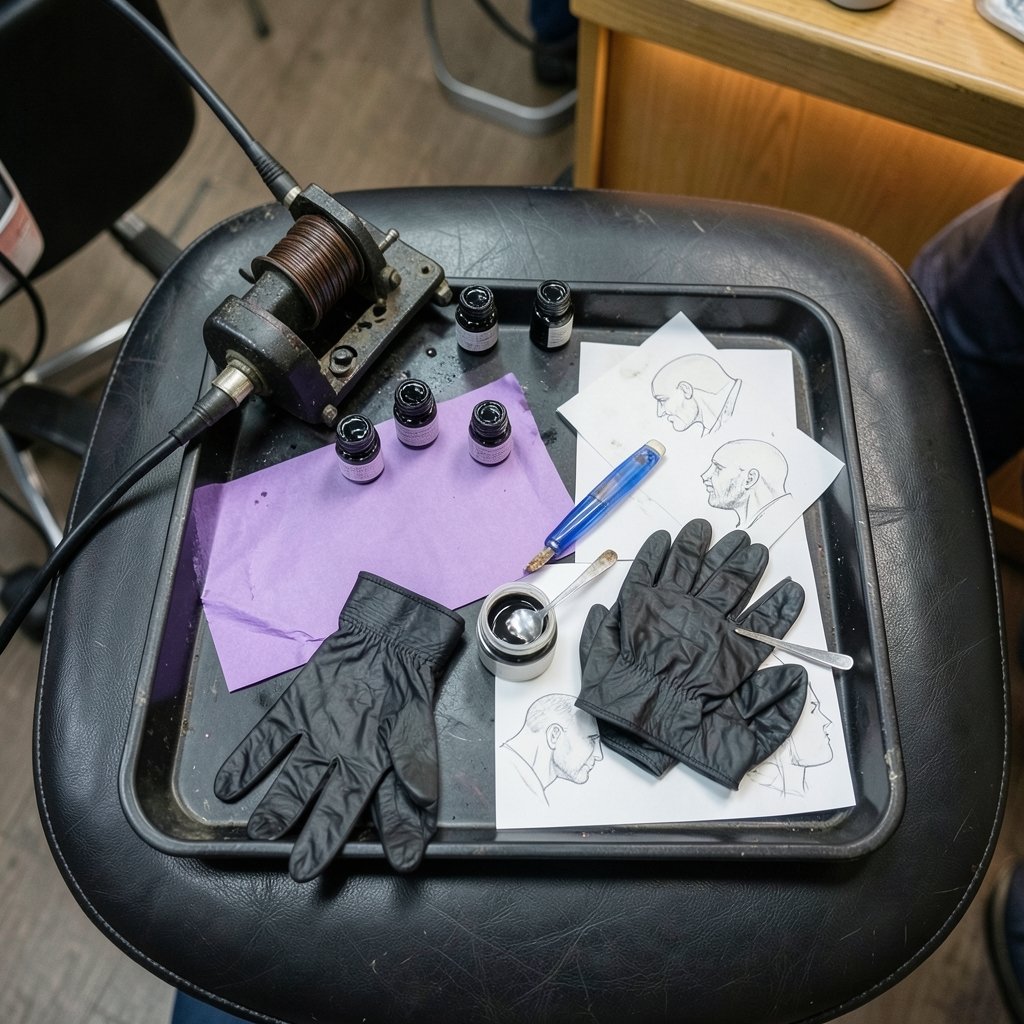
Most tattoos are a private decision with public consequences. A neck tattoo is a public decision from the first minute. It sits above the collar line, which means it is visible in a job interview, at a wedding, in a passport photo, and in every video call for the rest of your career.
That visibility cuts both ways. On one hand, it signals confidence and commitment. On the other, it removes options. A man with a forearm tattoo can wear long sleeves to a conservative meeting. A man with a neck tattoo cannot wear a turtleneck to every meeting for twenty years without someone noticing. (Tattoo)
The practical rule experienced artists repeat: get the neck piece after you are established, not before. Not because neck tattoos are inherently reckless, but because the placement works best as an addition to a body that already carries ink, not as a first tattoo.
Neck Tattoo Pain: What It Actually Feels Like


The neck has a reputation for pain, and it earns part of that reputation. The skin is thin, the area sits directly over bone and cartilage in places, and there are dense clusters of nerve endings. The side of the neck and the throat are generally reported as more painful than the back of the neck.
Here is a rough comparison based on common tattoo pain charts:
| Neck area | Relative pain | Why |
|---|---|---|
| Back of neck | Moderate | Thicker skin, more muscle coverage |
| Side of neck | High | Thin skin over muscle, nerve-dense |
| Throat | Very high | Delicate skin, constant movement, cartilage nearby |
| Collarbone edge | High | Bone close to the surface |
Pain is personal. Placement, session length, and the artist’s hand all matter more than any chart. A short outline on the back of the neck is a very different experience from a four-hour throat session. First-timers should not start here.
Choosing a Design That Still Works in Ten Years
Neck tattoos fail for predictable reasons: too much detail in too small a space, designs that fight the natural curve of the neck, and pieces that look striking in a mirror but chaotic in a photograph.
What tends to hold up:
- Bold, simple shapes. A single strong motif reads clearly from a distance and survives the skin’s natural changes over decades.
- Vertical orientation. The neck is tall and narrow. Designs that flow with that shape look intentional; wide horizontal bands often look cramped.
- Placement-aware composition. A throat piece should follow the throat’s centerline. A side-neck piece should sit slightly behind the jaw so it frames the face rather than colliding with it.
- Meaning over trend. Trends cycle fast. A design tied to something personal outlasts a style that peaks and fades.
Common motifs for men include script and lettering, geometric linework, animals (lions, wolves, snakes), religious iconography, and small minimalist symbols behind the ear. Large-scale Japanese and blackwork pieces also work well on the side of the neck when the artist designs specifically for the space.
A frequent mistake: bringing a design drawn for a flat canvas. A good artist redraws it for the neck’s cylinder shape. If an artist agrees to trace a phone screenshot straight onto the throat without adjustment, that is a warning sign.
What Neck Tattoos Cost
Price varies enormously by city, artist reputation, and complexity. In broad terms, small minimalist neck pieces typically start around the low hundreds of dollars, while large custom work from an in-demand artist can run into four figures per session.
| Scope | Typical range (USD) | Notes |
|---|---|---|
| Small minimalist symbol | $80–$250 | Often under an hour |
| Script or short lettering | $100–$300 | Depends on length and detail |
| Medium custom piece | $300–$800 | Two to three hours |
| Large side-neck or throat piece | $800–$2,000+ | Multiple sessions common |
Cheap neck tattoos are a false economy. The neck is one of the hardest placements to cover or rework later, and laser removal costs far more than the original tattoo. A reputable artist will also charge a minimum shop rate, so a tiny design is not automatically cheap.
Finding the Right Artist
Not every tattooer wants to work on necks, and that is worth respecting. Ask directly whether neck work is part of their regular practice. Look at healed photos as well as fresh ones. Fresh tattoos photograph well; healed ones tell the truth about linework and saturation.
During a consultation, a good artist will discuss placement relative to your jawline and hairline, how the design will look when you turn your head, and whether the piece should be built in stages. They will also ask about your job. That question is not nosiness. It is experience talking.
Healing a Neck Tattoo Without Wrecking It
Neck tattoos heal like any other tattoo, with one big complication: the area moves constantly. Turning your head, swallowing, sleeping on your side, and wearing a collar all stress fresh ink.
Practical steps that actually help:
- Keep the second-skin bandage on for the period your artist specifies, usually one to three days, then wash gently with fragrance-free soap.
- Sleep on your back for the first several nights. A pillow against the side of your head limits involuntary turning.
- Avoid tight collars, scarves, and hoodies during the first two weeks. Friction is the enemy.
- Skip the gym for a few days. Sweat and stretching are rough on a healing neck.
- Use a thin layer of recommended ointment, not a thick coat. Suffocating the skin causes problems.
- Do not pick or scratch. Flaking is normal; pulling flakes off takes ink with it.
Watch for spreading redness, heat, or pus, which can indicate infection and warrant a doctor’s visit. Most neck tattoos heal cleanly in two to four weeks, with deeper skin settling over a few months.
Neck Tattoos and the Workplace
This is where honesty matters most. Visible tattoos have become far more accepted in offices, retail, tech, and the trades than they were a generation ago. Many employers now have dress codes that address visible tattoos without banning them outright. But the neck still reads differently to some hiring managers than a forearm piece does.
The practical approach: research your industry before you commit. Customer-facing roles in finance, law, healthcare, and some government positions tend to be more conservative. Creative fields, hospitality, construction, and self-employment offer far more room. If you are unsure, ask people already working where you want to work.
Some men plan the neck piece around a milestone, such as after landing a permanent role or after moving into self-employment. Others simply accept that the tattoo is part of who they are and choose employers accordingly. Both are legitimate strategies. What rarely works is getting the tattoo first and hoping the question never comes up.
Cultural Context Worth Knowing
Neck and facial marking has deep roots in many cultures, from Pacific traditions to various Indigenous practices around the world. These are not the same as the modern Western neck tattoo trend, and conflating them is a common mistake in lifestyle writing. Understanding that history adds respect and context, and it is worth a few minutes of reading before choosing imagery that borrows from a tradition you do not belong to.
Common Mistakes Men Make With Neck Tattoos
- Starting with the neck. Most artists recommend building up to it.
- Choosing a design too small for the space. Tiny detail blurs over time.
- Ignoring the jawline. Placement relative to the face matters more than the design itself.
- Skipping the consultation. Neck work benefits from planning, not walk-ins.
- Underestimating aftercare. Movement and friction cause more healing problems here than anywhere else.
- Not asking about the artist’s comfort level. Enthusiasm from the artist is a good sign; reluctance is information.
For broader guidance on design, placement, and artist selection, resources like Voozon Media cover tattoo culture and style comparisons in more depth.
Conclusion
Neck tattoos for men are neither a badge of recklessness nor a requirement for toughness. They are a permanent, highly visible commitment that rewards planning. The men who end up happiest with theirs tend to share a few traits: they waited until the timing was right, they chose an artist who works on necks regularly, they picked a bold design built for the space, and they took aftercare seriously.
The pain is real but manageable. The cost is meaningful but predictable. The workplace question is the one that deserves the most thought, because it is the one you cannot undo with a shirt. Get those pieces right, and a neck tattoo becomes one of the most striking, personal pieces of art a man can wear.
Frequently Asked Questions
How painful is a neck tattoo compared to other spots?
The neck generally ranks among the more painful placements, especially the throat and the sides. The skin is thin, nerves are dense, and the area sits close to bone and cartilage. The back of the neck is more forgiving. Session length and the artist’s technique influence the experience as much as placement does.
How much should a neck tattoo cost?
Small minimalist pieces often start around $80 to $250. Medium custom work typically runs $300 to $800. Large throat or side-neck pieces can exceed $2,000 across multiple sessions. City, artist reputation, and complexity drive most of the variation, and most shops apply a minimum hourly rate.
Can a neck tattoo be covered up or removed later?
Cover-ups on the neck are possible but difficult because space is limited and the skin is delicate. Laser removal works but usually requires multiple sessions and costs considerably more than the original tattoo. This is the main reason artists encourage careful planning before committing.
Will a neck tattoo hurt my job prospects?
It depends heavily on the industry. Tech, creative fields, hospitality, and the trades are generally more accepting of visible tattoos. Conservative sectors such as finance, law, and some healthcare and government roles may still have stricter dress codes. Researching your specific field before booking is the practical move.
How long does a neck tattoo take to heal?
Surface healing typically takes two to four weeks, with deeper skin settling over two to three months. The neck moves constantly, so friction from collars and pillows is the main risk. Sleeping on your back and avoiding tight clothing during the first two weeks makes a real difference.
Should the neck be a first tattoo?
Most artists advise against it. The neck is highly visible, hard to cover, and less forgiving of design mistakes. Building up to it with other placements gives you a feel for pain tolerance, healing, and aftercare before committing to the most exposed spot on the body.