
White Tattoos: Fading, Cost & Aftercare Guide 2026
 Abdul WadoodLast updated
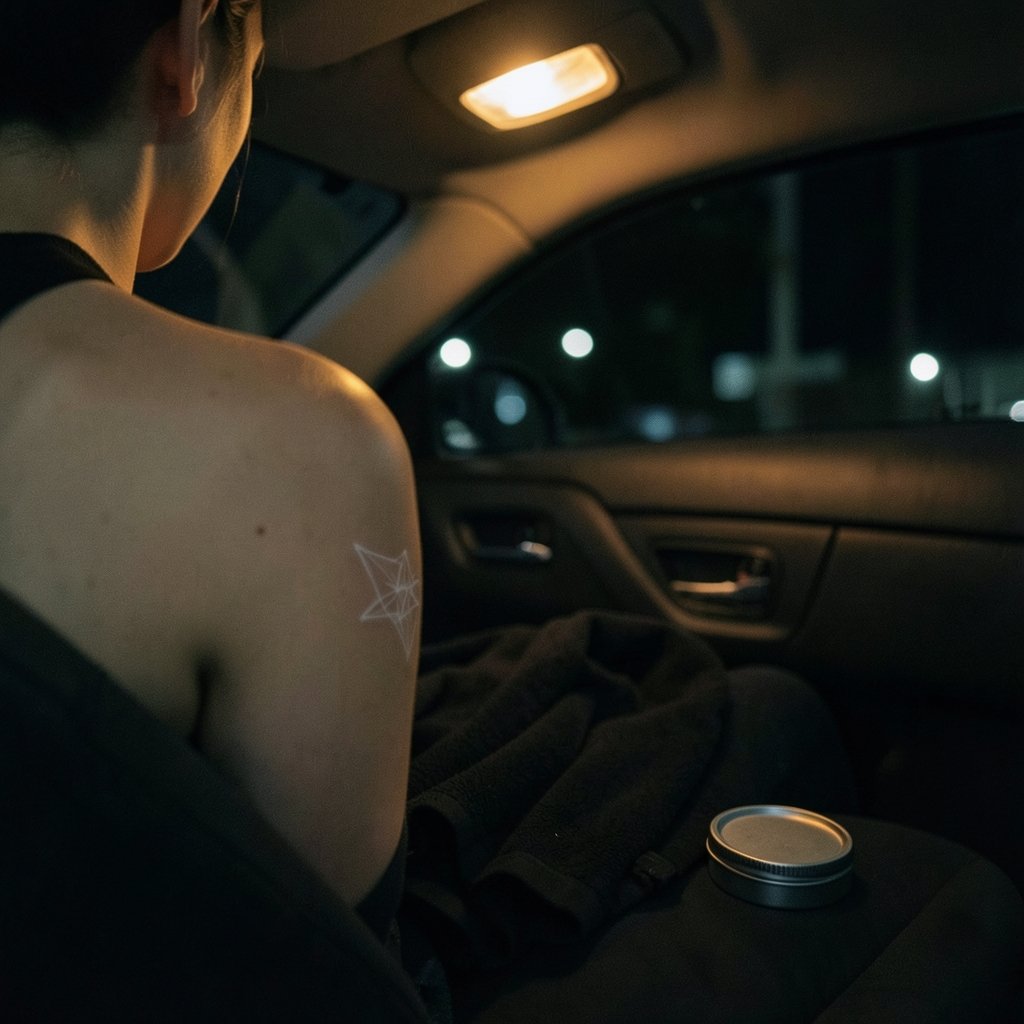
A white ink tattoo can look almost magical in the first few weeks: a ghost of a design that shows up only when the light hits it right. That novelty is exactly why search interest in white tattoos keeps climbing, especially among people who want body art they can hide under a shirt. But the same qualities that make white ink subtle also make it one of the most demanding pigments to live with. It fades faster than black, it can yellow over time, and on some skin tones it barely shows at all. This guide walks through how white tattoos actually behave, what they cost, how to care for them, and when a white tattoo is a smart choice versus a costly disappointment. (Tattoos and piercings: What to know)
What Is a White Tattoo, Really?
A white tattoo is body art made with white pigment instead of the usual black or colored inks. Most white inks rely on titanium dioxide or zinc oxide as the base pigment, the same minerals used in many sunscreens and cosmetics. That shared chemistry matters later, because those minerals react to light and to laser energy in specific ways.
There are two broad styles. Stark white tattoos use pure white ink on bare skin, creating a design that reads as a bright, almost chalk-like line. White-on-color tattoos place white ink over or beside darker pigments to create light accents, contrast, and depth. The second style is far more durable in appearance, because the white sits against a dark background that makes it pop.
White ink is also used for scar camouflage and for softening stretch marks, though results vary widely and depend heavily on skin tone and the age of the scar.
Why White Ink Behaves Differently From Black
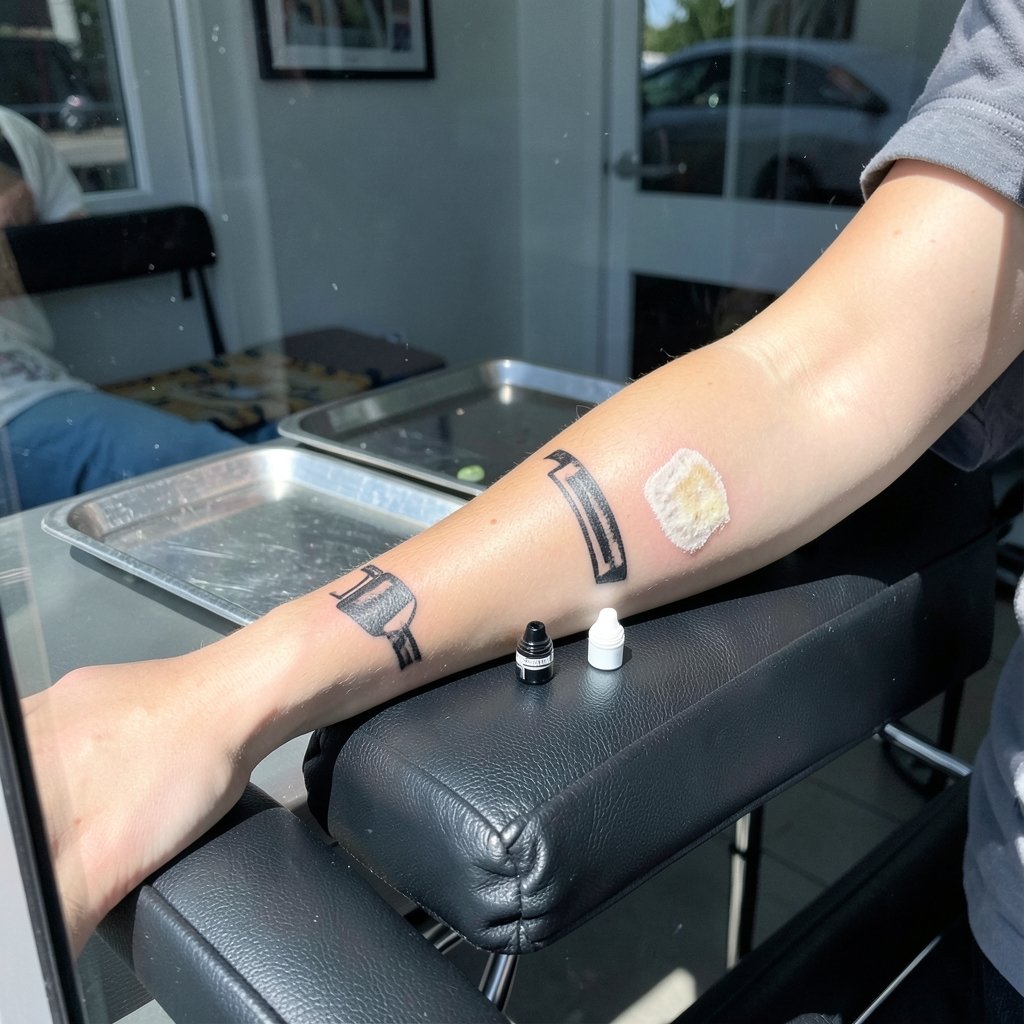
Black ink is carbon-based, stable, and famously stubborn. White ink is none of those things. Three factors explain the difference.
Particle size and pigment load. White pigments tend to be denser and are often packed with larger particles, which the body’s immune system gradually breaks down or carries away. That process is why white lines soften and blur sooner than black ones.
Contrast loss. White ink on pale skin has very little contrast to begin with. As the ink fades, the design doesn’t just get lighter, it gets mushier, losing the crisp edges that made it readable.
Sun exposure. Ultraviolet light degrades pigment and triggers melanin production around the ink. On sun-exposed areas like forearms, ankles, and shoulders, white tattoos can shift toward a creamy yellow within a few years.
The Yellowing Problem
Yellowing is the complaint tattoo artists hear most about white ink. It happens for two reasons. First, the ink itself can discolor as it breaks down. Second, a tan around and over the tattoo changes how the white reads against surrounding skin. A white tattoo on a person who tans heavily may look less like white ink and more like a pale scar. (Tattoo)
The practical fix is unglamorous but effective: sunscreen, every day, on the tattoo. A broad-spectrum SPF 30 or higher applied consistently does more to preserve a white tattoo than any aftercare product on the market.
White Tattoos Across Different Skin Tones
This is where expectations most often collide with reality. White ink does not perform the same way on every complexion.
| Skin tone | How white ink reads | Practical notes |
|---|---|---|
| Very fair | Low contrast, subtle, ghost-like | Can look beautiful but fades into skin fast; needs bold linework |
| Light to medium | Moderate contrast, visible in good light | Often the sweet spot for standalone white designs |
| Olive | Noticeable but can look ashy | Yellowing is more visible; sun protection is critical |
| Medium brown | High contrast, striking | White pops beautifully but requires careful healing |
| Deep brown to dark | Very high contrast, dramatic | White can look almost luminous; risk of patchy healing is higher |
On deeper skin tones, white ink can look striking because the contrast is so strong. The trade-off is that hypopigmentation (lightening of the skin) and patchy healing are more common, and artists need experience with the skin type to avoid overworking the area. Anyone with a darker complexion should seek out an artist with a portfolio of healed white work on similar skin, rather than relying only on fresh photos taken under studio lights.
How Much Do White Tattoos Cost?
Pricing follows the same logic as any tattoo: size, placement, detail, and the artist’s reputation. White ink itself isn’t dramatically more expensive, but touch-ups usually are more frequent, which raises the true lifetime cost.
| Factor | Typical range (USD) | What drives it |
|---|---|---|
| Small design (2–4 inches) | $80–$200 | Simple linework, minimal shading |
| Medium design (4–8 inches) | $200–$500 | Detail, shading, multiple sessions |
| Large piece (8+ inches) | $500–$1,500+ | Session hours, complexity |
| Touch-up session | $50–$150 | Often discounted or free within a window |
| Realistic 5-year cost | 1.5x to 2x initial quote | White ink needs more frequent refreshing |
The last row is the one most people ignore. A $150 white tattoo that needs a $100 touch-up every 18 months costs far more over a decade than a $300 black tattoo that never needs revisiting. Budget for maintenance from day one.
Placement: Where White Ink Works Best
Placement determines how long a white tattoo stays visible. Some spots are friendly to white ink; others practically erase it.
Better placements:
- Upper back and shoulder blades (covered by clothing most of the year)
- Inner forearm (easy to protect from sun)
- Ribs and torso (low UV exposure)
- Behind the ear (small, protected, trendy)
Riskier placements:
- Hands, fingers, and wrists (constant friction and washing)
- Feet and ankles (shoe rubbing, sun exposure)
- Neck and face (high UV, high visibility, faster fading)
- Anywhere that gets shaved regularly
Fingers deserve a special warning. White ink on fingers is one of the fastest-fading tattoos in existence. Many artists refuse to do them, and the ones who agree often warn that the design may be gone within a year.
The Healing Process for White Ink
White tattoos heal on the same timeline as any tattoo, roughly two to four weeks for the surface and up to three months for the deeper layers. But the visible stages are more dramatic because there’s so little pigment to spare.
- Days 1–3: The tattoo looks bright white and slightly raised. Keep the bandage on as instructed, then wash gently with fragrance-free soap.
- Days 4–14: Flaking and peeling begin. The white may look cloudy or patchy. Do not pick or scratch, even when it itches intensely.
- Weeks 2–4: The top layer settles. Some areas may look faded or uneven, which is normal at this stage.
- Months 1–3: The final result emerges. This is when you’ll know whether a touch-up is needed.
Moisturize lightly with a tattoo-safe ointment, avoid soaking in baths or pools for two weeks, and keep the area out of direct sun. White ink is less forgiving of a sloppy healing process than black, because there’s no margin for patchiness.
Common Mistakes People Make With White Tattoos
First-hand accounts from artists and clients point to a handful of repeated errors.
Assuming it will look like the fresh photo. Fresh white tattoos photograph beautifully under studio lighting. Healed white tattoos look very different: softer, creamier, less defined. Ask to see healed photos, not fresh ones.
Skipping the sun protection. This is the single biggest cause of yellowing and fading. A white tattoo without daily sunscreen is a countdown clock.
Choosing white for fine detail. White ink spreads slightly as it settles. Tiny lettering or delicate linework in white will blur into an unreadable smudge. Bold, simple shapes survive best.
Expecting laser removal to be easy. White ink is notoriously difficult to remove. Some lasers can darken white pigment rather than break it down, and many removal specialists advise caution. Anyone considering a white tattoo should treat it as close to permanent.
Not asking about the ink brand. Reputable artists can tell you exactly which white they use and how it has performed over time. If an artist is vague about ink sourcing, that’s a red flag.
White Tattoos vs. Other Subtle Options
White ink isn’t the only way to get understated body art. Here’s how it compares.
| Option | Visibility | Longevity | Best for |
|---|---|---|---|
| White ink | Very low to moderate | Fades in 1–3 years | Bold shapes, light accents, contrast on deeper skin |
| Black fine-line | Moderate | 5–10+ years | Delicate detail, lettering |
| Black-and-grey | Moderate | 10+ years | Shading, portraits |
| Scarification | Low | Permanent | Texture-focused collectors |
| Temporary ink | High (then gone) | Days to weeks | Testing placement before committing |
For anyone unsure about committing, a temporary white-ink-style design or a small test piece in a hidden spot is a sensible first step. It answers the biggest question, which is whether the subtle look actually suits your expectations.
Aftercare That Actually Preserves White Ink
The routine that works is simple, consistent, and boring.
- Sunscreen daily, SPF 30 or higher, reapplied every two hours outdoors.
- Moisturize with a gentle, fragrance-free lotion to keep skin healthy.
- Avoid harsh exfoliants directly over the tattoo.
- Skip tanning beds entirely; the UV load is brutal on white pigment.
- Book a touch-up at the first sign of blurring, not after the design is gone.
Clients who treat a white tattoo like a skincare commitment rather than a one-time purchase get years more out of it. Those who don’t often end up covering the faded design with black ink, which defeats the original purpose.
Conclusion
White tattoos are a genuine artistic option, not a gimmick, but they demand honest expectations. They work best as light accents within larger pieces, as bold simple shapes on deeper skin tones, and as small designs in protected spots. They disappoint when treated like black ink: fine detail, sun exposure, and zero maintenance will erase them faster than almost any other tattoo style. The people happiest with their white ink are the ones who saw healed photos first, chose a skilled artist, picked a smart placement, and committed to sunscreen for life. If that sounds like a fair trade for a tattoo that whispers instead of shouts, white ink may be exactly right. If it sounds like too much upkeep, a fine-line black design will serve you better for far longer.
Frequently Asked Questions
How long do white tattoos last?
Most white tattoos remain clearly visible for one to three years, then soften into a faint, creamy mark. Placement matters enormously: a white tattoo on the upper back may hold up for five years or more, while one on a finger can fade to almost nothing within twelve months. Touch-ups extend the life of the design, but no white tattoo stays crisp forever.
Do white tattoos turn yellow?
Yes, yellowing is common. White pigment can discolor as it breaks down, and tanning around the tattoo changes how the white reads against surrounding skin. Daily broad-spectrum sunscreen is the most effective way to slow the shift. Some people accept the warm, ivory tone as part of the look; others find it disappointing.
Are white tattoos more painful than black ones?
Pain depends far more on placement and technique than on pigment color. White ink is sometimes applied with more passes to build opacity, which can make a session feel more intense. Bony areas like ribs, ankles, and the spine remain the most painful spots regardless of ink color.
Can white tattoos be removed with laser treatment?
White ink is one of the hardest pigments to remove. Some laser wavelengths can darken white pigment instead of breaking it down, and results are unpredictable. Anyone considering a white tattoo should assume it is effectively permanent and choose the design and placement with that in mind.
Do white tattoos show on dark skin?
They show very well, often better than on pale skin, because the contrast is stronger. However, white ink on deeper skin tones carries a higher risk of patchy healing and pigment irregularities. Choose an artist with healed white work on similar complexions, and follow aftercare instructions closely.
How much should a white tattoo cost?
Small designs typically run $80 to $200, medium pieces $200 to $500, and large work $500 or more, depending on the artist and city. Because white ink needs more frequent touch-ups, budget roughly 1.5 to 2 times the initial quote over five years. Ask upfront whether touch-ups are included.