
Best Espresso Machine Under $500 in 2026: Smart Buying Guide
 Abdul WadoodLast updated
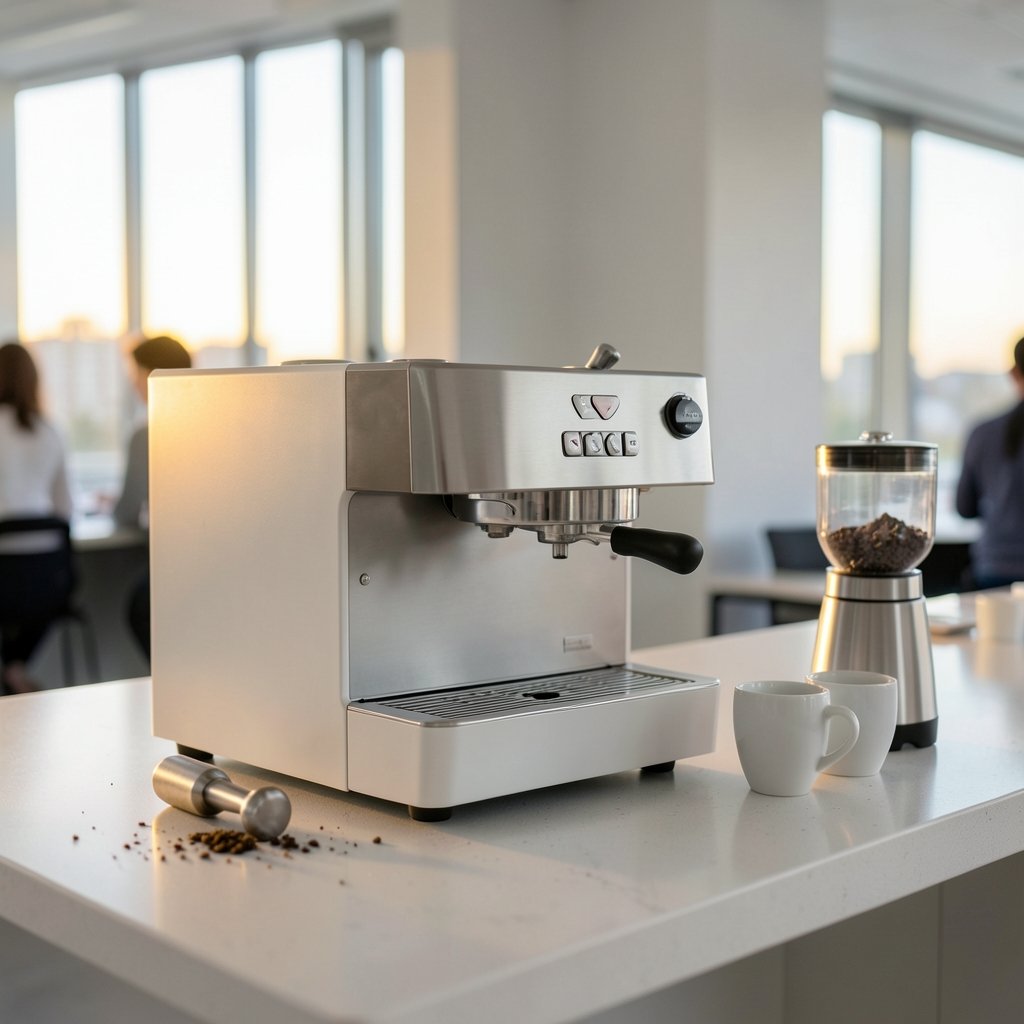
What if the biggest thing standing between you and a real espresso habit isn’t the machine at all? Most people shopping for the best espresso machine under $500 spend weeks comparing boilers, wands, and portafilter sizes, then pair the winner with a $30 blade grinder and wonder why the shots taste like burnt toast. The machine matters. It just isn’t the whole story. (Best watches under 500 actually earns spot your wrist)
This guide sorts out what $500 can and cannot buy in 2026, which machine types make sense for which drinkers, and where the money is usually wasted. No hype, no sponsored rankings, just the trade-offs that show up on day one and again two years later.
Why $500 Buys More Machine Than It Used to
The sub-$500 category has quietly gotten serious. Since roughly 2015, entry-level machines with PID temperature control and 58 mm portafilters have dropped into this price band, closing much of the gap with prosumer gear. Ten years ago, stable brew temperature was a $1,000 feature. Today it shows up well below that.
Two machine families dominate the price point:
- Single-boiler machines with a pressurized or non-pressurized portafilter, such as the Breville/Sage Bambino line and the Gaggia Classic family.
- Manual lever machines, such as the Flair and Cafelat Robot, which need a separate kettle and grinder.
Each family solves a different problem. Single-boilers are convenient and steam milk. Manual levers trade convenience for control and portability. Neither is universally “best,” which is why any honest list starts with the buyer, not the machine.
Prices and model availability shift every year, so treat specific prices as a starting point to verify, not gospel. The principles below hold regardless of which model is on sale this month.
The Grinder Rule That Changes Everything
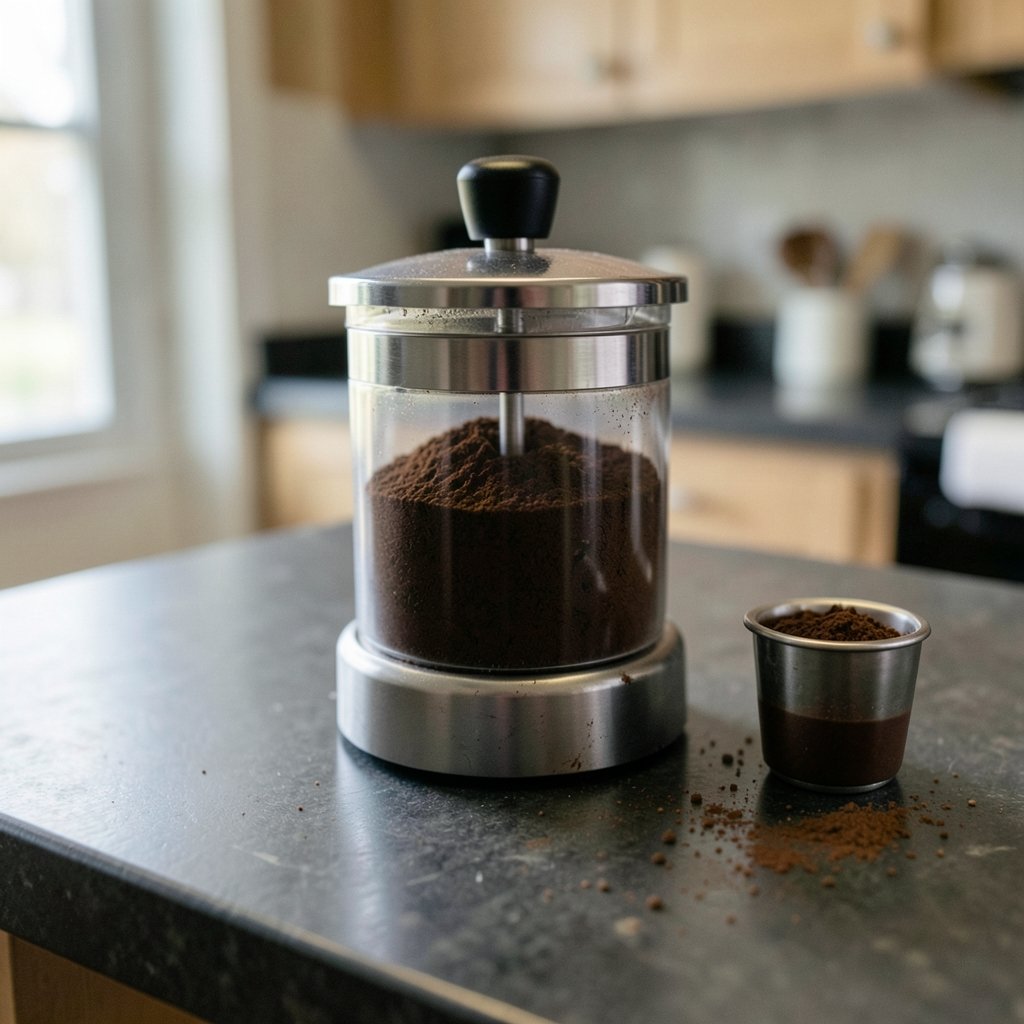
Here is the uncomfortable truth: the grinder usually matters more than the machine. The broad consensus in specialty coffee is that a burr grinder is the single biggest upgrade for espresso quality. A $500 budget split between a capable machine and a real burr grinder will almost always beat a $500 machine fed by a blade grinder.
That math surprises people. A blade grinder produces uneven particles: dust that over-extracts and boulders that under-extract, in the same puck. No machine, at any price, can fix that. Espresso is a narrow-target brewing method, and grind consistency is the variable you control most directly.
Practical rule of thumb: if the total budget is $500 and there’s no grinder at home, plan on roughly $250–$350 for the machine and the rest for a burr grinder. If a good grinder already sits on the counter, the full $500 can go to the machine, and the jump in shot quality is noticeable.
This is the same logic that applies to almost any gear purchase where one component does the precision work. It’s why a careful buyer checking whether a beginner sewing machine actually matters before you buy looks at the mechanism first and the badge second. The part that touches the material decides the result.
Pressurized vs. Non-Pressurized Baskets
This is the spec that trips up most first-time buyers, and it’s worth understanding before anything else.
Pressurized baskets (also called dual-wall) use a tiny valve to create back pressure. They let pre-ground supermarket coffee produce crema without a good grinder. The trade-off is real: pressurized baskets limit flavor development, because the machine, not the coffee, is doing much of the work.
Non-pressurized baskets (single-wall) rely on finely ground coffee itself to create resistance. They demand a capable grinder and decent technique, and they reward both with far more clarity and sweetness in the cup.
| Feature | Pressurized basket | Non-pressurized basket |
|---|---|---|
| Grinder needed | Any, including pre-ground | A real burr grinder |
| Forgiveness | High | Low |
| Flavor ceiling | Limited | High |
| Best for | Convenience-first drinkers | Anyone chasing quality |
A common mistake: buying a machine with a non-pressurized basket, then discovering the $40 grinder can’t grind fine enough. The shot gushes out in ten seconds and tastes sour. The fix isn’t a new machine. It’s a grinder.
PID, Portafilter Size, and Other Specs That Matter
Not every spec deserves equal attention. Here’s how to weigh the ones that come up most.
PID temperature control stabilizes brew temperature, typically cited as within about ±1 °C, versus several degrees of swing on thermostat-only machines. In practice, that means repeatable shots instead of a machine that pulls beautifully at 9 a.m. and bitterly at 3 p.m. If the budget allows one upgrade, this is a strong candidate.
Portafilter size matters over time. 58 mm is the commercial standard, so baskets, tampers, and accessories are easier to find. Many sub-$500 machines use 51 mm or 54 mm instead. Smaller sizes work fine, but there are fewer accessories and replacements can be harder to source.
Steam wand type affects how much you enjoy milk drinks. Automatic steam wands (as on the Bambino Plus) make lattes nearly hands-off. Manual wands take practice. Manual lever machines have no steam wand at all, so you need a separate frothing tool.
Durability and repairability rarely make the spec sheet but shape year-three satisfaction. The Gaggia Classic, for instance, is often cited for parts availability and an active modding community. Some budget machines are sealed units that go to landfill when a $15 part fails.
Build and footprint deserve a tape measure, not a glance. A machine that barely fits under the cabinets, or needs a refill clearance you don’t have, becomes a daily annoyance. Measure the counter depth, the clearance to the upper cabinet, and the distance to the nearest outlet before ordering.
Matching the Machine to the Drinker
The “best” machine depends entirely on what gets made most mornings. Four buyer profiles cover most of the market.
The latte loyalist
Milk drinks dominate, so steaming performance and workflow speed lead. A single-boiler with an automatic or well-designed steam wand fits best. Expect a short wait between pulling the shot and steaming the milk on single-boiler designs, which is normal and rarely bothersome in a home kitchen.
The straight-shot purist
No milk, no fuss, just espresso. A manual lever machine becomes genuinely attractive here. It can produce excellent shots, offers tactile pressure control, and takes up very little counter space. The cost is workflow: preheating, manual pressure profiling, and a separate kettle.
The convenience-first beginner
Wants good coffee without a hobby. A pressurized basket plus pre-ground coffee gets there immediately, with the option to upgrade to a non-pressurized basket and burr grinder later. This is a legitimate path, not a compromise to be ashamed of.
The tinkerer
Enjoys mods, temperature surfing, and forum rabbit holes. A machine with strong parts availability and a modding community is the pick, even if it lacks features a rival offers out of the box.
| Buyer profile | Priority | Machine type |
|---|---|---|
| Latte loyalist | Steaming and speed | Single-boiler with auto wand |
| Shot purist | Control and clarity | Manual lever |
| Convenience beginner | Forgiveness | Single-boiler, pressurized basket |
| Tinkerer | Repairability and mods | Machine with parts availability |
Mistakes That Cost Real Money
A few errors show up again and again in this price bracket.
Spending the whole budget on the machine. Covered above, but it bears repeating: without a burr grinder, most of that $500 is underused.
Ignoring the cost of accessories. A tamper, a scale with 0.1 g resolution, a pitcher, and a knock box add up. A cheap digital scale is arguably the highest-value accessory in espresso, because dose consistency drives everything else.
Chasing features over fundamentals. A machine with a screen and twelve presets but a wobbly thermostat will lose to a plainer machine with stable temperature every time.
Skipping the descale schedule. Hard water kills boilers. If the tap water is mineral-heavy, use filtered or bottled water, or plan on regular descaling. This single habit extends machine life more than any other.
Not checking the return window. Espresso has a learning curve. A machine bought from a seller with a generous return policy is a lower-risk purchase than a slightly cheaper one with a restocking fee.
Buying the wrong basket size by accident. Some machines ship with pressurized baskets installed and non-pressurized ones in the box. Check which is in the portafilter before concluding the machine is broken.
Where the Sub-$500 Category Still Falls Short
Honesty matters here. Below $500, buyers give up a few things.
Dual boilers are essentially out of reach. Single-boiler machines require a brief wait between brewing and steaming, and temperature management during that switch is a real skill.
Simultaneous brew and steam is a prosumer feature that lives above this price band.
Commercial-grade build is rare. Plastic housings and lighter internals are the norm, though a few models buck the trend.
Out-of-box consistency varies. Two units of the same model can behave differently, which is why community reports and a good return policy matter as much as the spec sheet.
None of these are dealbreakers for home use. They’re simply the trade the price makes. Understanding the trade is what separates a satisfied buyer from a frustrated one.
How to Vet a Machine Before Buying
A short, practical checklist for the moment before checkout:
- Confirm the current price and availability, since both shift yearly.
- Check whether the portafilter is 58 mm or smaller, and whether non-pressurized baskets are included.
- Verify PID temperature control if repeatability matters.
- Read the parts availability situation, especially for gaskets and valves.
- Measure counter space and cabinet clearance.
- Confirm the return window and warranty terms.
- Budget for a burr grinder if one isn’t already on the counter.
That same disciplined approach pays off in other big-ticket categories. Someone weighing a used car under 5,000 you can realistically buy and vet runs the same playbook: verify condition, check parts support, and read the fine print before money changes hands. High-value purchases reward skepticism.
Conclusion
The best espresso machine under $500 isn’t a single model. It’s the machine that matches how you actually drink coffee, paired with a grinder good enough to let it perform. Prioritize stable temperature and a standard portafilter if quality leads. Prioritize an automatic steam wand if milk drinks lead. Choose a manual lever if control and counter space matter more than convenience. Then protect the investment with filtered water, a cheap scale, and a descale schedule.
Spend the money where the precision lives, and the machine will earn its counter space for years.
Frequently Asked Questions
Is a $500 espresso machine worth it compared to a $200 one?
Usually yes, if the extra money buys PID temperature control, a standard 58 mm portafilter, or better repairability. Those features affect every shot. A $200 machine can still make enjoyable coffee, especially with a pressurized basket, but it typically offers less consistency and a shorter service life.
Do I really need a separate grinder?
For non-pressurized baskets, yes. Espresso depends on fine, even grind particles, and blade grinders can’t deliver that. If the budget is tight, buy a less expensive machine and a real burr grinder rather than a premium machine and a cheap grinder. The grinder-first approach almost always wins on taste.
Can a manual lever machine replace a regular espresso machine?
For straight espresso, often yes. Manual levers can produce excellent shots and offer tactile control. They can’t steam milk, though, so anyone who drinks lattes or cappuccinos will need a separate frothing tool. They also add workflow steps like preheating and manual pressure profiling.
What does PID temperature control actually do?
A PID controller holds brew temperature steady, typically within about ±1 °C, instead of letting it swing several degrees the way a simple thermostat does. The practical result is repeatable shots: the same coffee tastes similar from morning to afternoon rather than drifting bitter or sour.
How long should a sub-$500 machine last?
With regular descaling and filtered water, several years is realistic for well-supported models with available parts. Machines with strong parts ecosystems and active user communities tend to outlast sealed budget units, because a worn gasket or valve can be replaced instead of ending the machine’s life.
What accessories should I buy first?
A digital scale with 0.1 g resolution, a properly sized tamper, and a milk pitcher if you drink milk drinks. A scale is the highest-value item, because consistent dose is the foundation of consistent espresso. Skip the fancy tamping stations until the basics are dialed in.