
Used Cars Under $5,000: What to Buy & How to Vet
 Abdul WadoodLast updated
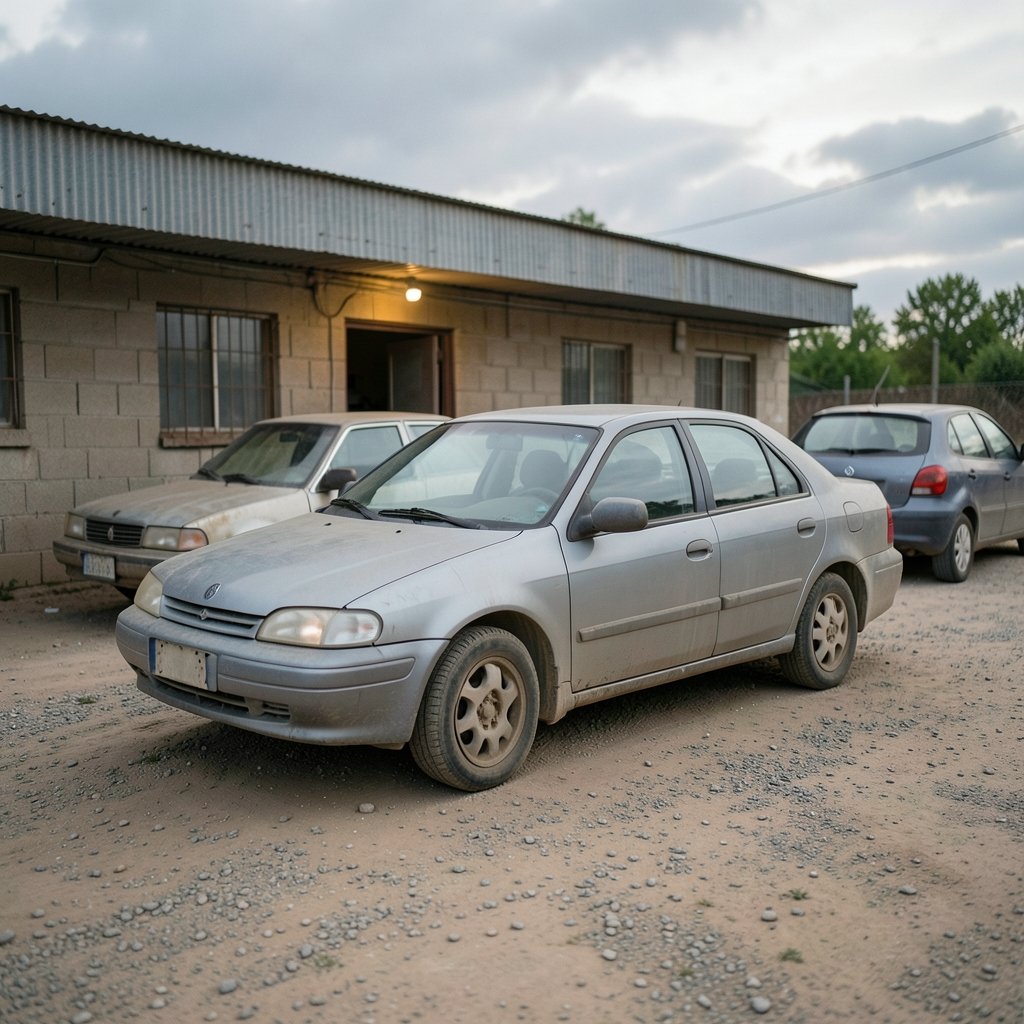
Here’s a number that surprises most shoppers: the average used vehicle in America now transacts for well over $25,000. That means a $5,000 budget puts you in the bottom slice of the market, competing for a shrinking pool of older, higher-mileage vehicles. The good news? That slice still exists, and with the right approach you can drive away in something reliable instead of a rolling money pit.
This guide is about what actually works when you’re shopping at this price point. It covers what kinds of cars you’ll find, how to inspect them, which paperwork to demand, and the mistakes that quietly cost people thousands.
What $5,000 Actually Buys in Today’s Market
The sub-$5,000 segment has changed dramatically since 2020. Supply tightened, prices climbed, and the cars that used to sit at $3,000 now list at $5,500. In practice, a five-grand budget today typically gets you one of the following:
- A compact or midsize sedan from the early-to-mid 2000s with 130,000–200,000 miles
- An older economy hatchback or small SUV with cosmetic wear
- A rebuilt-title or salvage-title vehicle that would otherwise cost far more
- A mechanically sound but cosmetically rough car from a private seller
What you will not find, generally, is a low-mileage, clean-title, late-model anything. If a listing promises that, treat it as a red flag rather than a bargain.
The most important mental shift is this: at this price, you are buying condition and maintenance history, not the badge on the hood. A well-kept 2004 sedan with records beats a neglected 2010 model every single time.
The Cars That Tend to Hold Up Best
Reliability at this price is less about brand loyalty and more about which models were over-engineered for their era. Shoppers who do their homework tend to gravitate toward a handful of well-documented patterns.
| Category | What to Look For | Why It Works |
|---|---|---|
| Compact sedans | Simple four-cylinder engines, manual or basic automatic | Fewer complex systems to fail |
| Economy hatchbacks | Timing chains instead of belts, parts widely available | Cheap, easy repairs |
| Small SUVs | Non-turbo engines, part-time AWD | Lower running costs |
| Fleet-maintained sedans | Service records, highway miles | Predictable wear |
Two practical rules cut through most of the noise. First, avoid models with a reputation for expensive timing-belt service or transmission failures unless the seller has proof the work was done. Second, check parts availability before you buy. A car that needs a rare module is a car that sits in your driveway.
If you want structured reviews and side-by-side comparisons to narrow your shortlist, browsing a curated library like Voozon Cars — Reviews, Comparisons & Car Guides can save hours of scattered forum reading. The same principle applies to how you evaluate any vehicle: the story of how a car was built and maintained matters more than a spec sheet, which is the idea behind the cars built around experience.
Mileage, Age, and the Numbers That Matter
Buyers obsess over odometer readings, but mileage alone tells you very little. A 180,000-mile car that saw mostly highway commuting often has less wear than a 90,000-mile city car that idled in traffic for years.
What to Prioritize
- Service records over low miles. A folder of receipts is worth more than a suspiciously low odometer.
- Highway miles over city miles. Fewer cold starts, less brake and clutch wear.
- One owner over many. Fewer hands, fewer mysteries.
- Consistent annual mileage. A car driven 4,000 miles a year may have sat unused, which brings its own problems (dry seals, flat-spotted tires, stale fluids).
What to Deprioritize
Cosmetic flaws are the cheapest thing to live with. A scratched bumper or a worn driver’s seat costs far less than a failing transmission. Spend your negotiating energy on mechanical condition, not paint.
The Pre-Purchase Inspection Is Non-Negotiable
The single highest-return move in this price bracket is paying a few hundred dollars for an independent mechanic to inspect the car before you buy. On a $5,000 purchase, that inspection is roughly 4–6% of the price, and it routinely saves buyers from four-figure repairs.
A good inspection covers:
- Compression and leak-down results, if the mechanic offers them
- Frame and underbody rust, especially in salt-belt states
- Transmission behavior on a test drive, including cold starts
- Brake, suspension, and tire remaining life
- Diagnostic trouble codes, both current and stored
- Signs of flood or collision repair
Ask the seller to meet you at the shop rather than bringing the car to them. Sellers who resist an inspection are telling you something useful.
Paperwork, Titles, and the Traps That Cost Real Money
This is where budget buyers get burned most often, and it has nothing to do with the engine.
The Title Is the Whole Ballgame
Clean title means the car has no major branding. Salvage means an insurer declared it a total loss. Rebuilt means it was repaired and re-titled after salvage. Flood means water damage, which is a slow-motion disaster for electronics.
A salvage or rebuilt title can cut a car’s value by 20–40% and makes it harder to insure or resell. Some lenders won’t finance them at all. If you buy one anyway, get it inspected by a specialist and confirm your insurer will cover it before money changes hands.
The Buyer’s Guide Sticker
Dealers selling used cars must display a Buyer’s Guide window sticker under the FTC’s Used Car Rule. It states whether the car comes with a warranty or is sold “as is.” Private sellers aren’t required to provide one, which is one reason private sales carry more risk but often lower prices. Always ask directly: “Is this sold as-is, and is there any warranty in writing?”
Run the VIN Before You Pay
A vehicle history report and a free VIN check can reveal odometer rollback, open safety recalls, and title branding across state lines. Cheap cars are exactly where odometer fraud hides, because the payoff is proportionally larger.
Where to Shop and How to Negotiate
The venue shapes both the price and your legal protections.
| Source | Typical Price | Protection Level | Watch Out For |
|---|---|---|---|
| Private seller | Lowest | Minimal | No warranty, title issues |
| Independent dealer | Mid | Buyer’s Guide required | Markups, “as-is” fine print |
| Public auction | Lowest–mid | None | No test drive, hidden damage |
| Trade-in lot | Mid | Varies | Cars wholesaled for a reason |
Negotiation at this price is straightforward if you stay calm. Bring the inspection findings, cite specific repairs and their estimated cost, and make a single firm offer rather than haggling in small increments. Cash in hand is leverage, but never hand over money before the title is signed and verified.
The True Cost of Ownership
The purchase price is only the entry fee. Budget for the first year realistically:
- Immediate maintenance: fluids, filters, belts, and any deferred service the inspection flagged
- Tires: often the most overlooked expense on a cheap car
- Insurance: get quotes before you buy, since rates vary wildly by model
- Registration and taxes: state-dependent, but never zero
- A repair reserve: set aside a cushion, because something will need attention
A useful rule of thumb: assume the first year costs 15–25% of the purchase price in catch-up maintenance. A $5,000 car with a $1,000 reserve is a realistic plan. A $5,000 car with no reserve is a gamble.
Mistakes That Sink Budget Buyers
Most bad outcomes at this price point trace back to a handful of avoidable errors.
- Falling for a “too good to be true” listing. A clean-title, low-mile car at half market value is usually a scam, a salvage car in disguise, or a curbstoner flipping without a dealer license.
- Skipping the cold start. Always insist the engine is cold when you arrive. Warm engines hide starting problems and transmission issues.
- Buying on emotion. The excitement of a shiny paint job overrides good judgment. Walk away once, and you’ll usually be glad you did.
- Ignoring rust. Mechanical repairs are finite. Structural rust is not.
- Forgetting insurance quotes. A cheap car with an expensive insurance profile isn’t cheap.
- Paying before the title transfers. Never, under any circumstances.
There’s a broader lesson here that applies well beyond the used-car lot: the most interesting outcomes come from people who do the unglamorous work of research first. That’s a theme worth exploring in a new generation of creative founders, and it’s just as true for buyers hunting a reliable beater.
How to Build a Shortlist That Actually Works
A practical workflow, in order:
- Set a hard ceiling of $4,500 so you have room for inspection and immediate repairs.
- Shortlist three to five models known for cheap parts and simple drivetrains.
- Filter listings by one-owner history and documented service records.
- Request the VIN and run a history report before you drive anywhere.
- Schedule an independent inspection on any finalist.
- Get insurance quotes on the specific model and trim.
- Negotiate with inspection findings in hand, and walk away if the seller balks.
For more structured comparisons and buying guides, Voozon Cars — Reviews, Comparisons & Car Guides – Voozon — Discover, Review & Explore is a useful starting point to narrow the field before you start calling sellers.
Conclusion
Shopping for used cars under $5,000 is a discipline, not a lottery. The winners in this bracket aren’t the ones who find the shiniest car; they’re the ones who verify titles, pay for inspections, budget for catch-up maintenance, and walk away from deals that smell wrong. Expect an older, higher-mileage vehicle with cosmetic flaws. Expect to spend a chunk of your budget on immediate repairs. And expect that patience, not luck, is what separates a dependable daily driver from a driveway ornament.
Do the unglamorous work up front, and a five-thousand-dollar car can serve you well for years. Skip it, and you’ll learn an expensive lesson about why that car was priced so low.
FAQ
What mileage is too high for a used car under $5,000?
There’s no universal cutoff, but at this price you should expect 130,000–200,000 miles. What matters more is documented maintenance and how the car was driven. A 190,000-mile highway commuter with service records is often a better bet than a 95,000-mile city car with no history.
Is it safe to buy a salvage or rebuilt title car?
It can be, but only with caution. Salvage and rebuilt titles cut resale value by 20–40% and can complicate insurance and financing. Get an independent inspection, confirm your insurer will cover it, and understand that resale will be harder. For most budget buyers, a clean-title car with higher miles is the safer path.
How much should I budget beyond the purchase price?
Plan on 15–25% of the purchase price for first-year maintenance, plus a repair reserve. On a $5,000 car, that means setting aside roughly $750–$1,250 for tires, fluids, deferred service, and surprises. Skipping this cushion is the most common reason budget buyers end up stranded.
Should I buy from a dealer or a private seller?
Private sellers usually offer lower prices but minimal legal protection. Dealers must display a Buyer’s Guide stating warranty or “as-is” status, which gives you more recourse. Neither is automatically better; the deciding factor is the specific car’s condition, title, and records.
How do I avoid odometer fraud on a cheap car?
Run a vehicle history report and compare reported mileage against the odometer and service records. Look for inconsistencies between the mileage on receipts, inspection stickers, and the dash. Cheap cars attract odometer rollback precisely because the payoff is proportionally large.
Can I finance a car under $5,000?
Sometimes, but it’s difficult. Many lenders set minimum loan amounts around $5,000–$7,500, and older, high-mileage vehicles often fall outside approval guidelines. If you do find financing, compare the total cost of credit carefully, since short loans on old cars can carry high effective rates. (Auto loans)