
Soy Wax Candles: What Burns, Smells & Lasts in 2026
 Abdul WadoodLast updated

What if the candle on your coffee table is not quite what the label says? Walk into any home store and you will see shelves stacked with soy wax candles promising clean burns, long life, and a cozy glow. The category has exploded, and the marketing has grown louder with it. But soy wax is a real material with real strengths and real limits, and knowing the difference between the two helps you spend wisely and burn safely.
This guide breaks down how soy wax is made, how it compares with paraffin and beeswax, why some soy candles smell strong and others barely register, and which claims deserve a raised eyebrow. No hype, no scare tactics, just the practical picture.
What soy wax actually is
Soy wax is hydrogenated soybean oil. Manufacturers take soybean oil and add hydrogen, which raises its melting point so the oil becomes solid at room temperature. That is the whole trick. It is a relatively modern candle material, developed in the 1990s as a plant-based alternative to paraffin, and it is now one of the most common waxes sold to home candlemakers and boutique brands alike.
Because it comes from an agricultural crop, soy wax is often described as renewable. That is fair as far as it goes, but renewable is not the same as low impact. The crop has to be grown, the oil extracted, the wax shipped, and the finished candle trucked to a store. Lifecycle benefits depend heavily on sourcing and on whether the wax is blended with something else. Soy wax is also not a single thing: it comes in different blends and melting points, and many commercial “soy” candles are actually soy-paraffin mixes.
How soy compares to paraffin and beeswax
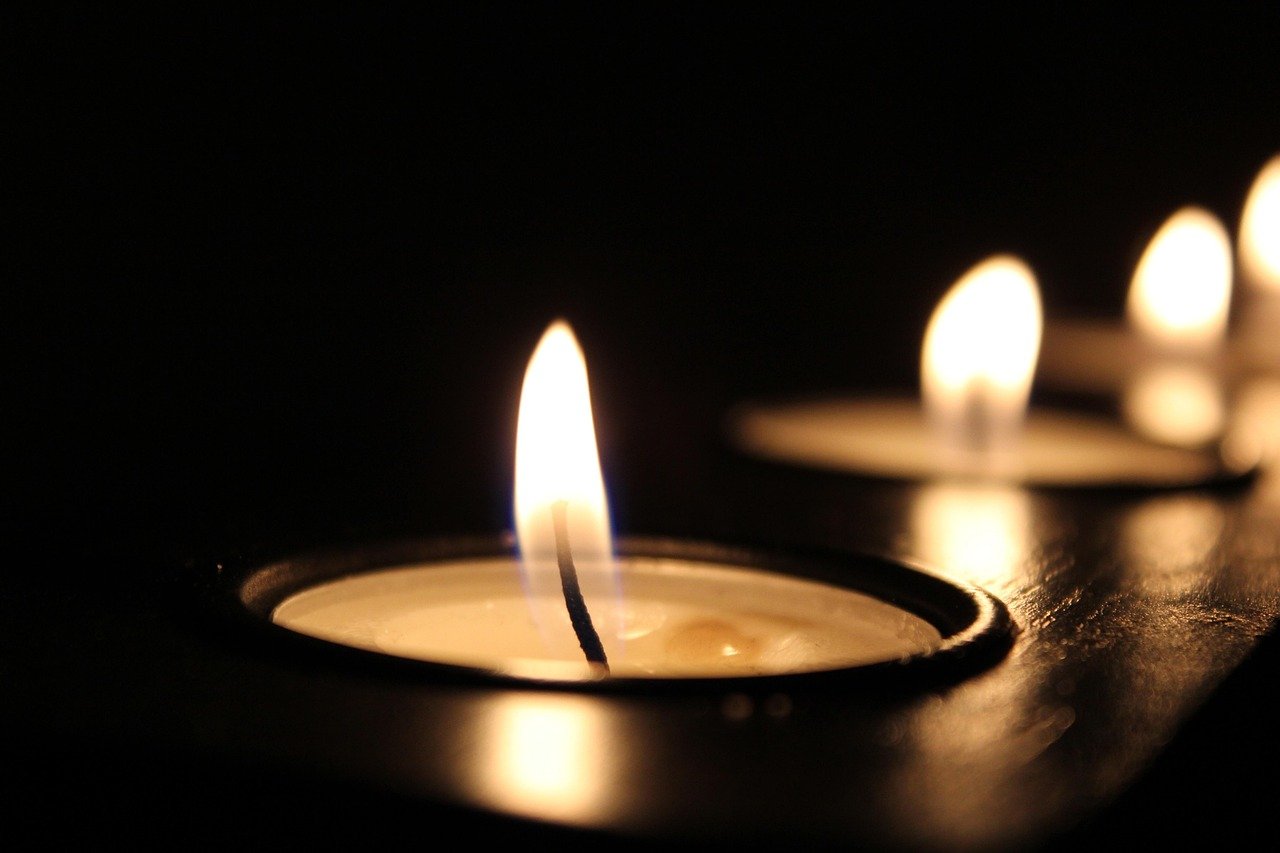
The comparison shoppers care about most is soy versus paraffin. Here is the honest version, with the caveats attached.
| Feature | Soy wax | Paraffin | Beeswax |
|---|---|---|---|
| Source | Soybean oil (plant) | Petroleum byproduct | Beeswax (animal) |
| Typical burn character | Cooler, slower | Hotter, faster | Slow, steady |
| Scent throw | Good, often softer cold throw | Strong, especially hot throw | Mild, natural honey note |
| Appearance | Creamy, opaque, prone to frosting | Smooth, glossy | Golden, firm |
| Cost | Moderate | Low | High |
| Common label issue | Blends sold as “soy” | Often unlabeled | Usually clearly labeled |
The claim that soy candles burn cooler and longer than paraffin candles of similar size is repeated constantly by manufacturers and trade sources. It is plausible given the lower melting point, but it is not well established in peer-reviewed literature. Treat it as a common claim rather than a settled fact. The same caution applies to “burns cleaner.” All candles produce soot and combustion byproducts; the wax is only one variable.
There is one small study from 2009 that found paraffin candles emitted toluene and benzene in testing while soy candles did not. It gets cited in marketing all the time. It was a single, small study and has not been widely replicated, so it should be described as limited evidence, not proof. If you want a deeper side-by-side on materials, this comparison of soy wax vs beeswax for candle making covers the practical trade-offs in more detail.
Why “non-toxic soy candle” is an overstatement
No regulator certifies candles as non-toxic. Candle fire safety is covered by a voluntary standard, ASTM F2417, and the U.S. Consumer Product Safety Commission enforces rules on wicks, but nobody stamps a candle “non-toxic.” Every candle, soy included, produces some soot and combustion byproducts when it burns. Fragrance oils, dyes, and wick choice all affect what ends up in the air.
That does not make soy candles dangerous. It means the label claim is doing more work than the science supports. What actually matters for a cleaner burn is practical: keep the wick trimmed, avoid drafts, and do not burn a candle for hours on end in a small closed room.
Wicks deserve their own note. Lead-core wicks were banned in the U.S. by the CPSC in 2003, so any candle made legally since then uses cotton, paper, or similar wicks. If you are buying from a small maker or an unfamiliar seller, it is reasonable to ask what the wick core is made of.
The labeling problem nobody mentions
In the U.S., there is no federal definition requiring a candle labeled “soy” to be 100% soy. A soy-paraffin blend can legally carry a soy label. This is not a conspiracy; it is a gap in standardization. Some brands are transparent about their blend ratios, and some are not.
Practical tip: look for a brand that states a percentage or names every wax in the blend. If a candle costs very little and claims pure soy, be skeptical. Pure soy wax costs more than paraffin, and that cost shows up somewhere. The price gap between a budget candle and a premium one is rarely just marketing; it usually reflects wax quality, fragrance load, and wick design. This breakdown of what makes a luxury candle’s wax and scent worth the price explains where the money actually goes.
Scent throw: why your soy candle smells different every time
Scent throw is where most soy candle disappointments happen. Cold throw is how a candle smells unlit. Hot throw is how it smells while burning. Soy wax generally has a softer hot throw than paraffin because it burns cooler and releases fragrance more gently.
Three things change the result:
- Fragrance load. Most soy candles use roughly 6 to 10 percent fragrance oil by weight. Below that, the scent fades fast. Above it, the wax can sweat or the wick can struggle.
- Cure time. Soy wax benefits from resting a few days to a couple of weeks after pouring before it is burned. A fresh-poured candle often smells weaker than the same candle a week later.
- Wick size. An undersized wick tunnels and under-performs. An oversized wick overheats the wax and burns through the scent too quickly.
Common mistake: judging a soy candle by its first burn. The first burn also sets the melt pool. If you extinguish it before the wax melts edge to edge, you create a memory ring that the candle will follow for the rest of its life. Let it burn long enough to reach the sides, usually one hour per inch of diameter.
If you are comparing candles across brands and want to know whether the premium price is justified, this look at whether luxury scented candles are worth the price is a useful reality check.
Frosting, wet spots, and other soy quirks
Soy wax has a few cosmetic habits that alarm first-time buyers and mean nothing.
Frosting is a white, crystalline film that can appear on the surface. It happens when the wax cools unevenly or temperatures shift, and it does not affect how the candle burns. Wet spots are areas where the wax pulls away from the glass during cooling. Again, cosmetic. Sweating is droplets of fragrance oil on the surface, usually a sign of a high fragrance load or a warm storage spot.
None of these are defects in performance, though a brand selling at a premium should control for them. If you make candles yourself, pouring at the right temperature and cooling slowly in a draft-free room reduces all three.
How to burn a soy candle properly
The rules are simple and they apply to every wax type, but soy rewards them more because of its lower melting point.
- Trim the wick to about a quarter inch before every burn. This is the single biggest factor in a clean, even burn.
- Burn for one hour per inch of diameter on the first light. This sets a full melt pool and prevents tunneling.
- Keep burns under about four hours. Longer burns overheat the glass and shorten the candle’s life.
- Keep candles away from drafts, curtains, and pets. Drafts cause uneven burning and soot.
- Never leave a burning candle unattended, and never sleep with one lit.
- Use a snuffer or dip the wick instead of blowing it out. Blowing sends soot and smoke into the room.
If you are setting candles out for a dinner or event, this guide to arranging candles for entertaining with styling and safety in mind covers placement and grouping in more depth.
Does soy wax last longer?
Sellers often claim soy candles last 30 to 50 percent longer than paraffin. The underlying logic is that soy burns cooler and slower, so a given weight of wax lasts more hours. In practice, burn time depends on wick size, fragrance load, container shape, and how you burn it. Two candles of identical weight from different brands can differ by hours.
A more reliable signal is the maker’s stated burn time and whether they publish it at all. Reputable brands usually do. Vague claims like “burns for ages” tell you nothing.
What to look for when buying
A short checklist that separates good soy candles from good marketing:
- Named wax or blend. “Soy blend” is honest; “100% soy” with no other detail deserves a question.
- Stated fragrance load or at least a scent description that is specific rather than generic.
- Cotton or paper wicks, clearly described.
- Realistic burn times in hours, not adjectives.
- Clean, even burn in reviews from buyers who mention tunneling or soot rather than scent alone.
If you are shopping in a specific market, this look at what sets Bellevue luxury candles apart shows how local makers differentiate on wax and wick quality. And if you are drawn to the aesthetics of candle making beyond the pour, a beginner-friendly guide to choosing a wax seal kit without wasting money covers a related craft that pairs well with candle gifting.
Conclusion
Soy wax candles are a genuinely good choice for many homes: they burn gently, they take fragrance well, and they come from a renewable crop. But the category is wrapped in claims that outrun the evidence. Soy does not automatically mean non-toxic, “100% soy” is not a regulated term, and the burn-longer promise depends on the wick and the maker as much as the wax.
The practical path is simple. Buy from brands that tell you what is in the candle, trim the wick every time, give the first burn enough time to set a full melt pool, and keep flames away from drafts and clutter. Do that, and the candle on your table will do exactly what you bought it for: burn evenly, smell good, and make the room feel warmer. The wax matters, but how you burn it matters just as much.
Frequently Asked Questions
Are soy wax candles really non-toxic?
No candle is certified non-toxic by any regulator. All candles, including soy, produce some soot and combustion byproducts when they burn. Soy wax may produce less of certain compounds than paraffin in limited testing, but fragrance oils and wicks also affect indoor air. The practical answer is to burn any candle in a ventilated space, keep the wick trimmed, and avoid very long burns in small closed rooms.
Do soy wax candles burn longer than paraffin candles?
They often do, but the claim is not firmly established in research. Soy wax has a lower melting point and tends to burn cooler and slower, which can stretch burn time. In real use, wick size, fragrance load, container shape, and burn habits matter as much as the wax. Look for a stated burn time in hours rather than trusting a percentage claim.
Why does my soy candle have white spots or pull away from the glass?
That is frosting and wet spots, and both are cosmetic. Frosting is a crystalline film that forms when the wax cools unevenly. Wet spots happen when wax shrinks away from the container during cooling. Neither affects how the candle burns or how it smells. They are more common in pure soy wax and in candles stored through temperature swings.
Can a candle labeled soy actually contain paraffin?
Yes. In the U.S., there is no federal rule defining what percentage of soy a candle must contain to carry a soy label. Many commercial soy candles are blends. If purity matters to you, look for a brand that states a percentage or lists every wax in the blend, and be wary of very cheap candles claiming pure soy.
How long should I burn a soy candle the first time?
Burn it for about one hour per inch of container diameter, long enough for the melted wax to reach the edge. This sets the melt pool and helps prevent tunneling, where wax burns down the middle and leaves a ring of unused wax on the sides. After that, keep individual burns under about four hours.
What is the best way to put out a soy candle?
Use a snuffer or dip the wick into the melted wax and straighten it again. Blowing out a candle sends a plume of soot and smoke into the room and can splatter wax. Whatever method you use, never leave a burning candle unattended, and keep it away from drafts, curtains, and anything that can catch fire.