
San Anselmo, CA: Practical Guide to Marin’s Creek-Side Town
 Abdul WadoodLast updated
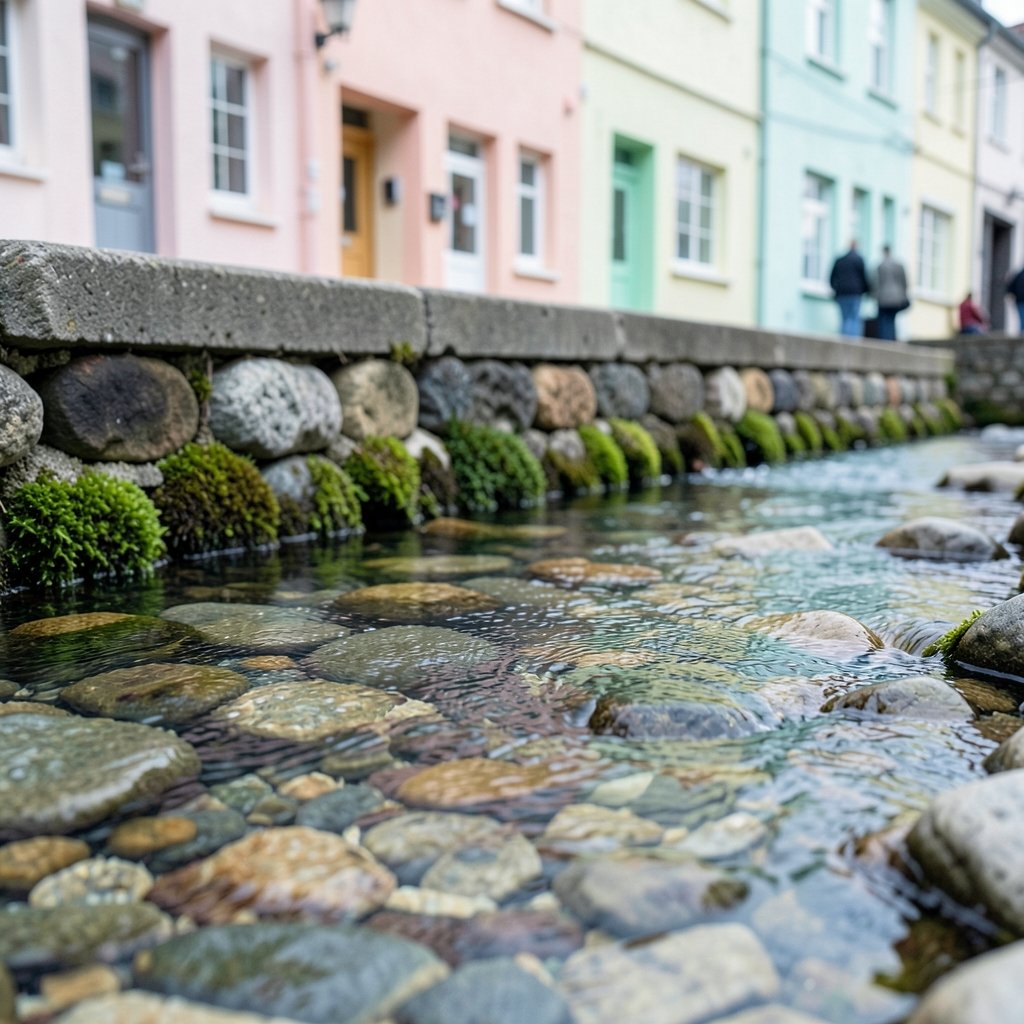
What if the best way to understand a small town is to look at what it sits next to, what runs through it, and what it has survived? San Anselmo, California, rewards exactly that kind of reading. It is a compact Marin County town about 20 miles north of San Francisco, tucked into the Ross Valley between Ross to the south and Fairfax to the north. San Anselmo Creek runs through the middle of it, and that creek is the single most important fact about the place. It shaped the town’s layout, caused its worst disasters, and drives much of its modern planning.
This guide covers what San Anselmo is, how it came to be, what it is like to live there, and the practical details a visitor or prospective resident actually needs. It leans on what is well established about the town and is careful about what is not.
Where San Anselmo sits and why the geography matters
San Anselmo occupies a narrow valley floor in central Marin County. The town is bounded by hills on both sides, with Ross to the south and Fairfax to the north. That valley position is not a trivial detail. It means the town has a defined downtown core that is walkable, a creek that runs through the commercial center, and a set of flood risks that come with any town built on a creek bed.
The climate is classic Mediterranean Marin: wet winters, dry summers, and morning fog that burns off by mid-morning in summer. The valley shape traps heat in summer and can pool cold air in winter, so microclimates vary from block to block more than the regional averages suggest.
For anyone comparing Bay Area towns, San Anselmo’s geography is its selling point and its caution flag at the same time. The hillside streets offer views and quiet. The flats near the creek offer walkability and convenience. They also flood.
How the town came to be
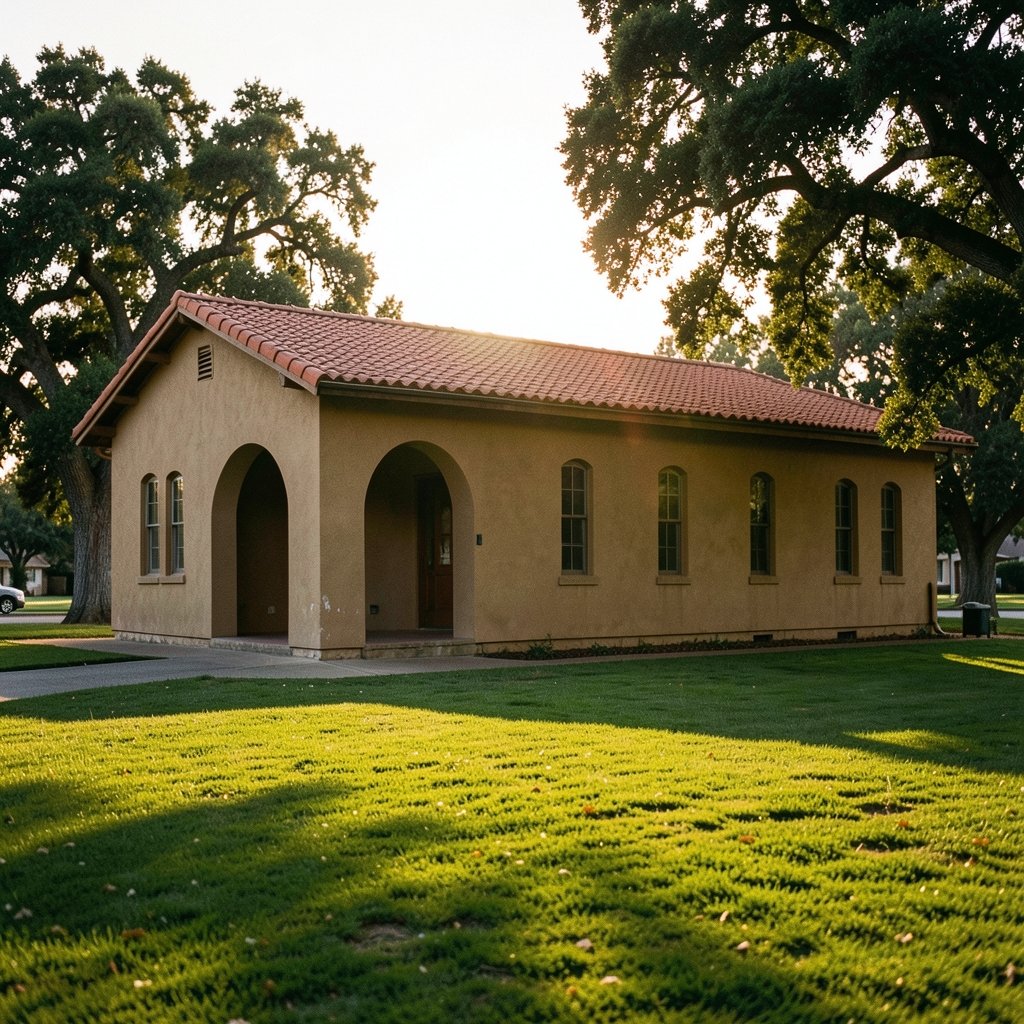
San Anselmo was incorporated in 1907. The town takes its name from Saint Anselm, the medieval theologian and Archbishop of Canterbury who lived from 1033 to 1109. Naming a California town after an eleventh-century English churchman is a quirk of history, but it fits a region where Spanish, Mexican, and American layers all left marks on the map.
The San Francisco Theological Seminary opened in San Anselmo in 1892, decades before incorporation, and it anchored the town’s identity for more than a century. The seminary merged into the University of Redlands around 2019, and the campus has since been reimagined as a mixed-use neighborhood. That transition is one of the more significant changes in the town’s recent history, and it is worth understanding if you are evaluating property or visiting the area.
One common confusion: the Marin County Civic Center, the famous Frank Lloyd Wright building, is in San Rafael, not San Anselmo. People mix the two up constantly. If you are planning a visit around architecture, budget for a separate stop.
The creek, the floods, and what residents actually do about it
San Anselmo Creek overflowed during major winter storms in 1982 and again in 2005, damaging the downtown both times. These were not abstract events. They reshaped how the town thinks about its commercial core and about development near the water.
What actually works, based on how creek towns in Marin handle flood risk:
- Know your elevation relative to the creek, not just the address. Two houses on the same street can have very different risk profiles.
- Ask about flood insurance separately from standard homeowners coverage. Standard policies typically exclude flood damage, and creek-adjacent properties need a separate policy.
- Check the flood history of a specific parcel, not the town average. The town’s flood-preparedness resources and county flood control documentation are the places to start.
- Look at where the water goes, not just where it comes from. Downtown San Anselmo sits low, and water pools in specific spots.
A common mistake buyers make is treating a renovated downtown storefront or a charming creek-side cottage as immune because it looks well maintained. Maintenance and flood exposure are different questions. Ask them separately.
What downtown San Anselmo is like
Downtown San Anselmo is small, walkable, and genuinely used by residents rather than being a tourist set piece. The commercial strip along San Anselmo Avenue has the mix you would expect in an affluent Marin town: cafes, independent shops, restaurants, and service businesses. It is the kind of downtown where people run into neighbors.
The pace is slower than San Francisco and less polished than Sausalito. That is the appeal. If you want a downtown that feels like a functioning town center rather than a visitor attraction, San Anselmo delivers. If you want nightlife and density, look elsewhere.
For readers comparing Bay Area places to stay or base themselves, it helps to understand how much neighborhood choice changes the experience. The same logic that applies to picking where to stay in the city applies here: the neighborhood determines the trip. A useful comparison point is this guide to where to stay in San Francisco by neighborhood, which shows how much geography shapes a Bay Area visit. San Anselmo works best as a quiet base for exploring Marin rather than as a destination in itself.
Living in San Anselmo: what to expect
San Anselmo is a high-cost housing market, consistent with central Marin. The housing stock ranges from older single-family homes on hillside streets to newer townhomes and the redeveloped seminary site. Rental inventory is limited, and prices reflect the combination of school access, commute proximity, and small-town character.
Commute reality matters here. San Anselmo is close to the Larkspur Ferry and to Highway 101, which makes San Francisco access workable but not effortless. The drive can be unpredictable, and many residents build their routines around ferry schedules or hybrid work rather than a daily bridge crossing.
Schools are a major driver of demand in this part of Marin. Families frequently cite school quality as the reason they choose one Ross Valley town over another, and that competition keeps prices firm. Anyone evaluating the area should verify current school assignment and district details directly rather than relying on secondhand summaries, since boundaries and programs change.
For a sense of how Bay Area housing money translates into actual space and amenities, it helps to compare across markets. This breakdown of what luxury apartment rent in San Diego actually buys is a useful reality check on how far the same budget stretches in a different California metro. The comparison is not flattering to Marin, but it is honest.
Outdoor life and open space
The hills around San Anselmo connect to a broader network of Marin open space. Hiking, cycling, and trail running are part of daily life for many residents, and the proximity to Mount Tamalpais and the Marin Headlands is a genuine quality-of-life factor.
If your interest in the Bay Area is partly about parks and outdoor access, it is worth understanding how locals actually use urban green space. This look at San Francisco’s best parks and where locals actually go is a good companion read, because the same principle applies in Marin: the famous spots are not always the ones residents use most.
A note on working from San Anselmo
Remote and hybrid work changed the calculus for towns like this one. San Anselmo has limited dedicated coworking infrastructure compared with San Francisco, so many remote workers commute into the city a few days a week or use smaller local arrangements. If coworking access is a priority, it is worth understanding what the city offers before committing to a Marin base. This overview of affordable luxury coworking spaces in San Francisco explains what that market looks like in practice.
San Anselmo compared with its neighbors
The Ross Valley towns are close together but distinct. Here is how they differ in practical terms.
| Town | Character | Best for | Watch out for |
|---|---|---|---|
| San Anselmo | Walkable downtown, creek-side, lively but small | People who want a real town center and community feel | Flood exposure near the creek |
| Ross | Quieter, larger lots, very affluent | Buyers prioritizing privacy and space | Higher prices, less walkable commerce |
| Fairfax | Bohemian, music-oriented, casual | People who want character and a social scene | Fewer services, tighter parking |
| San Rafael | Larger, more services, county seat | Errands, healthcare, transit access | Less small-town feel |
The practical takeaway: choose San Anselmo if walkability and community matter most. Choose Ross for space and quiet. Choose Fairfax for personality. Choose San Rafael for convenience.
Common mistakes people make when evaluating San Anselmo
A few patterns come up repeatedly.
Treating the town as a San Francisco suburb with city amenities. It is not. It is a small town with a small commercial core. People who expect city-scale dining, transit, and nightlife are disappointed.
Ignoring flood risk because the house looks fine. The 1982 and 2005 floods were real, and creek-adjacent parcels carry ongoing exposure. Check the specific parcel.
Assuming the seminary site is still a closed campus. It has been redeveloped, and that changes traffic, housing supply, and neighborhood dynamics.
Underestimating the commute. The distance to San Francisco looks short on a map. The drive does not always feel short in practice.
Relying on outdated population or income figures. Census numbers and local statistics get repeated long after they are current. Verify anything you plan to rely on.
Practical visiting tips
If you are visiting rather than moving, San Anselmo works best as a half-day stop. Park once near downtown, walk the avenue, eat lunch, and use the town as a launch point for Marin hikes or a drive to the coast. Weekday mornings are quiet. Weekend brunch hours are busy.
If you are staying overnight in the Bay Area and weighing hotel options, it helps to know how much the choice of property affects the experience. This guide to San Francisco luxury hotels where the stay actually matters covers how to judge whether a hotel is worth its rate, a question that applies equally to Marin lodging.
Conclusion
San Anselmo is a small town with a clear identity: a walkable downtown, a creek that demands respect, a history that runs from a nineteenth-century seminary to a twenty-first-century redevelopment, and a location that makes Marin open space part of daily life. It is not the cheapest place in the Bay Area, and it is not the most convenient. What it offers is a functioning town center and a community scale that is increasingly rare in the region.
The key to evaluating San Anselmo is specificity. Check the parcel, not the town. Check the flood history, not the curb appeal. Check the commute on a real Tuesday, not on a map. Do that, and the town’s trade-offs become clear enough to make a confident decision.
Frequently asked questions about San Anselmo
Is San Anselmo a good place to live?
For people who value walkability, small-town community, and access to Marin open space, yes. The trade-offs are high housing costs, limited rental inventory, and real flood exposure near the creek. It suits people who want a functioning town center more than city amenities.
What caused the flooding in San Anselmo?
San Anselmo Creek overflowed during major winter storms in 1982 and again in 2005, damaging the downtown. The town sits in a narrow valley, so heavy rain concentrates quickly into the creek channel. Flood risk is highest in the low-lying areas near the water.
Why is the town named San Anselmo?
The name honors Saint Anselm, the medieval theologian and Archbishop of Canterbury who lived from 1033 to 1109. The town was incorporated in 1907, well after the name was established.
What happened to the San Francisco Theological Seminary?
The seminary opened in San Anselmo in 1892 and anchored the town for over a century. It merged into the University of Redlands around 2019, and the campus has since been redeveloped as a mixed-use neighborhood. That redevelopment affects local housing supply and traffic patterns.
Is San Anselmo close to San Francisco?
It is roughly 20 miles north of San Francisco in Marin County. The distance is manageable, but drive times vary with traffic. Many residents use the Larkspur Ferry or work hybrid schedules rather than commuting daily by car.
Is the Marin County Civic Center in San Anselmo?
No. The Frank Lloyd Wright-designed Marin County Civic Center is in San Rafael. It is a common mix-up, so plan a separate stop if architecture is part of your visit.