
Best Hotels in San Francisco by Neighborhood (2026)
 Abdul WadoodLast updated
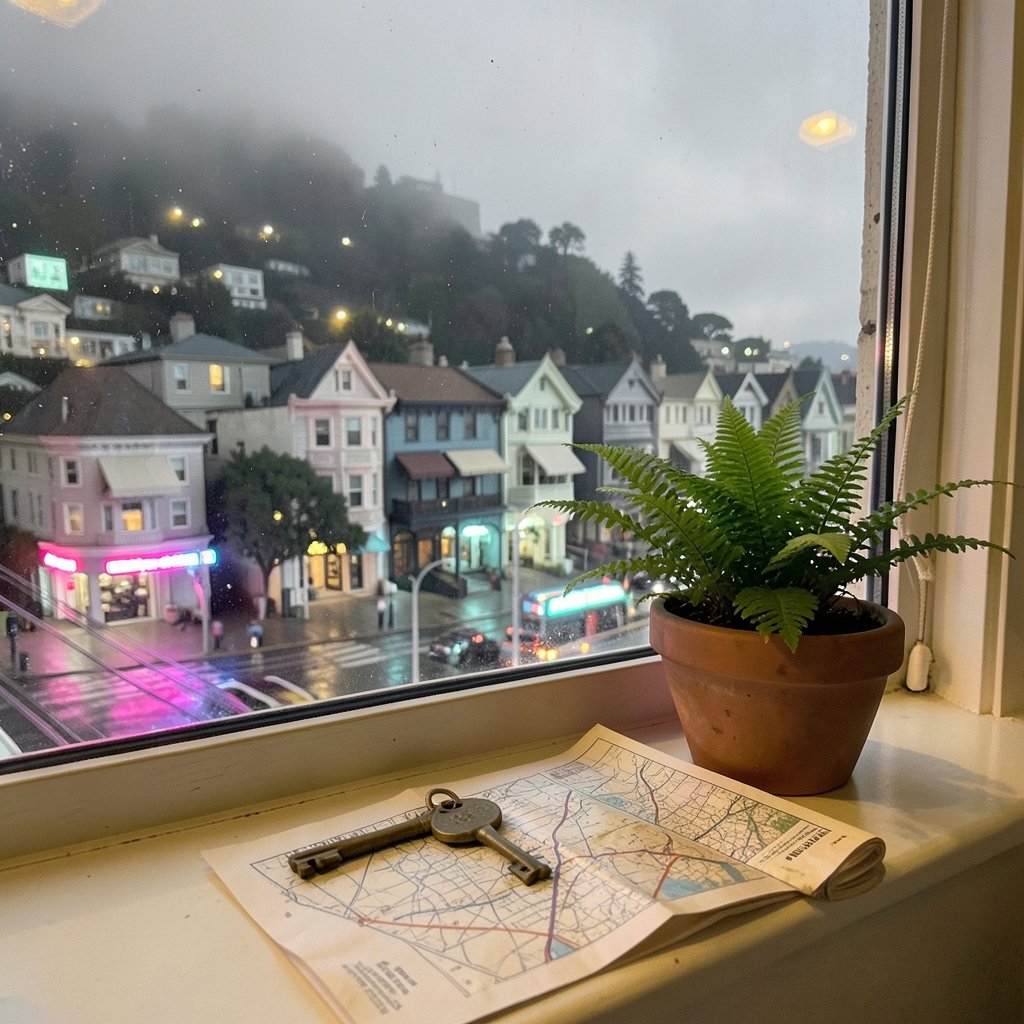
What if the single most important decision about your San Francisco trip isn’t which bridge to photograph or which sourdough bakery to queue for, but which block you sleep on? That question sounds dramatic, but anyone who has lugged a suitcase up a steep hill in the fog will tell you it’s true. San Francisco is a small city by area and a giant one by personality. The neighborhood you choose shapes your mornings, your commute to the sights, and even how much you walk. This guide breaks down the best hotels in San Francisco by area and by travel style, with practical detail about what each kind of stay actually delivers.
Why Location Beats Almost Everything Else in San Francisco
The city covers roughly 47 square miles, yet its microclimates and hills make distance deceptive. A hotel that looks close to Fisherman’s Wharf on a map can be a 25-minute walk from the neighborhoods you actually want to explore. Two rules of thumb hold up in practice:
- Check the elevation change between your hotel and the nearest transit stop, as well as the distance.
- Look at what is within a five-minute walk for breakfast and coffee, because you will use that each morning.
Fog is a real planning factor too. The western neighborhoods sit under a summer marine layer while the Mission and SoMa often bask in sun. Travelers who book a hotel near Ocean Beach in July sometimes spend their mornings waiting for the sky to clear.
The Main Hotel Districts at a Glance

Before naming specific properties, it helps to understand what each district offers. Here is the honest comparison.
| District | Best for | Trade-offs | Typical nightly range |
|---|---|---|---|
| Union Square | First-timers, shopping, transit access | Busy, touristy, some street noise | $200–$500 |
| SoMa | Museums, tech scene, modern design hotels | Spread out, quieter at night in spots | $220–$550 |
| Nob Hill | Historic grand hotels, views | Steep climbs, fewer casual eateries | $250–$600 |
| Fisherman’s Wharf | Families, waterfront, Alcatraz ferries | Tourist-heavy, chain-dominated | $180–$400 |
| The Mission | Food, nightlife, local feel | Fewer traditional hotels, edgier blocks | $150–$350 |
| Pacific Heights | Quiet elegance, boutiques | Limited transit, hilly | $250–$600 |
Rates swing wildly with conventions and seasons, so treat the ranges above as rough orientation rather than quotes.
Union Square and Downtown: The Convenient Base Camp
Union Square remains the default for first-time visitors, and for good reason. Cable cars, BART, and dozens of bus lines converge here, and the theatre district is a short walk away. The area suits travelers who want a classic city hotel with doormen, gyms, and room service.
The practical catch is noise and crowds. Hotels facing the square itself can be lively late into the evening. Ask for a room on a higher floor facing away from the square, and you will sleep far better. Another insider move: the blocks just west, toward Union Square’s quieter edges and the Tenderloin border, offer lower rates but require more care about which streets you walk at night.
SoMa and the Waterfront: Modern Design and Museums
South of Market has become the city’s design-hotel laboratory. Glass towers, converted warehouses, and boutique properties with serious architecture line the streets between the Moscone Center and Oracle Park. This is the zone for travelers who care about a hotel’s look and feel as much as its location. If that instinct sounds familiar, it connects to a broader travel trend: people increasingly seek out hotels that feel like a destination in their own right, and SoMa delivers plenty of candidates. (Hotel)
SoMa’s strengths are SFMOMA, the Yerba Buena Gardens, and easy access to the Embarcadero. Its weakness is sprawl. Some blocks feel deserted after office hours, so check the walk to dinner before booking a bargain rate near the freeway side of the district.
Nob Hill and Pacific Heights: Old-School Grandeur
Nob Hill is where San Francisco puts its history on display. Grand hotels with marble lobbies, vintage elevators, and cocktail bars with city views cluster around the crest of the hill. Staying here feels like stepping into the city’s gilded past, and the views from upper floors can be spectacular.
The trade-off is the climb. Cable cars help, but waits can stretch at peak times. Travelers with mobility concerns should weigh this carefully or choose a hotel closer to the Powell Street lines. Pacific Heights, further west, offers quieter boutique stays near Fillmore Street’s restaurants and the Presidio’s trails. It suits repeat visitors who have already ticked off the big sights.
Fisherman’s Wharf: Family-Friendly and Waterfront
The Wharf gets dismissed by locals, but it works brilliantly for certain trips. Families with young kids appreciate the flat terrain, the sea lions at Pier 39, and the short hop to Alcatraz ferries. Hotels here tend toward larger chains with pools and suites, which is exactly what some travelers need.
Be realistic about the atmosphere: it is tourist-central, with wax museums and souvenir shops. If you want a sense of the real city, the Wharf is a poor base. If you want convenience with children, it is hard to beat.
The Mission and Beyond: Local Neighborhood Stays
The Mission District has become the city’s most exciting food neighborhood, and its hotel stock is slowly catching up. Boutique properties and small inns now sit within walking distance of taquerias, wine bars, and murals along Balmy Alley. Rates here often undercut downtown by a meaningful margin.
The catch is inconsistency. Some blocks are wonderful; others are gritty. Read recent reviews carefully and favor hotels near Valencia Street for the easiest introduction. Beyond the Mission, neighborhoods like Hayes Valley and the Marina offer small design-led inns that reward travelers who prioritize local character over loyalty points. That same instinct drives travelers toward intimate properties in other cities too, from the best boutique hotels in Copenhagen where design, history, and comfort meet to the riads of Marrakech, and it translates well to San Francisco’s smaller inns.
The Boutique Hotel Scene: Small, Stylish, and Sometimes Quirky
San Francisco’s boutique hotels tend to occupy historic buildings: converted Victorian mansions, old publishing houses, former factories. The appeal is character, personalized service, and rooms that do not look like every other chain property. The risk is inconsistency. Older buildings mean variable room sizes, thin walls in some cases, and plumbing with opinions.
Practical tips that genuinely help:
- Book directly with small properties when possible, because room assignments often improve for guests who call ahead.
- Ask about street-facing rooms; the city’s cable cars and late-night crowds are charming until 1 a.m.
- Confirm whether breakfast is included, since it can save $15–$25 per person per day.
- Check for a real lobby or lounge, which matters on foggy afternoons when you want somewhere comfortable to read.
Travelers building an itinerary around design-forward small hotels often research in clusters, comparing cities before committing. Guides to the best boutique hotels in Cape Town and where to stay follow the same logic: neighborhood first, property second.
What Solo Travelers Should Know
San Francisco is a good solo-travel city: walkable, transit-rich, and full of counter seating. Solo travelers often do best in Union Square or SoMa, where it is easy to join tours, grab a bar seat, and walk home after dark on well-lit streets. Smaller boutique hotels sometimes offer single rooms at lower rates, though inventory is limited.
Safety advice is worth stating plainly: avoid the Tenderloin late at night, keep to busy streets after dark, and do not leave anything visible in a rental car. Car break-ins are a persistent problem citywide, and it is the single most common mistake visitors make.
How to Choose: A Quick Decision Framework
Work through these steps in order and the shortlist builds itself.
- Decide your priority: convenience, character, or budget.
- Match it to a district using the table above.
- Set a realistic nightly ceiling, then add roughly 16 percent for the city’s hotel tax.
- Read reviews from the last three months only, since management changes fast.
- Confirm the walk to the nearest transit stop and a breakfast spot.
- Book refundable rates when visiting in summer, because fog and events can shift plans.
Common Mistakes That Hurt a San Francisco Stay
The biggest error is booking purely on price near Union Square’s rougher edges without checking the block. The second is underestimating hills: a hotel “0.4 miles away” can involve a 200-foot climb. The third is renting a car. Parking runs $50–$80 per night at many hotels, and transit plus rideshares usually costs less. Finally, many visitors pack for California sunshine and freeze in July fog; layers are not optional.
Conclusion
The best hotels in San Francisco are not a single list but a matching exercise. Union Square wins for first-timers who want transit and tradition. SoMa suits design lovers and museum-goers. Nob Hill rewards travelers who want grandeur and views. Fisherman’s Wharf makes family logistics easy. The Mission and smaller neighborhood inns offer local flavor at gentler prices. Choose the district that fits how you actually want to spend your days, verify the details that reviews reveal, and the city will do the rest.
Frequently Asked Questions
Which area of San Francisco is best for first-time visitors?
Union Square and Downtown are the safest bets. They offer the easiest transit access, the widest hotel choice, and walkable access to major sights. Travelers who prefer modern design often choose SoMa instead, while families frequently favor Fisherman’s Wharf for its flat terrain and waterfront attractions.
How much should I budget per night for a hotel in San Francisco?
Expect roughly $200 to $500 per night for mid-range to upscale rooms, with significant swings around conventions and summer weekends. Add about 16 percent for hotel tax. Budget properties exist but are limited; hostels and smaller inns in the Mission can bring costs down considerably.
Is it safe to stay near Union Square?
Yes, Union Square itself is busy and well-patrolled, and it is generally comfortable at night. The adjacent Tenderloin has a higher concentration of street-level issues, so choose blocks carefully and stick to main streets after dark. Standard city precautions apply.
Do I need a car when staying in San Francisco?
No, and most visitors are better off without one. Parking at hotels commonly runs $50 to $80 per night, and the city’s transit, cable cars, and rideshares cover nearly everything. A car is mainly useful for day trips to Muir Woods or the wine country.
What is the best time of year to book a San Francisco hotel?
September and October typically offer the clearest, warmest weather, which also makes them busy and expensive. Spring is a good balance of price and conditions. Summer brings fog in the western neighborhoods, so travelers who want sunshine should favor the eastern side of the city.
Are boutique hotels in San Francisco worth the higher price?
Often, yes, if character and service matter more to you than loyalty points. Boutique properties tend to occupy historic buildings with distinctive rooms and attentive staff. The trade-off is inconsistency, so check recent reviews and confirm details like room size, noise, and whether breakfast is included before booking.
For travelers who want to extend the logic further, pairing a city stay with nearby excursions is worth planning in advance: a day trip to Muir Woods or the wine country is far easier when your hotel sits near a major transit hub or rental pickup point. Whatever you choose, book with a clear sense of your priorities, confirm the details that matter most, and leave room in the itinerary for the city’s unplanned pleasures — a cable car ride at dusk, a sudden view of the bay, a neighborhood café that turns into an afternoon. San Francisco rewards travelers who plan carefully but stay curious.