
Slip ‘N Slide With Slide: What You Get & Safe Setup
 Abdul WadoodLast updated

What happens when you take the classic backyard sheet of wet plastic and add an actual slide to it? That’s the idea behind a slip ‘n slide with slide setup, and it changes both the fun and the risk profile in ways most buyers don’t think about until someone gets hurt. (Luxury packaging premium brands get right where they slip)
The phrase itself is a bit slippery. Sometimes it describes a Wham-O-style water sheet that now ships with a small inflatable ramp or slide at the end. Sometimes it means a water-park attraction where a slide dumps riders into a shallow splash runout. And sometimes it’s just a shopper typing “slip n slide with slide” into a search bar because they want the version with more structure than a plain plastic mat. (Style slip dress day layering tricks that work)
This guide sorts out the differences, covers what the safety record actually says, and gives practical guidance on setup, age limits, and the mistakes that turn a fun afternoon into a trip to the emergency room.
What “slip n slide with slide” usually means
The original Slip ‘N Slide is a Wham-O brand product: a long sheet of plastic laid on grass, soaked with a hose, that people run and slide along on their stomachs. It’s been a backyard staple since the early 1960s and the name has become generic, like “Kleenex” or “Band-Aid.”
A “with slide” version adds a raised element. In practice, that takes three forms:
| Type | What it is | Typical setting |
|---|---|---|
| Backyard combo kit | A water sheet plus an inflatable ramp, boogie board, or short slide at the launch end | Home lawn |
| Inflatable slide-and-splash unit | A full inflatable structure with a climbing wall, slide chute, and splash pool at the bottom | Home lawn or party rental |
| Water-park runout | A commercial slide whose exit chute feeds into a shallow slide-out lane | Aqua park |
The backyard combo is what most shoppers mean. The inflatable unit is the pricier, bulkier option. The water-park version isn’t something you buy at all, though it’s worth knowing about because the injury pattern there is similar.
How the classic version actually works
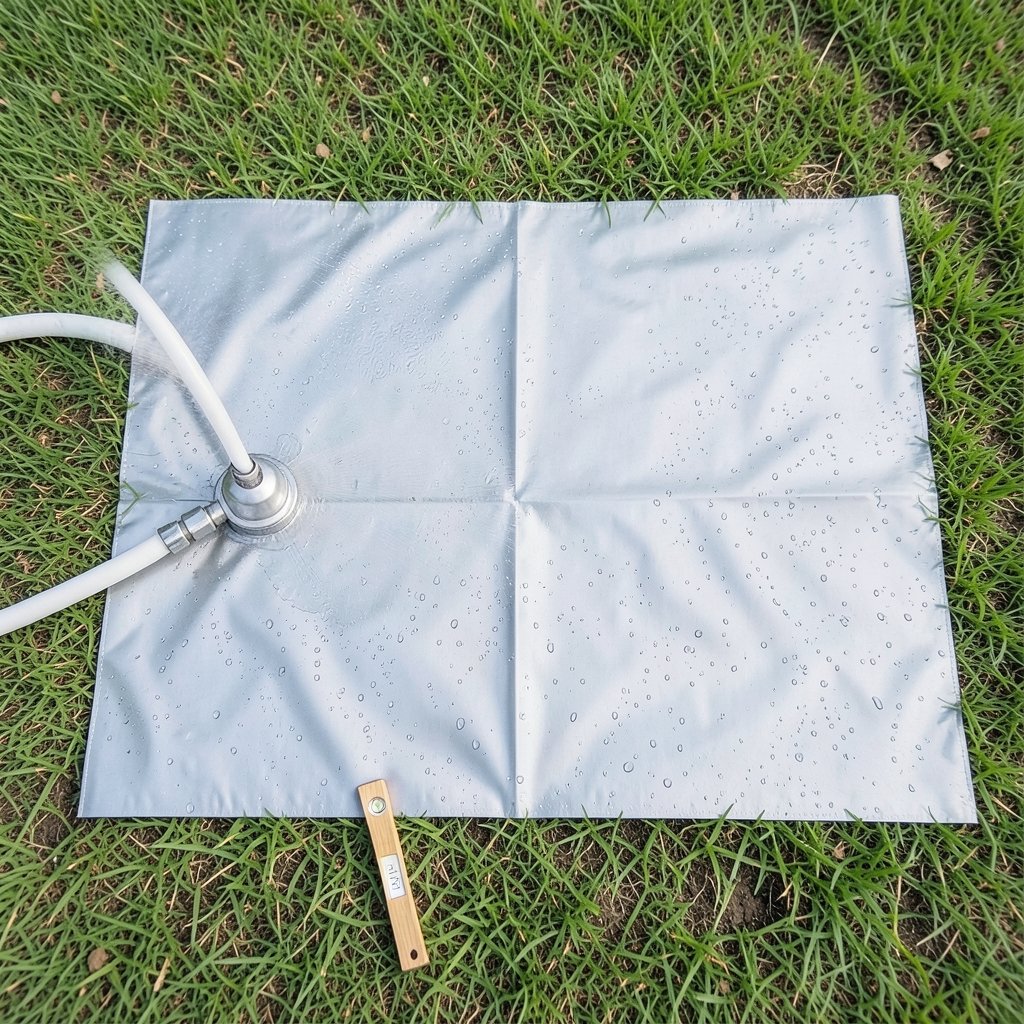
The physics are simple, and understanding them explains both the fun and the danger. Wet plastic on grass has very low friction. A running start plus body weight plus water equals a long, fast glide. The sheet needs continuous water flow, a slight downhill grade helps, and the surface underneath must be soft and clear.
The add-on slide changes the launch. Instead of running from a standing start, riders climb a small ladder or ramp and drop in with more speed and less control over their body position. That extra momentum is exactly what makes the combo appealing and exactly what makes it riskier.
A few practical setup points that experienced users tend to agree on:
- Pick level or gently sloped ground with no roots, rocks, or sprinkler heads underneath.
- Soak the ground first, as well as the plastic. Dry grass under a wet sheet creates a hard, unforgiving surface.
- Run the hose to the top end so water flows down the length of the sheet continuously.
- Anchor the edges with the included stakes, or with tent pegs if the kit skimps on hardware.
- Clear the runout zone for at least twice the length of the sheet. Riders do not stop where the plastic ends.
That last point is the one people skip. A slide that ends three feet from a fence or a patio edge is an injury waiting to happen.
The safety record you should know before buying
This is the part that deserves real attention, because the injury pattern is well documented and consistent.
Neck and spinal injuries are the headline risk. Sliding headfirst, diving onto the sheet, and collisions at the end of the run are the usual mechanisms. Adults and older teens are overrepresented in serious cases, largely because adult body weight and speed generate forces the product was never designed for. The product’s own instructions have long carried weight and age limits for this reason.
The U.S. Consumer Product Safety Commission has issued warnings and recalls related to slip-and-slide style water toys over the decades. If you’re buying new or secondhand, it’s worth checking the CPSC’s recall database for the specific model before you inflate or unroll it.
The pattern shows up in the medical literature too. Case reports and epidemiological studies in journals such as Pediatrics and the Journal of Trauma have described spinal cord injuries from backyard water slides, with a recurring theme: headfirst sliding and inadequate water depth or surface softness. The mechanism is not mysterious. A body moving fast on a low-friction surface, meeting a sudden stop or a shallow angle, transfers force into the neck.
What that means in practice:
- Never slide headfirst. Feet-first, on the stomach, or on an inflatable board only.
- One rider at a time. Collisions between a slider and someone standing in the runout are a common cause of injury.
- Respect the weight and height limits printed on the box. They exist for a reason.
- No diving, no flips, no running starts from a sprint on the combo versions with a raised launch.
- Supervise children constantly. A wet plastic sheet is not a babysitter.
None of this makes the product unreasonable. It makes it a piece of equipment with rules, like a trampoline or a bike.
Age, weight, and who should sit this one out
Manufacturers typically set a minimum age around 5 to 8 for the classic sheet, with weight limits often in the 100 to 120 pound range per rider. Inflatable slide-and-splash units vary widely, so read the specific label rather than assuming.
Groups that should generally avoid it:
- Adults and heavier teens on sheets rated for children. This is the single biggest mismatch in real-world use.
- Anyone with neck, back, or spine conditions.
- Pregnant people.
- People with balance or coordination issues that make a controlled stop difficult.
The awkward truth is that the adults setting up the slide are often the ones most likely to get hurt on it. If the grown-ups want in, a properly rated inflatable unit with a deep splash pool is the safer route than a thin sheet on grass.
Backyard sheet vs. inflatable combo vs. water-park runout
Each format has a different risk-and-fun balance. Here’s how they compare in practical terms.
| Factor | Classic sheet | Inflatable slide combo | Water-park runout |
|---|---|---|---|
| Setup time | 10 to 15 minutes | 30 to 60 minutes, plus inflation | None (venue handles it) |
| Cost | Low | Mid to high | Admission fee |
| Rider control | Low | Moderate | Moderate |
| Typical injury risk | Neck and spine from headfirst slides | Falls from height, collisions at the bottom | Similar to sheet, but supervised |
| Best for | Kids 5 to 12 on soft grass | Mixed-age groups with supervision | Families wanting a managed environment |
The water-park version is worth a mention because the runout design is the key safety feature. A shallow slide-out lane with proper depth and a clear stopping distance is what separates a managed attraction from a hose and a sheet. If you’re choosing an aqua park for a family day, the quality of the runout and the lifeguard coverage matter more than the height of the slide. Places that get the slide-out lane right tend to be the ones worth the drive.
Choosing a kit that won’t fall apart by August
Cheap water slides fail in predictable ways: seams split, stakes bend, the plastic tears at the hose connection, and the inflatable ramp loses air overnight. A few buying signals separate the durable from the disposable.
Look at the seam construction. Heat-welded or double-stitched seams outlast glued ones. On inflatables, check whether the seams are reinforced at the stress points where the slide meets the pool.
Check the stake count and quality. A long sheet needs stakes every few feet on both sides. Kits that include four flimsy plastic pegs are telling you something about the rest of the build.
Read the weight rating per rider, as well as the total. A unit rated for 250 pounds total might mean two riders at 125 each, not one adult at 240.
Consider the hose connection. A reinforced collar at the water inlet prevents the most common tear.
Think about storage. Deflated inflatables take up real space and need to dry completely before folding, or they grow mildew. That’s a detail that separates a product you’ll use for years from one you’ll throw out in September.
The same logic applies to footwear on wet, slick surfaces around these setups. The best slides for men are the ones that actually grip when wet, because a slip on the grass beside the sheet is its own injury risk.
Common mistakes that ruin the day
Most bad outcomes trace back to a handful of avoidable errors.
Skipping the ground check. A single buried rock or a tree root under the plastic is enough to cause a serious injury. Walk the entire length barefoot before you lay anything down.
Under-watering. A sheet that’s damp rather than soaked creates friction burns and erratic sliding. Keep the hose running the whole time.
Letting riders queue at the bottom. The runout zone must stay clear. Post someone there whose only job is to move people along.
Ignoring the weight limit because “it’ll probably be fine.” It usually is, until it isn’t.
Using it on a slope that’s too steep. A gentle grade is fun. A steep hill turns a controlled slide into a launch ramp.
Forgetting sun and hydration. A full afternoon on a water slide in direct sun dehydrates kids fast. Shade and water breaks are part of the setup, not an afterthought.
Making the setup last and stay fun
A few habits extend both the product’s life and its safety margin.
Rinse and dry the sheet or inflatable completely before storage, and store it out of direct sun, which degrades plastic fast. Inspect seams and stakes at the start of each season. Replace any torn plastic immediately rather than taping it, since tape creates a snag point.
Rotate activities so kids aren’t doing the same slide for three hours straight. Fatigue leads to sloppy body position, and sloppy body position on a water slide is how injuries happen. Set a rule that anyone who breaks a safety rule sits out for ten minutes. It sounds fussy; it works.
And if the appeal is really about the whole water-play experience rather than the sheet itself, a managed aqua park day scratches the same itch with lifeguards and engineered runouts. The trade-off is cost and crowds versus control and convenience.
Conclusion
A slip ‘n slide with slide is a genuinely great backyard upgrade, provided you go in knowing what you’re buying. The classic sheet is cheap, fast to set up, and best suited to kids on soft, cleared grass. The inflatable combo adds structure and a splash pool but demands more setup time and more supervision. The water-park version is the safest of the three because someone engineered the runout on purpose.
The through-line is control. Feet-first only, one rider at a time, weight limits respected, runout zone clear, hose running. Get those right and the slide does what it’s supposed to do: turn a hot afternoon into the best two hours of the week. Get them wrong and the injury pattern is well known enough that nobody gets to claim surprise.
Frequently asked questions
What is a slip ‘n slide with slide?
It usually means a water-slide toy that combines the classic wet plastic sheet with an added element, such as an inflatable ramp, a short slide chute at the launch point, or a splash pool at the end. It can also describe a water-park attraction where a slide feeds into a shallow runout lane.
Is a slip and slide safe for adults?
Generally not on sheets designed for children. Adult body weight and speed generate forces the product isn’t built for, and adults are overrepresented in serious neck and spinal injury cases. Adults should only use units explicitly rated for their weight, and should still slide feet-first.
Can you get hurt sliding headfirst?
Yes, and it’s the most common mechanism for serious injury. Headfirst sliding removes your ability to control your head position, and a sudden stop or shallow angle transfers force into the neck. Feet-first or on an inflatable board is the safer approach.
How much water does a slip and slide need?
Enough to keep the entire surface continuously wet, rather than merely damp. A hose running at the top end for the whole session is the standard approach. Under-watering causes friction burns and unpredictable sliding, which is more dangerous than a properly soaked sheet.
What should go under a slip and slide?
Soft, level grass with no rocks, roots, or debris. Soak the ground before laying the plastic, since dry ground under a wet sheet is hard and unforgiving. Never set one up over concrete, gravel, or a slope steep enough to turn the slide into a launch ramp.
How do you store a slip and slide so it lasts?
Rinse it, dry it completely, and store it out of direct sunlight. Mildew and UV degradation are the two things that kill these products fastest. Inspect seams and stakes at the start of each season and replace torn plastic rather than patching it.