
Pretty Hand Tattoos: Designs, Pain & Cost Guide 2026
 Abdul WadoodLast updated

A hand tattoo is one of the few body modifications you cannot hide with a sleeve on a Tuesday morning. It sits on the steering wheel, in every handshake, on every video call. That visibility is exactly why hand tattoos have become a statement piece rather than an afterthought, and why the most common regret in tattoo forums is not the design itself but the placement. The hand is one of the most technically demanding canvases on the body, and a design that looks delicate and pretty on paper can blur into a gray smudge within a few years if the artist, the style, and the aftercare are not chosen carefully. (Tattoo)
This guide covers what actually works on hands, what fades, what it costs, and how to decide whether a pretty hand tattoo is the right move for you.
Why Hands Are a Different Kind of Canvas
Skin on the back of the hand and fingers is thin, sits directly over bone and tendon, and gets washed, scrubbed, and sun-exposed more than almost any other body part. That combination creates three practical consequences.
First, ink retention is lower. There is less fatty tissue to hold pigment, and the constant cell turnover from hand-washing pushes ink out faster. Fine lines that look crisp on day one often soften noticeably within the first year.
Second, pain is higher. Nerve endings are dense in the fingers and knuckles, and there is little muscle to cushion the needle. Most artists describe the hand as one of the more painful placements, comparable to ribs or feet, though pain tolerance varies enormously from person to person.
Third, visibility has real-world consequences. Some employers maintain dress codes that restrict visible tattoos, and rules vary by industry, region, and role. It is worth checking your own workplace policy before booking rather than after.
The Pretty Hand Tattoo Styles That Actually Hold Up
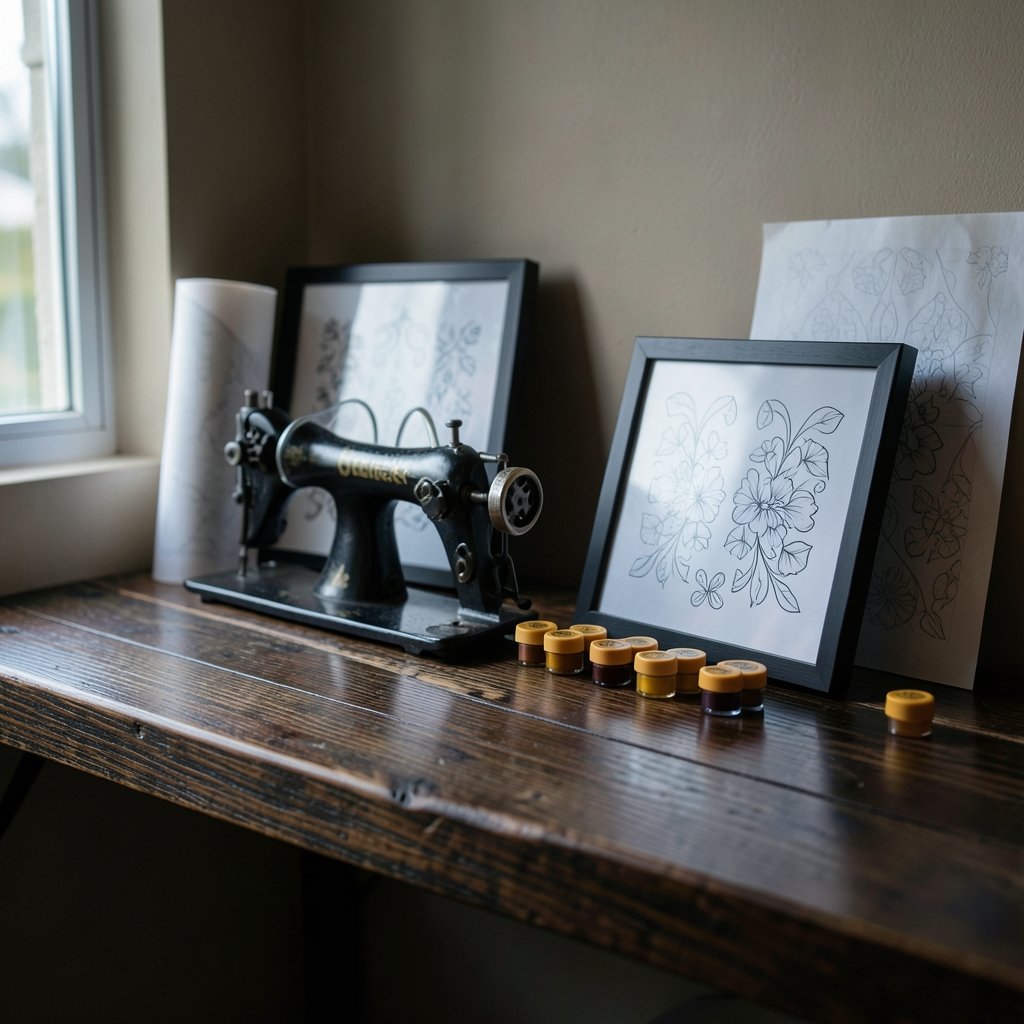
Not every aesthetic survives on a hand. Styles built on hairline detail and soft gradients look beautiful in a fresh photo and patchy six months later. The styles below are the ones artists most often recommend for this placement, ranked by how well they age.
| Style | Aging on hands | Best suited to | Main risk |
|---|---|---|---|
| Bold linework / traditional | Very good | Full hand, knuckles | Can look heavy on small hands |
| Ornamental / mandala | Good | Back of hand, wrist edge | Symmetry must be perfect |
| Floral with bold outlines | Good | Back of hand, thumb | Petals need thick enough lines |
| Fine-line micro | Fair | Fingers, side of hand | Fades and blurs fastest |
| Lettering / script | Fair to poor | Fingers, knuckles | Legibility drops as ink spreads |
| Watercolor / no outline | Poor | Not recommended | Almost always muddies |
Fine-Line and Micro Realism
Fine-line work is the style most people picture when they say pretty. Single-needle florals, tiny stars, delicate script, and minimal geometric shapes all fall into this category. The trade-off is honest: the thinner the line, the shorter its lifespan on a hand. Artists who specialize in this style often recommend going slightly bolder than the reference image to buy extra years.
Ornamental and Mandala Designs
Symmetric ornamental patterns suit the back of the hand unusually well because the shape of the hand gives the design a natural frame. These designs rely on clean geometry rather than shading, which makes them more forgiving over time. Expect the artist to spend significant time on the stencil to get the alignment right across knuckles and tendons.
Florals, Botanicals, and Nature Motifs
A bold-outlined rose, a sprig of lavender, or a small bird works well when the outline is confident and the shading is limited. Botanical designs age better when they use the hand’s anatomy, for example a stem running along a finger rather than a flower floating in the middle of the back of the hand.
Lettering and Script
Names, dates, and short words remain popular on fingers and knuckles. Be realistic: letters on fingers spread and soften faster than almost any other design, and a word that reads clearly at six months may be fuzzy at three years. Short words in bold, simple fonts last far better than long phrases in delicate script.
What a Pretty Hand Tattoo Costs
Pricing varies enormously by city, artist reputation, and complexity. Hand tattoos are usually priced as a custom piece rather than a flat minimum, because the placement takes longer than the size suggests. A rough range looks like this:
| Scope | Typical price range (USD) | Time in chair |
|---|---|---|
| Single small finger tattoo | $80–$200 | 20–40 minutes |
| Two to three fingers | $150–$400 | 45–90 minutes |
| Back of hand, small design | $200–$500 | 1–2 hours |
| Back of hand, detailed piece | $400–$900 | 2–4 hours |
| Full hand (back plus fingers) | $700–$1,500+ | 4–8 hours, often two sessions |
Touch-ups are common and often free within a set window, typically three to six months. Ask about the studio’s touch-up policy before you book, because hand tattoos almost always need one.
How to Choose an Artist for Hand Work
This is where most first-timers go wrong. A talented artist who does beautiful forearm work may have little experience with hands, and hands punish inexperience.
Practical checks that actually work:
- Look specifically for healed photos of hand tattoos, not fresh ones. Fresh photos hide everything that matters.
- Ask how the artist handles finger placement, since wrapping a stencil around a curved, moving surface is a distinct skill.
- Confirm the artist will adjust your reference to suit the placement rather than tracing it exactly.
- Ask what line weight they recommend and why. A good answer references how ink spreads over time.
- Check that the studio uses proper hygiene practices, including single-use needles and sterile setup.
A useful rule of thumb: if an artist hesitates or tries to talk you into a different body part, take that seriously. Experienced artists turn down hand tattoos regularly, and it is usually a sign of professionalism rather than rudeness.
Pain, Healing, and Aftercare in Practice
Hand tattoos hurt. The most painful spots are typically the fingers, the webbing between them, and the knuckles, where the needle sits close to bone. Sessions are short, which helps, but the intensity is real. Eating beforehand, staying hydrated, and avoiding alcohol for 24 hours before the appointment all make a measurable difference.
Healing is where pretty hand tattoos are won or lost. The hand is exposed to water, soap, friction, and sunlight constantly, and the standard advice to keep a tattoo dry and clean is harder to follow here than anywhere else.
What works in practice:
- Keep the initial bandage on for the time your artist specifies, then wash gently with fragrance-free soap and pat dry.
- Apply a thin layer of recommended ointment, not a thick one. Suffocating the skin causes more problems than it solves.
- Expect peeling around days four to seven. Do not pick or scratch.
- Use sunscreen on the healed tattoo permanently. Sun exposure is the single biggest cause of fading, and hands get more of it than any covered area.
- Avoid long baths, swimming, and heavy hand-washing for the first two weeks where possible.
What does not work: wrapping the tattoo in plastic film for days, using petroleum-heavy ointments in thick layers, or “letting it breathe” while scrubbing dishes. Consistency beats intensity during the healing window.
Common Mistakes People Make
Some patterns show up again and again.
Going too small. A design that is tiny on paper becomes a blurry dot on skin. Small designs need thicker lines, not thinner ones.
Choosing a design that ignores the hand’s shape. Designs that run with the fingers and tendons look intentional. Designs stamped in the center of the hand often look misplaced.
Skipping the employment check. A visible hand tattoo can affect hiring in some fields, and removal is far more expensive than the tattoo itself. Laser removal typically requires multiple sessions and costs significantly more than the original piece.
Underestimating the touch-up. Budget for one touch-up and one round of sunscreen purchases. Both are part of the real cost.
Booking the cheapest option. On hands, technical skill is not a luxury. It is the difference between a design that holds for a decade and one that needs covering within two years.
Placement Ideas That Work With the Hand’s Anatomy
The back of the hand is the most popular placement because it offers the largest flat-ish surface. A design centered between the wrist and knuckles, running lengthwise along the hand, tends to look most natural.
The side of the hand and the outer edge of the palm offer a subtler option that is easier to cover with a watch or sleeve.
Fingers work best with single motifs, one per finger, or a short word split across the knuckles. Symmetry matters more here than anywhere else, so expect careful stencil work.
The wrist edge, where the hand meets the forearm, is a useful compromise: visible but easier to conceal than knuckles, and it holds ink better than fingers.
Conclusion
A pretty hand tattoo is a genuine commitment, but it is not a reckless one. The people who end up happiest with theirs tend to share three habits: they chose an artist with proven healed hand work, they sized the design up rather than down, and they treated sunscreen as a non-negotiable part of the deal. The style matters less than the execution. A bold, simple floral that suits the shape of your hand will look better in five years than an intricate fine-line piece that was never built for a surface that gets washed forty times a day.
If you are still deciding, spend a month looking at healed hand tattoos specifically, not fresh ones. That single habit will tell you more about what lasts than any design gallery.
Frequently Asked Questions
How much does a pretty hand tattoo cost?
Most hand tattoos fall between $200 and $900 depending on size and detail, with full hand coverage running $700 to $1,500 or more. Finger tattoos are usually the cheapest at $80 to $200 each. Always budget an extra amount for a touch-up session, which hand tattoos frequently need.
Do hand tattoos fade faster than other tattoos?
Yes. The skin on the hand is thin, sits over bone, and is exposed to constant washing, friction, and sunlight. Fine lines blur and soften faster here than on the forearm, back, or thigh. Bolder outlines and simpler designs hold up noticeably better than hairline detail.
How painful is a hand tattoo?
Most people rate the hand as one of the more painful placements, especially the fingers, knuckles, and the webbing between fingers. Sessions are short, which makes it manageable, but the intensity per minute is high. Pain tolerance varies widely between individuals.
Will a hand tattoo affect my job prospects?
It can, depending on your field and region. Some employers have dress codes that restrict visible tattoos, and policies vary widely. Check your own workplace rules and consider your career path before committing to a highly visible placement.
What is the best style for a first hand tattoo?
Bold linework, ornamental patterns, and florals with confident outlines tend to age best. Fine-line and micro designs are popular but fade fastest on hands. Whatever style you choose, ask your artist to thicken the lines slightly compared to your reference image.
Can a hand tattoo be removed later?
Yes, but laser removal is a longer and more expensive process than most people expect, often requiring multiple sessions spread over months. Removal works best on darker ink and can be less effective on certain colors. It is far cheaper to choose the placement carefully the first time.