
Small Tattoos: Essential Guide Before You Go Tiny
 Abdul WadoodLast updated
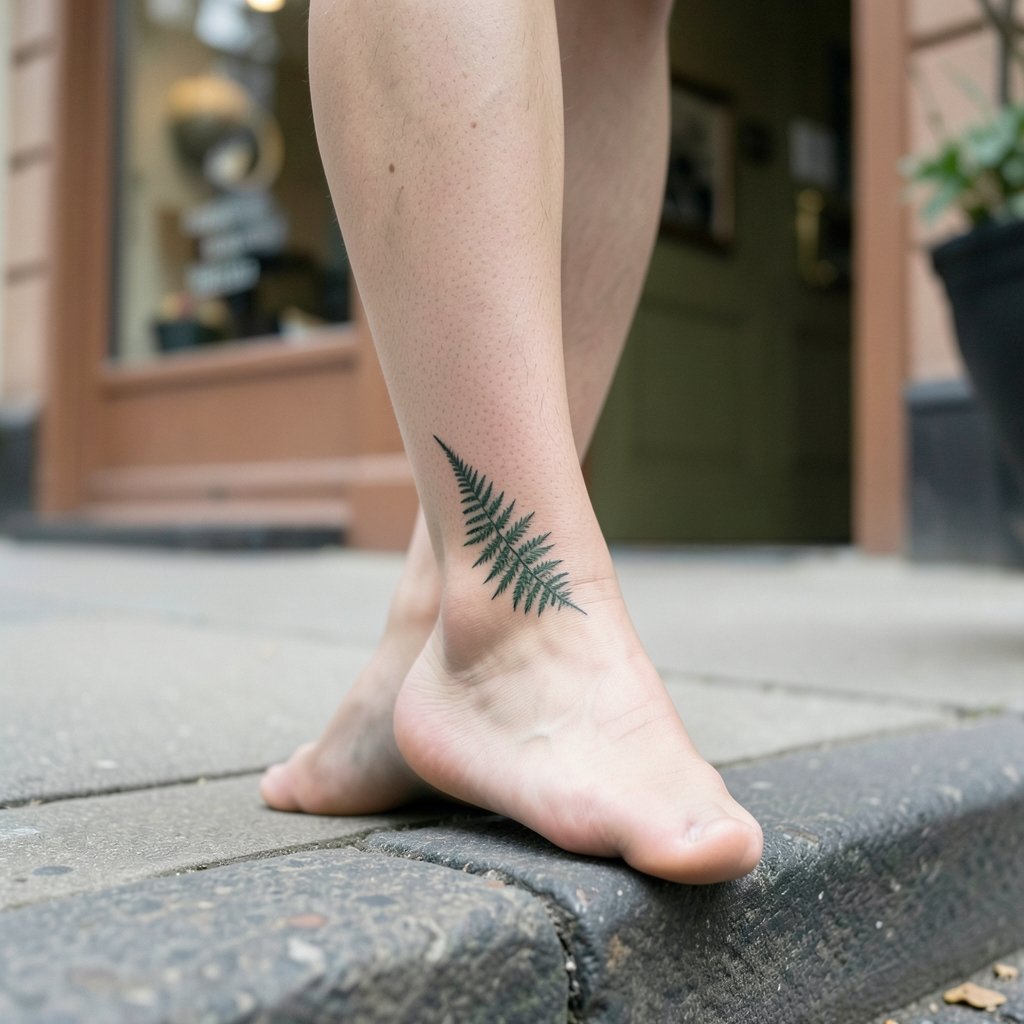
A few square centimeters of ink can cost more per minute than a dental filling — and demand more skill than a full sleeve. That is the strange economics of small tattoos, the category that has quietly taken over studio books. Walk into almost any shop today and a good share of the requests will be tiny: a single word on a rib, a two-centimeter fern on an ankle, a fine line of script behind an ear. They look simple. They are not.
This guide covers what small tattoos actually involve, where they work and where they fail, how to brief an artist, what to expect from healing, and the mistakes that send people back for a cover-up six months later.
Why Tiny Ink Went Mainstream
Small tattoos are not new. Sailors got tiny anchors and swallows for a century. What changed is who wants them and how they find designs. Image-sharing platforms reshaped tattoo aesthetics around the mid-2010s, pushing fine line, micro-realism, and single-needle styles into mainstream visibility. A design that photographs well at close range travels fast online, and small tattoos photograph beautifully. (Tattoos and piercings: What to know)
There are practical drivers too. A small tattoo fits into a lunch break. It can be hidden under work clothes. It costs less than a large piece, at least in total. And for a first-timer, it feels like a lower-stakes commitment.
That last point deserves scrutiny. Small does not mean low-commitment. It means high precision on a small canvas, which is a different challenge entirely.
What Counts as a Small Tattoo?

There is no official threshold, but the trade generally treats anything under roughly 5 cm (2 inches) in its longest dimension as small, and under 2.5 cm as micro. Size class matters because it predicts what a design can hold.
| Size class | Typical dimensions | What holds up well | What fails |
|---|---|---|---|
| Micro | Under 2.5 cm | Simple line symbols, single letters, dots, tiny geometric shapes | Lettering of more than 2–3 words, faces, detailed florals |
| Small | 2.5–5 cm | Short script, small florals, minimalist animals, small symbols | Fine gradients, crowded detail, multiple elements |
| Small-plus | 5–8 cm | Detailed single-subject designs, small portraits | Anything needing more than one focal point |
The rule of thumb artists repeat: detail needs room. Every line needs space around it. Shrink a design and the lines crowd together. Once ink sits closer than about a millimeter apart, it starts to blur into a single smudge within a few years.
The Honest Downsides Nobody Mentions at the Consultation
Small tattoos have real trade-offs, and a good artist will name them before taking a deposit.
Fine lines fade first. Very thin lines, especially single-needle work, look crisp on day one and soften over time. Sun exposure accelerates this. A design that relies on hairline strokes will need touching up sooner than a bold one.
Aging changes proportions. Skin stretches and sags. A tiny tattoo on a stomach, inner arm, or chest can distort over decades. Placement on firmer, less sun-exposed areas — upper back, outer forearm, ankle — tends to hold its shape longer.
Blowout risk rises. Blowout is ink spreading sideways under the skin, creating a blurry halo. It happens when a needle goes too deep, and it is more visible on small, delicate designs because there is less surrounding ink to hide it. Thin skin areas — ribs, inner wrist, behind the ear, fingers — are the usual culprits.
Fingers and hands are a gamble. Ink on the sides of fingers and palms fades fast because skin there regenerates quickly. Many artists refuse finger tattoos or warn that a touch-up will likely be needed within a year.
Cheap small tattoos are often the most expensive. A tiny design done badly is hard to fix. Cover-ups need to be significantly larger than the original, so a botched 2 cm tattoo can become a 10 cm one.
How to Brief an Artist So the Design Survives
The most common mistake is arriving with a screenshot from a phone and asking for it “exactly like this, but smaller.” Scaling down a design is not a neutral act. It removes information.
What actually works in practice:
- Bring references, not a single image. Three to five examples of the style you like tell an artist more than one design you want copied.
- State the placement and the maximum size in centimeters. Vague requests like “smallish” lead to mismatched expectations.
- Ask what will happen to the design in five years. A good artist will tell you which lines will soften and whether the piece needs simplifying.
- Accept simplification. If the artist suggests dropping a detail or thickening a line, that is usually craft advice, not laziness.
- Ask about the minimum charge before booking. Many studios have a flat minimum fee, so a 20-minute tattoo may cost the same as an hour of work.
One more practical note: lettering is the most requested small tattoo and the most frequently regretted. Script in a language you do not read, names of partners, and motivational phrases are the classic trio. If you want text, have the artist draw the actual letters rather than using a typed font — typography designed for screens does not always translate to skin.
Placement: Where Small Tattoos Work Best
Placement decides more of the outcome than the design does. Some areas are forgiving; others punish delicate work.
| Placement | Pain level | Fading risk | Notes |
|---|---|---|---|
| Outer forearm | Low | Low | Easy to show or cover; holds detail well |
| Upper back / shoulder blade | Low to moderate | Low | Stable skin, good for slightly larger small pieces |
| Ankle | Moderate | Moderate | Bone and tendon areas sting; shoes can rub |
| Inner wrist | Moderate | Moderate | Visible; friction from watches and cuffs |
| Behind the ear | Moderate | Moderate | Thin skin, hair products accelerate fading |
| Ribs | High | Low | Thin skin, high blowout risk for fine lines |
| Fingers / hands | High | Very high | Expect touch-ups; many artists decline |
A useful test before committing: print the design at actual size, tape it to the spot, and live with it for a week. Look at it in mirrors, in work clothes, in summer clothes. Most doubts surface within three days.
Pain, Time, and Cost: Realistic Numbers
Small tattoos are quick but not instant. A micro piece might take 15 to 30 minutes of actual needle time; a detailed 5 cm design can take an hour or more once the stencil is placed and adjusted. Setup, stencil work, and aftercare instructions add time on top.
Pain is subjective, but the pattern is consistent: fleshy areas with more fat and muscle hurt less than areas over bone, and the outline usually hurts more than shading. Most people describe a small tattoo as uncomfortable rather than unbearable — a scratching, burning sensation that stops when the needle stops.
Cost varies enormously by city and artist reputation. Studios commonly set a minimum charge covering the first 30 to 60 minutes, and hourly rates climb steeply for artists with long waiting lists. The mistake is optimizing for price. On a large piece, a mediocre artist is a disappointment. On a small piece, a mediocre artist is a permanent smudge in a visible place.
Aftercare for Tiny Work
Small tattoos heal like any other, but the stakes around aftercare are higher because there is less margin for error. A patch of faded ink on a 3 cm design is proportionally more noticeable than on a sleeve.
- Keep the initial bandage on for the period your artist specifies, then wash gently with unscented soap and lukewarm water.
- Pat dry with a clean paper towel. Do not rub.
- Apply a thin layer of recommended ointment — thin being the operative word. Smothering a fresh tattoo traps bacteria.
- Avoid soaking for the first two weeks: no baths, pools, hot tubs, or long showers.
- Keep it out of direct sun. Sunscreen is the single biggest factor in how a small tattoo ages, and it should go on every exposed tattoo for life, including while it heals.
- Expect flaking and itching around week one to two. Do not pick or scratch.
If a small tattoo develops raised, itchy patches months or years later, that can indicate a reaction to ink. It is uncommon but worth a dermatologist’s opinion rather than a guess.
Common Mistakes, Ranked by How Often They Happen
- Going too small with too much detail. The number one cause of disappointment.
- Choosing an artist by price or proximity rather than by portfolio fit. Check that their gallery includes healed photos as well as fresh ones.
- Ignoring placement friction. A tattoo under a waistband, bra strap, or watch will fade and irritate.
- Skipping the touch-up. Most artists offer one free or discounted session; skipping it leaves a piece half-finished.
- Getting text in a language you cannot verify. Have a native speaker check spelling and grammar before the needle comes out.
- Not asking about the studio’s hygiene practices. Single-use needles and fresh gloves are non-negotiable, and you are entitled to ask.
Conclusion
Small tattoos reward planning more than any other kind of ink. The canvas is unforgiving: there is no room to hide a wobbly line, no surrounding detail to distract from a blown-out edge, and no second chance once the ink is in. But done well — a design simplified for its size, placed on stable skin, executed by an artist who works at that scale regularly — a small tattoo is one of the most satisfying pieces you can own. It is discreet, personal, and easy to live with.
The formula is unglamorous: choose the artist before the design, size up rather than down when in doubt, verify your text, and treat sunscreen as part of the tattoo rather than an afterthought. Do that, and the tiny thing on your wrist or ankle will still look intentional in twenty years.
Frequently Asked Questions
How small can a tattoo realistically be?
A simple shape or a single letter can work at around 1 cm, but that is close to the practical floor. Below that, lines merge and the design reads as a dot or a smudge rather than a picture. For anything with more than one element, 2.5 cm is a safer minimum, and detailed designs need 4–5 cm to keep their structure as the ink settles.
Do small tattoos fade faster than large ones?
Not inherently, but fine-line and single-needle work fades faster than bold work regardless of size. Small tattoos are also more often placed on high-friction areas like fingers, wrists, and ankles, which accelerates fading. Sun exposure is the dominant factor. A bold small tattoo on an outer forearm kept out of the sun can look sharp for decades.
Are small tattoos cheaper?
Usually in total cost, but not always in value. Many studios apply a minimum charge, so a 20-minute tattoo may cost the same as a full hour. Per minute of work, small tattoos are often the most expensive thing a studio does, because setup and stencil time stay constant while needle time shrinks.
Is it a bad idea to get a small tattoo as a first tattoo?
It is a reasonable choice, with one caveat: small tattoos leave little room for error, so the artist’s skill matters more, not less. A first-timer should pick an artist whose portfolio shows healed small work, choose a placement that is easy to cover, and avoid fingers and ribs until they know how their skin heals.
Can a small tattoo be removed or covered later?
Yes, but both options have limits. Laser removal works well on small pieces because the treated area is limited, though multiple sessions are typically needed and some colors respond poorly. Cover-ups must be substantially larger than the original, so a 2 cm tattoo might become a 10 cm design. A well-planned small tattoo keeps both doors open. (Tattoo)
How long does a small tattoo take to heal?
Surface healing takes about two to four weeks, with flaking and itching in the first two. Deeper skin layers keep settling for two to three months, which is why artists often ask you to wait before judging the final result or booking a touch-up. Keep it clean, moisturized lightly, and out of the sun throughout.