
Neck Tattoos for Women: Pain, Placement & Design Guide
 Abdul WadoodLast updated

Neck tattoos for women have moved from the fringes into the mainstream. Walk through any arts district or scroll through a tattoo studio’s portfolio and you’ll see delicate florals, script, and fine-line symbols running along collarbones and up the sides of the throat. The neck is one of the most visible places a person can get inked, and that visibility is exactly what makes it so appealing and so demanding. This guide covers what actually matters: how much it hurts, which placements work best, how to choose a design you won’t regret, how to care for it, and how it may affect work and daily life. (Tattoo)
Why the Neck Is Such a Popular Placement Right Now
The neck occupies a strange space in tattoo culture. For decades it signaled commitment to a subculture, a visible marker that carried real social weight. Today, that stigma has softened considerably in many Western countries, and women in particular have driven a shift toward smaller, more refined neck pieces. A tiny crescent moon behind the ear or a single line of script along the side of the neck reads as jewelry rather than rebellion.
There’s a practical reason too. Neck tattoos sit in a spot that’s easy to show and easy to cover. A high-collared shirt or a scarf hides almost any neck piece, while a low bun or a tank top puts it on display. That flexibility is rare. Hand and face tattoos can’t be hidden as easily, and back pieces rarely get seen. The neck hits a sweet spot between expressive and controllable. (Tattoos and piercings: What to know)
That said, the neck is unforgiving. There’s no fat to cushion the needle, the skin is thin, and mistakes are visible at eye level in every conversation. Choosing this placement means accepting a higher bar for design quality and artist skill.
How Much Does a Neck Tattoo Hurt?
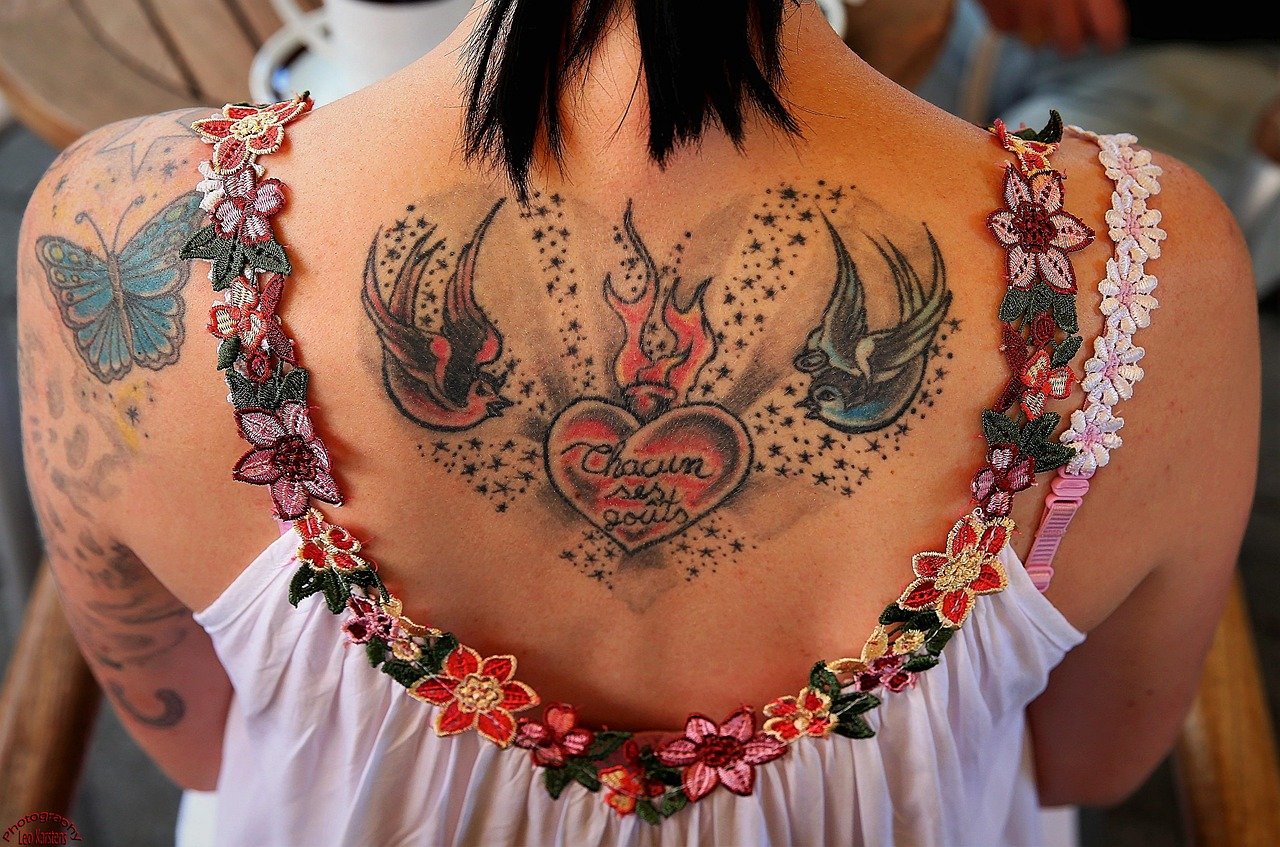
Honestly? Quite a bit. The neck is consistently ranked among the more painful placements, alongside ribs, sternum, and the inside of the elbow. The reasons are anatomical: skin sits directly over bone and cartilage, nerve endings are dense, and there’s very little muscle or fat to absorb the needle’s vibration.
Pain varies significantly by exact location. Here’s a rough comparison:
| Neck Area | Pain Level | Notes |
|---|---|---|
| Side of neck | Moderate to high | Thin skin, close to lymph nodes |
| Front of throat | High | Sensitive, cartilage nearby, hard to keep still |
| Nape (back of neck) | Moderate | More muscle and skin thickness |
| Behind the ear | Moderate to high | Bony, ticklish for many people |
| Collarbone area | Moderate | Popular for first visible pieces |
A few practical points worth knowing. Sessions are usually short for small neck designs, often 30 to 90 minutes, which keeps the pain manageable even if the intensity is high. Numbing cream helps some people and does little for others. And the healing itch is often worse than the tattoo itself — the neck moves constantly with every turn of the head, which makes the first week genuinely annoying.
Anyone nervous about the pain should consider starting with the nape or a collarbone piece before committing to the throat.
Choosing the Right Placement for Your Face and Lifestyle
Placement matters more on the neck than almost anywhere else because the tattoo interacts with your face shape, your hair, and your wardrobe. A few guidelines that experienced artists tend to give:
Side of the neck. The most popular choice for women. It elongates the neck visually and works with almost any hairstyle. Vertical designs like script, vines, or single florals suit this spot best.
Behind the ear. Small, discreet, and easy to cover with hair. Ideal for first neck tattoos and for symbols, tiny constellations, or minimalist line work.
Nape. Often called the “back of the neck” placement. It’s the least painful and the easiest to hide, which makes it a common entry point. It’s also easy to extend later into a larger back piece.
Front of the throat. The boldest option. It draws the eye immediately and reads as a serious statement. It’s also the hardest to hide and the most painful. Artists usually recommend this only for people who already have several visible tattoos and are confident in the commitment.
Collarbone and sternum. Technically not the neck, but often grouped with it. These placements flatter almost everyone and can be covered by a standard neckline.
A useful exercise: take a photo of yourself with your hair up and your hair down, then sketch the design onto the photo in a photo editor. If it looks wrong in either hairstyle, reconsider the placement.
Design Ideas That Age Well
Trends come and go, and a neck tattoo is visible for decades. The designs that hold up best share a few traits: clean lines, strong silhouettes, and personal meaning that doesn’t depend on a passing fashion.
Fine-line botanicals. Single stems, small leaves, and delicate flowers work beautifully on the side of the neck. They age reasonably well if the lines are thick enough to survive sun exposure and skin changes.
Script and lettering. Names, dates, short phrases, and single words are common. Keep the font large enough to remain legible in ten years. Tiny, tightly packed letters blur over time.
Minimalist symbols. Moons, stars, arrows, snakes, and geometric shapes. These suit behind-the-ear and nape placements especially well.
Ornamental and mandala-inspired pieces. Often placed on the nape or running down the side of the neck. These can look striking but require an artist with precise symmetry skills.
Bold traditional or neo-traditional. Larger, color-heavy pieces suit the throat and side of the neck. They’re a bigger commitment but tend to age better than ultra-fine work because the lines and colors are more robust.
What doesn’t age well? Extremely fine single-needle work in high-friction areas, micro-script smaller than a few millimeters, and designs copied straight from a trend. A neck piece is a long-term relationship, not a seasonal accessory.
Working With a Tattoo Artist on a Neck Piece
Not every artist should tattoo a neck. The skin is thin, the curves are tricky, and the stakes are high. Look for someone whose portfolio shows healed neck work rather than fresh photos alone. Fresh tattoos always look crisp; healed ones tell you how the artist’s line work actually holds up.
During a consultation, ask directly:
- How many neck tattoos have you done, and can I see healed examples?
- How will the design flow with the natural curve of my neck?
- What size do you recommend so the details survive healing?
- How will this look in five and ten years?
- What’s your policy if I need a touch-up?
A good artist will sometimes talk a client out of a neck tattoo, or at least out of a specific placement. That’s a green flag, not a red one. Artists who say yes to everything are usually chasing the deposit.
Also confirm the studio’s hygiene standards. Single-use needles, fresh ink caps, gloves changed between steps, and an autoclave for reusable tools are non-negotiable. In many places, tattoo studios are regulated by local health authorities, and reputable shops display their licensing. It’s reasonable to ask.
Aftercare: The First Two Weeks Decide Everything
Neck tattoos heal like any other tattoo, with one complication: the area moves constantly. Turning your head, sleeping, wearing a collar, and even swallowing all pull at the skin. That friction is the enemy of clean healing.
First 24 hours. Keep the initial bandage on as long as the artist instructs, then wash gently with fragrance-free soap and lukewarm water. Pat dry with a clean paper towel. Don’t rub.
Days 2 to 14. Apply a thin layer of recommended ointment two to three times daily. Thin is the key word. A thick layer traps bacteria and suffocates the skin. Avoid tight collars, scarves, and necklaces. Sleep on your back if you can, or use a clean pillowcase you don’t mind staining.
What to avoid. Swimming pools, hot tubs, saunas, direct sun, and picking at scabs. Sun exposure is especially damaging on the neck because the skin is thin and the tattoo faces upward. Once healed, daily sunscreen becomes part of the routine — UV light fades tattoos faster than almost anything else.
Watch for infection. Redness that spreads, warmth, pus, or fever warrant a call to a doctor. The neck is close to lymph nodes, so infections there deserve attention rather than a wait-and-see approach.
Work, Dress Codes, and Everyday Practicalities
This is where reality intrudes on aesthetics. Many employers have appearance policies that restrict visible tattoos, and the neck is often specifically named. Some workplaces have relaxed these rules considerably in recent years, particularly in creative and tech fields, but others — customer-facing roles, certain healthcare and education positions, some government jobs — remain strict. Military and emergency services in many countries have their own tattoo regulations that change periodically.
Before booking, check your current employer’s handbook and consider your next career move alongside your current job. A neck tattoo can be covered with makeup, but it takes practice and good products, and it is not always practical in a hot kitchen or a busy hospital ward.
There’s a broader social dimension too. Research on body modification and workplace bias has repeatedly found that visible tattoos can influence first impressions in hiring contexts, even when the effect is subtle and shrinking. Neck and hand tattoos tend to draw more attention than arm or back pieces simply because they’re impossible to ignore in conversation. None of this means don’t do it. It means go in with clear eyes.
Conclusion
Neck tattoos for women are a genuine statement — beautiful, visible, and demanding of more thought than almost any other placement. The people who end up happiest with theirs tend to share a few habits. They chose an artist with proven healed neck work. They picked a design with personal meaning rather than a passing trend. They sized it so the details will survive a decade of sun and skin changes. And they thought honestly about work, wardrobe, and how much visibility they actually want.
If you’re considering one, start small and start on the side of the neck or nape. Talk to an artist whose work you’ve seen healed. Ask the uncomfortable questions about pain, cost, touch-ups, and covering it up. The neck rewards patience. Get it right the first time, because there’s no hiding a design you regret.
Frequently Asked Questions
How much does a small neck tattoo typically cost?
Prices vary widely by city, artist reputation, and design complexity. Small, simple neck pieces often fall in the range of a studio’s minimum charge, while detailed or larger work costs considerably more. Custom designs and sought-after artists command higher rates. Always ask for a quote during consultation rather than relying on hourly estimates, and budget for a possible touch-up session.
Are neck tattoos harder to heal than other placements?
Yes, generally. The neck moves constantly, sits close to hair and clothing, and faces upward toward the sun. That combination makes friction and sun exposure hard to avoid during the healing window. Extra care with loose clothing, clean pillowcases, and strict sun avoidance in the first month makes a real difference to how the final tattoo looks.
Can a neck tattoo be removed later if I change my mind?
Laser removal is possible on the neck, but it’s typically slower, more expensive, and more uncomfortable than removal on fleshier areas. Thin skin over cartilage responds unpredictably, and complete removal isn’t guaranteed for every ink color. Treat a neck tattoo as permanent and design accordingly.
Is it better to get a neck tattoo before or after other tattoos?
Most artists recommend starting elsewhere first. A collarbone, shoulder, or upper back piece lets you learn how your skin heals, how you tolerate pain, and how you feel about visible ink before committing to the neck. People who already have several tattoos tend to be better prepared for the visibility and maintenance of a neck piece.
Do neck tattoos stretch or blur over time?
All tattoos change with age as skin loses elasticity and ink gradually spreads. Neck tattoos are especially prone to blurring in fine, tightly packed designs because the skin is thin and constantly flexing. Larger motifs, bolder lines, and adequate spacing between elements age far more gracefully than micro-detail work.
How do I hide a neck tattoo for work or formal events?
High collars, turtlenecks, scarves, and carefully styled hair cover most neck placements. For occasions where clothing won’t work, full-coverage tattoo makeup applied over a primer and set with powder can be very effective, though it takes practice and doesn’t hold up well to sweat or swimming. Behind-the-ear and nape placements remain the easiest to conceal overall.