
Sauna vs Steam Room for Home Wellness: 2026 Guide
 Abdul WadoodLast updated
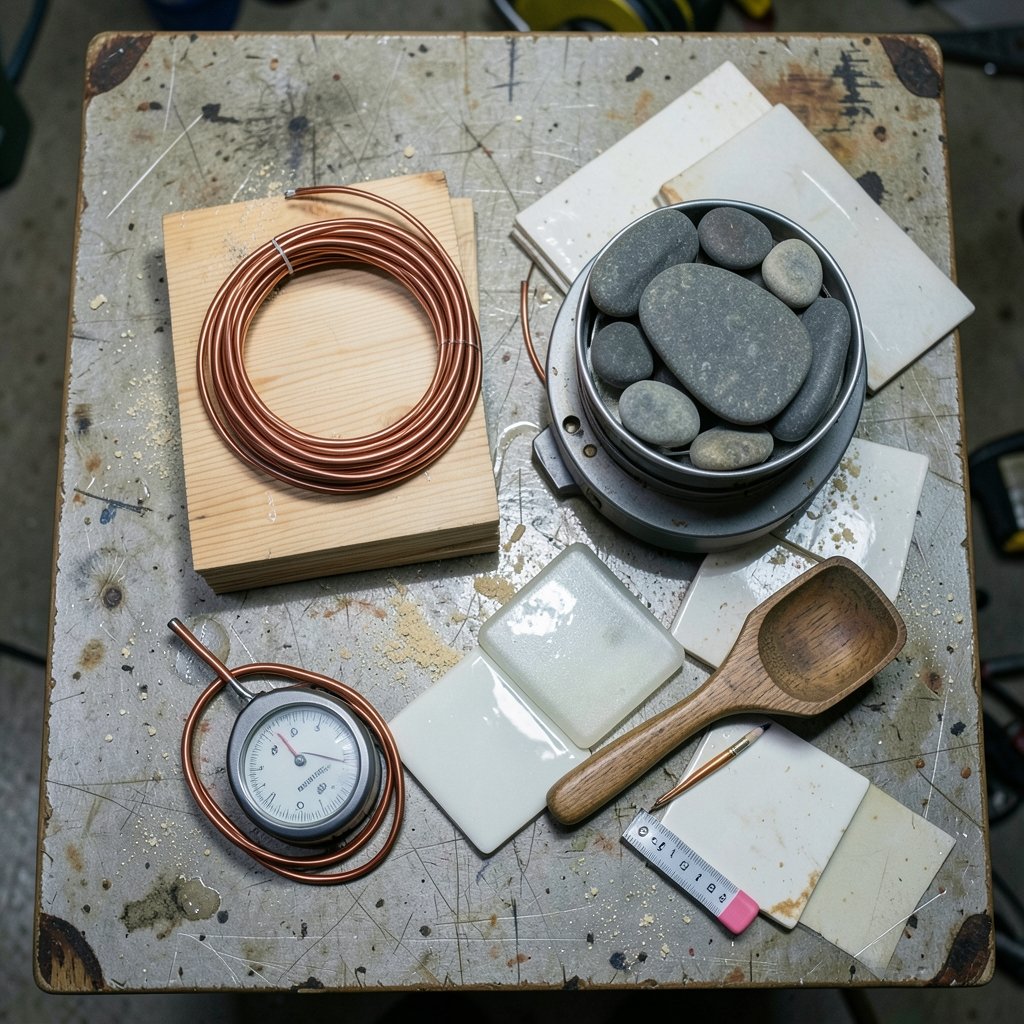
Roughly 40 to 45 °C (100 to 110 °F) at nearly 100% humidity is the typical environment inside a steam room. A traditional Finnish sauna runs much hotter, often between 70 and 100 °C (160 to 210 °F), with very little moisture in the air. Two rooms, two completely different experiences, and one decision that thousands of homeowners are now making as residential wellness spaces move from luxury niche to mainstream renovation project.
The choice matters more than most people expect. Heat and moisture behave differently in a house. They stress building materials differently, demand different electrical work, and suit different bodies. Getting it wrong is expensive. Getting it right gives you a daily ritual that actually sticks.
The Core Difference: Dry Heat vs Wet Heat
A sauna heats the air and the surfaces around you. You sit in radiant and convective heat, and your body sweats freely because the air is dry enough to let moisture evaporate. That evaporation is what makes high temperatures tolerable for ten or twenty minutes at a stretch.
A steam room does the opposite. The air is saturated, so sweat doesn’t evaporate efficiently. Your skin stays wet, your perception of heat changes, and the whole experience feels gentler on the lungs and harsher on the sinuses at the same time. It’s a moist heat, and moist heat behaves differently against your body.
Neither is “better.” They’re different tools. The mistake people make is choosing based on a spa visit rather than on how the room will actually get used at 9 p.m. on a Tuesday.
How Each One Affects Your Body

Both environments raise your core temperature and make you sweat. Both cause fluid loss, which is why hydration before and after matters far more than most first-time buyers realize. Beyond that, the evidence splits.
Sauna research findings
The most-cited body of work on sauna and health comes from Finnish cohort studies. A widely referenced observational study published in JAMA Internal Medicine in 2015 associated frequent Finnish sauna use with lower cardiovascular mortality in a Finnish population. A smaller randomized trial reported short-term blood pressure reductions after sessions. Both are worth reading carefully: the first is observational and population-specific, the second had a small sample. Neither means a home sauna treats disease. They mean sauna bathing is plausibly beneficial for healthy adults and worth discussing with a doctor if you have a condition. (Sauna)
What steam is actually good for
Steam rooms are often marketed for congestion and respiratory comfort. The honest position is that clinical evidence for steam rooms specifically is thin. Steam inhalation may offer symptom relief for a stuffy nose, but relief is not treatment. If your goal is clearer breathing during a cold, a steam room can feel wonderful. If your goal is managing a respiratory condition, that’s a conversation for a clinician.
| Factor | Sauna | Steam Room |
|---|---|---|
| Typical temperature | 70–100 °C (160–210 °F) | 40–45 °C (100–110 °F) |
| Relative humidity | Low (dry heat) | Near 100% (saturated) |
| Session length | 10–20 minutes, often repeated | 10–20 minutes, usually one or two |
| Perceived intensity | Intense, then deeply relaxing | Gentle, enveloping, easier to overstay |
| Skin feel afterward | Flushed, dry | Damp, softened |
| Breathing experience | Dry air, can sting | Moist air, feels soothing |
Installation Reality: What Your House Needs
This is where the decision usually gets made for you. A sauna and a steam room are not interchangeable boxes you drop into a spare corner.
Sauna installation essentials
A home sauna needs a dedicated electrical circuit sized to the heater, proper ventilation so moisture and heat can escape, and insulation that can handle sustained high temperatures. Wood-lined rooms are traditional because wood tolerates heat well and feels good against skin. The room doesn’t need to be sealed like a vault, but it does need to be built from materials rated for the temperature it will see.
Common mistake: buying an undersized heater for the room’s cubic volume. It runs constantly, never quite reaches temperature, and wears out early. Match the heater to the space, not to the price tag.
Steam room installation essentials
A steam room is a moisture-management project first and a wellness project second. It requires a steam generator sized to the room, a fully sealed and vapor-tight enclosure, moisture-rated construction throughout, sloped surfaces so condensation drains, and a drain. Tile and stone are common because they handle constant wetness. The generator also needs its own water supply line and electrical service.
Common mistake: treating a steam shower like a regular shower with a fancy head. Without proper vapor sealing behind the tile, moisture migrates into wall cavities. That’s a slow, hidden, expensive failure.
Cost and running costs
Exact figures swing wildly with room size, local labor, and electricity rates, so treat any single number you see online with suspicion. The structural pattern is more reliable: steam rooms generally cost more to build because of sealing, drainage, and generator work, while sauna heaters typically draw high power for shorter warm-up windows. Ask a local installer for a load calculation rather than trusting a brochure.
If you’re already planning a bathroom renovation, it’s worth reading about designing a home that feels personal before you commit, because a steam room reshapes the whole room around it.
Health and Safety: Who Should Be Careful
Both environments are heat stress, just packaged differently. Standard guidance applies to both: limit session length, drink water, avoid alcohol before or during, and get out if you feel dizzy or nauseated.
People with unstable cardiovascular disease, uncontrolled high blood pressure, or who are pregnant should talk to a clinician before using either. This isn’t caution for its own sake. Heat raises heart rate and redistributes blood flow, and the response varies enormously between individuals.
One practical point that surprises people: steam rooms are easier to overstay. The gentler feel makes twenty minutes slip by, and the humidity masks how much fluid you’ve lost. Set a timer. Seriously.
Practical Tips That Actually Work
These come from how these rooms behave in real homes rather than from showroom conditions.
- Build a cool-down ritual. A short cool shower after either room helps you regulate temperature and makes the session feel complete. Skip the dramatic cold plunge unless you’ve built up to it.
- Ventilate after every use. Run the exhaust fan and leave the door ajar once the room cools. Trapped moisture is what grows between tiles.
- Keep a towel and a water bottle inside reach. Not outside the door. Inside reach.
- Skip lotions and oils before a sauna. They make you slippery on wood benches and can clog steam room drains over time.
- Start shorter than you think you should. Eight to ten minutes is a fine first session. Build up gradually.
- Clean wood benches and tile surfaces on a schedule. Saunas need occasional wood care; steam rooms need regular attention to grout and seals.
If part of your motivation is recovery or self-care routines around the home, the same discipline that makes grooming tools work well applies here. A hair dryer guide makes the point nicely: the tool matters less than understanding how it actually works and using it consistently. (About Healthy Swimming)
Which One Should You Choose?
Match the room to the habit you’ll realistically keep.
Choose a sauna if: you want a short, intense, sweat-heavy session; you like the ritual of repeated rounds with cool-downs; your space has good ventilation and room for a dedicated circuit; you want lower structural complexity.
Choose a steam room if: you prefer gentle, moist heat; you have respiratory comfort in mind; you’re already renovating a bathroom and can integrate proper sealing and drainage; you want the room to double as a luxurious shower environment.
Consider neither, for now, if: your budget is tight, your space is small, or you’re not sure you’ll use it weekly. A gym membership with sauna access is a cheap way to test your own habits before you spend five figures.
There’s also a middle path. Many people install a small sauna and use a steam shower for occasional moisture sessions. It’s not the same as a true steam room, but it covers both moods without doubling the build cost.
Common Mistakes to Avoid
- Choosing by aesthetic over engineering. The prettiest tile in the world won’t fix a missing vapor barrier.
- Ignoring the electrical panel. Both options may require an upgraded service. Find out before you buy anything.
- Skipping the sizing calculation. Undersized heaters and generators are the most common source of disappointment.
- Forgetting the drain. Steam rooms need one. Plan it early.
- Buying without checking local codes. Requirements vary by jurisdiction, and permits exist for good reasons.
- Assuming health benefits are guaranteed. They aren’t. Enjoy the room for the experience and treat health claims with appropriate caution.
If you’re assembling a broader home wellness setup alongside this decision, the same principle holds across categories. A vacuum for pet hair is judged by what it picks up in a real home, not in a lab. A sauna is judged by whether you actually sit in it on a Wednesday.
Conclusion
The sauna versus steam room question doesn’t have a universal answer, and anyone who tells you otherwise is selling something. Dry heat at high temperature and moist heat at moderate temperature do different things to your body, demand different construction, and suit different personalities.
The decision comes down to three honest questions. What kind of heat do you actually enjoy? What can your house physically support? And what will you still use six months from now when the novelty has worn off?
Answer those truthfully and the choice becomes obvious. Answer them optimistically and you’ll end up with an expensive room you walk past every day. Build for the person you are on an ordinary evening, not the person you are on vacation.
FAQ
Is a sauna or steam room better for your health?
Neither is universally better. Sauna research is stronger, particularly for cardiovascular outcomes in observational Finnish cohort studies, but that evidence is population-specific and doesn’t prove cause. Steam rooms may offer comfort during congestion, though clinical evidence for steam rooms specifically is limited. Both are heat stress and both require sensible limits.
How hot does a steam room get compared to a sauna?
A steam room typically sits around 40 to 45 °C (100 to 110 °F) at near-100% relative humidity. A traditional Finnish sauna commonly runs 70 to 100 °C (160 to 210 °F) with low humidity. The steam room feels gentler despite the moisture, partly because sweat can’t evaporate efficiently.
Which is cheaper to install at home, a sauna or a steam room?
A sauna is usually less expensive to build. Steam rooms require vapor-tight sealing, moisture-rated construction, drainage, a generator, and often more complex tiling work. Actual costs vary enormously by room size, local labor rates, and electrical service requirements, so get local quotes rather than relying on national averages.
Can I put a steam room in a small bathroom?
Yes, and steam showers are designed for exactly that. The constraint isn’t size, it’s construction quality. The enclosure must be sealed properly, surfaces must slope toward a drain, and the generator needs to be sized to the room’s volume. A small, badly sealed steam room is worse than no steam room at all.
How long should a session last?
Ten to twenty minutes is typical for both. Start at eight to ten minutes and build up. Steam rooms are easier to overstay because the moist heat feels gentler, so set a timer. Get out immediately if you feel dizzy, lightheaded, or nauseated, and drink water before and after.
Is it safe to use a sauna or steam room every day?
Many people do use saunas daily without issue, and Finnish cohort studies include frequent users. That said, individual tolerance varies, and people with cardiovascular conditions, uncontrolled hypertension, or who are pregnant should consult a clinician first. Daily use isn’t inherently unsafe, but it isn’t a universal recommendation either.