
Simple Tattoos: What Actually Works in 2026
 Abdul WadoodLast updated
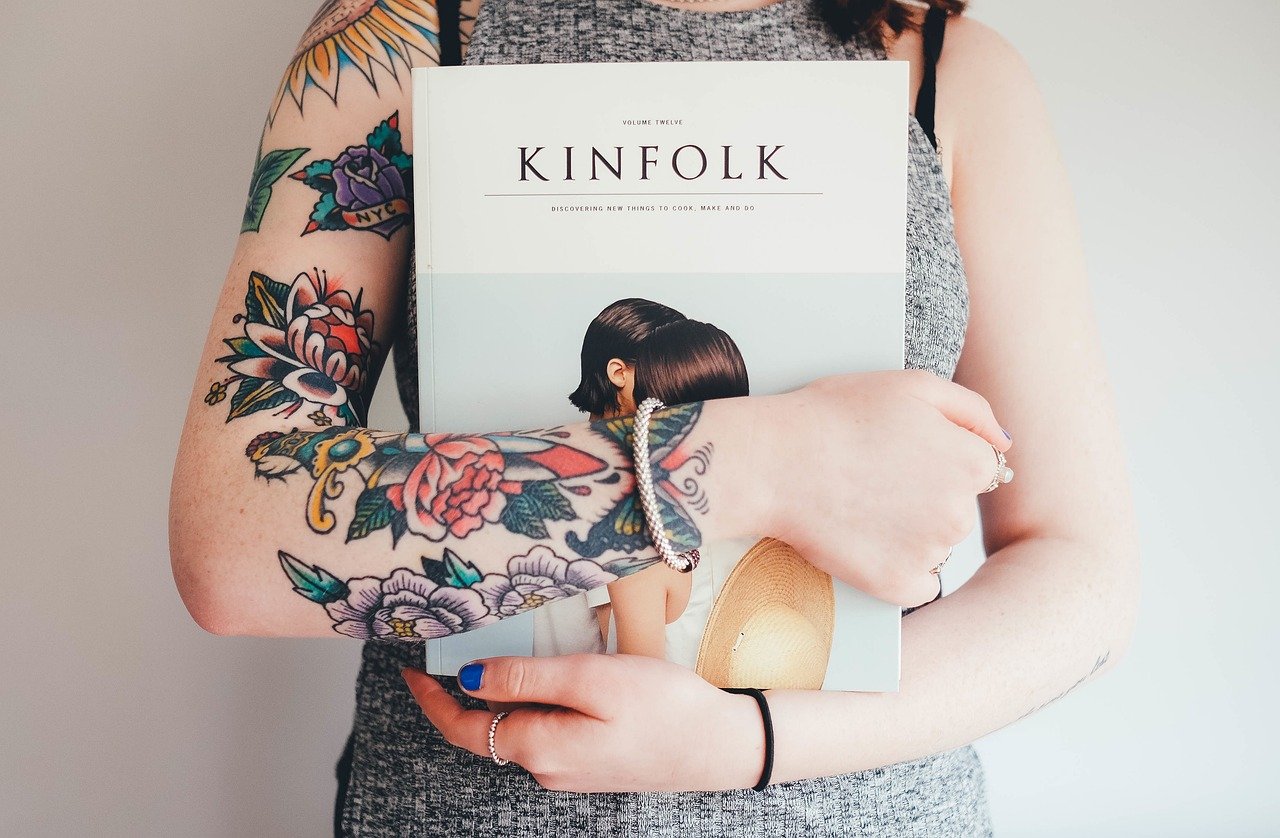
Walk into any modern tattoo studio and you’ll notice something curious. The flash sheets on the wall, once crowded with dragons and anchors, now share space with tiny line drawings: a single leaf, a crescent moon, three dots in a row. Simple tattoos have moved from the margins of tattoo culture to its center, and the reasons are practical as much as aesthetic. They hurt less, age differently, cost less, and fit into workplaces that still raise an eyebrow at a full sleeve. But “simple” is a trickier word than it looks, and getting a small, clean design right takes more thought than most people expect. (Tattoo)
What Counts as a Simple Tattoo?
The phrase gets used loosely, which causes real confusion. A simple tattoo generally means a design with limited detail, a small footprint, and a restrained palette, often black ink only. Within that, three distinct styles get lumped together:
| Style | What it looks like | Typical technique |
|---|---|---|
| Minimal / fine-line | Thin, delicate outlines, lots of negative space | Single-needle machine |
| Small traditional | Bold outline, flat color, compact size | Standard coil or rotary |
| Stick-and-poke | Dotted, hand-poked linework | Hand-held needle, no machine |
These are not the same thing, and conflating them leads to bad decisions. A fine-line design done by a hand-poke artist will look different from the same drawing done on a machine. The line weight, the dotting pattern, the healing process, and the way the ink settles over years all change. Knowing which category you actually want is the first practical step, and it’s the one most people skip.
Why Simple Tattoos Keep Growing in Popularity
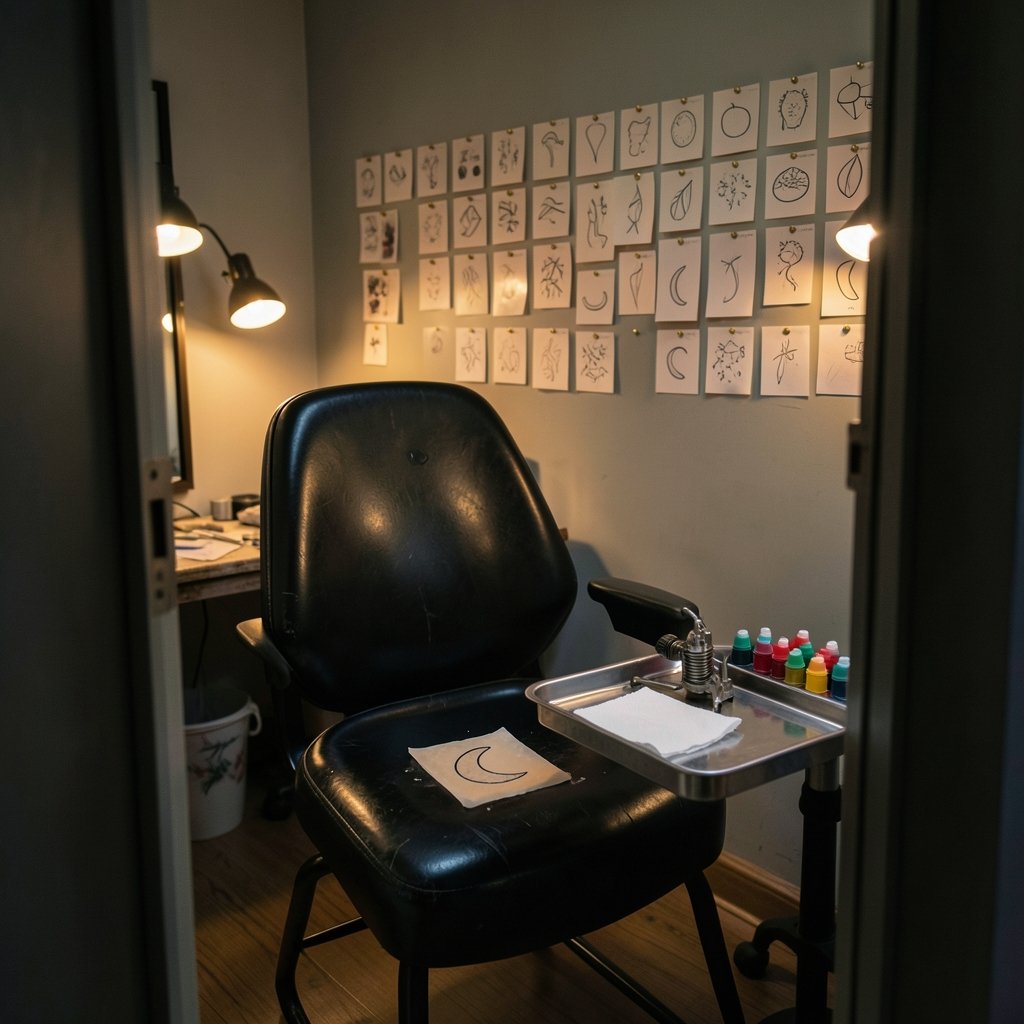
The appeal is easy to understand once you break it down. Simple tattoos solve several problems at once.
- They age more gracefully in some ways, less in others. Fine lines blur and spread over decades, so very thin work can soften into a gray smudge. Bold simple work holds up better. The trade-off is real and worth discussing with an artist.
- They fit professional environments. A small wrist or ankle design is easier to cover than a forearm piece.
- They cost less. Less time in the chair means a lower bill, though shop minimums often apply regardless of size.
- They hurt less. Shorter sessions mean less discomfort, which matters for first-timers.
- They’re easier to place and combine. Small designs can be added to over years without a master plan.
The cultural shift matters too. Tattooing has moved from a countercultural marker toward a mainstream personal accessory, a change documented in the broader history of tattooing. When tattoos became common rather than rebellious, the statement piece stopped being the only option. A tiny mark can be just as intentional as a large one.
The Fine-Line Trap: What Actually Works in Practice
Here’s where first-hand observation from studio floors is useful. The single most common mistake with simple tattoos is choosing a design that is too delicate for the body part it sits on.
Fingers, hands, and the sides of feet are notorious. Skin there regenerates quickly and takes a lot of friction. Fine-line work on a finger often fades within a year or two, sometimes faster, and touch-ups don’t always fix it because the ink simply doesn’t hold. Artists who do a lot of small work will usually say the same thing: if you want a simple tattoo that lasts, put it somewhere the skin is relatively stable, like the inner forearm, upper back, or thigh.
A second common mistake is scaling down a design that was drawn large. Shrinking a detailed image to two centimeters doesn’t preserve it; it turns it into a blur. Good simple tattoos are drawn small from the start, with fewer elements and clearer shapes. If you bring a reference photo, expect the artist to redraw it rather than trace it.
A third issue is line weight. Very thin lines look crisp on day one and soft within a few years. Slightly heavier lines in a small design often read better over time. This is the kind of judgment that separates a tattoo that still looks sharp in a decade from one that needs constant maintenance.
Placement Matters More Than Design
Practical experience points to a simple rule: pick the spot before you pick the drawing. Placement determines how a tattoo ages, how visible it is at work, how much it hurts, and how easy it is to cover. A design that works beautifully on a ribcage may look cramped on a wrist. Artists routinely redraw simple designs to suit a specific body location, and the ones who push back on a bad placement are usually the ones worth listening to.
Health, Safety, and the Rules You Can’t Skip
Simple doesn’t mean risk-free. Any tattoo breaks the skin, and aftercare determines whether the result looks clean or patchy. Basic guidance is consistent: keep the area clean, avoid soaking it in pools or baths during early healing, don’t pick at scabs, and follow the artist’s specific instructions over anything you read online. General skin and wound care information from public health resources is a reasonable starting point for understanding infection risk, and the World Health Organization publishes material on bloodborne pathogens relevant to any skin-penetrating procedure.
Regulation varies enormously by country and even by region. Age minimums, studio licensing, and ink ingredient rules differ. In the European Union, restrictions on certain ink pigments have changed what artists can legally use, which is why some colors have quietly disappeared from European shops. Anyone planning a tattoo should check local rules rather than assume.
One more practical point: patch tests are worth asking about, especially for colored ink. Allergic reactions are uncommon but real, and a small test spot costs little.
Choosing an Artist for Small Work
Not every tattooer enjoys small designs. Some find them fiddly, and shop minimums mean a twenty-minute tattoo still costs a set fee. The artists who excel at simple work tend to have portfolios full of it, so look specifically for healed photos rather than fresh photos alone. Fresh tattoos always look good. Healed ones tell the truth.
Questions worth asking before booking:
- Can I see healed examples of similar designs?
- How do you expect this to age in ten years?
- Do you recommend this placement, or would you adjust it?
- What’s your touch-up policy?
- What’s the shop minimum?
That last question matters. A tiny tattoo priced at a shop minimum can feel expensive relative to its size, but the fee reflects setup, sterilization, and the artist’s time rather than the minutes of work alone.
The History Behind the Trend
Simple tattoos are not a modern invention, even if they feel like one. Hand-poked and hand-tapped tattooing has deep roots in many cultures, and the technique now called stick-and-poke in the West is a different, more recent practice than traditional hand-tapped tattooing found in Polynesian and Japanese contexts. Merging the two without care is a common error in trend articles. The Polynesian tattoo tradition is a useful reference point for how much meaning and technique sit behind a practice that gets casually borrowed.
That history raises an ethical question worth sitting with. When a simple design borrows from a culture’s sacred markings, “minimal” stops being neutral. The practical advice is straightforward: if a symbol carries cultural weight you don’t share, either research it properly or choose something else. Small doesn’t excuse careless.
Simple Tattoos and the Long Game
The most useful mindset for anyone considering simple work is to think in decades, not weeks. Ink spreads. Lines soften. Sun exposure accelerates fading, so sunscreen on a healed tattoo is not vanity, it’s maintenance. A design that relies on razor-thin detail will change; a design built on clear shapes and steady line weight will hold.
There’s also a psychological angle worth naming. Simple tattoos are often chosen as first tattoos, and first tattoos are frequently followed by second ones. Starting small leaves room to build a collection over time, and it leaves room to change your mind about placement and style. The best simple tattoo is one you’d still choose five years from now, not one that matches a passing mood. (Tattoos: Understand risks and precautions)
For anyone planning a small piece and wanting to get the details right, working with a studio that specializes in this style makes a measurable difference. Resources like Voozon Media cover design and studio topics that help narrow down what to ask before booking.
Conclusion
Simple tattoos reward preparation more than most people expect. The design is the easy part; placement, line weight, artist skill, and aftercare decide whether a small piece looks sharp for years or fades into a smudge. Choose the spot first, look for healed portfolio work, ask about aging honestly, and treat cultural symbols with the care they deserve. Less ink doesn’t mean less thought. It usually means the opposite, because with a small design there’s nowhere to hide a rushed decision.
Frequently Asked Questions
Do simple tattoos hurt less than large ones?
Usually yes, but mainly because sessions are shorter. Pain depends more on placement than size. Ribs, feet, and hands hurt regardless of how small the design is, while an upper arm or thigh is far more comfortable. A two-minute tattoo on a painful spot can still sting more than a longer session on an easy one.
How much does a simple tattoo cost?
Most shops set a minimum fee, often between the equivalent of a modest hourly rate and a flat floor price, so a tiny design rarely costs proportionally less. Expect to pay the shop minimum for anything under roughly fifteen minutes of work, plus extra for detail, color, or a custom drawing.
Will a fine-line tattoo fade quickly?
Fine lines can soften and spread over years, especially on high-friction areas like fingers and hands. Work on stable skin with slightly heavier line weight ages better. Sun exposure speeds fading, so daily sunscreen on a healed tattoo is the single most effective way to keep it crisp.
Can I get a simple tattoo as my first one?
It’s one of the most sensible choices for a first tattoo. Shorter sessions, lower cost, and easier covering at work reduce the pressure. The main caution is placement: avoid fingers, hands, and feet for a first piece, since those areas heal unpredictably and often need touch-ups.
Are stick-and-poke tattoos the same as fine-line tattoos?
No. Stick-and-poke uses a hand-held needle without a machine, producing a dotted, textured line. Fine-line uses a machine with thin needles for smooth, continuous lines. They age differently and require different artist skills, so choose based on the look you want rather than treating the terms as interchangeable.
How should I care for a new simple tattoo?
Follow your artist’s instructions first. In general, keep the area clean, wash gently with mild soap, avoid soaking in baths or pools during early healing, don’t pick scabs, and keep it out of direct sun. Small tattoos heal at the same rate as large ones, so the aftercare timeline doesn’t shrink with the design.
The same long view applies to cost and regret: a piece sized and placed well is less likely to be covered up or removed later, which is far more expensive than getting it right the first time.
None of this is meant to make simple tattoos sound complicated. The appeal is real: small, quiet, personal, and easy to live with. The point is only that simplicity in the final result comes from decisions made carefully beforehand. Pick the placement, trust healed work over fresh photos, ask honest questions about aging, and let a skilled artist draw the design for the body it will actually live on. Done that way, a simple tattoo does what it promises: it stays simple, and it stays yours.