
Custom Temporary Tattoos: Safe Ordering Guide 2026
 Abdul WadoodLast updated
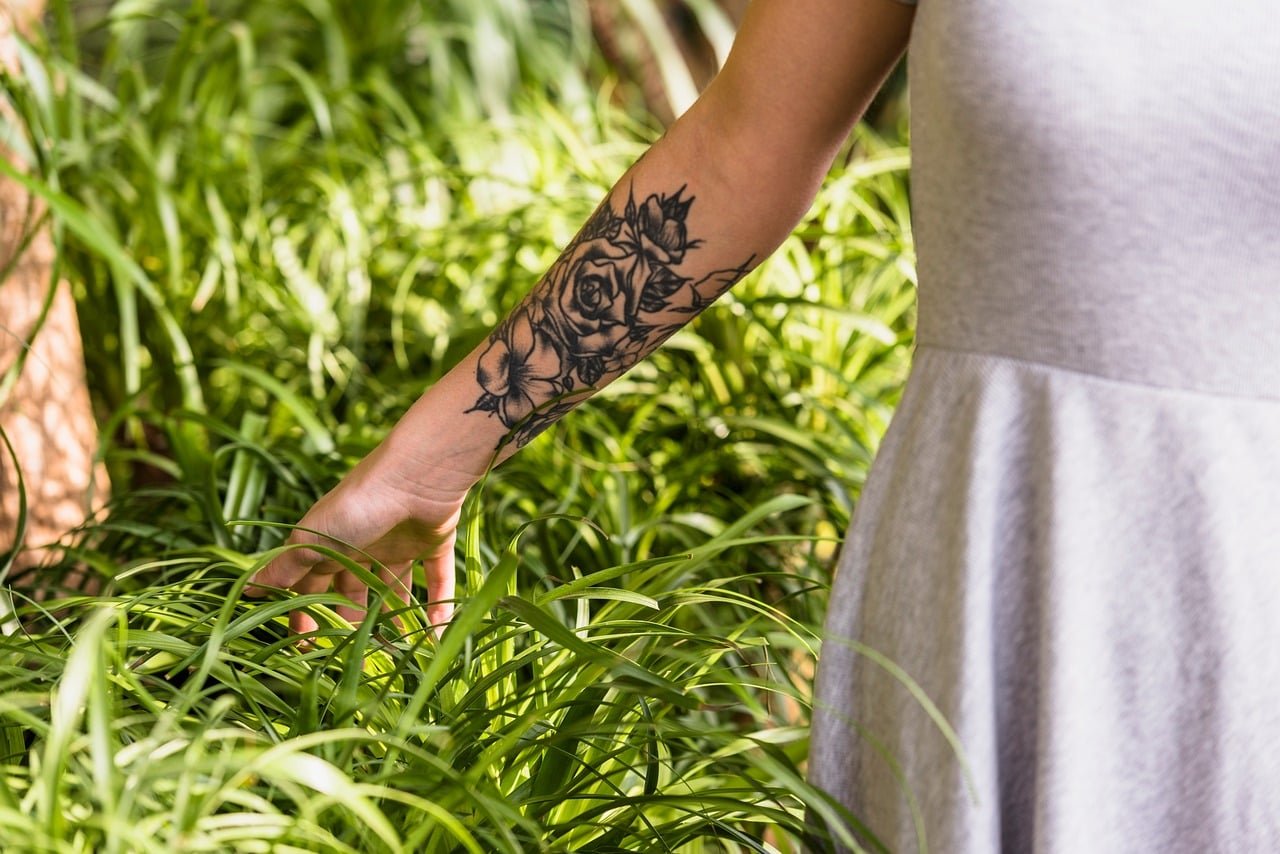
A single batch of “black henna” temporary tattoos can send a child to the emergency room with blistering, permanent scarring, and a lifelong allergy to a common hair-dye chemical. That one fact explains why the custom temporary tattoo business has split into two very different worlds: a fast-moving fashion and events market built on safe, printed skin decals, and a shadow market of illegal paste tattoos that regulators keep chasing. Anyone ordering custom tattoos for a wedding, a brand activation, a birthday party, or a product line needs to know which world they are buying from. (Prose Hair Review 2026: Custom Hair Care Tested)
Why Custom Temporary Tattoos Became a Real Product Category
Temporary tattoos used to mean one thing: a vending-machine decal of a skull or a butterfly that flaked off in the bath. Today the category covers custom-printed water-transfer decals, inkjet and laser prints on transfer paper, screen-printed event tattoos, and jagua gel, a plant-based paste that stains skin blue-black for one to two weeks. Brands print logos. Couples print wedding monograms. Festivals print wristbands that double as souvenirs.
The appeal is obvious. A tattoo is intimate, shareable, and photograph-friendly, and a temporary version carries none of the commitment. For event planners, it is also cheap entertainment that keeps a queue busy. For small product brands, it is a low-risk promotional item that people actually keep on their skin for days rather than tossing in a drawer.
The catch is that “temporary” describes duration, not safety. A product that sits on skin for three days is a cosmetic or a toy depending on how it is marketed and labeled, and the rules that follow from that classification are strict.
The Safety Issue That Defines the Whole Market

The most serious risk in this category is not the printed decal. It is the paste.
So-called black henna is not henna at all. It is henna mixed with paraphenylenediamine (PPD), an ingredient used in permanent hair dye, added to darken the stain and speed up the process. PPD is not approved for direct application to skin as a tattoo product. In the European Union, cosmetics law permits PPD only in hair dye, which makes PPD-containing skin pastes illegal to sell for that use. In the United States, the Food and Drug Administration has repeatedly warned consumers about black henna temporary tattoos after reports of blistering, open sores, and permanent scarring, and dermatologists have documented cases of sensitization that later triggered reactions to hair dye and dark clothing.
The practical lesson for buyers is blunt: if a temporary tattoo paste promises a black stain in twenty minutes, walk away. Real henna stains orange-brown over several hours. Jagua gel stains dark but is a different plant entirely and should arrive with clear ingredient labeling.
Printed decals carry their own, milder risks. Adhesives and inks can irritate sensitive skin, and heavy-metal pigments have prompted recalls of cheap imported tattoo products aimed at children. Reputable printers use cosmetic-grade or toy-grade pigments and can tell you which standard they test against.
How Custom Temporary Tattoos Are Actually Made
Most custom orders fall into one of four production methods. Each has a different cost floor, minimum order, and visual ceiling.
| Method | Best for | Typical minimum | Detail level | Durability claim |
|---|---|---|---|---|
| Water-transfer decals | Large runs, events, packaging inserts | High (often 500–1,000+) | High, full color | 2–7 days |
| Inkjet on transfer paper | Small batches, prototypes, home use | Very low (sheets) | Medium | 1–3 days |
| Screen printing | Bold single-color logos, festivals | Medium | Low to medium | 2–5 days |
| Jagua gel | Hand-drawn, realistic, artist-led | Not applicable | Artist-dependent | 1–2 weeks |
Water-transfer decals dominate commercial custom work because they hold fine gradients and tiny text, apply with a wet cloth in about thirty seconds, and survive showers for several days. Inkjet printing on transfer paper is the DIY route: cheap, fast, and fine for a party, but the colors fade faster and the paper edges are visible on skin.
Screen printing produces the boldest, most saturated single-color results and works well for high-traffic event booths where speed matters more than detail. Jagua is the artisan option, applied freehand by a trained artist, and it is the closest thing to a real tattoo experience without a needle.
Durability claims deserve skepticism. “Lasts 3–7 days” is a manufacturer’s estimate, not a tested standard. Real wear time depends on skin type, placement, friction, and how much the wearer showers, swims, or works out. Tattoos on the ribs or forearm outlast those on hands and feet by days.
What to Check Before You Order
Buyers who get burned usually skipped a handful of checks that take ten minutes.
- Ask for the ingredient list and the safety standard. A serious supplier names the pigments and the standard it tests against, such as cosmetic good-manufacturing-practice requirements or toy-safety rules for children’s products.
- Confirm the intended age group. Tattoos marketed to children may be regulated as toys rather than cosmetics, and the labeling and testing obligations differ. If the supplier cannot say which framework applies, that is a red flag.
- Request a physical sample. Screens lie. Order a sample sheet, apply one to your own arm, and check color accuracy, edge sharpness, and how it looks after two days.
- Check the adhesive. Sensitive-skin users should look for fragrance-free, latex-free adhesives and test on the inner wrist first.
- Verify the artwork file. Vector files (SVG, AI, EPS) print cleanly at small sizes. A low-resolution JPEG of a logo will look fuzzy at two centimeters wide, no matter how good the printer is.
- Read the fine print on minimums and setup fees. A quoted unit price often excludes a one-time plate or setup charge that can double the cost of a small order.
A common mistake is ordering the smallest possible run to “test the waters,” then paying a setup fee that makes each tattoo cost more than a printed T-shirt. Another is choosing a design with thin white text on a dark background; water-transfer decals handle white ink poorly unless the printer specifies a white backing layer.
Design Rules That Separate Good Tattoos From Bad Ones
Custom temporary tattoos fail visually for predictable reasons. The most common is scale. A design that looks elegant on a laptop screen can be unreadable at three centimeters. Text below about 6-point equivalent size fills in, and hairline strokes disappear.
The second is contrast. Pale colors on pale skin vanish. Deep, saturated colors with a dark outline read best, which is why traditional tattoo flash styling works so well on skin.
The third is placement logic. Curved surfaces such as shoulders and ankles distort flat artwork. Designers who plan for the body, not the page, get better results. There is a real craft conversation here, similar to the one happening in other design fields where traditional techniques meet modern production, as explored in this look at when craft meets contemporary culture.
Finally, consider the photograph. Most custom tattoos exist to be seen in pictures. Designs that read clearly at arm’s length in a phone photo outperform intricate work that only looks good in person.
Where Custom Temporary Tattoos Fit in Events and Marketing
Event organizers have quietly turned temporary tattoos into a workhorse. Wedding stations let guests wear the couple’s monogram. Brand activations use them as a low-cost giveaway that generates social posts for days after the event. Music festivals print lineup art directly onto skin.
The economics are attractive: unit costs drop sharply at volume, and the product is light, so shipping and storage are trivial. The risk is compliance. Alcohol brands, for instance, must avoid marketing to minors, and a tattoo aimed at children can trigger toy-safety obligations. Getting the audience right matters more than getting the artwork right.
For brands thinking about how physical products carry meaning, the same logic that drives a fresh perspective on contemporary art applies here: the object is only half the story, and context does the rest. A tattoo handed out at a gallery opening reads differently than one at a beach bar.
The DIY Route: Printing Your Own
Home printing is genuinely viable for parties and small events. The workflow is simple: design the artwork, mirror it, print onto transfer paper with an inkjet or laser printer, dust with setting powder, and cut close to the edge. Application is a wet cloth and thirty seconds of pressure.
The limits are real. Home prints fade within a day or two, colors are less saturated than commercial decals, and inkjet ink is not formulated for skin contact the way cosmetic pigments are. For a child’s birthday party, that is usually acceptable. For a product you are selling, it is not.
Conclusion
Custom temporary tattoos are a mature, genuinely useful product category with one dangerous corner. Printed decals from reputable suppliers are safe, cheap at volume, and photograph beautifully. Paste tattoos sold as “black henna” are a documented health hazard and should be refused outright. Buyers who ask for ingredient lists, order physical samples, design for skin rather than screens, and understand whether their product is regulated as a cosmetic or a toy will get a result that looks good, wears well, and never ends with a dermatology appointment.
Frequently Asked Questions
How long do custom temporary tattoos last?
Most commercial water-transfer decals last two to seven days, depending on placement and care. Hands, feet, and other high-friction areas fade fastest. Jagua gel stains typically last one to two weeks. Manufacturer claims are estimates, not standardized test results.
Are temporary tattoos safe for children?
Printed decals from reputable suppliers are generally safe for children when used as directed, though sensitive skin should be patch-tested first. The real danger is black henna paste containing PPD, which has caused severe blistering and permanent scarring in children. Avoid any paste that promises a fast black stain.
What is black henna and why is it dangerous?
Black henna is henna mixed with paraphenylenediamine, a hair-dye chemical not approved for direct skin application as a tattoo. It can cause intense allergic reactions, open sores, and lasting sensitization that later triggers reactions to hair dye. Regulators in both the EU and US have issued warnings about it.
How much do custom temporary tattoos cost?
Pricing depends heavily on method and quantity. Screen-printed event tattoos are usually the cheapest per unit at volume, while water-transfer decals with full-color detail cost more but offer better image quality. Small DIY sheets cost pennies each. Always ask about one-time setup fees, which can dominate a small order. (Advertising FAQs: A Guide for Small Business)
Can I print my own custom temporary tattoos at home?
Yes. Transfer paper designed for inkjet or laser printers makes home production practical for parties and small events. Expect faster fading and less saturated color than commercial decals, and note that home printer ink is not formulated for prolonged skin contact.
What file format should I send to a tattoo printer?
Vector files such as SVG, AI, or EPS produce the sharpest results because they scale without losing detail. High-resolution PNG files at 300 DPI can work for simple designs. Avoid sending small JPEGs or screenshots, which turn blurry at tattoo scale.
A final note on storage and shelf life: most printed decals keep for six to twelve months if sealed in a dry, cool place away from direct sunlight, so leftover stock from one event can often carry into the next. Order samples early, build in a week or two of lead time before a deadline, and keep a small reserve on hand rather than reordering under pressure. Do the small checks up front, and custom temporary tattoos become one of the most reliable, low-risk promotional and creative tools available.