
Find Hair Salons Near Me: 2026 Guide to Smart Searching
 Abdul WadoodLast updated
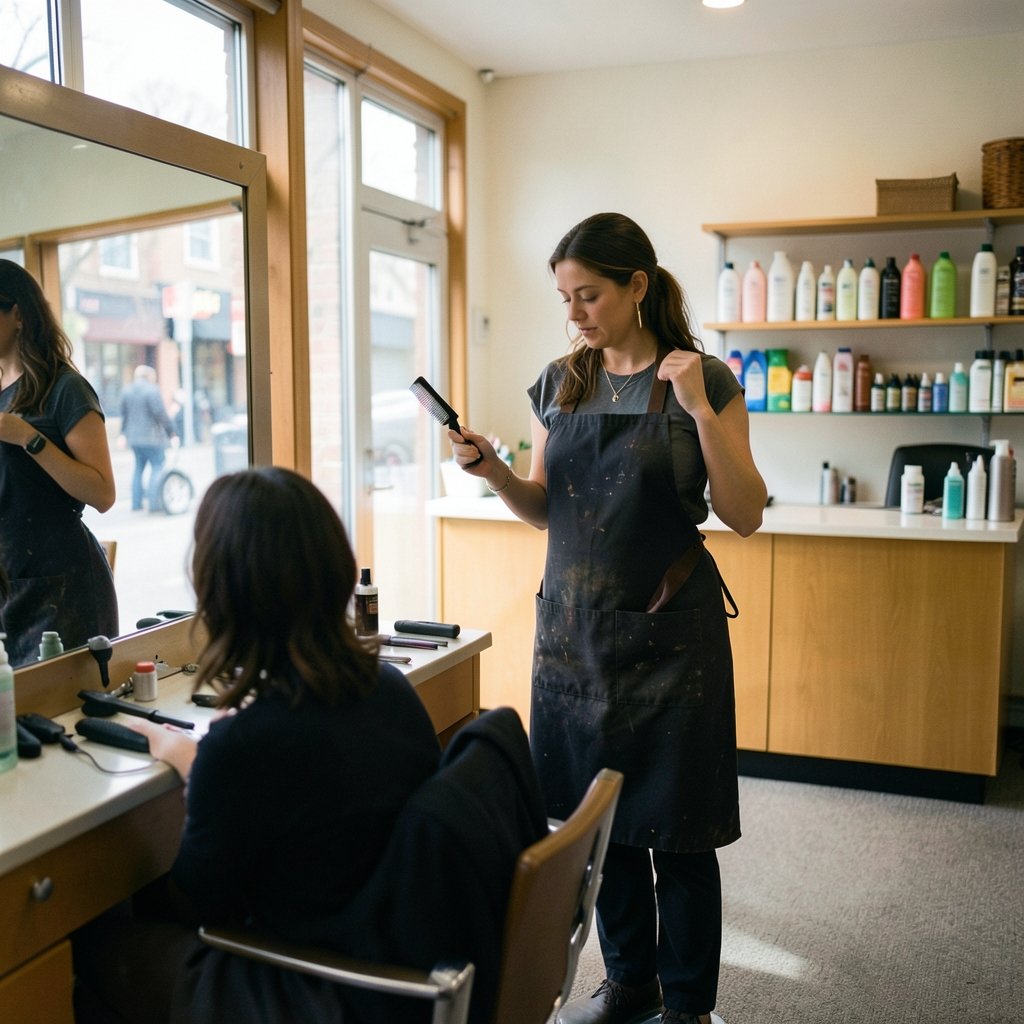
You type “hair salons near me” into your phone, and a map explodes with dozens of pins. Some look glamorous. Some look sketchy. A few have five-star reviews that read suspiciously similar. So how do you cut through the noise and pick a place that won’t leave you hiding under a hat for three weeks?
The good news: finding a great salon is a learnable skill, not a lucky guess. It comes down to knowing what to search, what to check before you book, and what to watch for in the chair. This guide walks through the whole process, from search strategy to the questions that save you from a bad haircut.
Why “Near Me” Searches Are Trickier Than They Look
“Near me” results feel objective, but they are not. Search engines and review platforms rank salons using a mix of distance, review volume, review recency, and paid placement. A salon two blocks away can rank below one a mile down the road simply because it has more reviews or pays for promotion.
That matters because convenience is only one factor in a good salon experience. A ten-minute walk to the wrong stylist is still a wasted afternoon. Treat the map as a starting list, not a final answer.
There is also a licensing layer most people never think about. In the United States, hairdressers, hairstylists, and cosmetologists must be licensed, and requirements are set state by state rather than federally. The U.S. Bureau of Labor Statistics Occupational Outlook Handbook entry for barbers, hairdressers, and cosmetologists is a solid starting point for understanding the occupation, typical training, and general working conditions. If you want to confirm a specific stylist’s license, your state’s cosmetology or barbering board is the place to look.
Start With a Smarter Search
Most people search once and give up. A better approach is to search in layers.
Use specific, service-based queries
Instead of “hair salons near me,” try:
- “balayage specialist near me”
- “curly hair cut near me”
- “salon open Sunday near me”
- “walk-in haircut near me”
Specific queries surface salons that actually advertise the service you need, rather than generalists who may have never worked with your hair type.
Check more than one map
Google, Apple Maps, and Yelp often produce different top results because their ranking signals differ. Cross-checking three sources takes four minutes and usually reveals two or three salons that appear everywhere, which is a decent signal of consistent local reputation.
Widen the radius slightly
A five-mile radius in a dense city can return hundreds of results, most of them mediocre. A ten-mile radius in a suburb may return six. Adjust based on how far you are genuinely willing to travel, and remember that a great salon forty minutes away may still beat a mediocre one ten minutes away if the service is specialized.
What to Check Before You Book
Once you have a shortlist, the real evaluation begins. Here is a practical checklist that separates strong candidates from weak ones.
| What to Check | Good Sign | Warning Sign |
|---|---|---|
| Reviews | Detailed, recent, mixed-length reviews | All five stars posted in the same week |
| Photos | Real client photos with varied hair types | Only stock images or heavily filtered shots |
| Pricing | Published starting prices or clear ranges | “Call for pricing” with no explanation |
| Licensing | Stylists listed with credentials | Staff never named or described |
| Consultation | Free or low-cost consultation offered | Pressure to book a full service immediately |
| Hygiene | Clean tools, fresh towels, visible sanitation | Reused capes, cluttered stations, unclear tool cleaning |
Read reviews the way a skeptic reads them
Sort reviews by newest first, not by “most helpful.” A salon that was excellent three years ago may have changed ownership. Look for reviews that mention your specific hair type or service. A five-star review for a men’s fade tells you little about a salon’s color work. (Beauty salon)
Pay attention to how the business responds to criticism. A calm, specific reply to a negative review signals professionalism. Defensive or dismissive replies are a warning about how they handle problems.
Verify licensing where it matters
Licensing rules vary by state, and enforcement varies too. If you are booking a chemical service such as relaxers, bleach, or keratin treatments, it is reasonable to ask whether the stylist is licensed and how long they have performed that specific service. Most reputable salons answer without hesitation. The Occupational Safety and Health Administration publishes guidance on chemical safety and ventilation in salon settings, which is worth a look if you are sensitive to fumes or have had reactions before.
Ask about the consultation
A consultation is the cheapest insurance in the business. Many salons offer one free or for a small fee, and it lets you gauge whether the stylist listens. Bring photos. Ask what they would do differently from the picture and why. A stylist who explains trade-offs, such as how a color will look as it grows out or whether your hair density supports a certain cut, is usually a keeper.
The Practical Tips Nobody Tells You
These are the small moves that make a real difference, drawn from how salons actually operate.
Book the least busy slot. Tuesday mornings and early weekday afternoons tend to be calmer. You get more attention and less rushing. Saturday afternoons are the opposite.
Ask who specializes in your hair. Fine hair, coarse hair, tight curls, and heavily processed hair all behave differently. Many salons have one stylist who genuinely loves each category. Request that person by name rather than taking the next available chair.
Bring a photo, but also bring honesty. If you have been box-dyeing at home for two years, say so. Stylists can usually tell, and hiding it leads to a longer, more expensive correction than necessary.
Confirm the price range before the service starts. Ask specifically: “What is the total cost including any toner, treatment, or blow-dry?” Many salons quote the base service and add-ons separately. Nobody likes a surprise at the register.
Watch the sanitation basics. Fresh towel, clean cape, tools taken from a sanitized drawer or sprayed in front of you. These are small details that reflect how the whole business is run.
Do not judge a salon by its decor. A plain storefront can hide an exceptional stylist. A gorgeous interior can hide a rushed one. Reviews and consultations tell you more than chandeliers do.
Keep a note of what worked. After a good appointment, jot down the stylist’s name, the formula used, and the service length. Next time you can ask for the same result instead of describing it from memory.
Common Mistakes That Lead to Bad Haircuts
Most salon disappointments trace back to a handful of avoidable errors.
Booking purely on price. The cheapest cut in town often becomes the most expensive once you pay someone else to fix it. Value matters more than the lowest number.
Skipping the consultation. Walking in and saying “do whatever” hands control to a stranger. Even a two-minute conversation about length, maintenance, and daily styling time changes the outcome.
Ignoring your own routine. If you will not spend twenty minutes styling each morning, do not accept a cut that requires it. Tell the stylist your real routine, including how often you actually wash your hair.
Choosing a salon that does not fit your hair type. A salon known for sleek blowouts may not suit coily hair, and vice versa. Search by specialty rather than proximity alone.
Not speaking up during the service. If something feels wrong, say so early. Most stylists would rather adjust mid-service than hear about it afterward.
How to Judge a Salon on the First Visit
Your first appointment is essentially an audition. Arrive a few minutes early and observe. Is the front desk organized? Are clients greeted by name? Does the stylist ask questions before touching your hair?
During the service, note whether they explain what they are doing and check in as they go. A good stylist narrates enough to keep you comfortable without turning the appointment into a lecture.
Afterward, assess the result in daylight as well as under salon lighting. Salon lighting flatters almost everything. Natural light tells the truth about color and blending. If something needs adjusting, most salons will fix it within a short window, often for free, but you have to ask.
Building a Long-Term Relationship With a Stylist
The real payoff comes when you stop searching. A stylist who knows your hair history, your growth pattern, and your preferences delivers better results every visit and saves you time.
To get there, be consistent. Book your next appointment before you leave. Tip fairly. Show up on time and give reasonable notice if you need to cancel. Refer friends. These small courtesies build goodwill, and goodwill often translates into flexibility when you need a last-minute slot or a quick fix.
It also helps to be honest about dissatisfaction. A calm, specific conversation, such as “the left side is a bit longer than I expected,” usually resolves things faster than quietly switching salons and leaving a vague review.
Conclusion
Searching “hair salons near me” is easy. Choosing the right one takes a little more effort, and that effort pays off in every appointment that follows. Start with specific, service-based searches rather than a generic query. Cross-check two or three map platforms. Read recent reviews with a skeptical eye and verify licensing when you are booking chemical services. Then use the consultation to test whether the stylist listens.
The best salon is rarely the closest or the flashiest. It is the one where a skilled, licensed professional understands your hair, quotes a clear price, and delivers a result you can maintain at home. Treat your first visit as an audition, speak up early, and once you find someone good, hold on to them. That is the whole strategy, and it works far more reliably than another round of scrolling.
Frequently Asked Questions
How do I find a good hair salon near me quickly?
Search for your specific service rather than a generic term, such as “curly cut near me” or “balayage near me.” Then compare the top results across two or three map platforms, sort reviews by newest, and check whether the salon publishes prices and stylist credentials. A short phone call to confirm availability and pricing takes two minutes and filters out most mismatches.
Are hair stylists required to be licensed?

In the United States, hairdressers, hairstylists, and cosmetologists must generally be licensed, and the requirements are set by each state rather than by a single federal rule. Because standards and enforcement vary, you can confirm a specific stylist’s status through your state’s cosmetology or barbering board. For chemical services, it is reasonable to ask directly.
Should I book a consultation before a big change?
Yes, especially for color corrections, major length changes, or chemical treatments. A consultation lets the stylist assess your hair’s condition and history, and it lets you judge whether they listen and explain trade-offs clearly. Many salons offer this free or at low cost, which makes it cheap protection against an expensive mistake.
What should I bring to my appointment?
Bring one or two reference photos in natural light, and be ready to describe your real routine: how often you wash, how much time you will spend styling, and any at-home color or treatments. Honesty about past box dye or relaxers prevents surprises. If you have sensitive skin or scalp issues, mention them before any chemical service begins.
Why do salon prices vary so much for the same service?
Pricing reflects stylist experience, local rent, product lines, service length, and whether add-ons like toner or treatments are included. A quote for a “color” may exclude the toner, gloss, or blow-dry that the final look requires. Always ask for the total cost including add-ons before the service starts so you can compare fairly.
How do I handle a haircut I am unhappy with?
Speak up as early as possible, ideally before you leave the chair, and be specific rather than general: point to the section and describe what you expected. Most salons will adjust the cut within a short window at no charge. If you have already left, call the same day or the next and ask politely about a correction appointment.