
Hair Cuttery Guide 2026: Walk-In Tips & Costs
 Abdul WadoodLast updated

What makes a no-appointment hair salon so appealing on a busy Saturday afternoon? For millions of Americans, the answer is simple: they want a trim without planning three weeks ahead. Hair Cuttery built its reputation on exactly that promise, and it remains one of the most recognizable names in the budget-friendly salon world. But the brand has changed a lot over the years, and shoppers who remember it from a decade ago may be surprised by what they find today. (Hair and Scalp Hygiene)
This guide breaks down what the chain is, how it works, what it costs, where it has run into trouble, and how to get the most out of a visit. It also covers the practical mistakes that trip people up, from vague requests at the chair to unrealistic expectations about consistency.
What Is Hair Cuttery?
Hair Cuttery is a U.S. hair salon chain founded in 1974 by the Ratner family, starting in the Washington, D.C. area. It grew into one of the largest privately held salon chains in the country, with locations concentrated in the Mid-Atlantic, the Northeast, and Florida. The core idea was never luxury. It was convenience plus affordability: walk in, get a haircut, walk out. (Haircut)
The company has operated under several brand names over the years, including Hair Cuttery, Bubbles, and Salon Cielo, typically grouped under a parent entity reported as Ratner Companies. That multi-brand structure let the business serve different price points and customer types, from kids’ trims to full-service salon work.
One thing worth clarifying up front: “hair cuttery” is also used generically to describe any walk-in, no-appointment haircut shop. The term is not protected in that generic sense. So when someone says “I’m going to the hair cuttery,” they might mean the chain or just a local chop shop. Context matters.
How the Walk-In Model Actually Works
The appeal of a walk-in salon lives or dies on one question: how long is the wait? Most Hair Cuttery locations historically ran on a first-come, first-served basis, with staff managing a queue rather than a booked calendar. Some locations have added online check-in or appointment options over time, but availability varies by store.
Here is what the experience typically looks like in practice:
- Arrive and check in at the front desk. You give your name and the service you want.
- Wait for the next available stylist. Peak times (weekends, after school, pre-holiday) can mean a real wait.
- Consult briefly at the chair. This is where most good or bad outcomes are decided.
- Get the cut, pay, and tip. Budget chains usually accept walk-ins for simple services and may refer complex color work elsewhere.
The practical tip that experienced customers swear by: go early on a weekday. Tuesday mid-morning is a completely different universe from Saturday at noon. If you must go on a weekend, arrive right at opening. Waiting 45 minutes with a restless child is the single most common complaint about walk-in salons, and it is almost entirely avoidable with timing.
What Services and Pricing Look Like
Budget chains follow a predictable menu. The bread and butter is the basic haircut for adults and children, plus shampoo and blow-dry, bang trims, and simple styling. Many locations also offer basic color services, waxing, and treatments, though the depth of the menu varies widely from store to store.
| Service Type | Typical Availability | What to Expect |
|---|---|---|
| Adult haircut | Almost all locations | Fast, functional cut; wash often extra |
| Kids’ haircut | Almost all locations | Patience varies by stylist; ask for someone good with kids |
| Bang trim | Most locations | Often quick and inexpensive |
| Basic color | Many locations | Simple all-over color; complex techniques less reliable |
| Blow-dry and styling | Most locations | Good for events; book or arrive early |
| Waxing and treatments | Some locations | Check your specific store first |
Pricing is the headline draw. The chain built its name on mid-range prices that undercut full-service salons while staying above the cheapest strip-mall shops. Exact prices vary by region and change over time, so treat any number you see online as a rough guide and confirm with your local store.
The honest caveat: you are paying for speed and price, not for a senior stylist who will spend 20 minutes discussing face shape. That trade-off is fine for a trim. It is a bad deal if you want a dramatic restyle.
The 2020 Bankruptcy and What It Meant for Customers
The pandemic hit walk-in salon businesses harder than almost any other retail category. Close physical contact, no ability to sell online, and government-mandated shutdowns combined into a brutal year. In 2020, during the COVID-19 pandemic, the chain reportedly closed dozens of salons, and the parent company filed for Chapter 11 bankruptcy protection.
For customers, the practical effects were messy:
- Sudden closures. Locations shut with little warning, sometimes leaving gift cards and prepaid packages in limbo.
- Uncertainty about local stores. A salon that was open in 2019 might not exist in 2021.
- Brand confusion. With multiple names under one parent, customers often were not sure which entity ran their local shop.
The lesson for anyone holding a gift card or prepaid package at any salon chain: use it sooner rather than later, and check that your specific location is still operating before you drive over. Bankruptcy proceedings and store closures are exactly the kind of news that does not always reach customers in time.
Common Mistakes Customers Make at Budget Salons
First-hand experience from frequent budget-salon visitors points to a handful of recurring errors. Avoiding them dramatically improves outcomes.
Mistake one: bringing a vague request. “Just a trim” means something different to every stylist. Bring a photo. Even a bad photo is better than no photo, because it gives the stylist a target.
Mistake two: assuming consistency. A walk-in chain assigns whoever is free. Two visits can produce two very different cuts. If you find a stylist you like, get their name and request them on future visits. This single habit is the biggest quality upgrade available at a walk-in salon.
Mistake three: booking complex color at a chop shop. Highlights, balayage, and color corrections require real technical skill and time. Budget chains are built for volume. Simple all-over color is usually fine; intricate work is a gamble.
Mistake four: ignoring the consultation. The 60 seconds at the chair before the scissors come out is your only chance to set expectations. Speak up about length, layers, and what you hated about your last cut.
Mistake five: arriving at peak time with unrealistic expectations. If you walk into a busy salon at 5 p.m. on a Friday and expect a relaxed, unhurried experience, you will be disappointed. The model is speed. Plan around it.
How Hair Cuttery Compares to Other Salon Options
Choosing where to get a haircut is really a question of what you value most. Here is how the major options stack up.
| Option | Price Level | Wait Time | Consistency | Best For |
|---|---|---|---|---|
| Walk-in chain (Hair Cuttery type) | Low to mid | Variable, often long at peak | Variable by stylist | Quick trims, kids, budget cuts |
| Independent local salon | Mid | Appointment-based | High if you keep one stylist | Regular customers who want a relationship |
| High-end salon | High | Booked weeks out | Very high | Restyles, complex color, events |
| Barber shop | Low to mid | Short to moderate | High for classic cuts | Short men’s cuts, fades, beard work |
| DIY at home | Very low | None | Low | Bangs, simple trims, touch-ups |
The pattern is clear. Chains win on accessibility and price. Independent salons win on consistency. High-end salons win on technical range. None of these is universally “best.” A person who needs a monthly trim and a person planning a wedding-day updo should not be shopping in the same place.
Tips for Getting a Good Cut at a Walk-In Salon
A few habits separate satisfied walk-in customers from frustrated ones.
Go with a clear reference. Save two or three photos on your phone. Show them before the cape goes on.
Ask for a stylist recommendation. Front desk staff know who is good with curly hair, who is fast with kids, and who handles short cuts well. Ask.
Keep it simple on the first visit. Try a basic cut before trusting a new location with anything ambitious. You are auditioning them as much as they are cutting your hair.
Watch the clock and the crowd. If the waiting area is packed and the stylists look rushed, consider coming back. A harried stylist makes more mistakes.
Tip fairly. Budget salon stylists often earn modest base wages and rely on tips. Standard tipping practice in the U.S. salon industry runs around 15 to 20 percent, and it matters to the person holding the scissors.
Keep your own records. Note the stylist’s name, the date, and what worked. Over a year, this turns a random walk-in experience into something close to a reliable routine.
The Bigger Picture: Why Walk-In Salons Still Matter
The hair salon industry is enormous, and most of it runs on appointments. Yet the walk-in model persists because it solves a real problem: people need haircuts on their own schedule, at prices that do not require planning. Students, parents with young kids, shift workers, and anyone who suddenly needs to look presentable for a job interview all benefit from a shop that takes them without a booking.
The 2020 turmoil showed the model’s fragility, but it also showed its resilience. Chains that survived consolidated, trimmed their footprints, and kept serving the same core customer. Meanwhile, the generic “hair cuttery” concept, a no-frills shop that takes walk-ins, remains alive in thousands of independent locations across the country.
For consumers, the takeaway is unglamorous but useful: the brand on the sign matters less than the specific stylist and the specific store. A well-run chain location beats a poorly run independent salon every time, and vice versa. Do a little homework, ask a few questions, and tip well.
Conclusion
Hair Cuttery occupies a specific and useful place in the salon market: fast, affordable, and built for people who do not want to plan a haircut three weeks in advance. Its history, from a single Washington, D.C.-area venture in 1974 to a multi-brand chain with hundreds of locations and a painful 2020 bankruptcy, reflects the broader story of American retail service businesses. The brand has had real ups and downs, and shoppers should verify that their local store is open before making the trip.
But the practical advice is what actually helps. Bring a photo. Go on a weekday morning. Ask for a specific stylist and remember their name. Skip complex color at a volume shop. Use gift cards promptly. Do these things, and a walk-in cut becomes a reliable, low-stress routine rather than a gamble. The chain model is not for everyone, but for the right customer at the right moment, it works exactly as intended.
Frequently Asked Questions
Is Hair Cuttery still in business?
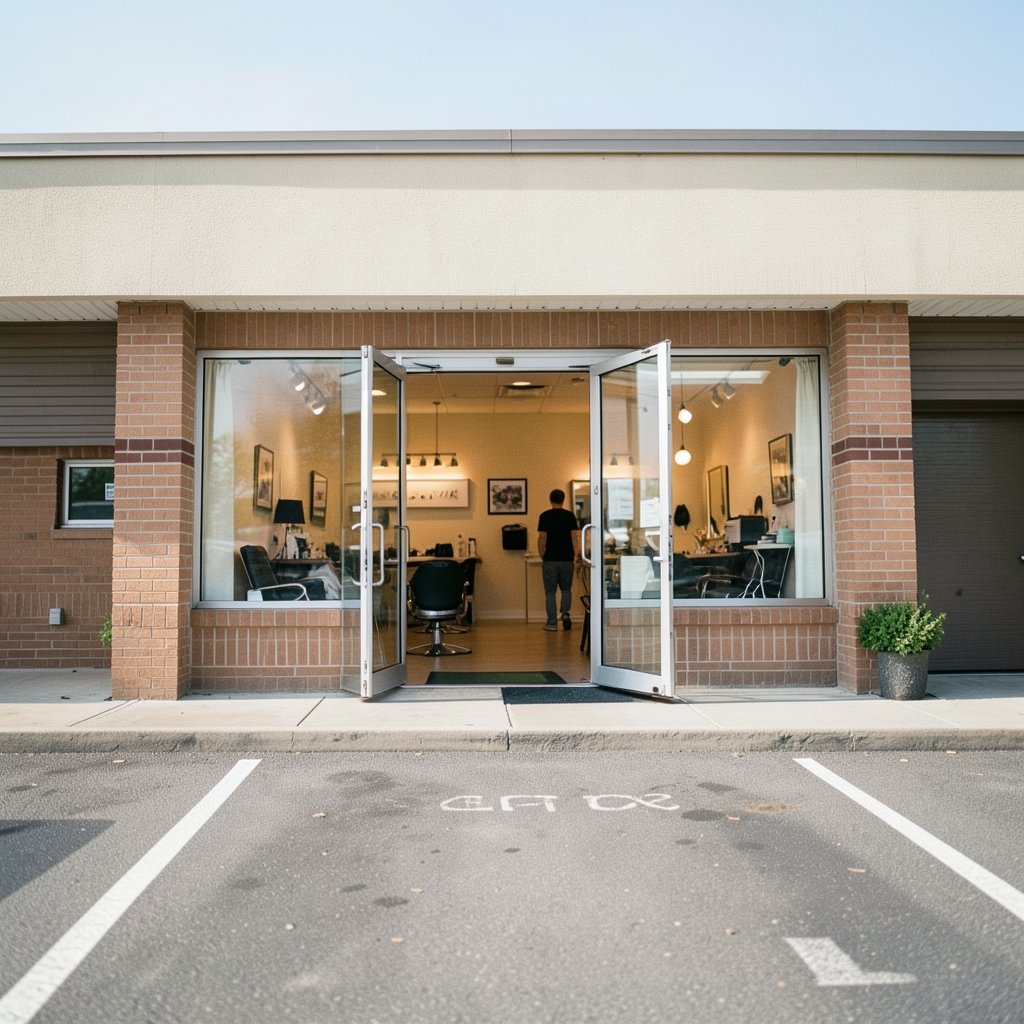
The chain has continued to operate after its reported 2020 Chapter 11 bankruptcy filing, though its store count and footprint have changed. Because locations open and close, the safest approach is to check the official brand website or call your local store directly before visiting. Do not assume a location listed in an old review is still open.
Do you need an appointment at Hair Cuttery?
Historically, the chain has operated primarily on a walk-in, first-come, first-served basis, which is central to its brand identity. Some locations have added online check-in or appointment options, but availability varies by store. If timing matters to you, call ahead and ask how the specific location handles its queue.
How much does a haircut cost at Hair Cuttery?
Prices vary by region and change over time, so any figure you read online should be treated as a rough estimate. The chain positions itself in the mid-range: cheaper than full-service salons, more expensive than the cheapest strip-mall shops. Confirm current pricing with your local store, and remember that a wash or blow-dry may cost extra.
What happened to Hair Cuttery in 2020?
During the COVID-19 pandemic, the chain reportedly closed dozens of salons, and the parent company filed for Chapter 11 bankruptcy protection. Government shutdowns hit walk-in salon businesses especially hard because they depend on close physical contact and cannot easily shift to online sales. The filing led to store closures and restructuring.
Is Hair Cuttery good for kids’ haircuts?
Many families use the chain for children’s cuts because of the low prices and no-appointment convenience. The main risk is wait times, which can be tough with a restless child. Arrive right at opening on a weekday if you can, and ask the front desk which stylist is most experienced with young children.
What is the difference between Hair Cuttery, Bubbles, and Salon Cielo?
These are brand names that have been operated under a parent entity reported as Ratner Companies, serving different price points and service levels. The exact mix of active brands and their current corporate structure can change, so check the official brand websites if you need to confirm which name operates a specific location near you.