
Dirty Blonde Hair: What It Is & How to Wear It in 2026
 Abdul WadoodLast updated
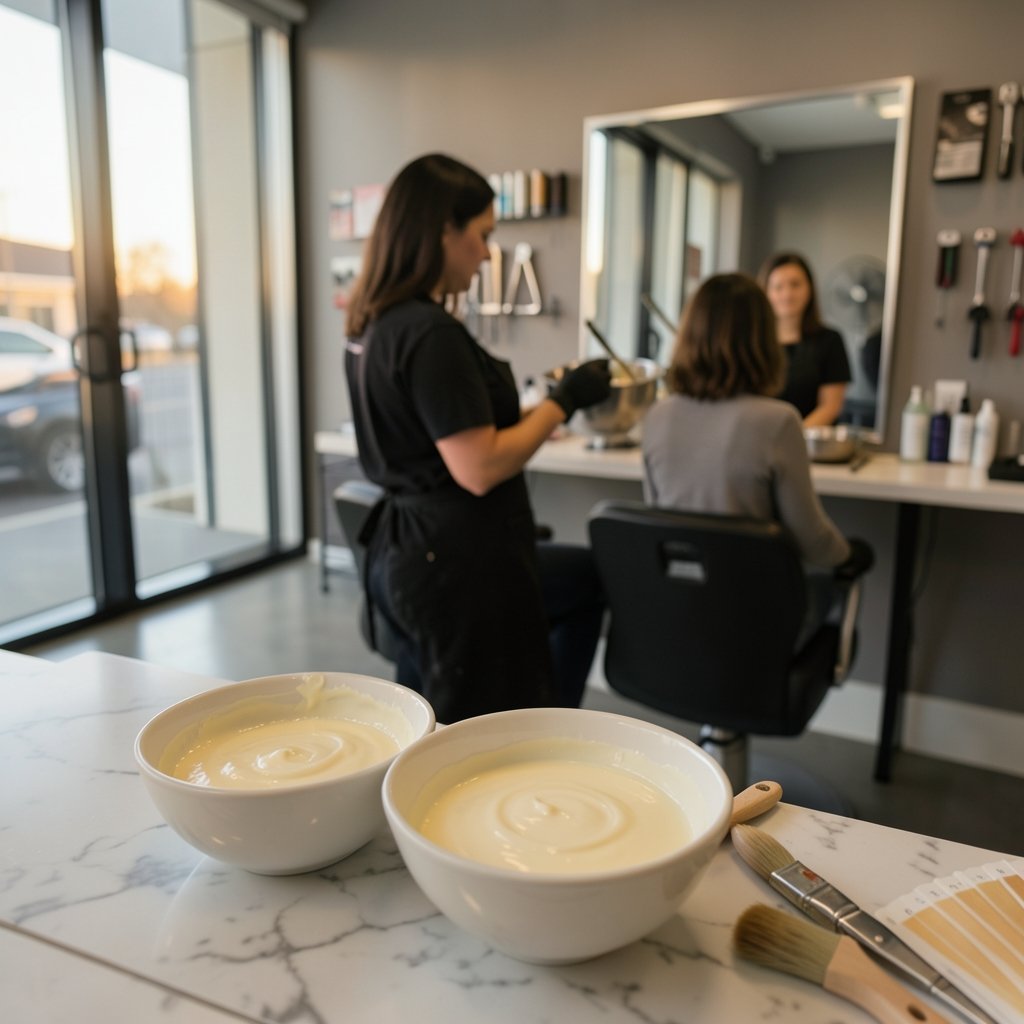
What comes to mind when someone says “dirty blonde”? Maybe a friend whose hair shifts between brown and gold depending on the season. Maybe a shade you’ve been told you have, without ever being sure whether it was a compliment. The term gets thrown around constantly in salons, magazines, and group chats, yet almost nobody agrees on exactly what it means.
That ambiguity is the whole story. Dirty blonde is one of the most common hair colors on the planet and one of the least defined. It sits in the murky middle between light brown and true blonde, and its meaning shifts depending on who is talking, where they live, and what decade they grew up in. This guide breaks down what the shade actually is, where the label comes from, how it differs from neighboring colors, and what to do if you want to wear it well.
What Is Dirty Blonde Hair, Exactly?
Dirty blonde (sometimes written “dirty blond”) is a colloquial term for a dark, muted blonde shade. It usually describes hair that reads as light brown-blonde, with ashy or neutral undertones rather than bright golden ones. Think wheat, sand, mushroom, or a soft taupe rather than sunshine yellow.
The key word is “muted.” True blonde shades tend to reflect light with warmth or brightness. Dirty blonde absorbs more of it. The color looks lived-in, slightly shadowed, and naturally dimensional, which is precisely why it has stayed popular for so long.
There is no single standardized definition. Colorists, dye manufacturers, and beauty writers all draw the boundaries differently, and shade names in the beauty industry are marketing terms, not technical ones. One brand’s “dirty blonde” is another brand’s “dark honey” or “light ash brown.” If you ask five stylists to describe the color, you will get five slightly different answers, and all of them will be defensible.
Why the Name Sounds Harsher Than the Color
The word “dirty” does a lot of work here, and not all of it is flattering. In English, calling a blonde shade “dirty” implies it is not clean, not bright, not quite the real thing. It suggests a blonde that has been dulled down by shadow or dust.
Linguistically, this is a classic case of a descriptive term that carries an implicit judgment. The equivalent exists in other languages too. German, for instance, has a widely used term for the same shade that translates roughly to “street-mutt blonde,” which many speakers consider outright derogatory. The pattern repeats: the color is common, and the label for it is often less than kind.
In practice, most English speakers use “dirty blonde” neutrally, as a plain descriptor. But because connotation varies by region and context, it is worth treating the term as descriptive rather than complimentary. If you are describing someone’s hair, “dark blonde” or “ash blonde” usually lands more gracefully. If you are describing your own, use whatever word feels right, but know that the industry has been quietly rebranding this shade for years under softer names like “bronde,” “mushroom blonde,” and “lived-in blonde.” For a broader look at how color naming and perception work in media, Wikipedia’s overview of hair color is a useful starting point. (Blonde hair)
Dirty Blonde vs. the Shades Next Door
The fastest way to understand dirty blonde is to compare it with the colors it gets confused with. The differences come down to depth (how light or dark the base is) and undertone (whether the color leans warm, cool, or neutral).
| Shade | Base depth | Undertone | How it reads |
|---|---|---|---|
| Platinum blonde | Very light | Cool or neutral | Bright, icy, high-contrast |
| Golden blonde | Light to medium | Warm | Sunny, honeyed, reflective |
| Dirty blonde | Medium | Neutral to ashy | Muted, natural, shadowed |
| Bronde | Medium | Neutral to warm | Between blonde and brown |
| Light brown | Medium to dark | Warm or neutral | Clearly brown in most light |
Two practical notes. First, dirty blonde and bronde overlap heavily. Many stylists use them almost interchangeably, with “bronde” simply being the trendier word. Second, dirty blonde is not a fixed point on a scale; it is a zone. Hair can sit at the light end of the zone in summer and drift toward light brown in winter, and it still counts.
The Science Behind the Shade
Hair color comes down to two pigments: eumelanin (brown-black) and pheomelanin (red-yellow). Blonde hair generally has low eumelanin and relatively more pheomelanin, which is why it can look either golden or ashy depending on the balance. (Hair Dyes)
Dirty blonde reflects intermediate eumelanin levels. There is enough brown pigment to pull the color down from bright blonde, but not enough to make it read as brown. This is also why the shade is so common in people with European ancestry and why it often darkens naturally with age. Many children who are bright blonde in early childhood settle into dirty blonde by their teens.
One caveat worth stating plainly: hair color is usually described in scientific literature through pigment type rather than through informal shade names. Terms like “dirty blonde” do not appear as formal categories in dermatology or color science. They are cultural descriptors, useful for conversation and salon appointments, not for laboratory classification.
Who the Shade Suits, and Why It’s So Forgiving
Dirty blonde has a reputation for being one of the most versatile hair colors, and the reputation is earned. Because it sits in the middle of the value scale, it flatters a wide range of skin tones.
- Cool or pink undertones tend to look harmonious with ashy, neutral dirty blonde.
- Warm or olive undertones often suit dirty blonde with a touch of gold or beige.
- Deep skin tones can carry dirty blonde beautifully, especially when the shade is kept rich rather than washed out.
The bigger advantage is maintenance. A bright platinum blonde requires frequent salon visits to keep roots and brassiness in check. Dirty blonde grows out more gracefully because the root color is naturally closer to the mid-lengths. That lower upkeep is a major reason the shade keeps resurfacing in trend cycles, and it is a point beauty and lifestyle publications return to again and again. For a sense of how professional stylists think about shade selection and client consultation, resources like Forbes regularly cover the business side of the beauty industry, including salon trends and consumer spending on color services.
How to Get Dirty Blonde Hair
If you are starting from a different color, the process matters as much as the target shade. Here is the sequence that generally works best, whether you are doing it in a salon or planning a careful at-home approach.
- Define your target honestly. Bring photos taken in natural light, not filtered ones. Show your stylist two or three examples and say which parts you like: the depth, the ashiness, the dimension.
- Assess your starting point. Going darker is straightforward. Going lighter from dark brown or black requires lifting pigment, which means damage risk and multiple sessions.
- Choose a neutral or ashy formula. The most common mistake is choosing a warm or golden toner when the goal is dirty blonde. Warmth pushes the result toward honey or brass.
- Build dimension rather than a flat block color. Fine lightened strands, balayage, or a shadow root create the natural depth that makes dirty blonde look real.
- Tone after lifting. Lifting exposes warm undertones. A toner neutralizes them and locks in the muted look.
- Plan for upkeep. Expect root touch-ups every six to ten weeks and a gloss or toner refresh in between.
The Mistakes People Actually Make
The single biggest error is over-lifting. People assume “dirty” means “not light enough,” so they push the color brighter, and the result looks nothing like the reference photo. Dirty blonde is a medium-depth shade. If it is too light, it stops being dirty blonde.
The second common mistake is ignoring undertone. Two people can request the same shade and need opposite formulas, because one has warm natural pigment and the other has cool. A good colorist assesses this before mixing anything.
The third is skipping the transition plan. Going from dark brown to dirty blonde in one appointment often means compromising on either the shade or the condition of the hair. Staged lightening costs more time but protects the hair.
Caring for the Color at Home
Dirty blonde shows brassiness quickly, especially on hair that has been lightened. A few habits make a real difference.
- Use a purple or blue toning shampoo once or twice a week, not every wash. Overuse can leave a violet cast on light hair.
- Wash less often and use lukewarm water. Hot water strips color and opens the cuticle.
- Protect from UV and heat. Sun, chlorine, and hot tools all push the shade warmer and duller.
- Book a gloss between appointments. A quick toner refresh keeps the muted quality intact.
- Avoid heavy product buildup. Dirty blonde looks best when it reflects light, and buildup flattens it.
If you want to dig deeper into the chemistry of hair structure and how treatments affect it, Harvard Health publishes accessible material on hair and scalp health that is worth reading before any major chemical process.
A Note on Language and Perception
It is worth pausing on the label itself. “Dirty blonde” persists because it is vivid and instantly understood, but it also encodes an assumption: that blonde should be bright, and anything darker is somehow tarnished. That assumption is cultural, not scientific.
In practice, the shade is one of the most natural-looking colors a person can have. It reads as real because it is real, common across large populations and visible in every season. Many stylists now prefer terms like ash blonde, dark blonde, or bronde precisely because they describe the color without the implied judgment. If someone calls your hair dirty blonde, they are almost certainly being descriptive. But you are free to choose your own word for it, and plenty of people do.
For a wider view of how language shapes perception around appearance, Psychology Today covers the psychology of first impressions and appearance-based judgments in accessible terms.
Conclusion
Dirty blonde is less a single shade than a zone: a muted, medium-depth blonde that sits between light brown and bright blonde, usually with neutral or ashy undertones. It is common, forgiving, and low-maintenance compared with platinum, which explains why it never really goes out of style. The term itself is informal and occasionally unkind, but the color it describes is one of the most natural-looking options available. Whether you are considering it for the first time or trying to name the shade you have had for years, the practical takeaway is simple: focus on depth and undertone, not on the label. Bring honest reference photos, respect the transition process, and keep up with toning. Do that, and the shade will look like it grew there.
Frequently Asked Questions
What is dirty blonde hair?
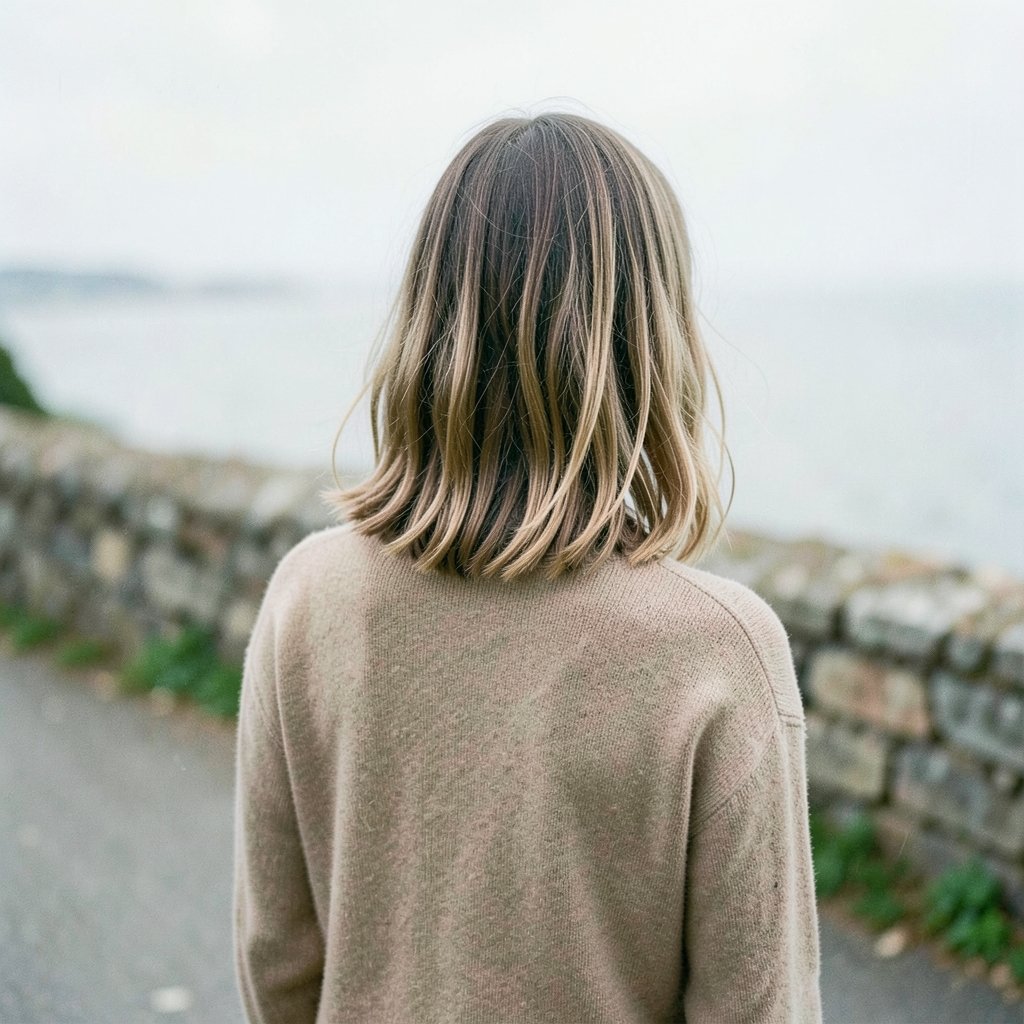
Dirty blonde is a colloquial term for a dark, muted blonde shade, typically a light brown-blonde with neutral or ashy undertones rather than golden ones. It sits in the middle of the value scale between light brown and bright blonde. There is no standardized definition, so colorists and brands draw the boundaries slightly differently.
Is dirty blonde the same as bronde?
They overlap heavily. Bronde is a trendier term for hair that sits between blonde and brown, and dirty blonde usually falls into that same zone. Many stylists use the words almost interchangeably, though bronde sometimes implies a slightly warmer result.
Is the term “dirty blonde” offensive?
It varies by region and context. In most English-speaking settings it is used neutrally as a plain descriptor, but the word “dirty” carries an implicit judgment, and equivalent terms in some languages are considered derogatory. If you are unsure, “dark blonde” or “ash blonde” are safer alternatives.
Can dirty blonde hair be natural?
Yes. It is one of the most common natural hair colors, especially among people of European ancestry. Many children who are bright blonde in early childhood settle into dirty blonde during their teens as pigment levels shift.
How do you get dirty blonde hair from dark brown?
It usually requires lifting pigment, which means a multi-session process to protect hair condition. A colorist will lighten gradually, then apply a neutral or ashy toner to remove unwanted warmth and build dimension with lightened strands or balayage. Doing it in one appointment often compromises either the shade or the hair’s health.
How do you keep dirty blonde hair from turning brassy?
Use a purple or blue toning shampoo once or twice a week rather than every wash, rinse with lukewarm water, limit heat styling, and protect hair from sun and chlorine. Book a gloss or toner refresh between full color appointments to keep the muted, ashy quality intact.