
Best Mountain Hikes: Iconic Trails Worth the Effort
 Abdul WadoodLast updated
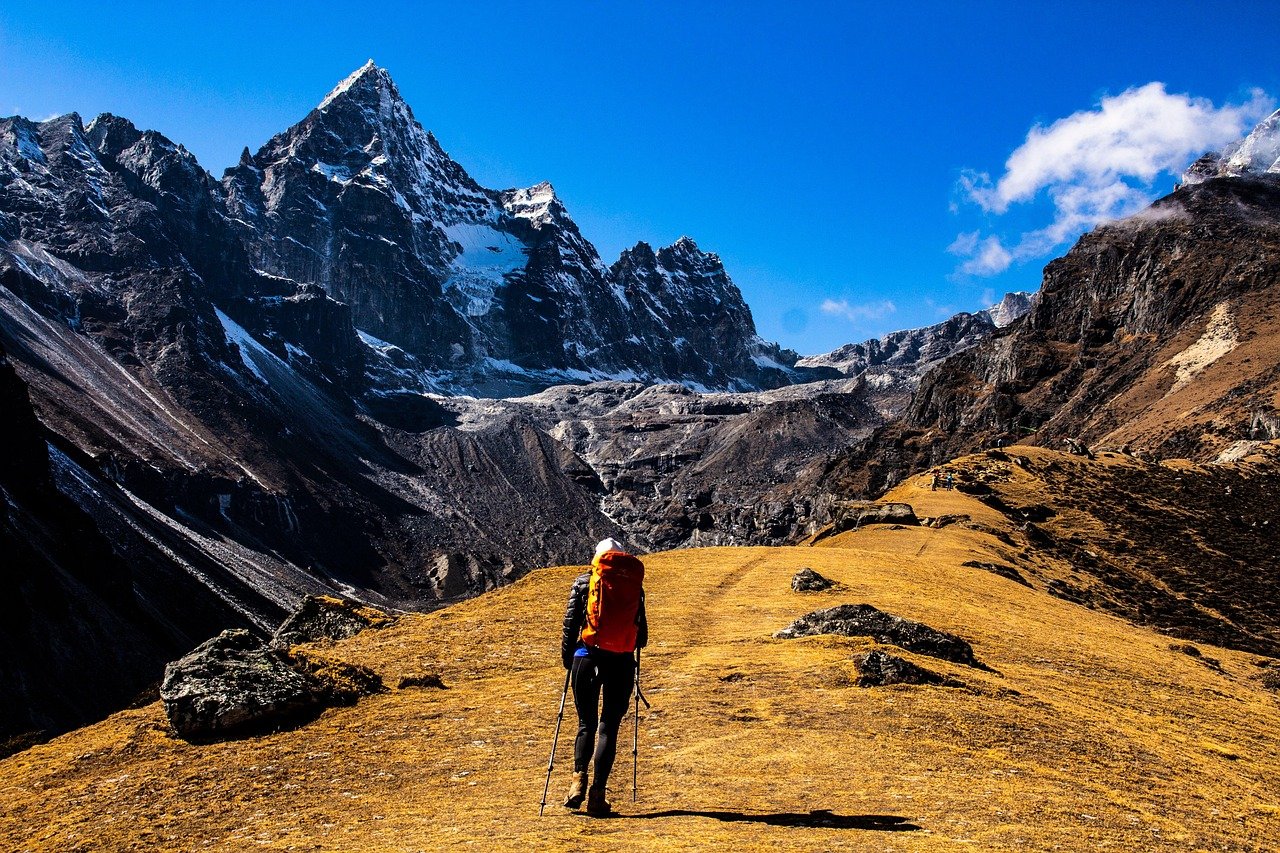
What makes a mountain hike truly great? Is it the summit view, the quiet forest miles before dawn, or the simple fact that you earned every step? Ask ten hikers and you’ll get ten answers. But some trails keep showing up on those lists for good reason. They combine serious scenery, a real sense of challenge, and a route that rewards preparation rather than luck.
This guide looks at some of the world’s most celebrated mountain hikes, what each one demands, and the practical details that separate a great trip from a miserable one. It also covers the common mistakes that trip up first-timers and the habits that experienced hikers swear by.
What “Best” Actually Means for Mountain Hikes
Before diving into specific trails, it’s worth being honest about something. “Best” is subjective. Rankings shift depending on whether you value scenery, difficulty, accessibility, or how crowded a trail gets in peak season. A route that thrills a seasoned alpinist might terrify a weekend walker.
What doesn’t change is the framework. The strongest mountain hikes tend to share a few traits:
- A clear, well-marked route with reliable maps and signage
- Manageable logistics, including permits, transport, and hut bookings
- Realistic daily distances that match the group’s fitness
- A sensible altitude profile, especially on high routes
- A defined season, so you know what weather to expect
Keep those in mind and any list becomes easier to evaluate for your own situation.
Everest Base Camp: The Classic High-Altitude Trek
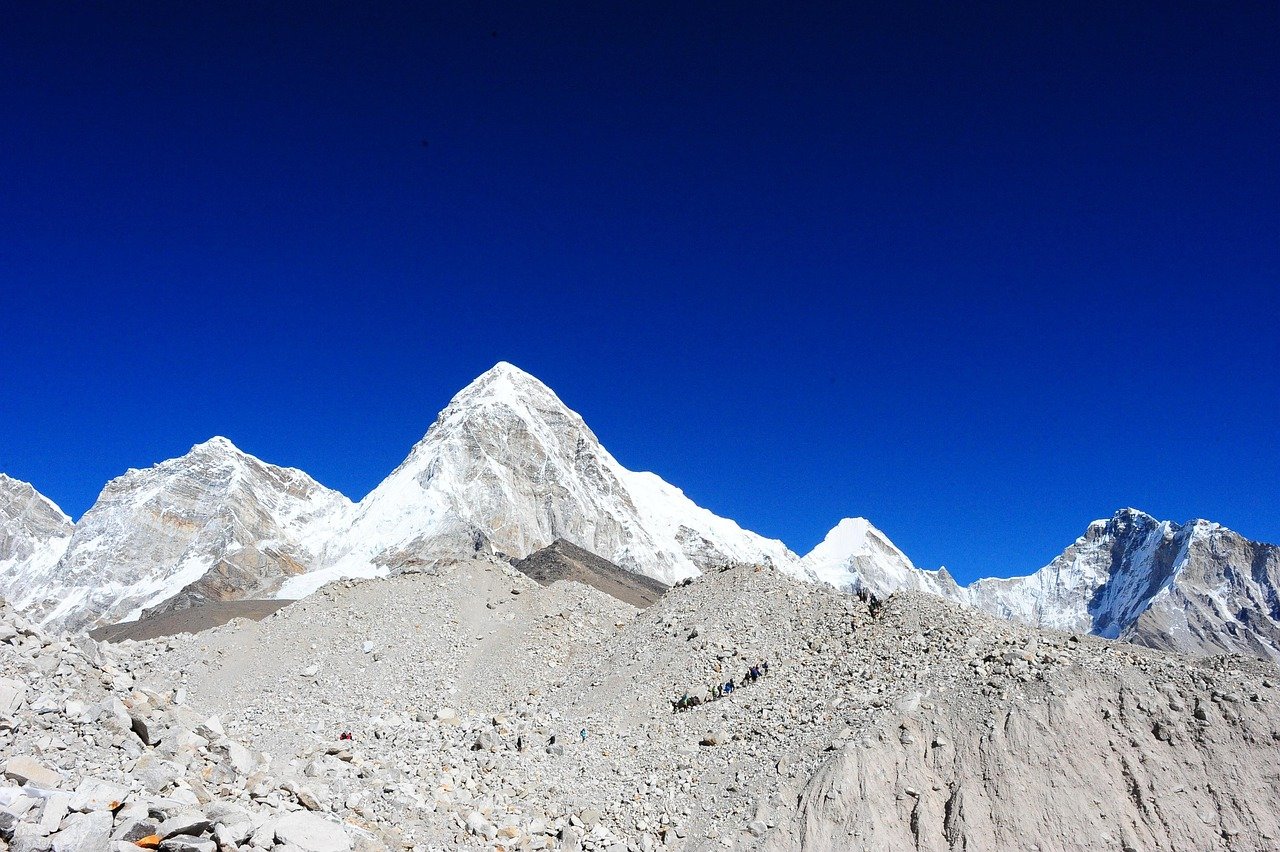
The trek to Everest Base Camp in Nepal is probably the most famous mountain hike on the planet. The standard route runs roughly 12 to 14 days round trip from Lukla, and the highest point most trekkers reach is Kala Patthar at around 5,545 meters, which sits above Base Camp itself at about 5,364 meters.
The real challenge isn’t the walking distance. It’s the altitude. Acute mountain sickness is the main risk on this route, and standard itineraries build in acclimatisation days for exactly that reason. Skipping those rest days to save time is one of the most common and most dangerous mistakes people make.
Practical notes that actually matter:
- Build in the acclimatisation days. Don’t negotiate them away.
- Walk slowly, even when you feel fine. “Pole pole” is the local wisdom for a reason.
- Drink more water than feels necessary and eat even when appetite drops.
- Turn around if symptoms worsen. The mountain will still be there.
Above roughly 2,500 meters, gradual ascent is the standard advice from mountaineering and wilderness-medicine bodies for reducing altitude illness risk. That guidance applies whether you’re in Nepal or the Alps.
Tour du Mont Blanc: Europe’s Signature Circuit
The Tour du Mont Blanc loops roughly 170 kilometers around the Mont Blanc massif, crossing France, Italy, and Switzerland over about 10 to 11 days. It’s one of the most popular long-distance mountain hikes in Europe, and for good reason: you get glaciers, alpine meadows, mountain villages, and three cultures in a single circuit.
The catch is popularity. In peak season, some sections require advance hut bookings, and the most famous stages can feel busy. Hikers who plan months ahead get the huts they want. Those who wing it often end up on long detours or sleeping in villages far from the trail.
If you’re comparing scenic mountain towns as a base before or after a trek, it helps to understand how preservation shapes the experience. The contrast between Charleston historic district vs mount pleasant preservation is a useful example of how local rules change what visitors actually see and how a place feels.
Inca Trail to Machu Picchu: Permits Rule Everything
The Inca Trail in Peru is one of the few major mountain hikes where access is fully quota-controlled. Peru’s Ministry of Culture limits trekker numbers, and permits must be booked through authorized operators, often months in advance. The exact quotas and rules have changed over time, so checking the current official guidance before you commit is essential.
This is the trail where planning discipline pays off most. Common pitfalls:
- Booking too late. Peak-season permits can disappear months ahead.
- Choosing an unlicensed operator. Permits are tied to authorized companies.
- Underestimating the altitude. Cusco sits high, and the trail climbs higher.
- Packing for a resort. Porters carry group gear, but you carry your day pack over real mountain passes.
The reward is a route that combines archaeology with genuine mountain walking, ending at one of the world’s most recognizable sites.
John Muir Trail: California’s High Route
The John Muir Trail stretches roughly 340 kilometers from Yosemite Valley to Mount Whitney, and much of it coincides with the Pacific Crest Trail. It’s a serious thru-hike through the Sierra Nevada, and most hikers need a wilderness permit. The usual bottlenecks are the Whitney Portal exit and the Donohue Pass entry, both of which fill fast.
What makes this trail special is consistency. Day after day of high alpine terrain, granite passes, and clear lakes, without the logistics headaches of international travel. For hikers based in the United States, it’s often the most accessible world-class mountain route on the list.
The practical tip that saves trips: apply for permits early and have a backup plan. Many hikers who miss the lottery simply choose an alternative entry point rather than abandoning the season.
GR20 in Corsica: Europe’s Toughest Waymarked Trail
The GR20 is often described as one of Europe’s toughest waymarked long-distance trails. It runs roughly 180 kilometers north to south across Corsica, with steep, rocky terrain and limited escape routes. This is not a trail for beginners, and it’s not a trail for people who want a gentle introduction to mountain hiking. (Hiking)
What makes it hard:
| Factor | What to Expect |
|---|---|
| Terrain | Rocky, steep, often exposed |
| Escape routes | Limited; committing sections |
| Water | Scarce in places; plan refills |
| Weather | Fast-changing; storms roll in |
| Fitness | High; long days with big climbs |
The GR20 rewards hikers who train specifically for it. Leg strength, balance on uneven ground, and comfort with exposure matter more than raw cardio.
Kilimanjaro: Routes Change Everything
Kilimanjaro in Tanzania is Africa’s highest peak at roughly 5,895 meters, and it’s one of the few high mountains that doesn’t require technical climbing gear. But success rates vary dramatically by route. Routes like Machame and Lemosho offer better acclimatisation profiles than the shorter Marangu route, which is why they tend to have higher summit success.
Park fees and guide requirements are set by Tanzania National Parks, and rules change periodically. Anyone planning a climb should confirm current fees and regulations directly before booking.
The single biggest factor in reaching the summit isn’t fitness. It’s choosing a route with enough days to acclimatise. A longer, slower itinerary beats a shorter, faster one almost every time.
Safety and Altitude: What Actually Works
Altitude is the great equalizer on mountain hikes. Fitness doesn’t protect you from acute mountain sickness, and young, strong hikers get it just as often as anyone else. The standard guidance is gradual ascent and proper acclimatisation above roughly 2,500 meters.
What works in practice:
- Ascend slowly. If you can sleep lower than your highest point each day, do it.
- Watch for symptoms. Headache, nausea, dizziness, and poor sleep are early warning signs.
- Descend if symptoms worsen. Descent is the definitive treatment.
- Avoid alcohol and sedatives at altitude, which can mask or worsen symptoms.
What doesn’t work: pushing through because you paid for the trip, or assuming a headache is just dehydration. Experienced guides treat altitude symptoms seriously, and so should you.
Leave No Trace: Ethics on the Trail
Mountain environments are fragile, and popular trails show the damage when visitors don’t follow basic ethics. The Leave No Trace framework, built around seven principles, is the standard reference for outdoor conduct: plan ahead, stay on trails, pack out waste, leave what you find, minimize campfire impact, respect wildlife, and be considerate of others. (Trails)
In practice, this means small decisions. Staying on marked trails prevents erosion. Packing out everything, including food scraps, keeps wildlife wild. Keeping noise down preserves the experience for everyone else.
If you’re planning trips that mix city time with outdoor time, the same mindset applies. Knowing what to expect from a destination helps you travel responsibly, whether you’re choosing mountain view luxury apartments renters actually get near a trailhead town or researching Mountain falls luxury motorcoach resort owners guests should know about before booking a base camp stay.
Common Mistakes First-Timers Make
After enough conversations with hikers, patterns emerge. These mistakes come up again and again:
- Overpacking. Every extra kilo costs energy on climbs. Weigh your pack and cut it.
- Ignoring the season. Many alpine routes have short windows. Shoulder-season snow and afternoon storms are common hazards.
- Skipping training hikes. A gym routine doesn’t fully prepare you for rocky, uneven terrain with a pack.
- Underestimating weather. Mountain weather changes fast. Layers and rain gear aren’t optional.
- Not booking huts or permits early. Popular routes fill months ahead.
- Going too fast on day one. Pacing matters more than pride.
How to Choose the Right Mountain Hike
The best mountain hike for you depends on four questions:
- How much time do you have? A week limits you to shorter routes.
- What’s your altitude experience? High routes demand acclimatisation time.
- How do you feel about exposure? Some trails have steep drop-offs and limited escape routes.
- What’s your budget? Permits, guides, huts, and transport add up fast.
If you’re new to mountain hiking, start with a well-marked multi-day route at moderate altitude. Build experience before attempting high-altitude or technically demanding trails. The mountains aren’t going anywhere, and a gradual progression keeps you coming back.
For those planning trips that combine hiking with other outdoor activities, it helps to know what’s nearby. Guides like best beaches michigan where swim hike unwind show how to pair trail time with recovery time, and resources like the Mountain Buggy Skyrider luxury luggage stroller guide are useful for families navigating gear logistics on the road.
Conclusion
The best mountain hikes aren’t defined by a single ranking. They’re defined by fit: the right route, at the right time, with the right preparation. Everest Base Camp rewards patience with altitude. The Tour du Mont Blanc rewards planning with huts. The Inca Trail rewards early booking with access. The John Muir Trail rewards permit diligence with miles of Sierra granite. The GR20 rewards training with raw Corsican terrain. Kilimanjaro rewards route choice with summit success.
Whatever trail you choose, the fundamentals stay the same. Train before you go, respect altitude, follow Leave No Trace ethics, and build in margin for weather and rest. Do those things, and the mountain does the rest.
FAQ
What is the best mountain hike for beginners?
A well-marked multi-day route at moderate altitude is the best starting point. Look for trails with hut-to-hut options, reliable signage, and easy escape routes. Avoid high-altitude or technically demanding routes until you’ve built experience.
How far in advance should I book permits for popular mountain hikes?
For quota-controlled trails like the Inca Trail, book several months ahead, especially for peak season. For routes like the John Muir Trail, apply as early as the permit system allows and have a backup entry point ready.
How do I prevent altitude sickness on a mountain hike?
Ascend gradually, build in acclimatisation days, stay hydrated, and watch for early symptoms like headache and nausea. Above roughly 2,500 meters, slow ascent is the standard advice. If symptoms worsen, descend.
What should I pack for a multi-day mountain hike?
Focus on layers, rain gear, a reliable map, water treatment, and a properly fitted pack. Weigh everything and cut what you won’t use. Every extra kilo costs energy on climbs.
Is the GR20 suitable for first-time hikers?
Generally no. The GR20 is often described as one of Europe’s toughest waymarked long-distance trails, with steep, rocky terrain and limited escape routes. It suits experienced hikers with specific training.
What is Leave No Trace and why does it matter?
Leave No Trace is a seven-principle outdoor ethics framework covering planning, trail use, waste, wildlife, and campfire impact. Following it protects fragile mountain environments and preserves the experience for other hikers.