
Luxury Cruise Ship Guide: What Sets It Apart in 2026
 Abdul WadoodLast updated
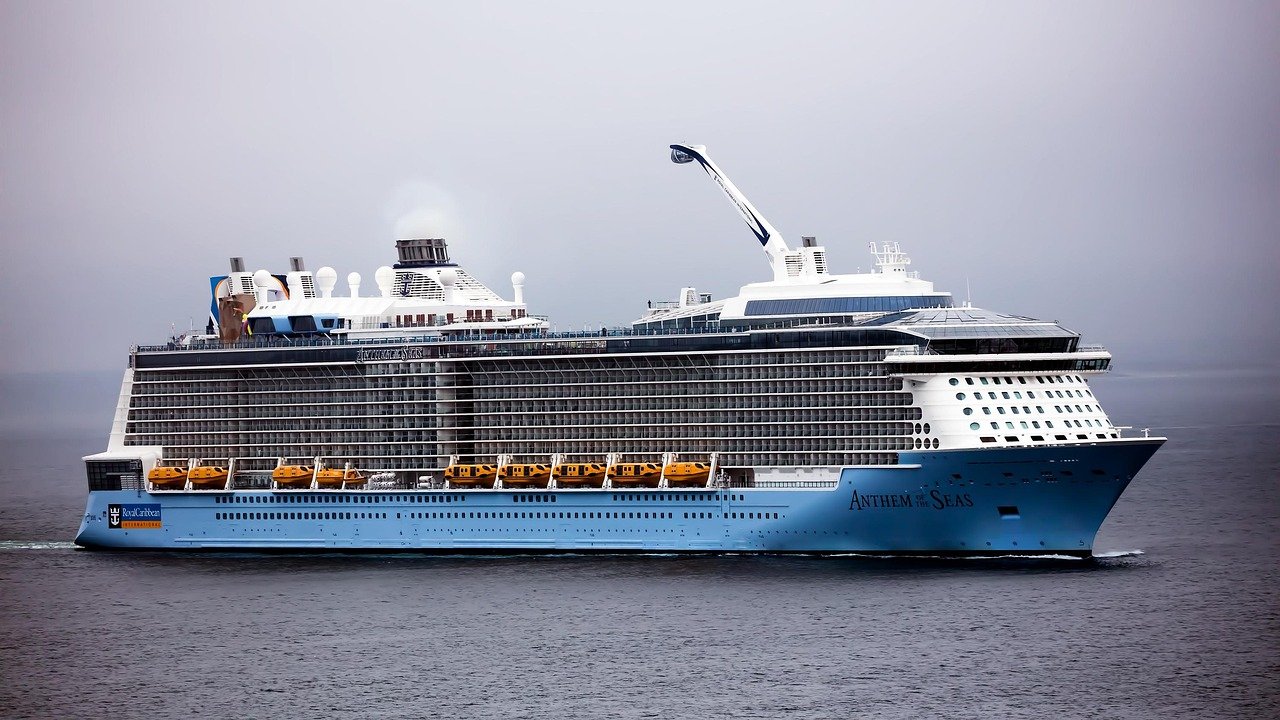
What if the best part of a cruise turned out to be the space you don’t share with 5,000 other people? That is the pitch behind the luxury cruise ship, a vessel class built on a simple trade-off: fewer passengers, bigger suites, and a fare that already covers most of what you would otherwise pay for on board. It sounds straightforward until you try to compare two brochures. One ship calls itself luxury with 750 guests and a butler for every suite. Another calls itself luxury with 2,400 guests and a “premium” dining package. Both can’t be right, and the word itself has no agreed definition anywhere in maritime law.
This guide sorts out what the label actually signals, how these ships differ from mainstream giants, what the fares hide, and where the genuine weak spots are.
What Actually Defines a Luxury Cruise Ship
There is no regulated class called “luxury” in shipping. It is a marketing tier, which means the label is only as reliable as the line using it. In practice, the ships that earn the name share a handful of traits.
Small size. Most luxury vessels carry roughly 100 to 750 guests. Silversea’s Silver Nova, launched in 2023, holds about 728. Regent’s Seven Seas Grandeur, also 2023, carries about 746. Seabourn Encore, from 2016, sits near 600. Compare that with mainstream mega-ships that routinely sail with 3,000 to 6,000 or more.
Space per person. Because the guest count is low and the hull is still a hull, public rooms feel open. Lounges have empty seats at cocktail hour. The pool deck has loungers left over. This is the single most tangible difference, and it is the one repeat cruisers mention first.
Suite-heavy cabins. On many luxury ships, every cabin is a suite with a veranda. Entry-level rooms often start around 300 square feet, which on a mainstream ship is a mid-tier upgrade.
Inclusive fares. Drinks, gratuities, specialty dining, Wi-Fi, and sometimes shore excursions and flights are bundled. The sticker price looks high next to a mainstream fare, but the comparison only works once you add back the extras.
Crew ratios. Lines commonly advertise guest-to-crew ratios near 1:1 or better, sometimes around 1.4:1. Treat these as marketing claims calculated at double occupancy, not audited figures.
How Luxury Ships Compare With Mainstream and Premium Lines

The clearest way to see the difference is side by side. The table below reflects typical patterns rather than any single ship.
| Feature | Mainstream | Premium | Luxury |
|---|---|---|---|
| Typical guest count | 3,000 to 6,000+ | 1,500 to 3,000 | 100 to 750 |
| Standard cabin | Interior to balcony | Balcony-forward | Suite with veranda |
| Fare inclusions | Base room and main dining | Some drinks or Wi-Fi | Drinks, tips, dining, Wi-Fi, often excursions |
| Dining style | Fixed or flexible seatings, upcharge venues | Mixed | Open seating, multiple included restaurants |
| Atmosphere | Energy, activities, families | Balanced | Quiet, service-led |
| Excursions | Sold separately | Sold separately | Often included or credited |
The premium tier is where most confusion lives. A premium line may offer excellent food and a refined crowd, but it usually still charges for drinks and specialty restaurants. That is not a criticism, just a different product. If a traveler wants the all-inclusive model, they need to read the inclusions list rather than the brochure adjective.
Choosing well often comes down to matching the ship to the route. A vessel built for the Caribbean may be a poor fit for icy water, and the reverse is also true. Anyone weighing northern itineraries should look at how to pick the best Alaskan cruise line by route, ship and budget, because the ship matters as much as the scenery. The same logic applies to European rivers, where a guide to choosing the right European river cruise route and ship explains why cabin size and port access vary so much between vessels. (Cruise ship)
The Real Cost of an All-Inclusive Fare
The inclusive model is the most misunderstood part of luxury cruising. Travelers see a fare of several hundred dollars a night and compare it to a mainstream fare of perhaps $120, then conclude luxury costs four times as much. Sometimes it does. Often it doesn’t.
Here is a practical way to run the numbers before booking.
- Take the mainstream fare and add the daily gratuity charge.
- Add a realistic drinks budget per person per day, not the brochure package price.
- Add specialty dining cover charges for the nights you would actually use them.
- Add Wi-Fi for each device.
- Add shore excursions, which on mainstream ships are sold at a markup.
- Add airport transfers and, on some routes, flights.
- Compare the total against the luxury fare, which typically folds in most of the above.
Run that calculation honestly and the gap often narrows to 20 to 40 percent rather than 300 percent. What remains is the genuine premium for space, service, and smaller ports.
The catch is that inclusive does not mean unlimited. Some luxury lines still charge for spa treatments, certain premium wines, and a handful of specialty restaurants. Read the inclusions page line by line, and check whether “included excursions” means a curated selection or every option on the list.
Life On Board: Service, Space and Quiet
Service is where luxury ships earn their reputation, and it is also where expectations can outrun reality. A butler who unpacks your suitcase and books dinner is a real feature on several lines. So is a restaurant where the maître d’ remembers your name by day two.
The trade-off is tempo. These ships are quiet. Evening entertainment tends toward a pianist, a small ensemble, or a lecture, not a Broadway-style production. Travelers who love a buzzing casino and a packed theater may find the atmosphere flat. This is the most common mismatch, and it is entirely a matter of taste.
For travelers who specifically want that calm, child-free environment, it helps to compare adult-only cruise ships that keep kids out from underfoot, since some luxury lines welcome families while others are effectively adults-only.
A second practical point: smaller ships visit smaller ports. That can mean a berth in the heart of a historic town rather than an industrial terminal 40 minutes away. It can also mean a tender ride to shore when the harbor is shallow. Neither is better in the abstract, but they suit different travelers.
Safety, Health and Environmental Rules That Apply to Every Ship
Luxury status buys no exemption from regulation. Passenger ships are governed internationally by the International Maritime Organization, most notably through SOLAS, the convention covering the safety of life at,-1974.aspx) sea. It sets rules on life-saving equipment, fire protection, and vessel construction that apply whether the ship carries 100 guests or 6,000.
Environmental rules have tightened considerably. Under MARPOL Annex VI, a global cap on sulphur content in marine fuel dropped from 3.50 percent to 0.50 percent on 1 January 2020. The Mediterranean Sea became a sulphur emission control area with a 0.10 percent limit from 1 May 2025. Ships in Arctic and Antarctic waters fall under the Polar Code, in force since 1 January 2017, which sets construction and operational standards for polar voyages.
Health is monitored too. Ships calling at US ports report gastrointestinal illness outbreaks, most often norovirus, to the CDC Vessel Sanitation Program, which also publishes inspection scores. Checking a ship’s recent score before booking takes two minutes and tells you more than any brochure.
Emissions remain contested ground. Advocacy research has estimated that cruise ships emitted more sulphur oxides than all of Europe’s cars in some years, a claim the industry disputes. Travelers who care about this should look for ships using cleaner fuels or shore-power connections rather than relying on either side’s summary.
Who Luxury Cruising Suits, and Who It Doesn’t
The fit is easier to describe than the ships themselves.
It suits travelers who value space over spectacle, couples celebrating an occasion, multigenerational groups willing to pay for convenience, and anyone who has done the mainstream circuit and wants a slower version. It also suits people who hate nickel-and-diming at the bar.
It doesn’t suit families with young children who want waterslides and kids’ clubs, travelers on a tight budget, or anyone who needs a casino and a big show every night. It also disappoints people who assume “luxury” means formal. Most lines have relaxed their dress codes considerably.
First-hand patterns from experienced cruisers are worth noting. The most common mistake is booking on cabin category alone and ignoring the ship’s age and refit history. A 2010 hull with a 2022 refurbishment can beat a newer ship on finish. The second mistake is assuming every suite gets butler service; on some lines it is reserved for upper categories. The third is overpacking formalwear that never leaves the closet.
If the appeal is broader than the ship itself, it helps to see how the best cruise ships stand out from the rest of a fleet, since the same line can operate very different vessels under one brand.
The Craftsmanship Question
Part of what travelers pay for is finish: joinery, stone, textiles, and the sheer labor of building a small ship well. That standard is not unique to cruising. Buyers weighing a luxury penthouse against a private villa and the maintenance each demands will recognize the same tension between upfront cost and ongoing care. The parallel is not exact, but the principle holds: craftsmanship is often what decides whether something counts as luxury, and it shows up in details guests notice without being told to.
Conclusion
The luxury cruise ship is less a category than a set of choices: fewer guests, larger suites, inclusive pricing, and a slower rhythm. None of that is objectively better than a mega-ship. It is simply a different product aimed at a different traveler. The label has no legal meaning, so the only reliable test is the specifics: guest count, suite size, what the fare includes, and how the ship scores on safety and health inspections. Do that homework, run the true-cost math, and the right answer for a given traveler usually becomes obvious.
Frequently Asked Questions
What passenger count makes a cruise ship luxury?
There is no official threshold, but most ships marketed as luxury carry roughly 100 to 750 guests. Examples include Silver Nova at about 728 and Seven Seas Grandeur at about 746. Ships above that range are usually premium or mainstream, even when they offer suite-only decks.
Are drinks and gratuities really included in a luxury cruise fare?
On most luxury lines, yes. Standard drinks, gratuities, specialty dining, and Wi-Fi are typically bundled. Exceptions usually include premium spirits and wine lists, spa treatments, and a few specialty venues. Always check the inclusions page for the specific ship rather than assuming the whole brand works the same way.
Is a luxury cruise worth the higher price?
It depends on how much you would otherwise spend on board. Once gratuities, drinks, Wi-Fi, specialty dining, and excursions are added to a mainstream fare, the gap often shrinks to 20 to 40 percent. What remains buys space, service, and smaller ports. Travelers who don’t use those extras may get better value elsewhere.
Do luxury cruise ships have fewer health risks?
Not inherently. All passenger ships calling at US ports report gastrointestinal outbreaks to the CDC Vessel Sanitation Program, and norovirus is the most common cause regardless of price tier. Lower guest density may reduce crowding, but the practical step is checking a ship’s recent inspection score before booking.
What is the difference between premium and luxury cruise lines?
Premium lines usually offer better food and a calmer atmosphere but still charge for drinks, specialty dining, and excursions. Luxury lines bundle those into the fare and typically sail smaller ships with a higher crew-to-guest ratio. The gap is about inclusions and scale more than raw quality.
Can families with children sail on a luxury cruise ship?
Some lines welcome children, but most luxury ships carry few of them and offer limited kids’ programming. Families wanting waterslides, clubs, and constant activity are usually better served by a mainstream ship. Families seeking calm and space can find a fit, but should confirm age policies and activities first.