
Chocolate Brown Hair: What It Really Looks Like in 2026
 Abdul WadoodLast updated
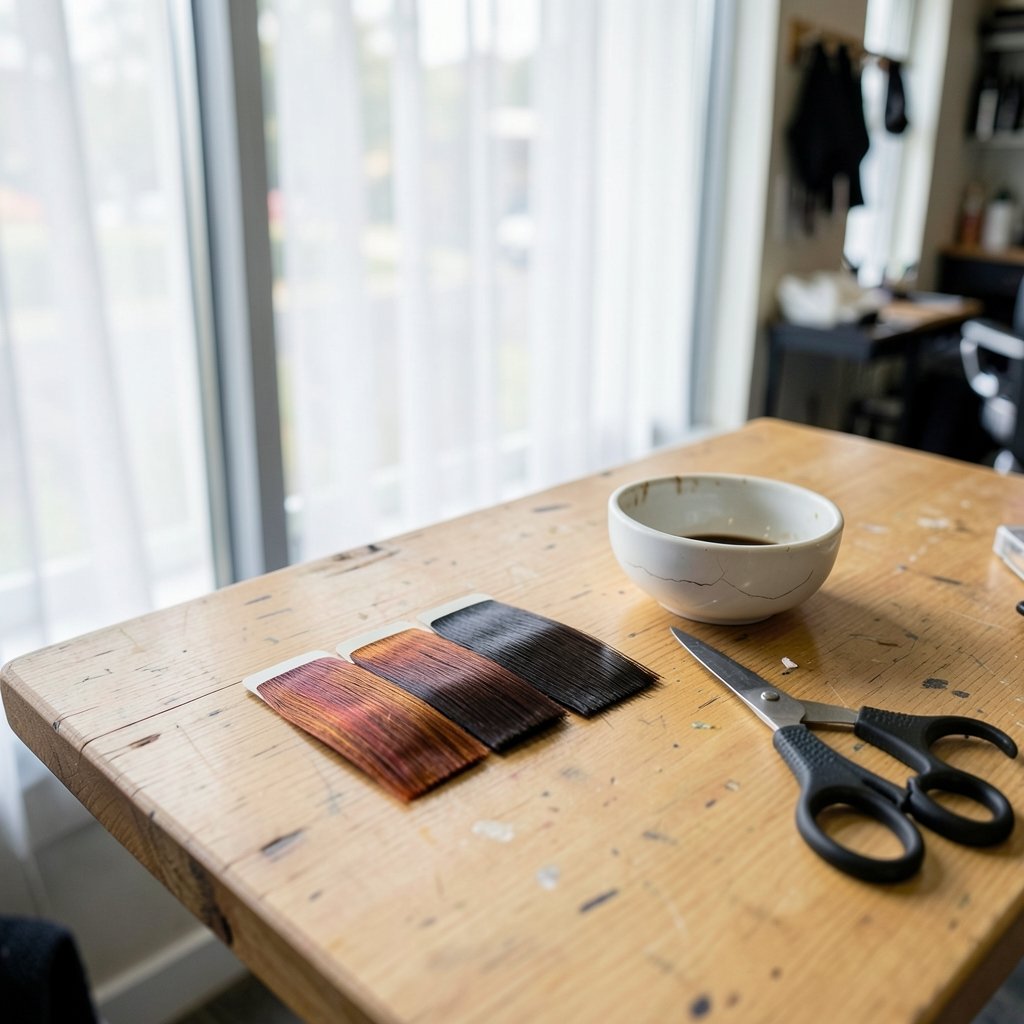
Is chocolate brown hair just a fancy name for “brown,” or is there something specific hiding behind that label? The answer sits somewhere in the middle, and understanding the difference can save you from a dye job that turns out warmer, cooler, or darker than you imagined. This guide breaks down what the shade actually means, who it flatters, how to ask for it, and how to keep it looking fresh.
What “Chocolate Brown” Actually Means
Here is the first thing to know: chocolate brown is a descriptive color name, not a standardized term. It has no official definition in color science or industry standards. Different brands and publications use it loosely for shades that range from a medium warm brown to a deep espresso.
In hair color specifically, chocolate brown typically denotes a warm, medium-to-dark brown with red or gold undertones. That is the common salon and consumer usage, not a formal classification. It sits in contrast to ash brown (which is cool and slightly gray) and espresso (which is darker and cooler). (Brown hair)
The broader color vocabulary is well established. Brown itself is a composite color, and the term “chocolate” as a color descriptor is long-standing in everyday language. You can read more about how brown fits into color theory on Wikipedia’s overview of brown.
One warning worth flagging upfront: “chocolate brown” in fashion and textiles may map to different hex values than it does in hair color. There is no single authoritative hex code. Any article or shade chart that implies a standard is overselling its precision.
Why Shade Names Are Marketing, Not Science
Major dye brands use names like “chocolate” across product lines, but the actual color varies by line and by the level system each brand uses. The label is marketing-driven, and that matters when you are standing in a store aisle holding two boxes that both say “chocolate.”
What actually works in practice is ignoring the name and reading the number. Most professional and consumer dye lines use a level system where lower numbers are darker. Within a level, a second number indicates the tone family, with warm and red tones grouped separately from ash and cool tones. Two “chocolate” shades from different brands can sit a full level apart and lean in opposite directions.
A practical tip: photograph the swatch on the box next to your skin in natural light before buying. Store lighting is notoriously warm and will make almost everything look richer than it does at home.
Who Chocolate Brown Hair Flatters
Warm brown shades tend to suit people with warm or neutral undertones in their skin. If gold jewelry tends to look better on you than silver, or if your veins read greenish rather than blue, a warm chocolate shade is usually a safe bet.
| Skin Undertone | Chocolate Brown Fit | Notes |
|---|---|---|
| Warm (gold, peach, olive) | Excellent | The red and gold in the shade echo your natural warmth |
| Neutral | Very good | Most flexible group; can lean warm or slightly cool |
| Cool (pink, blue, ruddy) | Use caution | May clash; a cooler espresso or ash brown often works better |
| Deep | Excellent | Warm browns can look very luminous against deeper skin |
Cool-toned readers are not locked out. A cool chocolate exists in many lines, and it reads as brown without the copper. The trick is to ask for a shade with a neutral or ash base rather than a red or gold base.
How to Ask for It at the Salon
The single most common mistake is saying “chocolate brown” and assuming the stylist pictures the same thing you do. They do not, because there is no shared standard.
What actually works:
- Bring two or three photos in different lighting, including one in daylight and one indoors.
- Describe the undertone you want in plain words: “warm but not red,” or “brown with no orange.”
- Name a shade you already like on yourself or on someone else, even if it is not a hair color reference.
- Ask what level the stylist plans to use and confirm it out loud before the developer goes on.
- Request a strand test if you are going much darker or covering previous color.
Stylists work from swatch books that show the actual level and tone, so pointing at a swatch is far more reliable than repeating a product name. If your stylist hesitates or asks clarifying questions, that is a good sign, not a bad one.
The Maintenance Reality
Warm browns are beautiful but they are not low-maintenance in the way people hope. The red and gold tones that make chocolate brown look rich are also the first tones to fade. Every wash strips a little warmth, and within a few weeks a warm chocolate can drift toward a flatter, duller brown.
What actually helps:
- Wash less often, and use a color-protecting shampoo when you do.
- Rinse with cooler water, since heat opens the cuticle and accelerates fading.
- Use a color-depositing mask every week or two to top up the warmth.
- Book a gloss every four to six weeks rather than a full re-color.
A gloss is a gentle, low-commitment way to refresh tone without lifting or depositing heavy pigment. It is also the cheapest way to correct a shade that has gone slightly off.
If you want a deeper dive into how hair pigment and light interact, the science of color perception is covered in Wikipedia’s article on color vision, which explains why the same shade can look different under salon lights and daylight.
Chocolate Brown vs. Neighboring Shades
The fastest way to understand chocolate brown is to compare it to the shades it gets confused with.
| Shade | Depth | Undertone | Best For |
|---|---|---|---|
| Chocolate brown | Medium to dark | Warm (red/gold) | Warm and neutral skin |
| Espresso | Dark to very dark | Cool to neutral | Cool skin, high contrast looks |
| Ash brown | Medium | Cool (gray/green) | Cool skin, toning down brassiness |
| Chestnut | Medium | Warm red | Warm skin, natural-looking depth |
| Caramel | Light to medium | Warm gold | Lighter bases, sun-kissed effects |
The confusion usually happens between chocolate and chestnut, and between chocolate and espresso. Chestnut carries more visible red. Espresso carries almost none. Chocolate sits between them, which is exactly why the name is so widely used and so loosely defined.
Common Mistakes People Make
A few patterns show up again and again.
Going too dark too fast. People see a deep chocolate on a screen and ask for it directly, not realizing that screens brighten and saturate. The result is often several levels darker than intended, which reads as near-black indoors.
Ignoring previous color. If your hair has old lightened sections, box dye, or henna, the new shade will not land the same way it would on virgin hair. Henna in particular reacts unpredictably with chemical dye, and any stylist will want to know about it.
Skipping the patch test. Allergic reactions to hair dye are uncommon but real, and a patch test takes minutes. It is not a formality.
Assuming the box photo is accurate. Packaging is lit, retouched, and shot on a model whose starting color is nothing like yours. The swatch on the side of the box is a better reference, and a strand test is better still.
Forgetting about the roots. Warm browns show root regrowth more than people expect, especially if your natural color is much lighter or darker. Budget for touch-ups before you commit.
Does Chocolate Brown Work on Every Hair Type?
Texture matters less than starting color, but it does affect how the shade reads. On curly and coily hair, warm browns catch light at the curve of each strand and can look almost multidimensional without any highlighting. On fine, straight hair, the same shade can look flatter because there is less surface variation to reflect light.
For fine hair, a subtle gloss or a few face-framing pieces in a slightly lighter tone can add dimension without a full highlight service. For thick or coarse hair, a single flat shade often looks rich enough on its own.
Gray coverage is another consideration. Chocolate brown covers gray well because the warm pigment deposits evenly, but the gray tends to return with a slightly different texture. Ask your stylist how they plan to handle resistant grays, since some need a different formulation.
Caring for the Color Between Appointments
The daily routine does most of the work. A few habits make a measurable difference.
Use a sulfate-free shampoo if your color fades quickly. Sulfates are not evil, but they do strip pigment faster, and if you are already washing frequently, switching is a cheap fix. Rinse with cool water at the end of your shower. Keep heat styling to a minimum, or use a heat protectant, because repeated high heat dulls the shine that makes warm browns look expensive.
Sun exposure is the quiet culprit. UV light breaks down dye molecules, and hair that spends time outdoors fades noticeably faster in summer. A leave-in with UV protection or a hat does more than most people expect.
Finally, get a trim every six to eight weeks. Split ends scatter light and make any color look duller than it is. The shade is only half the story; the condition of the hair carries the rest.
For readers building a broader style plan around their color, the editorial team at Voozon covers related beauty and lifestyle topics worth a look.
Conclusion
Chocolate brown hair is a warm, medium-to-dark brown with red or gold undertones, and it is one of the most flattering and forgiving shades in the brown family. But the name is a marketing label, not a specification, which means the real work happens in the consultation. Bring photos, describe the undertone in plain language, confirm the level before the dye goes on, and plan for maintenance from day one. Done right, the shade reads rich and natural rather than flat or brassy. Done carelessly, it drifts darker or warmer than you wanted within a month. The difference is almost never the product. It is the conversation before the application.
Frequently Asked Questions
What is chocolate brown hair?

Chocolate brown hair is a warm, medium-to-dark brown shade with red or gold undertones. It is a descriptive name used in salons and product marketing rather than a standardized color classification, so the exact shade varies by brand and by the level system each line uses.
Is chocolate brown the same as espresso?
No. Espresso is darker and cooler, with little to no visible red. Chocolate brown is lighter and warmer, sitting between chestnut (which carries more red) and espresso on the depth scale. The two are often confused because both are deep browns.
Does chocolate brown hair suit cool skin tones?
It can, but it takes care. Classic chocolate brown leans warm, which may clash with cool or ruddy undertones. People with cool skin usually do better with a cool chocolate, ash brown, or espresso, all of which read as brown without the copper.
How often does chocolate brown hair need touch-ups?
Plan on a gloss or tone refresh every four to six weeks. Warm browns fade faster than cool shades because the red and gold pigments are the first to wash out. Root touch-ups depend on how much contrast there is between your natural color and the dye.
Can you get chocolate brown hair from a box dye?
Yes, but read the level number rather than the shade name, and do a strand test first. Box photos are lit and retouched, and the model’s starting color is rarely similar to yours. If your hair has previous color, henna, or old lightened sections, a salon consultation is the safer route.
Why does chocolate brown hair look different indoors and outdoors?
Hair color changes with the light source because different lights contain different color temperatures. Warm indoor lighting exaggerates red and gold tones, while daylight shows the true depth. This is why stylists recommend checking a swatch in natural light before committing.