
90s Minimalist Fashion Comeback: How to Wear It in 2026
 Abdul WadoodLast updated
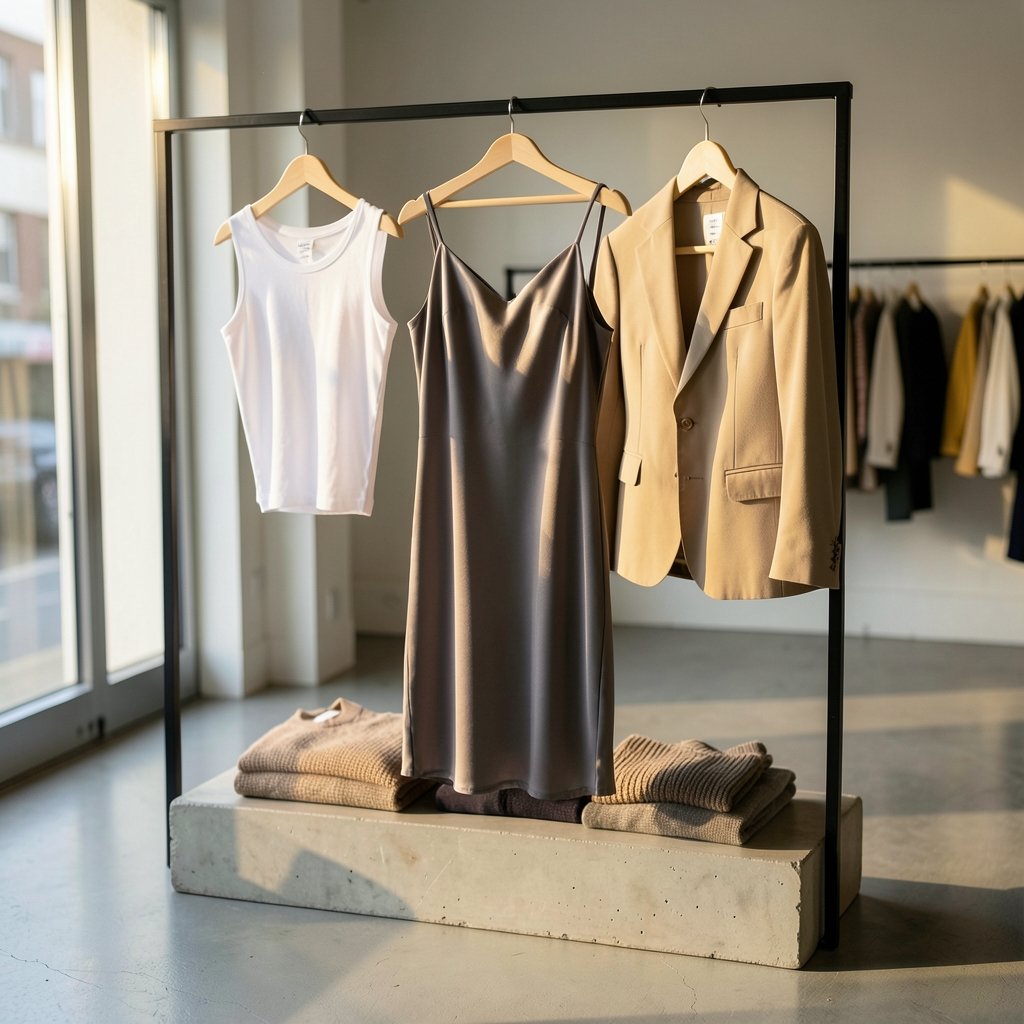
In 1992, Calvin Klein put a then-unknown Kate Moss in a simple slip dress for a campaign that would go on to define an entire decade of style. More than three decades later, that same stripped-back look is everywhere again. Slip dresses, sharp blazers, plain white tank tops, and muted neutral tones have reclaimed the runway, the resale market, and the daily wardrobe of anyone who wants to look put-together without looking like they tried. The 90s minimalist fashion comeback is not a niche nostalgia trip. It is one of the most durable style shifts of the decade, and it shows no sign of slowing down.
What 90s Minimalist Fashion Actually Was
Before diving into the revival, it helps to be clear about what the original movement looked like. 90s minimalism was a reaction against the excess of the 1980s. Where the previous decade gave the world shoulder pads, neon, and maximalist glamour, the 1990s stripped things back. Designers like Calvin Klein, Helmut Lang, Jil Sander, and Prada built entire collections around clean lines, restrained color palettes, and fabrics that let the body do the talking.
The defining pieces were almost aggressively simple: the slip dress, the straight-leg trouser, the minimalist turtleneck, the tailored blazer, the plain tank. Colors leaned toward black, white, gray, beige, and navy. Logos were rare. Prints were rarer. The whole point was that the clothes looked expensive without shouting about it.
Fashion historians do not fully agree on which designer should get the credit. Some point to Klein’s early-90s campaigns, others to Lang’s structured tailoring, and still others to Sander’s architectural approach. That disagreement is part of what makes the era so rich. There was no single “father of minimalism” so much as a shared mood across several houses at once.
The Quiet Luxury Bridge

The current revival did not appear out of nowhere. It arrived on the back of the quiet luxury conversation that dominated fashion discourse around 2023, when television shows and red carpets suddenly made understated, logo-free dressing feel aspirational again. Brands associated with refined, low-key luxury saw renewed attention, and shoppers began asking a simple question: why buy something loud when something quiet lasts longer?
That question is the bridge between the 1990s and today. The 90s minimalist wardrobe was built on investment thinking. A good blazer, a well-cut trouser, a quality knit. These were pieces meant to be worn for years, not a single season. When the wider culture started pushing back against fast-turnover trend cycles, the 90s playbook was already sitting there, ready to be picked back up.
For a closer look at how understated dressing has evolved, the return of minimalism in modern fashion traces the aesthetic from its 90s roots into present-day styling, while a second installment on minimalism in modern fashion digs into how the look has been reinterpreted for a new generation of wearers.
Runway Evidence: Who Is Driving the Comeback
Contemporary designers have made the revival visible on the runway. The Row, Khaite, and Toteme are frequently described as 90s-minimalist-adjacent, building collections around relaxed tailoring, monochrome layering, and stripped-back accessories. Larger houses have followed suit, folding slip dresses and column silhouettes back into their seasonal lineups.
The pattern is consistent: fewer embellishments, more attention to fabric and fit. Where a 2010s collection might have leaned on bold prints or statement hardware, the current mood rewards a perfectly draped trouser or a tank top with an impeccable neckline. That shift is about more than aesthetics. It signals a broader change in how people want to spend money on clothes.
If you want to see how this plays out on the street rather than the catwalk, the street style coverage from Milan Fashion Week shows real-world wearers mixing minimal tailoring with everyday pieces, and an earlier Milan street style report captures how the look has been adopted across seasons.
Why the 90s Look Keeps Coming Back
There is a reason this particular era refuses to stay buried. A few forces keep pulling it back into view.
It Is Genuinely Easy to Wear
Minimalism is forgiving. You do not need a stylist to put together a black blazer, a white tank, and straight-leg jeans. The formula is simple, and it works on almost every body type. That accessibility is a big part of why the trend spreads so fast on social platforms, where users can copy a look in seconds.
It Photographs Well
Clean lines and neutral tones read clearly on camera. In an era when so much style is consumed through screens, a look that translates well in a photo has a real advantage. Maximalist outfits can get busy in a small frame. Minimalist ones stay legible. (The Guardian)
It Aligns With Sustainability Messaging
The 90s wardrobe is built on fewer, better pieces. That message fits neatly with growing consumer interest in buying less and wearing longer. Resale platforms have leaned into this, and 90s-era minimalist staples like slip dresses and tailored blazers have become reliable resale categories.
It Offers a Calm Counterpoint
After years of loud, chaotic, trend-heavy fashion, understatement feels like relief. The 90s look gives people permission to dress simply without feeling underdressed. That emotional appeal is often underestimated, but it is central to why the trend has legs.
How to Build a 90s Minimalist Wardrobe Today
Practical advice matters more than trend talk. Here is what actually works when translating the 90s look into a modern closet, along with the mistakes that trip people up.
Start With the Core Five
A functional minimalist wardrobe usually rests on a small set of anchors:
- A well-cut blazer in black, navy, or beige.
- A slip dress that hits just below the knee.
- A plain white or black tank with a clean neckline.
- A straight-leg or slightly relaxed trouser.
- A fine-knit turtleneck or crewneck.
These five pieces can be mixed into dozens of outfits. Most people overbuy before they own the basics, which is the single most common mistake in building this look.
Prioritize Fabric Over Brand
The 90s aesthetic lives or dies on material quality. A cheap polyester slip dress looks cheap. A heavier silk or satin version looks expensive. The same applies to knits and tailoring. When shopping, feel the fabric before you look at the label. If it drapes well and holds its shape, it will do more for the outfit than any logo ever could.
Keep the Palette Tight
One of the easiest ways to make the look work is to limit your colors. Black, white, gray, beige, navy, and maybe one accent like olive or camel. A tight palette means everything matches, which removes the daily friction of getting dressed. It also makes a small wardrobe feel much larger than it is.
Resist the Urge to Over-Accessorize
This is where many people go wrong. The 90s minimalist look is not an excuse to pile on delicate jewelry and call it a day. One or two considered accessories, a simple bag, a clean shoe, and perhaps a single piece of jewelry, is usually enough. More than that and the outfit starts to fight itself.
Common Mistakes That Undermine the Look
Even people who love the aesthetic sometimes get it wrong. A few recurring pitfalls are worth flagging.
Buying trends instead of staples. The revival has produced a wave of “minimalist” pieces that are really just fast-fashion versions of the look. They fall apart quickly and defeat the purpose.
Ignoring fit. Minimalism exposes fit. There is nowhere to hide a poorly tailored blazer or a badly sized trouser. Get things altered. It is the cheapest upgrade available.
Confusing minimal with boring. The best 90s outfits have tension, a structured jacket over a soft slip, a masculine trouser with a feminine top. Flatness is the enemy.
Skipping the shoe. Footwear carries a lot of weight in a stripped-back outfit. A clean loafer, a simple sandal, or a minimal sneaker finishes the look. A busy shoe breaks it.
For anyone curious about the broader context of how heritage houses have shaped these enduring aesthetics, luxury fashion houses and their legacy offers useful background, and a follow-up piece on luxury fashion houses and their legacy examines how those houses continue to influence contemporary minimalism.
The Resale Effect
One of the most interesting parts of this comeback is where people are shopping for it. Resale platforms have become a primary source for authentic 90s pieces. Slip dresses, tailored blazers, and vintage knitwear from the era circulate constantly, and buyers increasingly treat secondhand as the default rather than the fallback. (V&A)
This has two effects. First, it keeps genuine 90s pieces in circulation instead of letting them disappear into storage. Second, it puts pressure on new production to justify itself. If a shopper can buy an original 90s blazer for less than a new fast-fashion version, the new version has to offer something meaningful to compete.
The resale angle also reinforces the sustainability story. Buying vintage is one of the most direct ways to participate in the trend without adding to the cycle of disposable clothing. It is, in a sense, the most 90s approach possible: practical, considered, and quietly confident.
Conclusion
The 90s minimalist fashion comeback is more than a nostalgia cycle. It is a response to years of overstimulation, a practical answer to questions about sustainability, and a style system that genuinely works for real life. The pieces are simple, the palette is tight, and the payoff is a wardrobe that feels calm instead of chaotic.
The lesson from the original era still holds. Buy fewer things. Choose them carefully. Wear them for years. Whether you are shopping vintage, investing in a well-made blazer, or simply clearing out the noise in your closet, the 90s minimalists already wrote the playbook. The comeback is really just the rest of us catching up.
Frequently Asked Questions
What defines 90s minimalist fashion?
90s minimalist fashion is defined by clean lines, a restrained color palette (black, white, gray, beige, navy), and a focus on fabric and fit over embellishment. Key pieces include slip dresses, tailored blazers, plain tanks, straight-leg trousers, and fine knits. Logos and loud prints are largely absent.
Why is 90s minimalism popular again?
Several forces are driving it. The quiet luxury conversation made understated dressing aspirational again, sustainability concerns pushed shoppers toward fewer, better pieces, and social platforms reward looks that photograph cleanly. The style is also genuinely easy to wear, which helps it spread quickly.
Which designers are associated with 90s minimalism?
Calvin Klein, Helmut Lang, Jil Sander, and Prada are the most frequently cited names. Fashion historians do not fully agree on which house should get primary credit, since the aesthetic emerged across several labels at roughly the same time.
How do I start a 90s minimalist wardrobe?
Begin with five anchors: a blazer, a slip dress, a plain tank, a straight-leg trouser, and a fine-knit top. Keep the palette tight, prioritize fabric quality over branding, and get pieces tailored to fit properly. Resist buying trends before you own the basics.
Is 90s minimalist fashion sustainable?
It can be. The aesthetic is built on fewer, higher-quality pieces worn for years, which aligns with sustainable shopping principles. Buying vintage or resale versions of 90s staples is one of the most direct ways to participate without adding to disposable clothing cycles.
What are the biggest mistakes people make with this look?
The most common errors are buying fast-fashion versions that fall apart, ignoring fit, over-accessorizing, and treating minimalism as boring. The best 90s outfits create tension between structured and soft pieces, and they finish with a clean, simple shoe.