
Used Luxury Cars for Sale: Buy Prestige, Skip the Pain
 Abdul WadoodLast updated
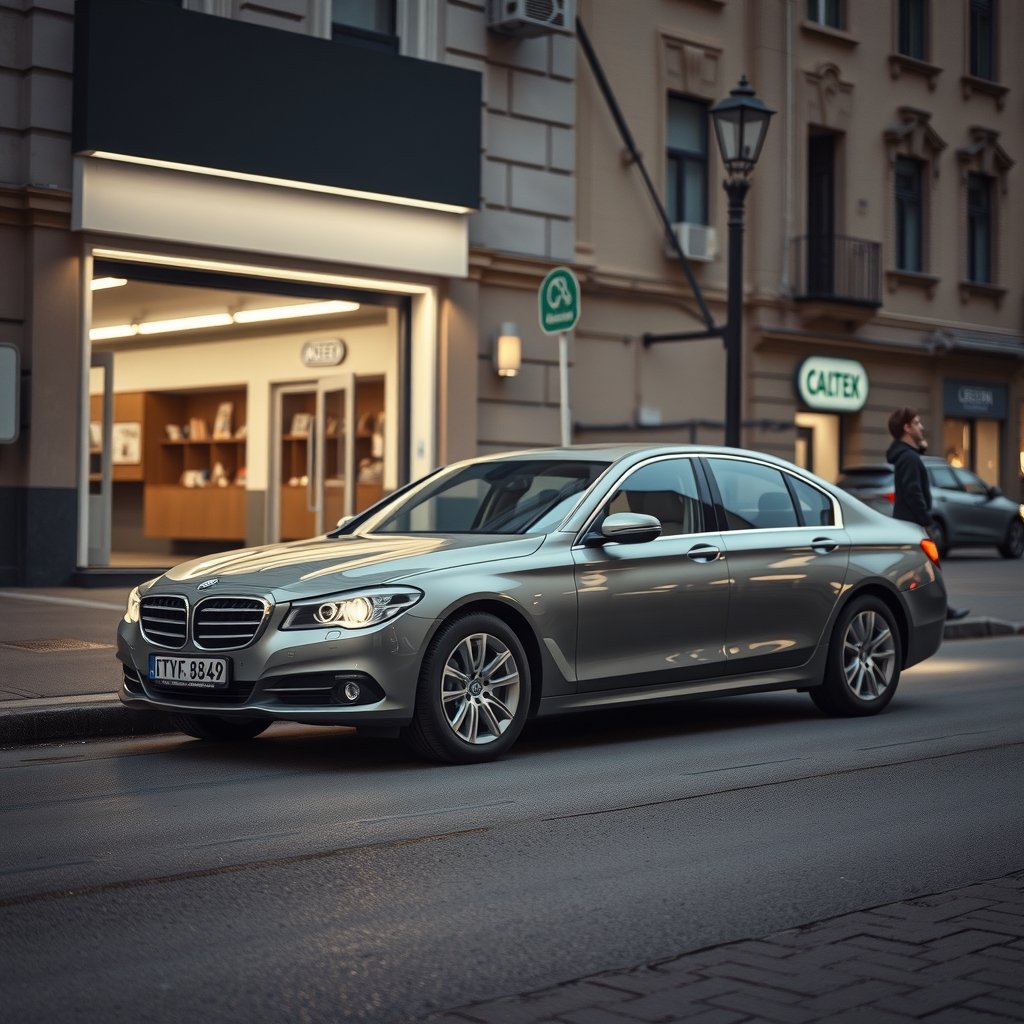
What if the smartest luxury car purchase is the one someone else already made? That is the strange math of the used luxury market. A three-year-old German sedan can cost half of what it did new, yet it still parks in the same spot, smells the same, and turns the same heads. The catch is that the second owner inherits both the badge and the bills. This guide walks through the numbers, the inspection steps, and the traps that separate a genuinely good deal from a beautiful disaster.
Why Depreciation Works in the Second Buyer’s Favor
New luxury cars take a brutal hit in value during their first years on the road. That is not a secret, but the scale still surprises people. The original buyer absorbs the steepest part of the curve, and the second buyer steps in when the price has already done most of its falling. Understanding how asset depreciation works explains why a car that cost a fortune in year one can look almost reasonable in year four. (Depreciation)
Be careful with any specific percentage you hear. Depreciation rates swing wildly by brand, model, engine choice, and region. A flagship sedan with a complicated air suspension and a thirsty V8 tends to fall faster than a compact premium SUV that everyone wants. Treat any “luxury cars lose X percent” claim as a rough starting point, not a rule.
The practical takeaway is simple. The best value usually sits in the three-to-six-year window. The car has taken its biggest hit, the warranty may still have some life left, and the technology inside does not feel ancient yet. Go older than that and you save more, but you start paying for wear items on a car whose parts were priced for wealthy first owners.
CPO Programs: The Safety Net Worth Paying For

Certified Pre-Owned programs are the closest thing this market has to a guarantee. Manufacturers inspect the car, extend a limited warranty, and often throw in roadside assistance. The car usually comes through a franchised dealer, which means a paper trail and a corporate entity standing behind the sale. A useful overview of certified pre-owned programs explains what these schemes typically cover and where the limits sit.
Here is where buyers get sloppy. They assume CPO means the same thing everywhere. It does not. Inspection checklists, warranty lengths, and what counts as “covered” differ by manufacturer and by country. Some programs exclude wear items. Some cap the warranty at a certain mileage. Some only apply to cars under a specific age. Read the actual terms rather than trusting the badge on the window.
Is CPO worth the premium? Often yes, especially if the car is complex and expensive to fix. You are paying for risk reduction, and on a used luxury vehicle that risk can be enormous. But do the math. If a CPO car costs several thousand more than an identical private-party example, ask whether that gap is smaller than a likely repair bill. Sometimes it is. Sometimes it is not.
The Paper Trail: History Reports, Titles, and Recalls
A vehicle history report is the first tool in due diligence, not the last word. These services pull together accidents, title brands, odometer readings, and service records from insurers, dealers, and government agencies. They are genuinely useful. They are also incomplete, because they can only report what was reported to them. Gaps are normal, and a clean report is not proof of a clean car.
Title status deserves its own check. A title brand such as salvage, rebuilt, flood, or lemon follows the car and affects both its value and its insurability. A history report may flag it, but the physical title document is the authority. If the seller is vague about the title, walk away. No amount of leather upholstery is worth inheriting a paperwork nightmare.
Then there is odometer fraud, which is less common than it once was but far from extinct. Digital clusters can be manipulated, and imported cars sometimes arrive with creative histories. US buyers can read the regulator’s consumer guidance on odometer fraud and how to spot it before handing over money. The same agency’s VIN-based recall lookup is worth running too, because an outstanding safety recall on a used luxury car is a problem the seller may conveniently forget to mention. (Auto Loans: Consumer Financial Protection Bureau)
The Pre-Purchase Inspection That Saves Thousands
An independent pre-purchase inspection, usually shortened to PPI, is the single best investment in this process. A mechanic who does not work for the seller puts the car on a lift, reads the fault codes, checks the suspension, and looks for the leaks and wear patterns that a shiny valet job hides. On an out-of-warranty luxury model, this step is close to mandatory.
What should the inspection cover? At minimum:
- A full fault-code scan with a manufacturer-specific tool, not a generic reader.
- Suspension and air-ride check, since these systems are expensive to rebuild.
- Fluid condition, including transmission and differential, to hint at service history.
- Tyre wear patterns, which reveal alignment problems and driving habits.
- A bodywork check with a paint-depth gauge to catch hidden accident repair.
- Electronics testing, because luxury cars are computers with seats.
The common mistake is skipping the PPI because the car “drives fine.” It probably does. Most problems that cost four figures do not announce themselves on a ten-minute test drive. A slightly rough gearbox or a faint whine from the rear can be invisible until the repair estimate arrives. Pay for the inspection, get the report in writing, and use it as negotiating leverage if the seller is motivated.
Running Costs: The Part Buyers Underestimate
Purchase price is the easy number. Ownership is where the real money goes. Luxury models tend to carry higher insurance premiums, pricier parts, and servicing that assumes a generous budget. A set of tyres on a large performance sedan can cost more than a used hatchback. Brake discs and pads on a heavy car wear faster and cost more. None of this is hidden, but buyers routinely ignore it.
Budget realistically before you commit. Add up insurance quotes, an estimate for routine servicing, and a contingency fund for the unexpected. A reasonable rule of thumb is to set aside a meaningful sum each year for repairs, because something will eventually need attention. If that number makes you uncomfortable, the car is probably too expensive even if the sticker price looks like a bargain.
Fuel and consumables matter too. A big engine is charming until you are filling it twice a week. A car with complex electronics is delightful until a sensor fails and the part has to be coded to the vehicle. Ask an independent specialist what common failures look like on the specific model you are considering. They know, and they will usually tell you.
Where to Shop and How the Channels Differ
The market has changed. Online classifieds and specialist auctions now sit alongside dealers and private sellers, and each channel carries different risk. Private sellers often offer the best price but the least protection. Dealers charge more but usually handle paperwork and offer some form of warranty. Auctions can produce genuine bargains and genuine disasters, sometimes in the same afternoon.
For buyers who want to understand the private-party route in detail, a guide to buying from a private owner without getting burned covers the questions to ask and the red flags to watch. Fleet resale is another underrated channel, and there is a practical breakdown of what buyers actually get from fleet resale programs that explains why ex-fleet cars can be either excellent or exhausting.
Location matters more than people expect. Shopping locally means you can inspect in person, but it limits choice. A walkthrough on how to shop local listings without getting burned is useful for buyers who want to stay within driving distance. If the budget is tight, there is also honest guidance on what used cars under 5000 actually deliver, though luxury badges rarely appear at that price without a story attached.
The Luxury-Specific Traps
Luxury cars carry problems that mainstream cars simply do not have. Air suspension can fail and cost a fortune to replace. Complex infotainment systems age badly and lose software support. Options that seemed futuristic a decade ago become expensive orphans. A panoramic roof that leaks is a very different proposition from a leak on a basic sedan.
Then there is the options trap. Two identical models can differ by tens of thousands in original price because one has the sport package, the upgraded audio, and the massaging seats. Those options depreciate faster than the base car, so a heavily optioned example can be a relative bargain. But they also mean more to break. Weigh the appeal of the toys against the cost of repairing them.
Buyers with a taste for the high end should read up on what luxury car buyers should know before they commit, because the stakes rise quickly at the top of the market. A bargain on a flagship sedan can turn into a money pit if the maintenance history is thin. Similarly, anyone considering an electrified model should check a guide to buying a used EV with a healthy battery, since battery condition is the whole ballgame on a used electric luxury car.
Manual gearboxes deserve a mention too. They are increasingly rare in this segment, and enthusiasts pay a premium for them. A resource on finding and buying a manual transmission car explains why the search takes patience and why condition matters more than mileage. And for anyone shopping broadly, a general primer on buying a used car without costly mistakes is a sensible starting point before narrowing to premium badges.
Cross-Border and Import Considerations
Importing a used luxury car adds a layer of complexity. Customs duty, emissions and type-approval checks, and registration requirements all vary by jurisdiction, and the rules change. A car that is perfectly legal in one country may be impossible to register in another without expensive modifications. Verify the current requirements before committing to a cross-border purchase, and never rely on what a seller tells you about import eligibility.
Conclusion
Used luxury cars for sale offer a genuine opportunity. The depreciation has already happened, the car is often still excellent, and the price can be a fraction of new. But the badge does not protect you from bad decisions. Do the inspection, read the title, check the recalls, budget for running costs, and buy the history rather than the shine. The reward is a car that feels special every time you start it, without the financial hangover that usually comes with feeling special.
Frequently Asked Questions
Are used luxury cars expensive to maintain?
They can be, and that is the honest answer. Parts, labour, and insurance typically cost more than on a mainstream car, and complex systems like air suspension or adaptive dampers can fail expensively. A well-documented service history and an independent specialist on speed dial make a big difference. Budget a repair fund before you buy.
Is certified pre-owned worth the extra money?
Often it is, particularly on complex models. CPO programs bundle an inspection, a limited warranty, and some form of roadside cover. The premium varies by brand and country, so compare the extra cost against the likely repair risk on the specific model. Read the actual terms rather than assuming all programs are equal.
How many miles is too many on a used luxury car?
There is no universal number. A well-maintained car with high mileage can be a better buy than a low-mileage example that sat unused and missed services. Look at the service records, the inspection findings, and the model’s known weak points. Mileage matters, but maintenance history matters more.
Can I get a loan on an older luxury car?
Yes, but terms tighten as the car ages. Lenders often set maximum age and mileage limits, and interest rates may rise on older vehicles. Get pre-approved before shopping so you know your real budget. Some banks will not finance cars beyond a certain age at all, which affects which listings are worth pursuing.
What should I check first when buying privately?
Start with the title and the vehicle history report, then book an independent inspection before any money changes hands. Confirm the seller’s identity matches the title, ask for service records, and run a VIN recall check. If any of those steps feels rushed or resisted, treat it as a signal to walk away.
Do luxury cars lose value faster than other cars?
Generally they do in the early years, which is exactly why the used market is attractive. But the rate varies enormously by brand, model, and demand. Some desirable models hold value surprisingly well. Check current local listings for the specific car you want rather than relying on general claims about the segment.