
Used Cars for Sale: Buy Smart, Avoid Costly Mistakes
 Abdul WadoodLast updated
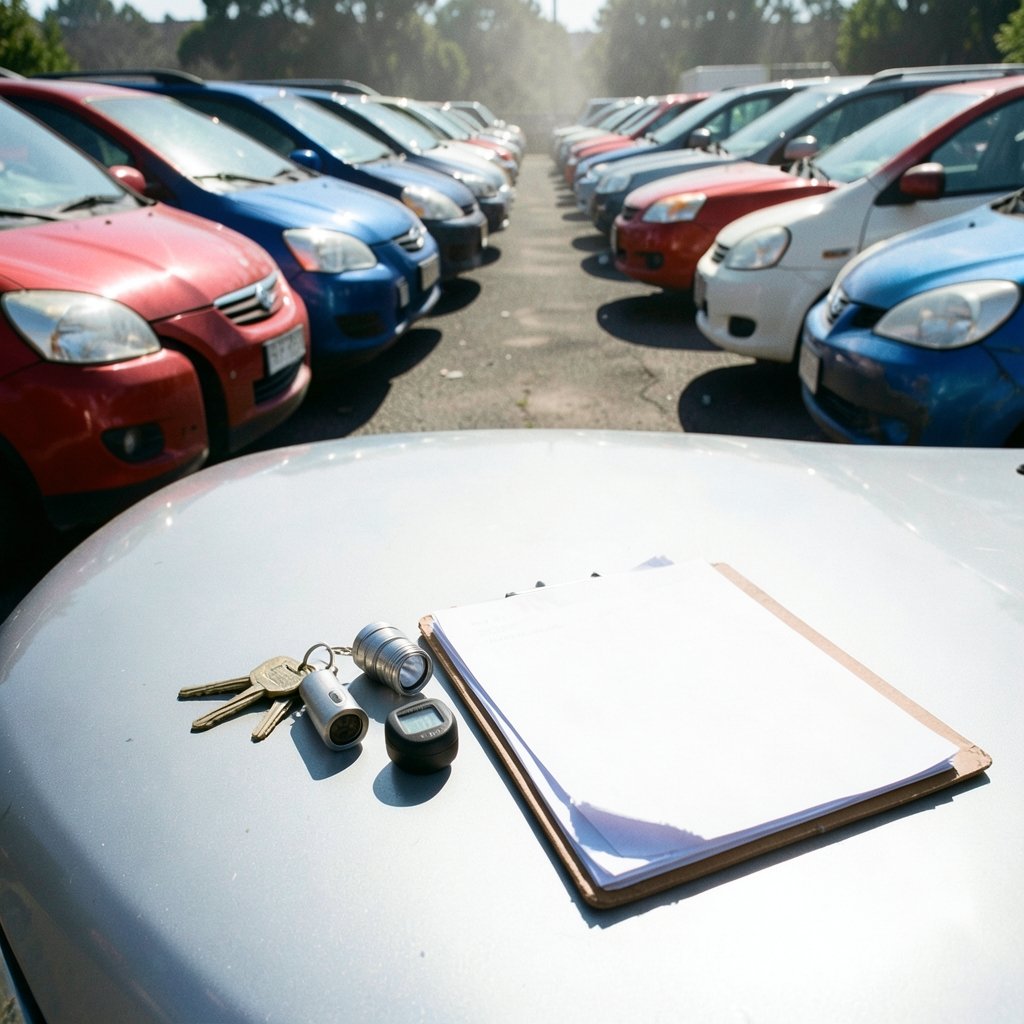
Roughly three used vehicles change hands for every new one sold in the United States, making the secondhand market far larger than most shoppers realize. That scale cuts both ways. More inventory means more choice and better prices, but it also means more chances to buy a car with hidden problems. The difference between a great deal and a money pit usually comes down to preparation, not luck.
This guide walks through the practical side of buying used cars for sale, from setting a realistic budget to reading a vehicle history report and knowing when to walk away. It focuses on what actually works in practice, including the mistakes buyers make again and again.
Why the used market deserves a closer look
New cars lose a large chunk of their value in the first few years, and that depreciation is the used buyer’s gain. Someone else absorbs the steepest drop, and the second owner gets a vehicle that still has most of its useful life ahead of it at a fraction of the original price.
The trade-off is uncertainty. A new car comes with a clean slate and a factory warranty. A used car comes with a history, and that history is only as good as the records behind it. Buyers who understand this asymmetry tend to approach the process like an investigation rather than a shopping trip, and that mindset pays off.
Set your true budget before you shop
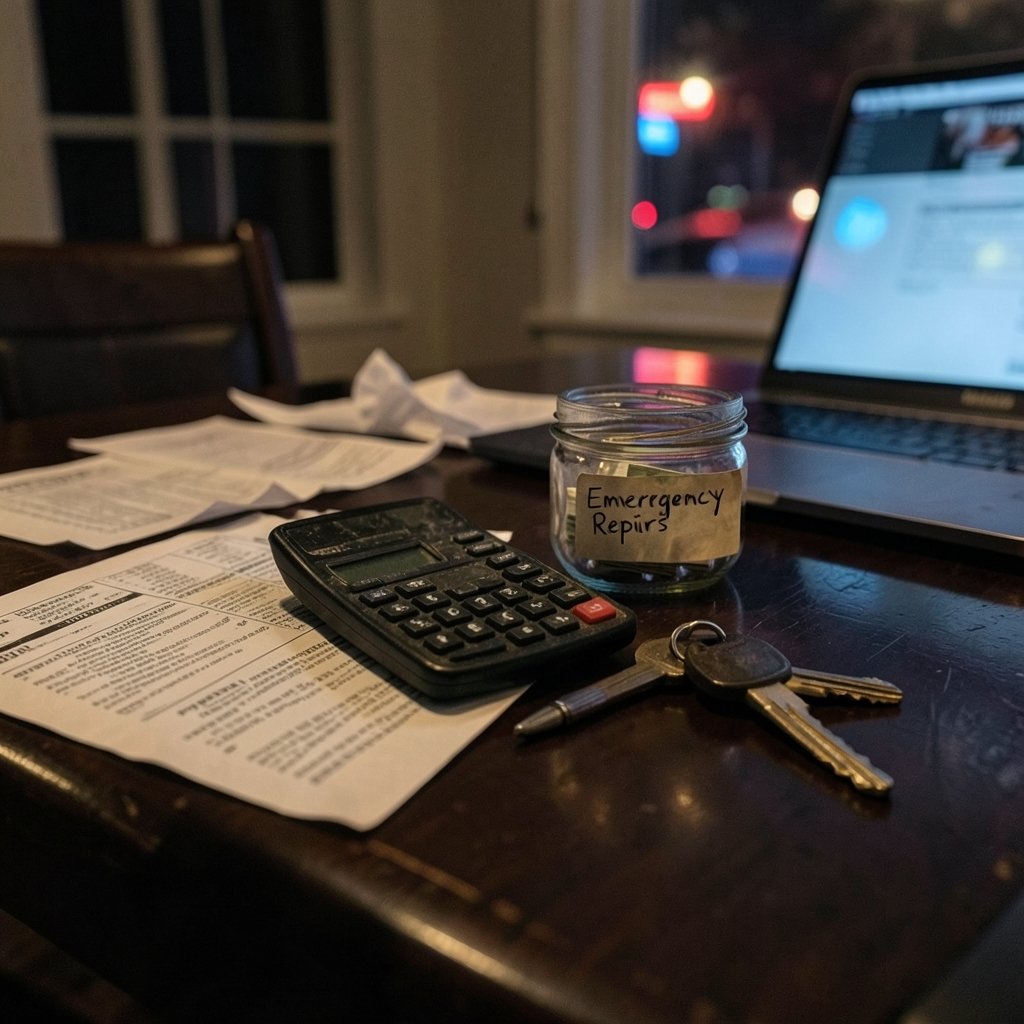
Most buyers focus on the sticker price and forget everything that comes after. A realistic budget accounts for more than the purchase number.
The costs people forget
- Insurance: premiums vary widely by model, and a cheap car with expensive parts can cost more to insure than expected.
- Fuel: a larger engine or older transmission can quietly drain your monthly budget.
- Maintenance baseline: an older car needs more frequent service, and some brands charge more for parts.
- Taxes and registration: these vary by state and are easy to overlook.
- An emergency fund: set aside a few hundred dollars for the first surprise repair.
A useful rule of thumb is to keep total vehicle costs, including the payment, insurance, and fuel, under about 15 to 20 percent of take-home pay. That figure is a guideline, not a law, but it prevents the common trap of being car-poor.
Where to find used cars for sale
Buyers now have more channels than ever, and each one carries different risks and rewards.
| Source | Typical advantage | Typical risk |
|---|---|---|
| Franchise dealership | Reconditioned inventory, limited warranty, financing | Higher price, pressure to add extras |
| Independent lot | Lower prices, flexible negotiation | Variable inspection quality |
| Private seller | Best price, full service history sometimes available | No warranty, more paperwork risk |
| Online marketplace | Huge selection, easy comparison | You may buy without seeing the car |
| Auction | Deep discounts possible | Sold as-is, limited recourse |
For shoppers who want structure and comparison tools, browsing curated listings through Voozon Cars — Reviews, Comparisons & Car Guides can help narrow the field before visiting a lot. The key is to treat any listing as a starting point, not a verdict.
Check the vehicle history before you fall in love
A vehicle history report is not a guarantee, but it is a fast way to spot red flags. Look for title brands such as salvage, flood, or lemon, and check for gaps in the odometer record.
The official U.S. database for title and salvage information is the National Motor Vehicle Title Information System, which consumers access through approved providers. A clean report does not mean a clean car, and a dirty report almost always means trouble. Always cross-check the report against the physical car.
The odometer question
Odometer fraud remains a real problem, and the National Highway Traffic Safety Administration has estimated it costs consumers more than a billion dollars a year. Warning signs include wear that does not match the mileage, such as a worn pedal pad on a car showing 30,000 miles, or a title transfer history that suggests the car sat idle for years.
Inspect the car like you mean it
A thorough inspection takes about 30 minutes and saves far more than that in repairs. Do it in daylight, on a dry day, and never in a dim garage.
The walk-around checklist
- Body panels: look for mismatched paint, uneven panel gaps, or overspray that hints at collision repair.
- Tires: check the date code on all four. Mismatched brands or uneven wear point to alignment or suspension issues.
- Fluids: pull the dipstick and check the transmission fluid. Dark, gritty fluid is a warning.
- Underneath: look for rust on the frame, fresh undercoating that may hide rot, and fluid leaks.
- Lights and electronics: test every button, window, and warning light. A cluster with dead bulbs can mask problems.
- Interior wear: a worn driver’s seat and pedal at low mileage suggests the odometer has been rolled back.
The test drive matters more than the walk-around
Start the engine cold if possible. Listen for rattles, ticking, or hesitation. Drive on a highway to check for vibration and on a rough road to test the suspension. Brake firmly from speed in a safe area. If the seller refuses a cold start or a highway drive, that is your answer.
Get an independent inspection
A pre-purchase inspection by a mechanic you choose, not one the seller recommends, is the single best investment in the process. It typically costs a modest fee and can uncover problems worth many times that amount. According to guidance from consumer protection agencies, buyers should insist on a written agreement that the sale is contingent on the inspection.
The FTC’s Used Car Rule requires dealers to display a Buyers Guide on most used cars, stating whether the vehicle is sold with a warranty or as-is. Read that sticker carefully. It is one of the few pieces of leverage a buyer gets before signing.
Understand warranties and “as-is” sales
The phrase as-is means the seller offers no warranty, and you bear the risk of every problem after the sale. In most U.S. states, private-party sales carry fewer implied protections than dealer sales, though the specifics vary by state law.
If a dealer offers a limited warranty, ask what it covers and for how long. Third-party extended warranties are a separate product, and they are often expensive relative to the coverage they provide. Read the exclusions before agreeing to anything.
Negotiate with data, not emotion
Negotiation works best when you know the market. Check listings for similar cars in your area, note the mileage and condition differences, and make an offer based on that evidence. Sellers expect negotiation, so a reasonable opening offer is not rude.
Three practical tips that actually work:
- Get pre-approved financing before you visit the lot. A dealer’s financing can be convenient, but comparing rates first gives you a baseline.
- Negotiate the out-the-door price, not the monthly payment. Payment-focused deals hide fees and longer loan terms.
- Be willing to walk away. The strongest position in any negotiation is the ability to leave.
For a deeper look at how different models hold up over time, the analysis in the cars built around experience offers a useful frame for weighing long-term ownership against upfront cost.
Verify recalls and safety history
Before buying, check the vehicle identification number for open recalls. The National Highway Traffic Safety Administration provides a free VIN lookup, and unrepaired recalls can be a safety issue and sometimes a repair bill. A seller who has already addressed open recalls is usually a more careful owner. (Vehicle Safety)
Paperwork and title transfer
The paperwork is where private sales most often go wrong. Confirm the seller’s name matches the title, check that the VIN on the title matches the car, and make sure there are no liens. A lien means someone else has a legal claim to the vehicle.
Complete the bill of sale, the title transfer, and the registration in the correct order for your state. Keep copies of everything. If a seller asks you to leave the title blank or “handle it later,” treat that as a serious warning sign.
Common mistakes buyers keep making
Some errors show up so often they are worth naming directly.
- Buying on emotion. Falling for a car before inspecting it is the most expensive mistake in the market.
- Skipping the inspection to save a small fee, then paying for it later.
- Ignoring the total cost of ownership and focusing only on the price.
- Trusting a verbal promise about repairs or history instead of getting it in writing.
- Rushing the paperwork and discovering a lien or title problem weeks later.
The buyers who avoid these traps tend to be the ones who treat the process as a checklist rather than a hunt. For more model-specific guidance and comparison tools, Voozon Cars — Reviews, Comparisons & Car Guides – Voozon — Discover, Review & Explore is a practical place to start.
When to walk away
Walking away is a skill. Some signals mean the deal is over, no matter how good the price looks.
- The seller refuses an independent inspection.
- The title is missing, salvage-branded without disclosure, or in someone else’s name.
- The odometer or service records do not add up.
- The car has structural rust or evidence of major frame repair.
- The seller pressures you to decide immediately or pay a deposit in cash.
There will always be another car. That is the quiet advantage of a market this large.
Conclusion
Buying used cars for sale rewards patience and preparation far more than luck. Set a realistic budget that includes insurance, fuel, and a repair fund. Check the vehicle history and the recall status. Inspect the car in daylight, drive it properly, and pay for an independent inspection. Read the Buyers Guide, understand what “as-is” means, and negotiate the out-the-door price with market data in hand. None of these steps is glamorous, but together they turn a risky purchase into a manageable one. The best used car is not the cheapest one you find. It is the one whose history, condition, and paperwork all hold up when you look closely.
FAQ
How many miles is too many on a used car?
There is no universal cutoff. A well-maintained car with 120,000 highway miles can outlast a neglected one with 60,000 city miles. Focus on service records, the condition of the drivetrain, and whether major maintenance like the timing belt has been done.
Is it better to buy from a dealer or a private seller?
Dealers typically offer reconditioned inventory, limited warranties, and easier financing. Private sellers often offer lower prices and fuller service histories. The right choice depends on your risk tolerance and how much inspection work you are willing to do.
What does “as-is” mean when buying a used car?
It means the seller provides no warranty and you accept the vehicle in its current condition. Any problem after the sale is your responsibility. Always get an independent inspection before agreeing to an as-is purchase.
How do I check if a used car has been in an accident?
Start with a vehicle history report, then have a mechanic inspect the frame, panel gaps, and paint for signs of repair. Reports can miss unreported damage, so the physical inspection is essential.
Can I get financing for a used car?
Yes. Banks, credit unions, and dealers all offer used-car loans. Getting pre-approved before you shop gives you a baseline rate and stronger negotiating position.
How do I avoid odometer fraud?
Compare the mileage on the title and history report with the wear on the pedals, steering wheel, and driver’s seat. Ask for service records that show mileage over time, and walk away if the numbers do not line up.