
Small Luxury Cruise Ships: What Truly Sets Them Apart
 Abdul WadoodLast updated
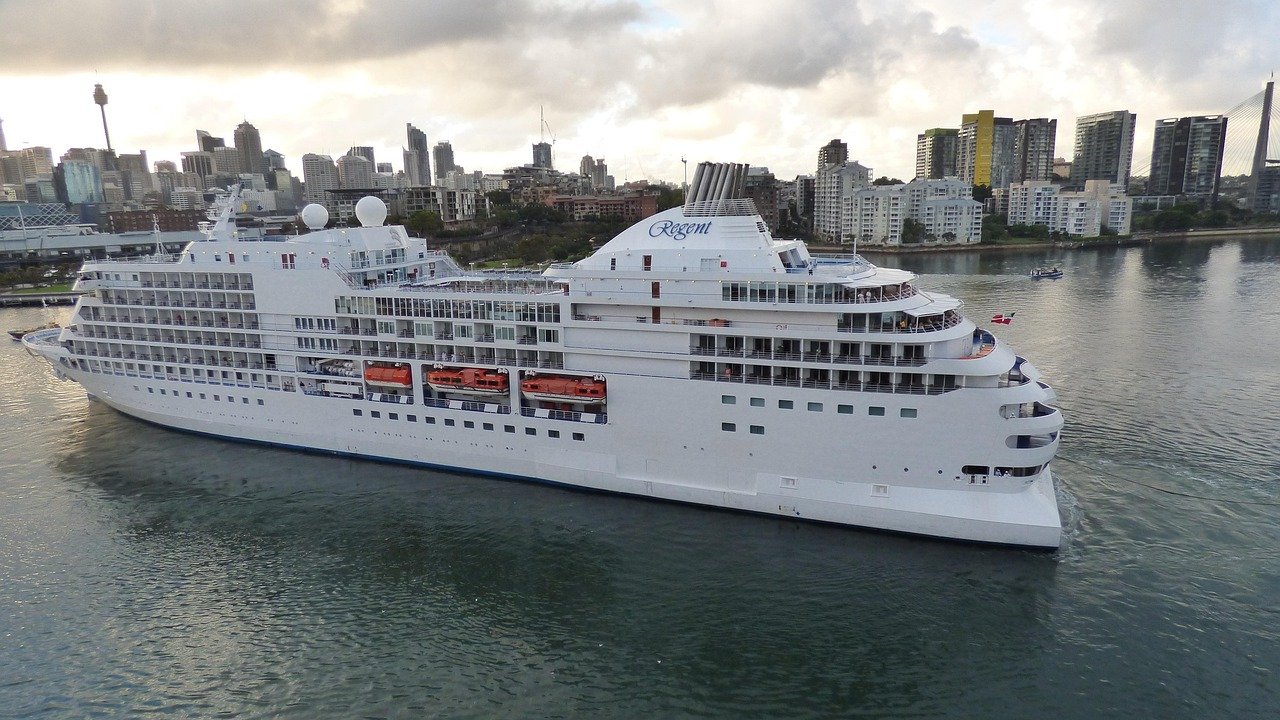
What makes a ship feel luxurious: the number of pools, or the fact that you can always find a quiet chair? For a growing number of travelers, the answer is the second one, and it has pushed small luxury cruise ships from a niche preference into one of the most closely watched corners of the cruise market. These are vessels that carry hundreds of guests rather than thousands, sail into harbors the big ships can’t enter, and build their days around fewer lines and more breathing room. But the category is also slippery. “Small” has no official definition, “luxury” is partly a marketing word, and the price gap between two ships of similar size can be enormous. Here is how to read the segment clearly, and how to choose well.
What Counts as a Small Luxury Cruise Ship?
There is no standard threshold. Industry usage often treats anything under roughly 1,000 berths as “small,” while the ultra-luxury lines that define the segment typically sail ships carrying only a few hundred guests. Treat every number you see as a convention rather than a rule, and check a specific vessel’s current guest capacity rather than trusting a category label. (SOLAS: International Convention for the Safety of Life at Sea,-1974.aspx))
Size matters because it changes the math of a voyage. A ship with 300 guests can dock where a 4,000-guest ship must tender, can clear a tiny port in an hour, and can turn a whole itinerary around a single wildlife sighting. It also changes the service ratio: more crew per guest means the bartender remembers your order by day two.
The Two Halves of the Segment
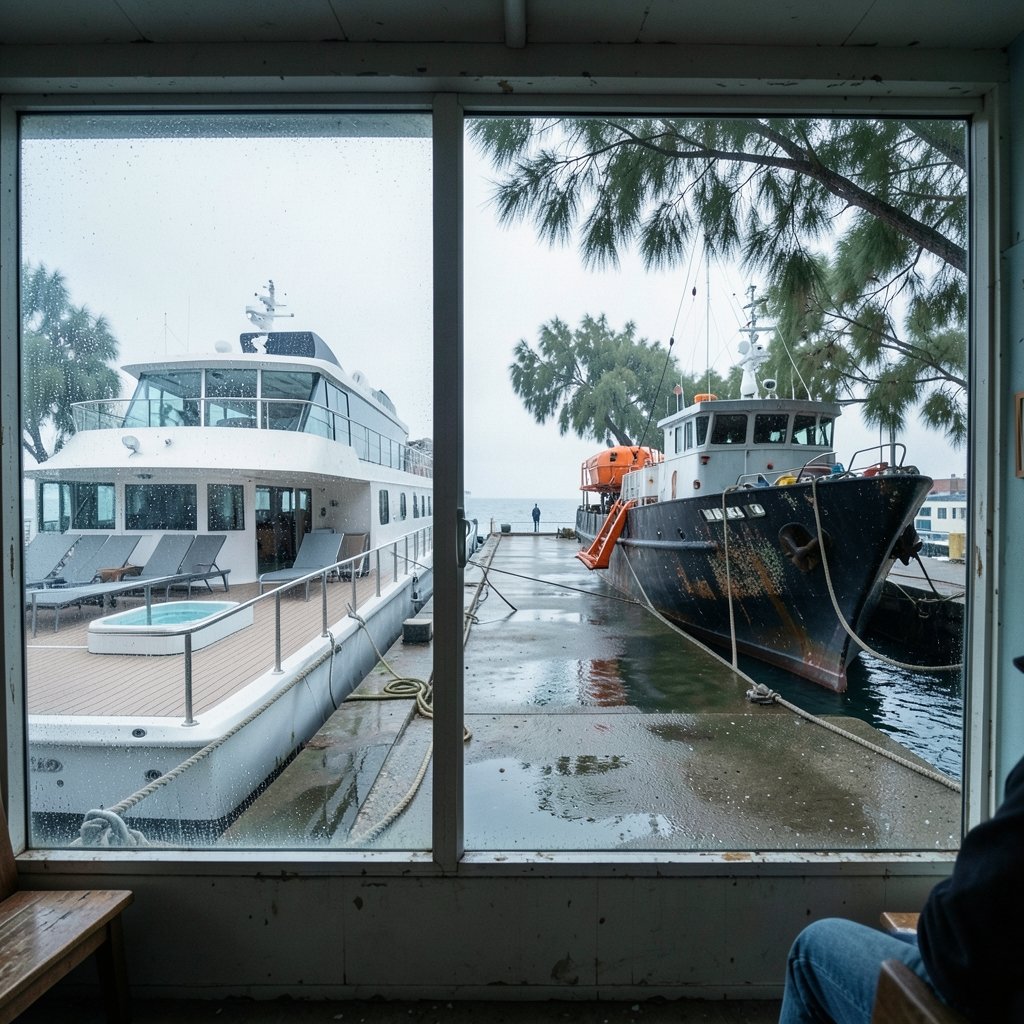
Most small luxury ships fall into one of two families, and they attract different travelers.
| Type | Typical feel | Strengths | Trade-offs |
|---|---|---|---|
| Ocean ultra-luxury | Polished, formal-optional, resort-like | All-suite cabins, butler service, fine dining, calm sea days | Fewer active excursions; higher per-diem |
| Expedition and soft-expedition | Purposeful, guided, outdoors-first | Zodiac landings, naturalists on board, polar and remote routes | Smaller cabins, less nightlife, weather-dependent plans |
Ocean ultra-luxury lines lean on service and cuisine. Expedition ships lean on access and expertise, often carrying biologists, historians, and photographers who lead landings. Some newer vessels try to blend both, pairing ice-strengthened hulls with spa decks. Brand ownership in this space changes often, so verify who currently operates a ship before you book.
Why Small Ships Reach Places Big Ones Can’t
Port access is the segment’s quiet superpower. Small vessels slip into Mediterranean harbors, Norwegian fjord arms, and island anchorages that are closed to large ships by draft, length, or local cap. Some destinations go further: the Galápagos and parts of the Norwegian coast regulate vessel size and passenger numbers directly. Those caps shift, so confirm the current rule with the port authority or national park service rather than a cruise line’s brochure.
The same logic applies at sea. A captain on a 200-guest ship can slow down for whales, divert around weather, or add an unscheduled landing when conditions are perfect. On a megaship, the schedule is the schedule.
The Polar Question: Rules That Shape the Route
If your idea of small-ship luxury involves ice, the trip sits inside a regulatory framework, and that framework extends beyond the brochure. Polar voyages are governed by the Polar Code, the International Maritime Organization’s safety and pollution rules for ships operating in polar waters. Antarctic tourism is additionally managed under the Antarctic Treaty system, with operator guidelines and visitor statistics published by the International Association of Antarctica Tour Operators (IAATO). These are the documents that decide how many people can land at once, what you can bring ashore, and how close a ship may approach wildlife.
Practically, this means polar itineraries are less flexible than Caribbean ones, and that is by design. A good expedition line will explain the rules before you board. A great one will make following them feel like part of the adventure.
Ice Class, Explained Without the Jargon
You will see notations like PC6 in expedition ship specs. These come from the Polar Class system, which ranks a ship’s ability to operate in ice from PC1 (year-round in the hardest conditions) down to PC7 (summer and autumn in thin ice). Most luxury expedition newbuilds target the lower end of that scale, which is plenty for typical Antarctic summer and Arctic shoulder-season voyages.
What does this mean for you? A higher ice class is not automatically better. It usually comes with a stronger hull, more fuel burn, and a higher fare. Match the rating to the trip: a Greenland summer cruise does not need the same ship as a late-season Antarctic crossing.
All-Inclusive Fares: Read the Fine Print
Luxury small-ship pricing is usually all-inclusive, but “all” varies wildly. One line bundles flights, transfers, shore excursions, and drinks; another includes drinks and Wi-Fi but charges for excursions. Comparing per-diem rates across lines without checking inclusions is the single most common booking mistake in this segment.
A practical approach: build a spreadsheet with four columns. Fare, included excursions, included drinks and gratuities, and air or transfer credits. Add the cost of what is missing. The cheapest headline fare often loses once you do this, and the most expensive sometimes wins.
What Life On Board Actually Feels Like
Expect fewer venues, better ones. A 300-guest ship might have one main restaurant, a specialty grill, a lounge, a small spa, and a pool deck. There is no climbing wall, no Broadway theater, and often no casino. Evenings lean toward guest lecturers, live jazz, and conversation.
Cabins tend to be suites with verandas, though expedition ships trade space for storage and gear-drying rooms. Seasickness is generally milder on larger ships, but small ships can feel more motion in open ocean, so pick an itinerary with sheltered waters if you are sensitive.
The Newbuild Wave and What It Changed
The 2020s brought a steady stream of new small luxury and expedition vessels, many with hybrid propulsion, polar capability, and design-forward interiors. The upside for travelers is real competition and newer hardware. The downside is that delivery schedules slip, and a ship you book two years out may arrive late or change regions. Confirm delivery dates through the line’s press releases or trade press, and check the cancellation terms carefully on any brand-new vessel.
How to Choose: A Practical Sequence
- Decide the job of the trip: pure relaxation, active exploration, or a milestone celebration.
- Shortlist by itinerary first, ship second. The route matters more than the thread count.
- Check guest capacity and crew ratio on the specific vessel, not the brand average.
- Read the inclusions line by line and price the gaps.
- Look at the shore program: guided small-group tours beat bus convoys every time.
- Verify the operator’s environmental record and any destination-specific rules.
That order saves money. Most people start with a brand they have heard of and end up paying for amenities they never use.
Where Small Ships Fit in a Wider Travel Plan
Small-ship cruising pairs well with land stays. A few nights in a design-led city hotel before or after a voyage softens the jet lag and lets you travel lighter. If you are building a trip around a departure port, it helps to look at boutique hotels in Kyoto with a practical, design-led bent as a model for how to judge small properties generally: location, service ratio, and a clear point of view matter more than star ratings.
The same instinct applies to the voyage itself. Travelers comparing ships often find that a route-by-route guide to choosing an Alaskan cruise line is more useful than a brand ranking, because in Alaska the itinerary, not the ship, decides what you actually see. And if you are weighing a child-free sailing, a guide to adults-only cruises and choosing a ship without kids underfoot covers the trade-offs honestly. (Cruise ship)
Common Mistakes That Cost Real Money
Booking on size alone is the first trap. A 600-guest ship and a 250-guest ship can feel completely different, and the smaller one is not always the more luxurious. The second trap is assuming all-inclusive means no onboard spending; spa treatments, premium wines, and some excursions usually cost extra. The third is ignoring the season. Shoulder-season sailings bring lower fares, but also more rain, fewer wildlife sightings, and rerouted ports.
Finally, watch the deposit terms. Small ships sell out, and lines know it. Flexible cancellation is worth real money on expedition voyages where weather can rewrite the schedule.
Is the Premium Worth It?
For some travelers, yes, decisively. If you value quiet, access, and guided expertise over nightlife and scale, the premium buys something a megaship cannot replicate. If you are traveling with a group that wants water parks and multiple restaurants, a small luxury ship will feel constrained.
A fair test: imagine your ideal day at sea. If it involves a naturalist’s briefing, a long lunch, and an empty deck at sunset, this segment was built for you. If it involves a show, a casino, and a dozen dining choices, book elsewhere and save the money.
Conclusion
Small luxury cruise ships are less a category than a philosophy: fewer guests, deeper access, and service that scales down rather than up. The segment rewards research. Check capacity on the specific vessel, read the inclusions carefully, confirm the itinerary’s regulatory context if you are heading to polar waters, and match the ship to the job you want the trip to do. Do that, and the appeal becomes obvious. The ship is small, but the experience is not.
Frequently Asked Questions
How many passengers does a small luxury cruise ship carry?
There is no official cutoff, but the segment usually means under roughly 1,000 guests, and ultra-luxury vessels often carry only a few hundred. Always check the specific ship’s capacity rather than the brand’s average, since fleets mix sizes.
Are small luxury cruises all-inclusive?
Most bundle drinks, gratuities, and Wi-Fi, and many include shore excursions and transfers. But inclusions vary widely between lines, so price the gaps before comparing fares. A cheaper headline rate can cost more overall.
Do small ships handle rough seas well?
Smaller vessels generally feel more motion than large ones in open ocean. Stabilizers help, and itineraries through sheltered waters are calmer. If you are prone to seasickness, choose routes with less exposed crossing time and a mid-ship cabin.
What is PC6 ice class on an expedition ship?
It is a Polar Class rating describing a ship’s ability to operate in ice, with PC1 the strongest and PC7 the lightest. PC6 is common on luxury expedition newbuilds and suits typical summer polar voyages. A higher rating is not automatically better for your trip.
Are small luxury cruise ships good for families?
Some are, particularly soft-expedition ships with family cabins and youth programs. Many ultra-luxury vessels, however, cater to adults and offer little for children. Check age policies and cabin configurations before booking.
How far in advance should I book?
Popular small ships sell out early, especially in Antarctica and Alaska, so 12 to 18 months ahead is sensible for peak dates. Booking earlier also gives you more cabin choice and better cancellation flexibility on newbuilds with uncertain delivery schedules.
Finally, ask what happens when plans change. A line that publishes clear weather-contingency policies, offers meaningful compensation for missed landings, and keeps passengers informed in real time is worth more than one with a glossy brochure. Small ships promise intimacy and access; the best operators deliver it even when the ice, wind, or wildlife has other ideas. Choose the line whose answer to that question you trust, and the voyage will reward you long after you disembark.