
Shoulder Tattoos for Men: Pain, Cost & Aftercare 2026
 Abdul WadoodLast updated
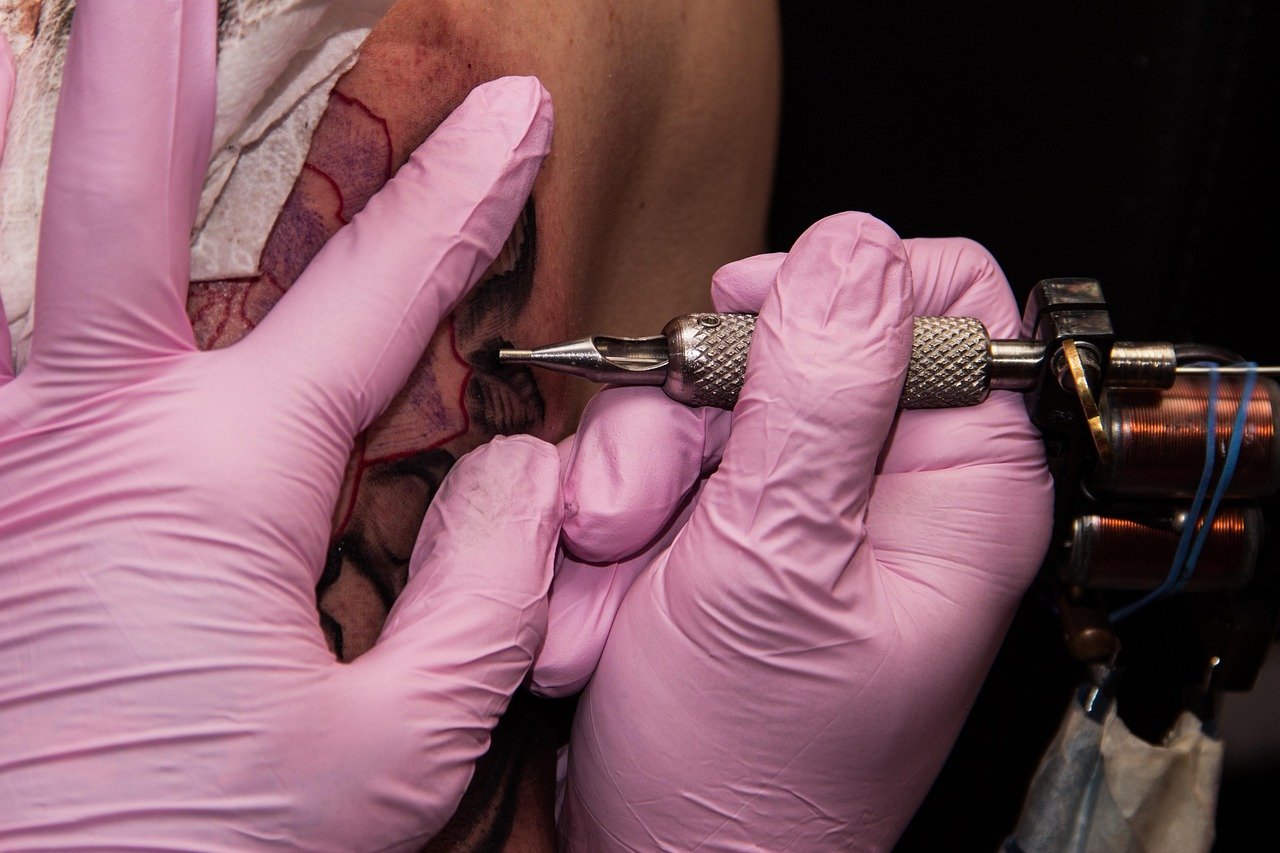
Roughly one in three American adults now has at least one tattoo, and the shoulder consistently ranks among the most requested placements for men. It is easy to see why. The deltoid offers a broad, muscular canvas that can be shown off in a tank top or hidden under a dress shirt. But a shoulder piece also comes with practical trade-offs that catch first-timers off guard, from healing friction under straps to designs that warp when the muscle flexes. This guide walks through what actually matters before, during, and after the appointment.
Why the Shoulder Works So Well as a Canvas
The shoulder is a large, relatively flat area of skin sitting over the deltoid muscle. That combination gives artists room to work on detail without cramming a design into a narrow space. It also means a shoulder piece can scale up over time. Many men start with a palm-sized design and later extend it into a half sleeve, which is far easier when the original work sits on the shoulder cap rather than the forearm.
There is a visibility advantage too. A shoulder tattoo reads as bold in a t-shirt but disappears completely under a button-down. For men in client-facing jobs, that flexibility is often the deciding factor.
One caveat: the shoulder is a high-movement zone. Skin stretches and compresses every time the arm lifts. Designs with perfect circles, straight lines, or fine geometric patterns can distort slightly when the deltoid flexes. Experienced artists account for this by placing rigid shapes on the flatter outer deltoid rather than wrapping them over the curve.
Common Design Styles for Men’s Shoulder Tattoos
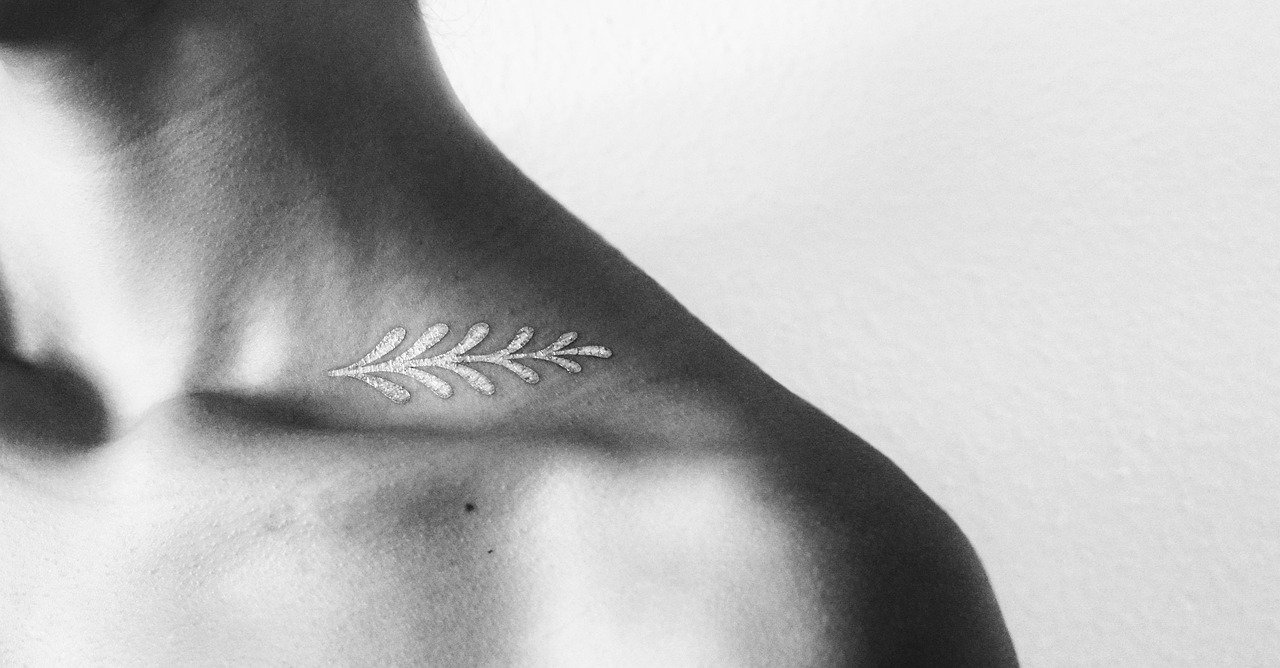
Style choice drives cost, session length, and how well a tattoo ages. Here is how the most popular options compare.
| Style | Typical Session Time | Ages Well? | Best For |
|---|---|---|---|
| Traditional/American | 1–3 hours | Excellent (bold lines, solid color) | First-timers, high-contrast looks |
| Blackwork and tribal | 2–5 hours | Very good | Shoulder caps, half sleeves |
| Realism and portraits | 4–8+ hours, multiple sessions | Good with skilled touch-ups | Statement pieces, upper arm |
| Script and lettering | 30–90 minutes | Fair (small text can blur) | Short phrases, dates |
| Geometric and fine line | 1–3 hours | Fair (needs careful placement) | Minimalist tastes |
Tribal and blackwork patterns have deep roots in Polynesian and Māori tattooing traditions, where shoulder and arm designs carried genealogical and status meaning. Modern artists who work in these styles often study the cultural context, and clients benefit from asking about it directly.
How Much Do Shoulder Tattoos Hurt?
Honest answer: the shoulder is one of the more forgiving spots on the body. The deltoid has decent muscle and fat padding, and most men describe the sensation as a hot scratching rather than sharp pain. The bony area near the collarbone and the inner armpit edge are the exceptions. Those spots sting noticeably more.
Pain is personal, though. Sleep, hydration, and alcohol the night before all affect how a session feels. Showing up well-rested and fed matters more than any numbing cream. Artists generally discourage heavy numbing products because they can change skin texture mid-session and make linework harder to lay down cleanly.
Placement within the shoulder changes the experience:
- Outer deltoid: lowest pain, easiest healing, best for large pieces
- Shoulder cap: moderate pain, high visibility, popular for circular designs
- Front of shoulder: more discomfort near the collarbone
- Blade area (back): moderate pain, excellent for wide compositions
What Shoulder Tattoos Cost in Practice
Pricing varies enormously by city and artist reputation. Most studios charge either an hourly rate or a flat day rate. As a rough planning framework:
- Small designs (2–4 inches): often priced at shop minimums
- Medium shoulder pieces: several hours of work at the artist’s hourly rate
- Full shoulder caps or half sleeves: multiple sessions spread over weeks or months
The biggest mistake men make is shopping purely on price. A cheap tattoo that needs a costly cover-up later is the most expensive option available. Reputable artists also charge for consultations and drawing time, and that is normal. Expect to leave a deposit, usually non-refundable, to hold the appointment.
Choosing the Right Artist
Not every artist excels at every style. A realism specialist may produce mediocre traditional work, and vice versa. Portfolio review is the single most useful step in the whole process.
Practical checks worth doing:
- Look at healed photos as well as fresh ones. Fresh tattoos always look crisp; healed work reveals line quality.
- Confirm the studio’s licensing and hygiene standards, including single-use needles and sealed ink caps.
- Ask whether the artist has experience with your specific placement and style combination.
- Read reviews for mentions of communication and aftercare guidance, as well as artistic skill.
Government health agencies publish tattoo safety guidance covering infection control and ink regulation, and it is worth a quick read before booking. The FDA’s tattoo safety information explains how inks are regulated and what reactions to watch for. (Tattoo)
Preparing for the Session
Preparation is unglamorous but it directly affects how the tattoo heals. In the 24 hours before an appointment:
- Avoid alcohol, which thins the blood and increases bleeding during the session
- Eat a real meal within a couple of hours of the appointment
- Wear a loose t-shirt or tank top that exposes the shoulder without rubbing
- Skip heavy workouts the day before and after, since sweat and friction irritate fresh ink
Bring water and expect to sit still for long stretches. For sessions over three hours, most artists schedule breaks, and asking for one is completely acceptable.
Aftercare That Actually Works
Healing guidance differs between studio handouts and clinical dermatology sources, but the core consensus is consistent: keep the area clean, keep it lightly moisturized, and leave it alone.
The standard routine looks like this:
- Keep the initial bandage on for the period your artist specifies, then wash gently with fragrance-free soap and lukewarm water.
- Pat dry with a clean paper towel. Do not rub.
- Apply a thin layer of recommended ointment or unscented lotion two to three times daily.
- Avoid soaking (pools, baths, long showers) for the first two weeks.
- Do not pick or scratch scabs, even when they itch.
- Keep the tattoo out of direct sun until fully healed, then use sunscreen permanently.
Surface healing generally takes a few weeks, with deeper dermal settling continuing for months. The shoulder’s position under bra straps, backpack straps, and seatbelts makes friction the most common aftercare problem. Loose clothing and a bit of care when dressing prevent most irritation.
Signs of infection include spreading redness, warmth, pus, or fever. Those warrant medical attention rather than more ointment. Allergic reactions to ink pigments are also documented in dermatology literature and can appear weeks after the session, which surprises people who assume the risk window has closed.
Shoulder Tattoos and the Workplace
Visibility remains a practical concern. Many corporate dress codes have relaxed, but policies vary by industry and region. The shoulder’s advantage is that short of wearing sleeveless tops, the tattoo stays covered. Men considering a design that extends below the deltoid should think about whether short sleeves will expose it. (Hair Cuttery Guide 2026: Walk-In Tips & Costs)
For anyone weighing broader grooming and appearance decisions alongside tattoo planning, resources like this guide to hair dryers and styling tools show how personal style choices tend to get researched the same way: compare, read reviews, then commit. (Luvme Hair Wigs 2026: What Buyers Should Expect)
Extending a Shoulder Tattoo Into a Sleeve
The shoulder is the natural anchor for a sleeve. Artists typically build outward from the shoulder cap, adding elements session by session. Planning matters here. A cohesive sleeve needs a composition sketched in advance, not a pile of unrelated pieces. Ask the artist for a rough layout plan even if only the first section gets tattooed now.
Budget and time both scale up sharply. Full sleeves commonly require many sessions across a year or more. Men who plan for that timeline end up happier than those who rush sections to save money.
Mistakes to Avoid
A few patterns show up again and again:
- Choosing flash art on impulse without considering how it fits the shoulder’s shape
- Going too small on the shoulder cap, then needing awkward additions later
- Ignoring the flex factor on rigid geometric designs
- Skipping sunscreen after healing, which fades ink faster than anything else
- Swimming too soon, which is a leading cause of infection and ink loss
Patience during healing is what separates a tattoo that looks sharp for decades from one that needs reworking within a year.
Conclusion
Shoulder tattoos for men work well for a simple reason: the deltoid offers space, muscle, and discretion all at once. The placement handles everything from a small script piece to a full blackwork cap, and it hides easily when needed. But the shoulder rewards planning. Choose an artist whose healed portfolio matches your style, budget for multiple sessions if the design is large, and treat aftercare as seriously as the appointment itself. Do those three things and the tattoo will hold up for decades rather than months.
Frequently Asked Questions
How painful is a shoulder tattoo for men?
Most men rate the outer deltoid as low to moderate on the pain scale. The muscle padding helps, and many describe it as a hot scratching sensation. The collarbone and inner armpit areas hurt more, so designs that creep toward those zones will feel sharper.
How much does a shoulder tattoo cost?
Cost depends on size, style, and the artist’s rate. Small designs often hit shop minimums, while shoulder caps and half sleeves require several hours or multiple sessions. Consultation fees and non-refundable deposits are standard, and price shopping alone is a poor strategy because cover-ups cost far more than doing it right once.
How long does a shoulder tattoo take to heal?
Surface healing typically takes a few weeks, with deeper layers settling over several months. Friction from straps and tight clothing is the main risk on the shoulder, so loose tops help. Full sun exposure should be avoided until healing is complete, then sunscreen becomes a permanent habit.
Can I work out after getting a shoulder tattoo?
Light movement is usually fine after the first couple of days, but heavy lifting and exercises that stretch the deltoid should wait until surface healing is underway. Sweat, friction, and gym equipment all introduce infection risk. Ask your artist for a specific timeline based on the size of the piece.
Will a shoulder tattoo stretch if I build muscle?
Moderate muscle gain rarely ruins a tattoo, but significant deltoid growth can shift proportions slightly. Artists already account for normal flexing by placing rigid shapes on flatter areas. If you are actively bulking, mention it during consultation so the design is positioned with future changes in mind.
Should I get a shoulder tattoo or a half sleeve first?
Start with the shoulder. It anchors a future sleeve, gives you a feel for the artist and the pain level, and lets you test how the design sits before committing to a larger area. Building outward session by session is how most cohesive sleeves actually come together.
Final Thoughts on Commitment
A shoulder tattoo is a long-term decision, and the best outcomes come from treating it that way. Take time with the design, view it from multiple angles, and confirm it still feels right weeks later. Consultations are not commitments; they are conversations, and a good artist will welcome questions rather than rush a decision. Once the work is done, protect it with sunscreen and regular moisturizing, and book touch-ups when lines soften. Done thoughtfully, a shoulder piece becomes a quiet, personal detail that ages alongside you rather than a trend you outgrow.