
Seated Leg Curl: How to Do It & Mistakes to Avoid
 Abdul WadoodLast updated

What if the hamstring exercise most people skip is the one that builds the muscle’s most valuable trait? That’s the quiet case for the seated leg curl, a machine movement that looks unremarkable and trains one of the most injury-prone muscle groups in the body. Walk into nearly any gym and you’ll find the seated curl machine sitting near the leg extension, often ignored in favor of squats and deadlifts. That’s a mistake worth fixing.
This guide breaks down what the seated leg curl actually does, how it differs from the lying version, how to set up the machine correctly, and the errors that quietly rob people of results. It’s written for anyone who wants stronger, more resilient hamstrings without guessing.
What the Seated Leg Curl Actually Trains
The seated leg curl is a resistance exercise for the hamstrings performed on a machine with the torso upright and the hips flexed. The movement pattern is simple: the knees bend against resistance, and the hamstrings do the work.
The hamstrings are a group of muscles running down the back of the thigh. Their main jobs are bending the knee and extending the hip. The seated leg curl trains the knee-flexion role directly, which is why it complements hip-dominant lifts like deadlifts and hip thrusts rather than replacing them.
The seated position matters more than it looks. With the hips flexed, the hamstrings sit in a stretched position at the hip while the knee flexes against the load. In plain terms, the muscle starts the rep longer than it would in a lying curl. Coaches and biomechanics discussions suggest this changes the torque-angle relationship compared with the prone version, meaning the resistance feels different across the range of motion. The practical takeaway: the seated curl often feels hardest at the start of the rep, while the lying curl tends to bite near the top.
That’s not a flaw. It’s a different training stimulus, and for many lifters it’s a useful one.
Seated vs. Lying Leg Curl: What’s the Real Difference?
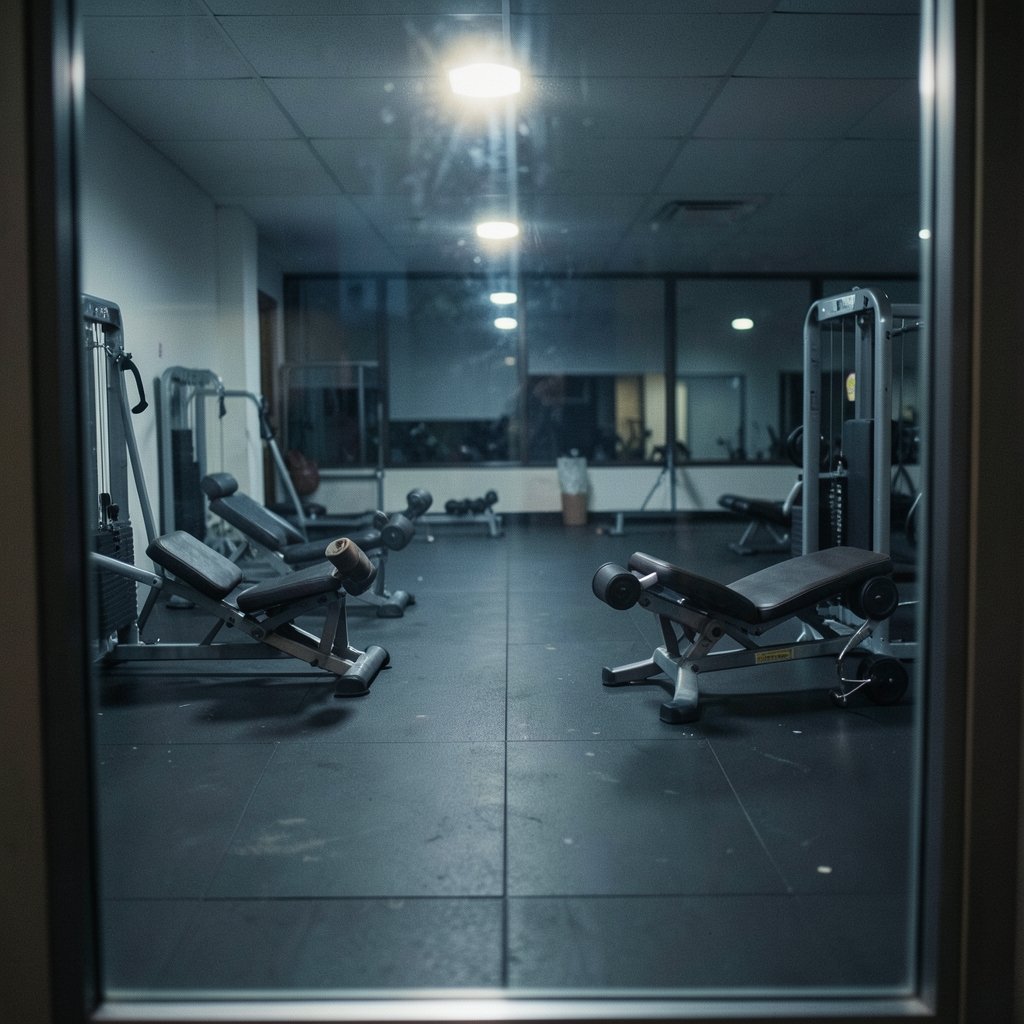
Both machines train the hamstrings through knee flexion. The differences come down to hip position, resistance profile, and how each one fits into a program.
| Feature | Seated Leg Curl | Lying Leg Curl |
|---|---|---|
| Hip position | Flexed (upright torso) | Extended (prone) |
| Hamstring starting length | Longer | Shorter |
| Hardest point of the rep | Early to mid range | Near the top |
| Lower back involvement | Low, but posture matters | Low, hips can lift |
| Best used for | Stretched-position strength | Peak-contraction strength |
| Setup complexity | Moderate (back pad, thigh pad) | Simple |
Neither machine is superior in every context. A well-built program often uses both, rotating them across training blocks or placing one as the primary hamstring isolation and the other as a secondary movement.
There’s a broader lesson here that applies beyond the gym: matching a tool to the job beats chasing a single “best” option. The same logic shows up in style choices, where proportion and fit matter more than any one garment, as explored in this breakdown of wide leg trousers proportions and outfits that work. Training, like clothing, rewards people who understand the mechanics instead of memorizing rules.
How to Set Up the Seated Leg Curl Machine Correctly
Most people lose half the value of this exercise before the first rep. Setup is where the work is won or lost.
- Adjust the back pad so your torso is supported and your hips are pressed firmly into the seat. If your hips slide forward, the pad is too far back.
- Set the thigh pad snug against the front of your thighs, just above the knees. It should hold your legs down without pinching.
- Line up your knees with the machine’s pivot point, the axis the lever arm rotates around. This is the single most important adjustment.
- Place the ankle pad on the lower calf, just above the heel, not on the Achilles tendon.
- Select a load you can control for the full range, then test one slow rep before committing.
If the knee joint doesn’t line up with the pivot, the resistance changes across the rep and the movement becomes awkward. Take the extra thirty seconds. It’s the difference between a smooth, strong contraction and a joint that feels cranky afterward.
How to Perform the Rep
Once the setup is right, the execution is straightforward, but small details matter.
- Start with the legs nearly straight but not locked out. Keep a slight bend so tension stays on the muscle.
- Curl the heels down and under the seat in a smooth arc, exhaling as you go.
- Pause briefly at the point of peak contraction without letting the weight stack rest.
- Lower slowly, taking about two to three seconds, and resist the pull the whole way down.
- Stop just short of full lockout at the bottom to keep tension on the hamstrings.
The eccentric, or lowering phase, is where a lot of the growth stimulus lives. Rushing it is one of the most common mistakes in the gym. Treat the lowering as half the exercise, not an afterthought.
Common Mistakes That Limit Results
Even experienced lifters fall into predictable traps on this machine. Here are the ones that show up most often.
Letting the hips lift off the seat. When the weight gets heavy, the pelvis tends to rise and the lower back arches. That shifts work away from the hamstrings. If you can’t keep your hips down, the load is too heavy.
Using momentum. Swinging the weight up with a fast, jerky motion turns a muscle-building exercise into a pendulum. Slow down and own the rep.
Cutting the range short. Partial reps feel productive because the weight moves, but the hamstrings never reach their most stretched position. Full range, controlled tempo.
Chasing the weight stack. Ego lifting on isolation machines is common and rarely useful. A moderate load with a hard squeeze beats a heavy load with sloppy form every time.
Skipping the hamstrings entirely. Many lifters train quads hard and treat hamstrings as an afterthought. That imbalance is a known risk factor for knee issues, which is why dedicated hamstring work earns its place in the program.
Where the Seated Leg Curl Fits in a Program
The seated curl is an isolation exercise, meaning it targets the hamstrings without much help from other muscle groups. That makes it a finisher or a supplement, not a replacement for compound lifts.
A sensible structure looks like this:
- Hip-dominant compound first: Romanian deadlifts, conventional deadlifts, or hip thrusts.
- Knee-dominant compound next: squats, leg press, or lunges.
- Hamstring isolation after: seated or lying leg curls for two to four sets of eight to fifteen reps.
- Optional unilateral work: single-leg curls to address side-to-side differences.
Two to three sets taken close to failure, two or three times per week, is plenty for most people. More volume isn’t automatically better. Recovery matters, and hamstrings take a beating from compound lifts too.
For anyone layering this into a broader lower-body plan, the same principle of balanced, deliberate programming applies to other body areas as well. The leg tattoos men placement pain design cost guide makes a similar point about the lower body: thoughtful planning around placement and aftercare pays off far more than rushing in. Training and body art both reward patience.
Who Benefits Most From Seated Leg Curls
The seated curl suits a wide range of people, but a few groups get outsized returns.
Athletes in sprinting and jumping sports rely on hamstrings for acceleration and deceleration. Strong, well-trained hamstrings support those demands, and knee-flexion strength is a piece of that puzzle.
People returning from knee or hamstring rehab often use machine curls because the movement is controlled and easy to load progressively. Anyone recovering from an injury should follow a clinician’s guidance rather than a general article.
Lifters with lagging hamstring development benefit from direct isolation work that compound lifts may not fully cover. If the back of your legs never feels sore or challenged, this machine is a straightforward fix.
Anyone who trains at home or in a small gym may not have access to the machine at all. In that case, Nordic curls, stability-ball curls, and single-leg Romanian deadlifts cover similar ground.
What Research and Coaching Consensus Suggests
Strength-training organizations generally treat hamstring isolation exercises as a standard part of resistance training, and machine leg curls appear regularly in published programming guidance. The American College of Sports Medicine and the National Strength and Conditioning Association both publish resistance-training resources that cover hamstring strengthening among the major muscle groups.
Specific claims about the seated version’s superiority over the lying version deserve caution. Some biomechanics discussions suggest the stretched hip position may influence the torque-angle relationship, but the evidence base is not settled enough to crown one machine the winner. The honest position: both train the hamstrings effectively, and the best choice depends on your goals, available equipment, and how your body responds.
What coaches tend to agree on is more practical. Controlled tempo, full range of motion, and consistent progressive overload drive results far more than machine selection. A lifter who does lying curls with perfect form will outpace one who does seated curls sloppily.
Practical Tips for Better Results
A few habits separate people who get strong hamstrings from people who just use the machine.
- Log your loads. Track the weight and reps so you can add a little over time. Progress is the point.
- Warm up the hamstrings first. A light set or two before working sets primes the muscle and reduces the chance of a strain.
- Feel the muscle, not the joint. If you feel it in your knee or lower back, revisit your setup.
- Don’t train hamstrings to failure every session. Leave a rep or two in reserve most of the time.
- Pair it with hip-dominant work. Knee flexion and hip extension train different functions. Use both.
If you’re also thinking about how you present your legs outside the gym, the leg tattoos women placement pain design aftercare guide covers a different kind of lower-body decision-making, from placement to healing. Different goal, same lesson: preparation and aftercare determine the outcome.
Conclusion
The seated leg curl is one of the most underrated tools in a lifter’s toolkit. It trains the hamstrings directly, puts them in a stretched position that’s hard to replicate elsewhere, and fits neatly into almost any program. The catch is that it rewards attention. Set the machine up properly, line your knees with the pivot, control the lowering phase, and keep your hips glued to the seat.
None of that is complicated, but it does require more care than most people bring to a machine they consider an afterthought. Do the small things right, add weight gradually, and pair the curl with hip-dominant lifts. Your hamstrings will notice, and so will your knees, your sprint speed, and your ability to walk down stairs the day after leg day.
Frequently Asked Questions
Is the seated leg curl better than the lying leg curl?
Neither is universally better. The seated version puts the hamstrings in a more stretched position at the hip, while the lying version emphasizes the peak contraction near the top of the rep. Many programs use both, and the best choice depends on your goals and how your body responds.
How many sets of seated leg curls should I do?
Two to four sets of eight to fifteen reps, taken close to failure, is a reasonable range for most people. If you’re also doing deadlifts or other hamstring-heavy compound lifts, two or three sets are usually enough.
Can the seated leg curl replace Romanian deadlifts?
No. The seated curl trains knee flexion, while Romanian deadlifts train hip extension. Those are different hamstring functions, and both matter. The curl is a supplement to hip-dominant lifts, not a substitute.
Why do my knees hurt during seated leg curls?
The most common cause is a setup problem. If your knee joint doesn’t line up with the machine’s pivot point, the resistance pulls awkwardly across the joint. Adjust the back pad and thigh pad, and reduce the load if the discomfort continues. Persistent pain warrants a professional assessment.
How long should I rest between sets?
For isolation work like this, sixty to ninety seconds is usually plenty. Rest longer if you’re training heavy and feel noticeably fatigued, since quality reps matter more than rushing through the session.
Can beginners do seated leg curls?
Yes. The machine is beginner-friendly because it’s controlled and easy to load lightly. Start with a weight you can move smoothly through a full range of motion, focus on the lowering phase, and add resistance gradually over several weeks.