
Rivian R1S Review 2026: Pros, Cons & Verdict
 Abdul WadoodLast updated

The Rivian R1S arrived with a promise few automakers had dared to make: a seven-seat electric SUV that could climb a rocky trail on Saturday and shuttle kids to school on Monday. When the first customer deliveries began in 2022, the R1S became one of the few electric vehicles in the world that paired genuine off-road hardware with family-hauling practicality. That combination is rare, and it is the reason the R1S keeps showing up in conversations about the best electric SUVs on the market.
This review walks through what the R1S actually delivers, where it falls short, and what a buyer should think about before signing. It avoids hype and focuses on the things that matter after the honeymoon phase ends.
What the Rivian R1S Actually Is
The R1S is a three-row electric SUV built on a skateboard platform that it shares with the R1T pickup. At launch, Rivian equipped it with a quad-motor setup, one motor per wheel, which allows precise torque distribution to each corner. Later model years added dual-motor variants aimed at buyers who want range and value over maximum off-road capability.
Rivian builds the R1S at its plant in Normal, Illinois. The vehicle competes in a growing field that includes the Tesla Model X, the Mercedes-Benz EQS SUV, and the Kia EV9, but it occupies a distinct niche. The Model X is quicker on a drag strip. The EQS SUV is plusher inside. The R1S is the one that will happily ford a stream and haul camping gear while doing it. (Rivian R1S official model page)
Design and Interior: Rugged Meets Refined
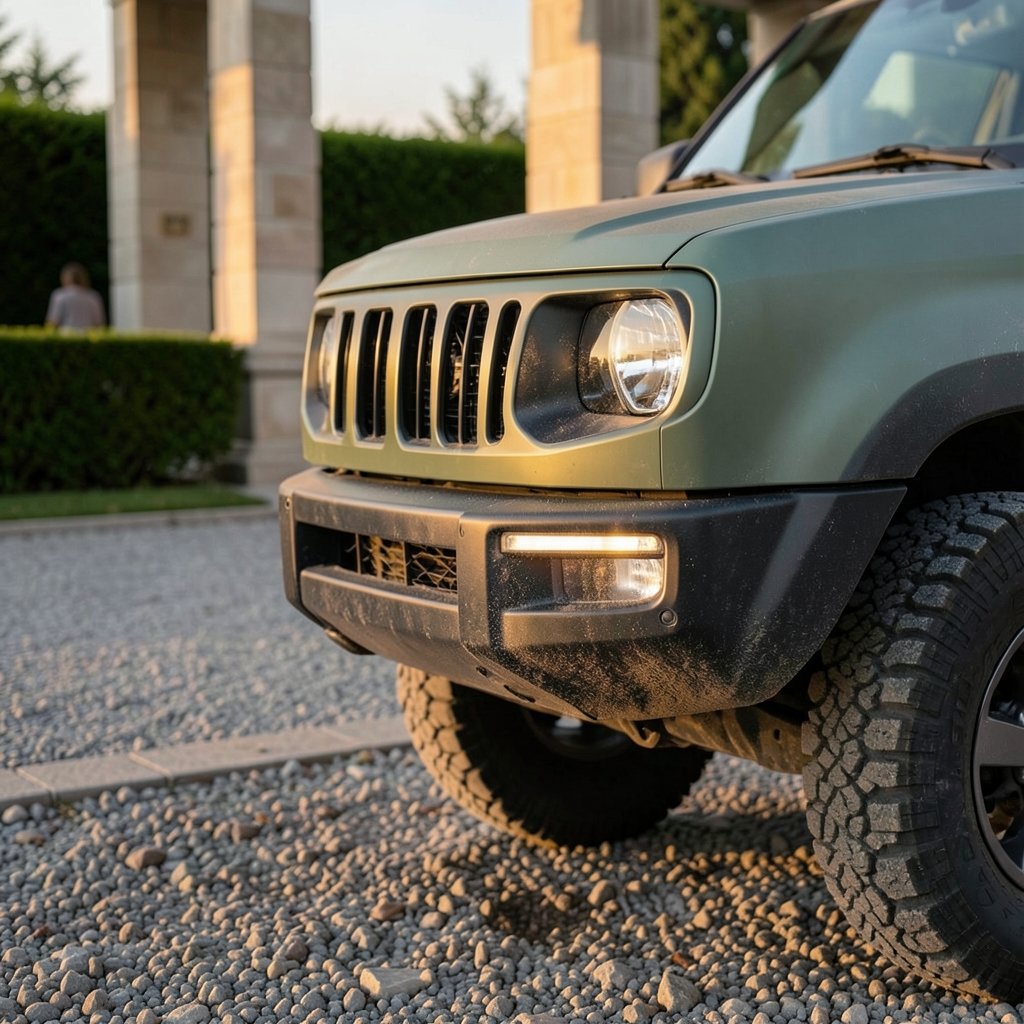
From the outside, the R1S has a look that is unmistakably Rivian. The vertical stadium-style headlights and the horizontal light bar give it a friendly, almost cartoonish face that stands out in a parking lot full of anonymous crossovers. It is boxy without being clumsy, and the short overhangs hint at its off-road intent.
Inside, the cabin takes a different turn. Materials feel premium, with available wood trims and a clean, minimal dashboard anchored by a large central touchscreen. The layout is practical rather than flashy. There are physical touches where they matter, and the storage is generous.
The third row is the real story. Unlike some electric SUVs that treat the third row as an afterthought, the R1S offers usable space back there for adults on shorter trips and for kids without complaint. Fold the second and third rows and you get a genuinely large cargo area. That flexibility is the R1S’s quiet superpower.
Performance and Driving Experience
The quad-motor R1S is quick in a way that still surprises people. Independent motors at each wheel mean instant torque and the ability to send power exactly where traction exists. On pavement, the result is confident acceleration and a planted feel for a vehicle this heavy. On loose surfaces, it translates into capability that most SUVs simply cannot match.
The dual-motor versions trade some of that edge for efficiency and a lower price. For most buyers, the dual-motor setup is more than enough, and the range gains are real.
Ride quality leans toward comfort. The air suspension smooths out rough roads, and the cabin stays quiet at highway speeds. Steering is light, which makes the R1S easy to maneuver in town, though it does not pretend to be a sports car. Body roll shows up in fast corners, as it does in any heavy SUV.
One thing that stands out in practice: regenerative braking is strong and easy to modulate. Drivers who use one-pedal driving will find it intuitive within a day.
Range, Charging, and Real-World Efficiency
Range figures for the R1S have shifted across model years and wheel-and-tire configurations. Larger wheels and all-terrain tires cost range, sometimes significantly. Buyers who care about efficiency should pay close attention to the wheel choice on the configurator, because the difference between the best and worst setups is not trivial.
Charging is where the R1S draws mixed feedback. On DC fast chargers, it can add a workable amount of range in a reasonable stop, but it is not the fastest-charging SUV in its class. On a long road trip, that means planning stops a little more carefully. At home, most owners charge overnight and never think about it.
Cold weather affects every EV, and the R1S is no exception. Preconditioning the battery before a fast-charging stop makes a real difference, and drivers who learn that habit report far fewer frustrating charging sessions.
Technology and Software
The R1S runs on Rivian’s own software stack, displayed on a central touchscreen and a driver’s display behind the wheel. The interface is clean and improves with over-the-air updates, which Rivian has used to add features and refine behavior over time.
That said, software-defined vehicles come with growing pains. Early owners reported bugs and occasional glitches, and some features arrived later than promised. Rivian has generally been responsive, but buyers should expect the software experience to evolve rather than stay static.
Driver assistance features are present and useful, though not class-leading. Adaptive cruise control and lane centering work well on highways. As with any system in this category, drivers should treat them as aids, not replacements for attention.
Off-Road Capability: The Real Differentiator
This is where the R1S separates itself. Adjustable air suspension raises the body for clearance. Multiple drive modes tune the vehicle for snow, sand, rock, and other terrain. The quad-motor setup allows tank-turn-style maneuvers and precise low-speed control.
For most owners, this capability will be used rarely, if ever. But it matters for a specific buyer: the family that camps, tows, or lives somewhere with rough roads and harsh winters. For that buyer, the R1S offers something no luxury electric crossover can match. For the buyer who never leaves pavement, it is capability they are paying for but may never use, and that is worth being honest about.
Safety
Safety ratings and recall information for the R1S should be checked against current official sources before purchase, since ratings and recall campaigns change over time. Buyers should look up the specific model year they are considering rather than relying on general impressions.
Pricing and Ownership Reality
Rivian has adjusted R1S pricing several times since launch, including a notable increase in 2022 that was partially walked back after customer backlash. That history is a useful reminder: prices on this vehicle are not fixed in stone, and buyers should confirm current figures directly with Rivian rather than relying on older reviews.
Beyond the sticker price, ownership costs deserve attention. Insurance for a heavy, expensive EV tends to run higher than average. Tire replacement can arrive sooner than expected because of the vehicle’s weight and torque. Home charging installation is a one-time cost that varies widely by house and region.
On the positive side, EV owners typically save on fuel and maintenance. Fewer moving parts mean fewer oil changes and brake jobs, though brakes on heavy EVs still wear and should be inspected.
Common Mistakes Buyers Make
A few patterns show up again and again among R1S shoppers.
- Choosing the biggest wheels. They look great and hurt range. Buyers who prioritize efficiency should size down.
- Skipping the home charging plan. Without a reliable home setup, ownership gets inconvenient fast.
- Ignoring the third-row reality. Test-fit the people who will actually sit back there before committing.
- Assuming software is finished. Expect updates, and expect some rough edges along the way.
- Forgetting insurance quotes. Get them before signing, not after.
How the R1S Compares
| Factor | Rivian R1S | Tesla Model X | Kia EV9 |
|---|---|---|---|
| Off-road focus | Strong | Limited | Moderate |
| Third-row space | Usable | Tight | Good |
| Charging network | Growing | Extensive | Growing |
| Starting price | Premium | Premium | Lower |
| Software maturity | Evolving | Mature | Solid |
The table simplifies a complicated decision, but the pattern holds. The R1S wins on capability and character. The Model X wins on charging infrastructure and software polish. The EV9 wins on value. None of them is wrong; they serve different buyers.
Who Should Buy One
The R1S makes the most sense for buyers who want a family SUV with real outdoor capability and are willing to accept some software maturing and a premium price. It suits people who tow, camp, or face rough winters. It also suits buyers who simply want something different from the sea of similar-looking crossovers.
It makes less sense for buyers who mostly care about the lowest cost per mile, the fastest charging, or the most polished infotainment. Those buyers have better options.
For readers exploring related style and lifestyle topics alongside their car research, there is plenty of practical guidance available on everything from hair color trends to travel destinations worth planning around, which fits the R1S owner profile of someone who values experiences over pure utility. (Light Brown Hair: Shades, Care & Styling Guide 2026)
Conclusion
The Rivian R1S is not the cheapest, the fastest-charging, or the most polished electric SUV on sale. It is, however, one of the most distinctive. It pairs genuine off-road hardware with a usable three-row cabin and a design that refuses to blend in. Those strengths come with real tradeoffs: evolving software, charging that trails the best in class, and a price that demands commitment.
Buyers who match the R1S’s strengths to their actual life, rather than to a spec sheet, tend to love it. Buyers who buy it for the wrong reasons tend to notice the rough edges first. That is true of most vehicles, but it is especially true here. The R1S rewards a buyer who knows exactly what they want.
Frequently Asked Questions
How much does a Rivian R1S cost?
Pricing has changed multiple times since launch, and it varies by trim, battery pack, and options. Buyers should check Rivian’s official configurator for current figures rather than relying on older reviews, since published prices go stale quickly.
How far can the R1S go on a charge?
Range depends heavily on model year, battery pack, and wheel-and-tire choice. Larger wheels and all-terrain tires reduce range noticeably. Check the official rating for the exact configuration being considered, because the spread between best and worst setups is significant.
Is the R1S good for families?
Yes, for most families. The third row is usable, cargo space is generous with rows folded, and the cabin is quiet and comfortable. Families with very tall teenagers should test-fit the third row before committing.
How does the R1S handle off-road driving?
It is one of the most capable electric SUVs available. Adjustable suspension, multiple terrain modes, and independent motors at each wheel give it real capability on rough terrain, snow, and loose surfaces.
Is the R1S reliable?
Owner reports have been mixed, with software glitches appearing more often than mechanical failures. Rivian has addressed many issues through over-the-air updates. As with any newer model, checking current recall and reliability information for the specific model year is wise.
Should I buy the quad-motor or dual-motor version?
Most buyers are well served by the dual-motor version, which offers better efficiency and a lower price. The quad-motor setup is worth it for buyers who genuinely need maximum off-road capability or want the strongest performance.
The R1S also holds its value reasonably well for a newer brand, though resale patterns are still being established compared with legacy automakers. Service access is another practical consideration: Rivian’s service network is expanding but remains thinner than those of established brands, so buyers far from a service center should factor that into their decision. None of these caveats is disqualifying, but they are part of the honest ownership picture. Test drive one, check the current configurator, and decide whether the capability matches your life. If it does, the R1S is a genuinely rewarding vehicle to live with.