
How Private Members Clubs Work: Rules, Fees & Membership
 Abdul WadoodLast updated

Quick Answer: How do private members clubs work?
Private members’ clubs are organisations that exist for their members rather than for the general public, and they operate under a rulebook that sets out who can join, what they pay, and how decisions get made. In practice, that means a constitution, a joining process, a subscription, and some form of member governance or committee.
Most clubs fall into two broad camps: traditional member-owned associations, where members collectively own the assets and elect a committee, and modern commercial membership venues, which are privately owned businesses selling access rather than sharing control. The two can look identical from the outside but behave very differently when a member wants a say.
Before joining or setting one up, check the legal structure, admission criteria, subscription and joining fees, resignation and expulsion rules, guest policy, licensing arrangements, and how member data is handled.
Private members’ clubs occupy a strange corner of public life. They are businesses in some cases, charities or unincorporated associations in others, and social institutions in almost all of them. The word “club” suggests something casual, yet behind the bar and the leather armchairs sits a legal and financial machine with rules about who gets in, who pays what, and who decides. Understanding that machinery matters whether you are weighing up a membership, running a struggling committee, or simply curious about why some clubs guard their doors so carefully.
This guide unpacks how these organisations actually work, from governance and money to the practical realities of admission and conduct. (Short Hairstyles That Work: Pixie, Bob & Lob Guide 2026)
What actually makes a club “private”?
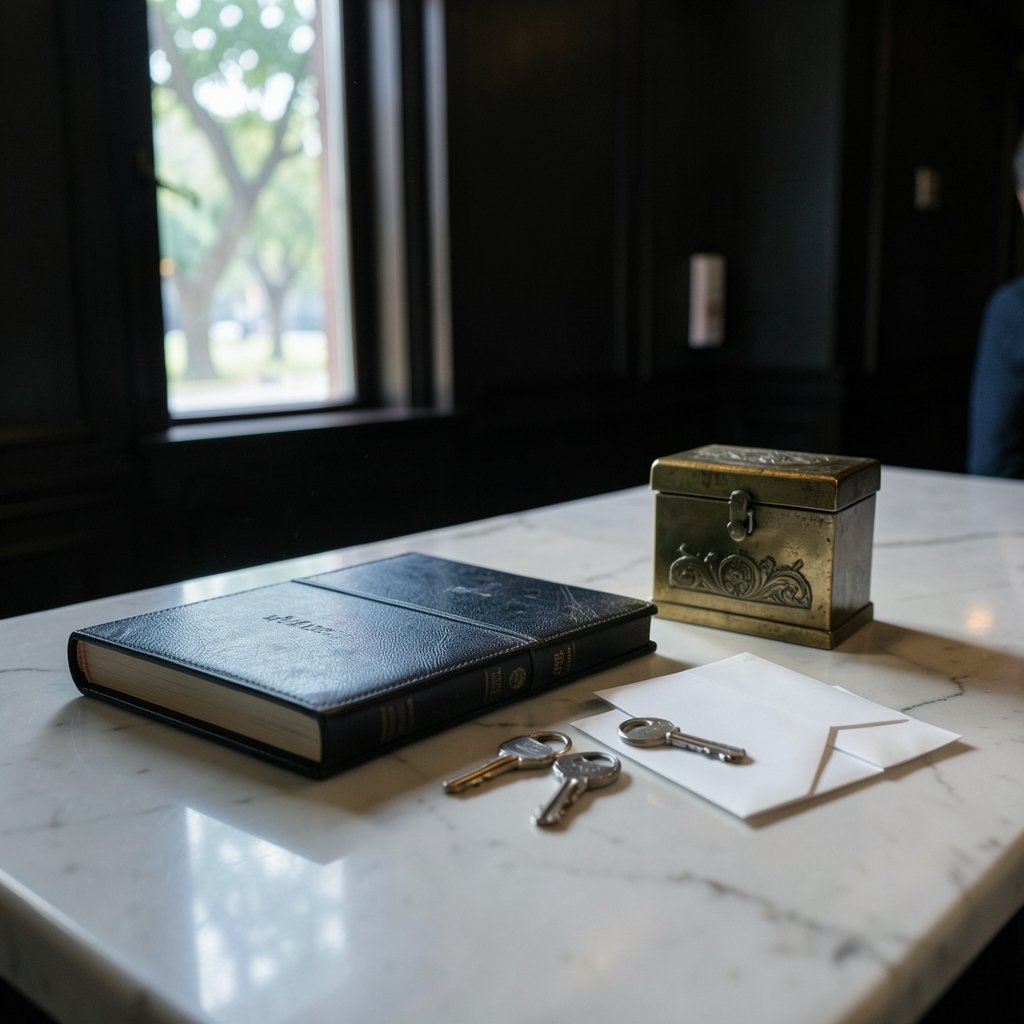
The defining feature is not exclusivity for its own sake but the legal and operational separation from the general public. A private members’ club serves its members and their guests rather than anyone who walks in off the street. That distinction has real consequences for licensing, gambling, and how the organisation is structured.
Crucially, there is no single legal definition of a “private members’ club.” A traditional members’ club owned by its members and a modern co-working-style venue selling monthly access can both use the term while being governed in completely different ways. One is a democratic association; the other is a commercial product. (Gentlemen’s club)
That ambiguity trips people up constantly. Someone joins expecting a say in how the place is run and discovers the committee answers to a landlord. Someone else assumes a club is a business and finds out that resigning requires a written notice period set by a constitution they never read.
The legal forms a club can take
Most clubs settle into one of a few structures, and the choice shapes almost everything else.
| Structure | Who owns it | Member voting rights | Typical use |
|---|---|---|---|
| Unincorporated association | Members collectively | Yes, at general meetings | Small sports and social clubs |
| Company limited by guarantee | Members as guarantors | Yes, through company law | Larger clubs wanting limited liability |
| Commercial limited company | Shareholders | Usually none | Modern membership venues |
| Charitable incorporated organisation | The charity | Varies | Clubs with charitable purposes |
Unincorporated associations are common because they are cheap and simple to set up, but they carry a hidden risk: the members or committee can, in principle, be personally liable for debts. That is why many growing clubs convert to a company limited by guarantee. If you are involved in founding or running a club, this is the single decision most worth getting professional advice on early.
How the rulebook governs everything
Every club runs on a constitution or set of rules, and this document is the real source of truth. It typically covers admission, subscriptions, resignation, expulsion, guest privileges, conduct, and the procedure for changing the rules themselves.
The practical mistake people make is treating the rulebook as paperwork. It is not. Membership is essentially a contract, and disputes almost always come down to what the rules actually say rather than what members assumed. Before joining anywhere, ask to see the rules. A well-run club will hand them over without hesitation. A club that dodges the request is telling you something.
Rules also change. Most constitutions require a special resolution or a set majority at a general meeting, which means a determined group of members can reshape a club over time. That is democracy in action, and it is also why committee elections can get surprisingly heated.
Getting in: how admission really works
Admission processes vary enormously, but common patterns include a proposer and seconder, a membership committee review, and sometimes a probationary period before full rights kick in. Some clubs interview candidates; others rely entirely on written nominations.
The experience gap here is wide. People often assume a friend’s recommendation guarantees entry, then discover the committee meets quarterly and there is a waiting list. Others expect an interview and turn up unprepared for an informal chat about why they want to join.
A few practical tips that hold across most clubs:
- Ask about the current waiting time before paying any application fee.
- Confirm whether the joining fee is refundable if you are not admitted.
- Check whether probationary members can bring guests or vote.
- Find out who actually sits on the membership committee and how often it meets.
Patience is part of the product at older clubs. The queue is not a bug; for many members it is a feature that signals commitment.
The money: subscriptions, joining fees and what else you pay
Club finances usually combine several streams: annual subscriptions, one-off joining fees, food and beverage sales, event hire, and sometimes room rentals. Member-owned clubs are typically not-for-profit and reinvest surpluses into the building and services; commercial venues distribute profits to owners.
The trap for new members is focusing on the headline subscription and ignoring everything else. A club with a modest annual fee may require a minimum spend at the bar each month, charge for guest passes, or levy a separate charge for building repairs. Add those up and the real annual cost can be double the quoted figure.
For clubs themselves, the financial model is fragile. Subscriptions alone rarely cover costs, which is why food and drink matter so much. When a club’s bar trade declines, the pressure on subscriptions rises, and that is usually when you see special assessments or emergency general meetings.
If you are comparing memberships, treat it like any other significant purchase and read the small print the way you would a contract. The marketing is easy; the terms are where the truth lives.
Governance: who actually decides?
Member-owned clubs usually elect a committee or board at an annual general meeting. That committee handles day-to-day decisions, while major changes such as altering the rules or selling the building require a member vote.
Commercial clubs are simpler in one sense and more opaque in another. There is no member democracy, but there is also no committee politics. Decisions come from the owner or operator, and members are customers with a contract rather than participants with a vote.
Both models have failure modes. Member-owned clubs can stall through endless debate and volunteer burnout; commercial clubs can raise prices or change the format with little notice. Knowing which model you are joining tells you which risk you are accepting. (Hair Loss Treatment That Works: Proven Options 2026)
Data protection is an underrated governance issue. Clubs hold membership lists, payment details, and often CCTV footage, which makes them data controllers with obligations under UK GDPR. A club that cannot explain how it stores member information is a club with a compliance problem waiting to surface.
Licensing, gambling and the private-club difference
In England and Wales, licensing law has historically treated club premises differently from ordinary commercial venues, reflecting the members-only, not-for-profit model. Clubs typically need a club premises certificate rather than a standard premises licence, and the conditions attached reflect that structure.
Gambling follows a similar logic. Members’ clubs can often rely on specific provisions for low-stakes gambling and gaming machines that differ from what commercial operators must satisfy. The details matter and change, so anyone running a club should check current guidance rather than relying on what the club did five years ago.
Equality law is the third pillar. Clubs that admit members are generally subject to equality legislation, with narrow exceptions for associations. The scope of those exceptions is a regular source of legal argument, and getting it wrong is expensive. Assumptions about “we’re a private club, so we can do what we like” are precisely the assumptions that cause trouble.
The practical experience: what membership actually feels like
Strip away the legal structure and a club is a daily routine. Members arrive, staff recognise them, guests are signed in, and a familiar rhythm takes over. The value is partly functional and partly social: a place to work, eat, meet people, or simply exist without being asked to move along.
For anyone considering a membership, the sensible approach is to visit more than once, at different times, and watch how staff treat members and guests. Ask current members what they would change. Look at whether the facilities are maintained and whether the atmosphere matches the pitch.
For anyone running a club, the priorities are less glamorous: keep the rulebook current, keep the accounts transparent, communicate changes early, and treat members as stakeholders rather than obstacles. Clubs fail from neglect far more often than from competition.
There is a broader lesson in all of this that applies well beyond clubland. Whether you are choosing a club, a gym, or a subscription service, the pattern is the same: understand the terms, check the practical details, and ignore the marketing gloss. Good decisions come from reading carefully, not from being impressed.
Common mistakes members and committees make
A few errors show up again and again, and most are avoidable.
Members frequently join without reading the rules, then feel blindsided by a notice period or a guest restriction. They assume the subscription covers everything and discover minimum spends later. They treat the committee as staff and are surprised when volunteers cannot fix the boiler on a Sunday.
Committees make their own mistakes. They let the rulebook drift out of date, then struggle to enforce anything. They under-invest in communication and let rumours fill the gap. They rely on a handful of long-serving volunteers and have no succession plan, which is how clubs quietly decline. (Hair Clippers: How They Work & What to Buy in 2026)
The fix in both directions is boring and effective: document everything, explain decisions, and ask questions before signing rather than after.
Conclusion
Private members’ clubs work because a rulebook, a subscription, and a shared space create something more durable than a bar or a gym. The structure underneath varies enormously, from democratic member-owned associations to commercial venues selling access, and that structure determines who has a voice, who carries risk, and how the place evolves.
For anyone weighing a membership, the checklist is straightforward: know the legal form, read the rules, understand the full cost including extras, and check the governance model before committing. For anyone running a club, the priorities are transparency, current rules, and honest communication with members. Get those right and the club takes care of itself. Get them wrong and no amount of leather armchairs will save it.
FAQ
Do you have to be nominated to join a private members’ club?
Not always. Many traditional clubs require a proposer and seconder, but plenty of modern membership venues simply take applications online. Always check the specific club’s admission process before assuming either way.
Are private members’ clubs legally allowed to refuse members?
Clubs can apply admission criteria, but they generally remain subject to equality law, with narrow exceptions for associations. The scope of those exceptions is frequently disputed, so clubs should take advice rather than assume blanket discretion.
What happens if a member wants to resign?
Resignation is governed by the club’s rules, which often set a notice period and may require written notice. Members who simply stop paying can find themselves pursued for outstanding subscriptions, so follow the formal process.
Can members bring guests?
Most clubs allow guests under conditions set by the rules, such as signing in, paying a guest fee, or limiting the number of visits per guest. Some clubs restrict guest access at peak times or in certain areas.
What is the difference between a member-owned club and a commercial one?
Member-owned clubs are typically not-for-profit associations where members elect a committee and share ownership. Commercial clubs are privately owned businesses selling access, which means members are customers without voting rights.
Do clubs have to protect members’ personal data?
Yes. Clubs that hold member information are generally data controllers under UK GDPR and must handle it lawfully, including membership lists, payment details, and CCTV footage. Members can ask how their data is used and stored.