
How to Plan a Solo Retreat at Home: A Practical Plan
 Abdul WadoodLast updated
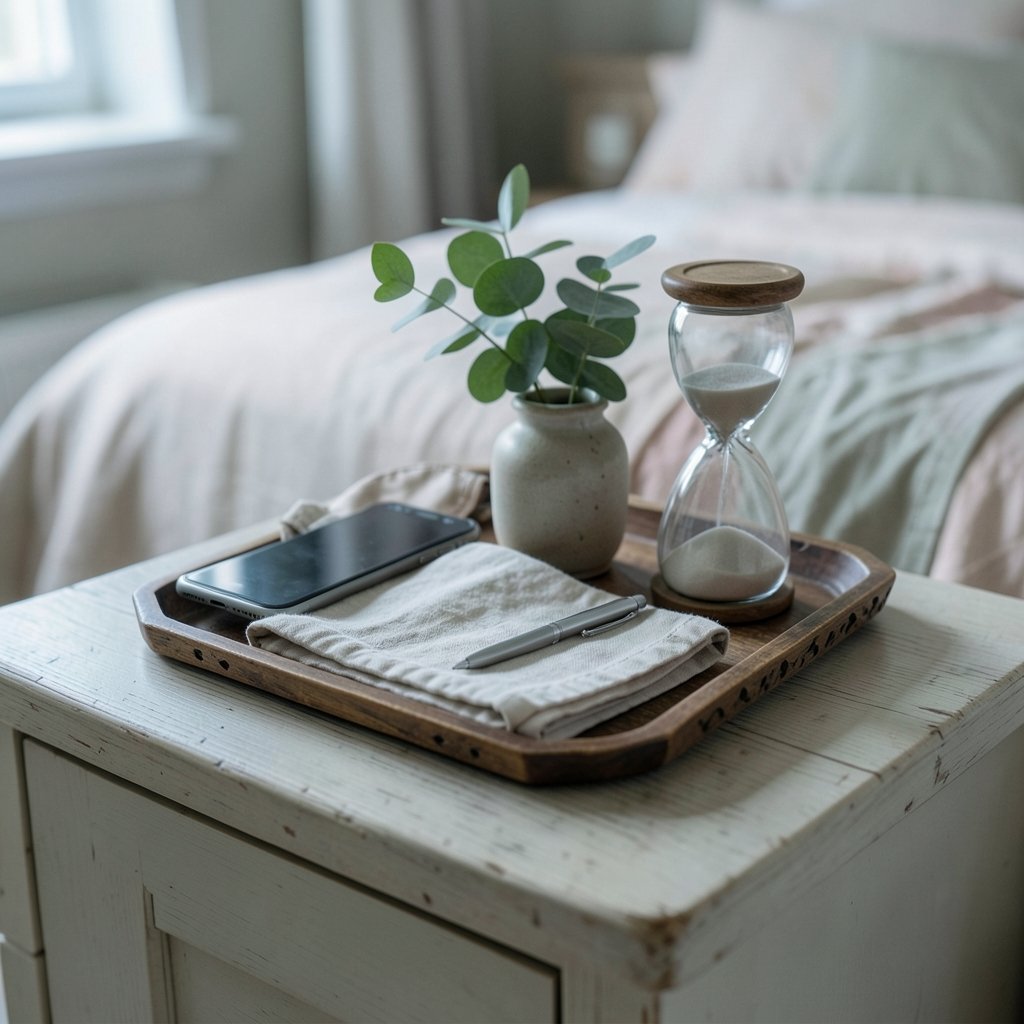
The average person checks their phone within minutes of waking up. For many, that single habit sets the tone for a whole day of reactivity. A solo retreat at home flips that dynamic, and it does not require a mountain monastery, a plane ticket, or a week of unused vacation time. It requires a plan, a few boundaries, and the honesty to know what the mind actually needs.
The idea is simple: carve out a defined block of time, usually one to three days, and structure it like a retreat while staying in your own space. Done well, it can reset sleep, sharpen focus, and create breathing room in a crowded calendar. Done badly, it becomes a weekend of scrolling with a guilty conscience. This guide focuses on what separates the two.
What a Home Retreat Actually Is
A solo retreat is a deliberate period of reduced stimulation and increased attention, undertaken alone and with a clear structure. It borrows from long-standing contemplative traditions but strips away the travel and cost. You sleep in your own bed, cook in your own kitchen, and control the environment completely.
That control is the advantage. It is also the risk. At a retreat center, the schedule is set by someone else. At home, the fridge, the laundry, the unfinished email, and the streaming queue all compete for attention. The plan has to do the work that a retreat center’s walls would normally do.
Step 1: Define the Purpose Before Anything Else

Most failed home retreats start with a vague intention like “rest” or “reset.” Those words are too soft to build a schedule around. A useful purpose is specific enough to guide decisions.
Ask what the retreat is for. Common aims include:
- Recovery from burnout, where the goal is genuine rest and minimal input
- Creative incubation, where the goal is uninterrupted thinking or making
- Deep reading or study, where the goal is sustained attention on one subject
- Meditative practice, where the goal is structured sitting and silence
- A life decision, where the goal is quiet space to think clearly
The purpose determines the level of stimulation. A creative retreat might allow a notebook and long walks. A meditative retreat might allow almost nothing. Writing the purpose in one sentence and keeping it visible prevents drift. (Retreat (spiritual)))
Step 2: Choose a Realistic Length
A first home retreat should be short. One full day, or a weekend at most, is enough to learn what works. Longer retreats sound appealing but tend to collapse under ambition. (Hair Gloss Guide 2026: Salon vs At-Home Results)
| Length | Best for | Watch out for |
|---|---|---|
| Half day (4 hours) | First attempt, testing a structure | Feels too brief to settle |
| One full day | Most purposes | Household distractions mid-day |
| Two to three days | Deep practice or creative work | Isolation fatigue, over-planning |
| One week | Experienced practitioners only | Erosion of boundaries by day three |
A half day is a legitimate retreat. It is also the easiest to complete, and completing it builds the confidence to try a longer one.
Step 3: Clear the Calendar and Tell People
This step gets skipped and it sinks more retreats than any other. A retreat with open notifications is not a retreat. It is a normal day with a nicer label.
Block the time in the calendar as if it were a work trip. Decline meetings. Set an out-of-office reply. Then tell the people who might otherwise interrupt: a partner, roommates, family members who call daily, and anyone expecting a reply. (Hair Clippers: How They Work & What to Buy in 2026)
The message can be short: “I’m offline Saturday and Sunday, back Monday.” No explanation is required. Most people accept this without comment.
Handle the Emergency Question Honestly
A solo retreat at home should still include a safety line. Choose one person who can reach you if something genuinely urgent happens, and give them a way to do it that does not involve scrolling through notifications. A phone call from one designated number, with everything else silenced, works well.
Step 4: Design a Digital Boundary You Can Actually Keep
Digital minimalism is the backbone of a modern home retreat. The goal is not moral purity about screens. The goal is to reduce the number of times attention gets yanked away.
A workable setup:
- Move social and news apps off the home screen, or log out entirely.
- Turn off all notifications except calls from one emergency contact.
- Decide in advance when, or whether, email gets checked. For a one-day retreat, “not at all” is realistic.
- Keep one device available for practical needs like timers, music, or maps.
Going fully off-grid for a first retreat often backfires. A total blackout creates anxiety that dominates the day. A defined boundary, written down and agreed with yourself beforehand, tends to hold better.
Step 5: Build a Simple Daily Structure
A retreat day needs shape, not a packed agenda. The most reliable structure alternates between focused activity and rest, with meals as anchors.
A sample one-day rhythm:
- Morning: wake without an alarm if possible, light breakfast, one hour of the primary practice
- Mid-morning: walk outside, no podcast, no phone
- Late morning: second block of the primary practice, or reading
- Midday: simple meal, then genuine rest
- Afternoon: third block, then free unstructured time
- Evening: light dinner, reflection or journaling, early sleep
The blocks matter more than the content. Two or three focused periods, each 45 to 90 minutes, is plenty for a first attempt. Trying to fill every hour is a common beginner mistake and usually produces exhaustion rather than rest.
Silence Is a Tool, Not a Rule
Many retreats use silence, but silence at home is complicated. A partner, a neighbor’s dog, and a delivery driver all intrude. Treat silence as a practice rather than a condition: no music, no background television, no talk radio. Speech with household members can be limited rather than banned, especially if they are not retreating with you.
Step 6: Prepare the Space and the Food
Physical preparation removes friction. The goal is to make the retreat day require as few decisions as possible.
Space: Pick one room or corner as the retreat base. Clear it of clutter. A chair, a cushion, a notebook, and good light are enough. If the whole home is available, consider which rooms support quiet and which invite distraction. There is a real skill to shaping a room so it supports a mood, and the principles behind designing a home that feels personal apply directly to a retreat setup.
Food: Plan and shop before the retreat begins. Meals should be simple, prepared in advance where possible, and not a project. Cooking an elaborate lunch is a pleasant way to spend a retreat day, but it can also become a way to avoid the actual practice. Decide which one it is before the day arrives.
Sleep: Keep the sleep schedule steady. A retreat is not a chance to catch up on a week of poor sleep in one night, and irregular sleep tends to make the following day foggy. Treat bedtime as part of the structure.
Step 7: Choose the Core Practice
The core practice is whatever the retreat is built around. It should be something you can do alone, without instruction, for at least 45 minutes.
| Practice | Good for | Practical note |
|---|---|---|
| Sitting meditation | Calm, attention training | Start with 20-minute sessions |
| Walking | Restlessness, low mood | Same route daily is fine |
| Journaling | Decisions, processing | Prompts help more than blank pages |
| Deep reading | Study, creative input | One book only |
| Making (drawing, writing, woodwork) | Creative incubation | Set a time limit, not an output target |
For people whose retreat aim is meditative, the honest caveat is that intensive silent practice is not right for everyone. Clinical literature has documented adverse effects from meditation in some populations, particularly with long, unguided sessions. A first retreat should use moderate doses, and anyone with a history of trauma or a mental health condition should speak with a clinician before attempting extended silence.
Step 8: Plan for the Inevitable Slump
Around the middle of the first day, almost everyone hits a wall. Boredom arrives. The mind starts negotiating: maybe just a quick check of email. Maybe this was a silly idea.
This is normal, and it is arguably the most useful part of the retreat. The slump is where the practice actually happens. Having a prepared response helps. Options include a short walk, a glass of water, ten minutes of stretching, or simply sitting with the discomfort and noting it.
A written list of “when I want to quit, I will…” taped to the wall is not excessive. It is practical.
Step 9: Close the Retreat Deliberately
Most people end a retreat by drifting back into normal life, and the benefits evaporate within hours. A deliberate close protects the investment.
Spend 20 to 30 minutes on the final afternoon writing three things: what worked, what did not, and one change to carry forward. Then re-enter gradually. Turning notifications back on all at once is a shock. Turning them on one category at a time over a few hours is gentler.
Common Mistakes That Undermine a Home Retreat
Over-scheduling. A retreat with a minute-by-minute plan is a workday in disguise. Leave gaps.
Treating it as a productivity hack. A retreat is not a way to get more done. It is a way to see clearly. Confusing the two leads to disappointment.
Ignoring the household. Partners, children, and pets do not automatically understand what is happening. A short conversation beforehand prevents most conflicts.
Skipping the preparation. Deciding to start a retreat on Friday night with no food in the fridge and a full inbox is a setup for failure.
Expecting transformation. One day rarely changes a life. It can, however, reveal a pattern. That is enough.
Adapting the Plan to Real Constraints
Not everyone has a spare room, a quiet home, or a full day. The structure scales down without losing its value.
For a household with young children, a retreat might mean a single morning with a partner covering childcare, spent in one room with the door closed. For someone in a shared apartment, it might mean noise-cancelling headphones and a public library. For a person with a demanding job, it might mean one evening a week for a month rather than a single block.
The principle holds: defined time, reduced input, one clear focus.
Conclusion
A solo retreat at home is less about escape and more about attention. The plan does not need to be elaborate. It needs a clear purpose, a realistic length, a digital boundary that will actually hold, a simple daily rhythm, and a deliberate close. Get those five pieces right and a single day at home can do more than a week of half-attended vacations.
The first attempt will not be perfect. That is fine. The point is to learn what quiet actually feels like in your own space, and then to build a version of it that fits your life.
Frequently Asked Questions
How long should a first solo retreat at home be?
One full day is the sweet spot for a first attempt. It is long enough to settle into a different rhythm and short enough to complete. A half day is also a valid starting point if time is tight. Save multi-day retreats for after you have learned how you respond to reduced stimulation.
Do I need to be completely silent during a home retreat?
No. Silence is a useful tool but not a requirement. Many people practice partial silence, meaning no music, no television, and no casual conversation, while still speaking with household members when necessary. Total silence at home is difficult to maintain and often creates more stress than it relieves.
What should I do if I get bored or restless?
Expect it and plan for it. Boredom is a normal part of any retreat and often signals that the mind is adjusting to lower stimulation. Keep a short list of simple responses ready: a walk, a glass of water, stretching, or a few minutes of sitting with the feeling. Resist the urge to fill the gap with a screen.
Can I do a home retreat if I live with other people?
Yes, with preparation. Talk to the people you live with beforehand and agree on specific hours when you will be undisturbed. A closed door, headphones, and a clear schedule handle most situations. Some people find it easier to run a retreat during others’ working hours.
Is a home retreat safe for people with mental health conditions?
It depends on the person and the intensity. Extended silence and long meditation sessions have been associated with adverse effects in some individuals. Anyone with a history of trauma, anxiety, or psychosis should consult a clinician before attempting a long or silent retreat. Shorter, structured retreats with regular check-ins are generally gentler.
How do I keep the benefits after the retreat ends?
Close the retreat deliberately. Write down what worked and one habit to carry forward, then re-enter normal life gradually rather than all at once. Many people find that a single protected hour each week preserves much of the clarity a longer retreat provides.