
Paris Hotel Breakfast: Worth It? 2026 Cost & Quality Guide
 Abdul WadoodLast updated
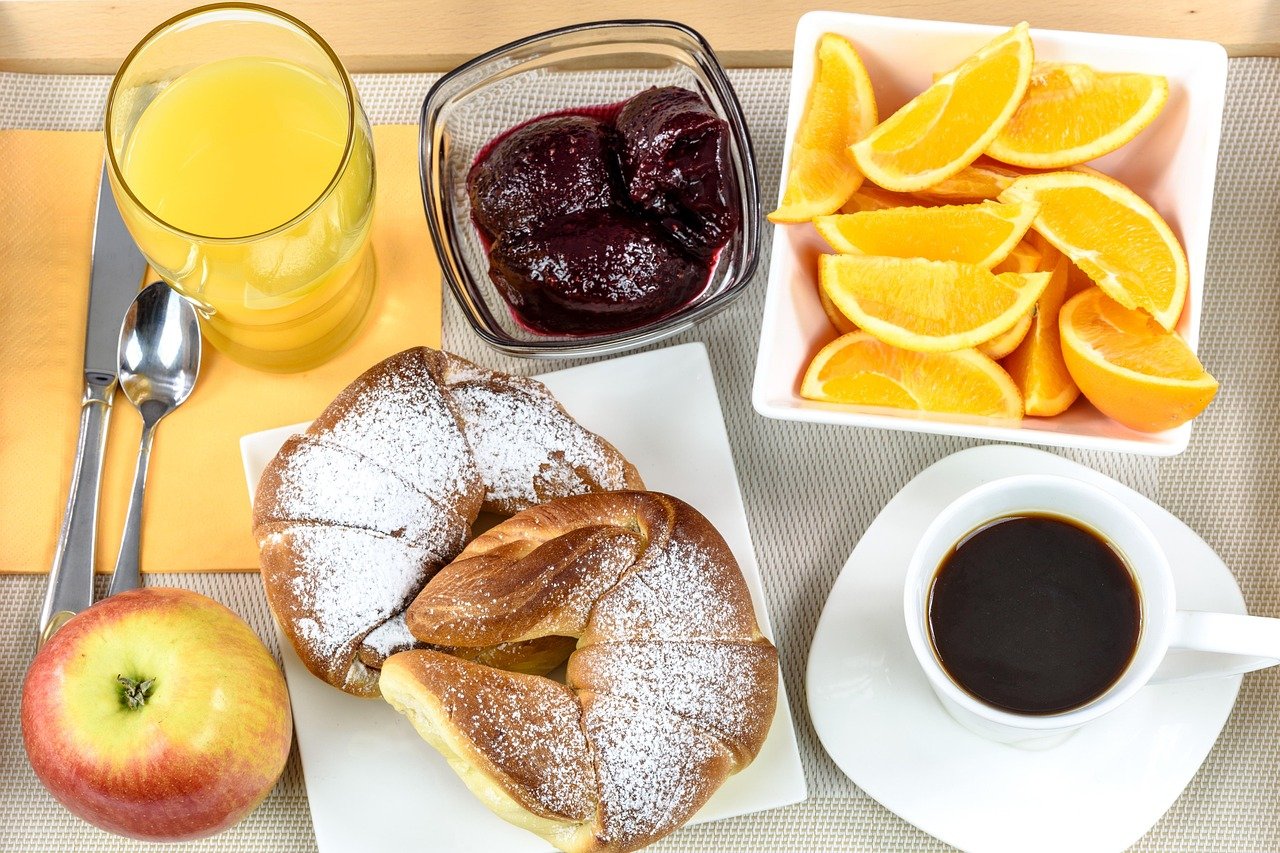
Walk into almost any Paris hotel lobby at 7:30 a.m. and you will smell it: warm croissants, coffee, maybe a tray of scrambled eggs under a heat lamp. Then you see the sign. Twenty-two euros per person. Twenty-two. For bread and coffee. The question that follows is one nearly every traveler asks at some point: should you pay for the hotel breakfast, or walk out the door and find a café?
The honest answer is that it depends on three things: what you are paying, what you are getting, and how much your morning time is worth. This guide breaks down the real trade-offs so you can decide in about two minutes instead of debating it over your suitcase.
What a Paris Hotel Breakfast Usually Includes
French hotel breakfast generally falls into one of two formats. The classic continental spread means bread, butter, jam, a viennoiserie or two, yogurt, fruit, and coffee or tea. The buffet version adds cheese, cold cuts, cereal, and sometimes hot items like eggs and sausage, mostly at larger or international-chain properties.
Hot food is less standard than many visitors expect. A three-star independent hotel may serve only bread, jam, and coffee, while a four-star or international brand will lay out a full buffet. Star rating is a rough guide, not a guarantee. The only reliable way to know is to check the hotel’s own description before booking.
Expect the price to land somewhere between roughly 15 and 35 euros per person at mid-range and upscale hotels, and expect it to be separate from the room rate more often than not. That detail matters, because a 25-euro breakfast for two people adds 50 euros a day to a trip without ever appearing in the booking total.
The Real Cost Comparison
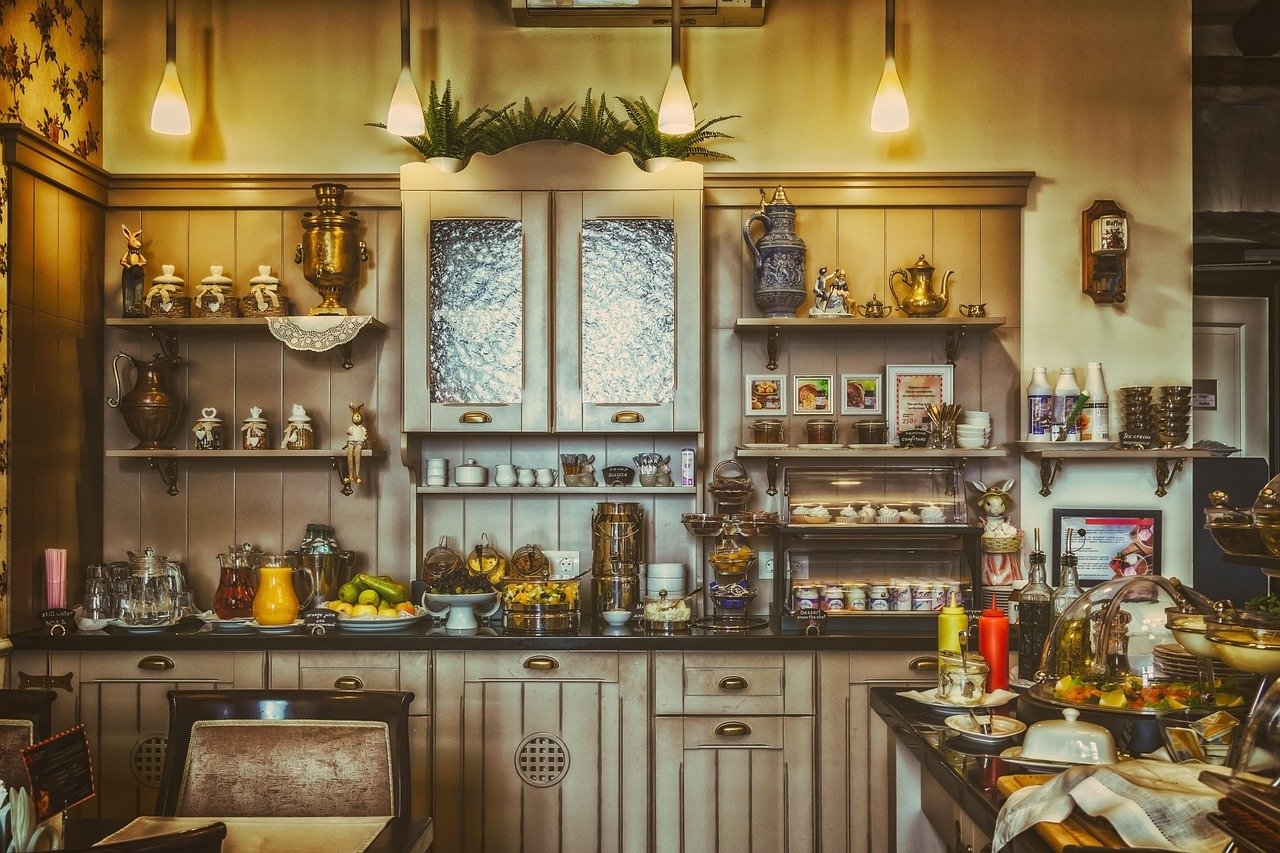
Here is where the argument usually ends. A classic Paris café breakfast, often sold as a formule (a set price for a croissant, juice, and coffee), usually costs a fraction of a hotel buffet. Prices vary by neighborhood, but the gap is wide enough that the comparison is rarely close.
| Option | Typical Cost Per Person | What You Get | Time Cost |
|---|---|---|---|
| Hotel buffet | Roughly 15 to 35 euros | Bread, pastries, coffee, often cheese, fruit, eggs | Zero travel, eat in the lobby |
| Café formule | Usually single digits to low teens | Croissant or tartine, juice, coffee | 5 to 15 minutes of walking |
| Bakery counter | Often under 10 euros | Pastry and coffee to go | A few minutes, no seating |
| Grocery or market | Lowest of all | Fruit, yogurt, bread, cheese | A short detour |
The math is simple: for a couple staying four nights, choosing the café or bakery route can save well over 100 euros across the trip. That is a nice dinner, a museum pass, or a decent bottle of wine. If budget matters at all, the hotel breakfast is rarely the value choice on price alone.
When the Hotel Breakfast Actually Wins
Price is not the only variable, though, and pretending otherwise would be misleading. There are real situations where paying the premium makes sense.
You have an early departure or a packed schedule
If you are catching a train from Gare du Nord at 8 a.m. or heading to the airport, hunting for an open café adds stress and risk. Hotel breakfast is there, it is predictable, and it will not make you late. For early departures, it is often worth the money purely as insurance.
You are traveling with young children
Kids are unpredictable in the morning. A buffet inside the hotel means no waiting for a table, no navigating a cramped café with a stroller, and no risk of a meltdown in public. Many families find the convenience alone justifies the cost.
Your hotel is outside the tourist core
In a residential neighborhood, the nearest café may be a ten-minute walk and may not open until 8 a.m. In that case, the hotel breakfast is less of a splurge and more of a logistical solution. Check what is actually around your hotel before deciding.
Breakfast is bundled into the room rate
This is the most important point in the entire article. If breakfast is included in your rate, the calculation changes completely. Compare room-rate tiers when booking: sometimes a slightly higher rate with breakfast included is cheaper than the base rate plus breakfast paid at check-in. Always check both.
Common Mistakes Travelers Make
A few patterns show up again and again, and avoiding them saves both money and disappointment.
Assuming breakfast is included. In much of the world, budget and mid-range hotels bundle breakfast automatically. In Paris, it is frequently an add-on. Read the rate details carefully, and if it is unclear, assume it is not included.
Paying at check-in without comparing. Walk-up breakfast prices are sometimes higher than the rate you would have paid when booking the room. If you think you will want it, book it in advance or ask about the rate at reception the night before.
Overestimating how much they will eat. A buffet tempts you to pile a plate high at 7 a.m., but many travelers find they want only coffee and a pastry. Paying 25 euros for a coffee and half a croissant is a poor trade.
Forgetting the terrace surcharge. In Paris cafés, sitting on the terrace often costs more than standing at the bar or sitting inside. If you are comparing prices, compare like with like. A cheap counter coffee and a terrace breakfast are different products.
Not checking café opening hours and closing days. Some neighborhood cafés open later than expected or close on certain days. A quick look the night before prevents a hungry morning walk.
A Practical Way to Decide
Rather than debating in the lobby, use a simple three-step check before you book.
- Check whether breakfast is included in your room rate, and compare the rate with and without it.
- Look at what is within a five-minute walk of the hotel using a map, including bakery and café opening hours.
- Weigh your morning schedule against the price. Early train or flight: lean toward the hotel. Leisurely morning: lean toward the café.
If the hotel breakfast costs more than about 20 euros per person and there is a decent bakery nearby, the café route almost always wins on value. If it is included, or you have an early departure, take it and move on.
Where Hotel Choice Fits In
Breakfast is really a symptom of a bigger decision: which hotel you book. A well-chosen boutique property often does breakfast better than a large chain, and the room itself becomes part of the trip. Travelers weighing that trade-off may find it useful to read about where stay buenos aires boutique hotels are worth booking for a parallel look at how boutique stays justify their premium, or to consider what makes the world’s best design hotels worth the trip when atmosphere matters as much as the pillow.
For city breaks specifically, the same logic applies: the right hotel can make a short trip feel effortless. A guide to planning a cultural weekend in Paris with a two-day itinerary that works shows how morning routines fit into a packed schedule, which is exactly when hotel breakfast earns its keep. And if food is the point of the trip, it is worth reading about the best hotels food lovers choose for a stay worth savoring, since a hotel that takes breakfast seriously usually takes dinner seriously too. (Breakfast: history, composition and cultural variations)
The Quality Question
Even when the price is reasonable, quality varies enormously. A buffet that has sat under warming lamps for an hour is not the same as a hotel that bakes its own pastries each morning. Independent and boutique hotels tend to put more care into breakfast because it is part of their identity. Large chain properties often treat it as a convenience service.
A useful signal is whether the hotel describes its breakfast in detail on its own website. If it mentions a specific bakery, local producers, or a named chef, that usually means someone cares. If the listing says only “buffet breakfast available,” set your expectations accordingly.
It is also fair to treat breakfast as part of the experience rather than purely as fuel. A quiet courtyard, good coffee, and fresh bread can be a genuinely pleasant start to the day. Whether that is worth 25 euros is a personal call, and there is no wrong answer as long as you have done the math.
Conclusion
So, is a Paris hotel breakfast worth it? For most travelers, the answer is: not on price alone, but sometimes on convenience. If breakfast is bundled into your rate, take it. If you have an early train, a flight, or small children, the premium buys real peace of mind. But if you are paying 20 to 35 euros per person and there is a bakery around the corner, you are almost certainly better off spending that money elsewhere and eating like a local. The best approach is to check the rate details before you book, scope out the neighborhood, and decide with your eyes open rather than at 7:30 a.m. with a hungry family and a credit card.
Frequently Asked Questions
Is breakfast usually included in Paris hotel rates?
Often it is not. Many Paris hotels quote room-only rates and charge breakfast separately, especially at mid-range and upscale properties. Always check the rate details before booking, and compare a rate with breakfast included against the base rate plus the walk-up breakfast price.
How much does hotel breakfast cost in Paris?
Prices vary widely, but mid-range and upscale hotels commonly charge somewhere between roughly 15 and 35 euros per person. Budget and chain hotels may charge less. Always confirm the current price directly with the hotel, since rates change with season and demand.
Is it cheaper to eat breakfast at a café instead?
Usually yes. A café formule or a bakery counter breakfast typically costs far less than a hotel buffet. The trade-off is time and convenience: you have to leave the hotel, and cafés may open later or close on certain days.
What is a formule in a Paris café?
A formule is a set-price combination, usually a pastry or tartine plus a hot drink and sometimes juice. It is generally cheaper than ordering the same items separately, which makes it the most economical sit-down café option for most travelers.
Do Paris cafés charge more for terrace seating?
Frequently, yes. Sitting on the terrace often costs more than standing at the counter or sitting inside. When comparing café prices with hotel breakfast, compare the same type of seating so the numbers are fair.
Should I book breakfast in advance or pay at the hotel?
If you know you want it, booking in advance or asking at reception the night before is often cheaper and simpler than deciding at the last minute. If you are unsure, wait and see what is near the hotel before committing.
Beyond these practical points, consider one final factor: your own morning rhythm. Some travelers wake ravenous and want a substantial meal before sightseeing; others are content with coffee and a croissant an hour into the day. Be honest about which type you are. A buffet you barely touch is money wasted, while a leisurely café breakfast you genuinely enjoy is money well spent. Match the choice to your habits, not to what the hotel lobby suggests, and the decision becomes far simpler.