
How to Plan a Cultural Weekend in Paris: 2-Day Itinerary
 Abdul WadoodLast updated
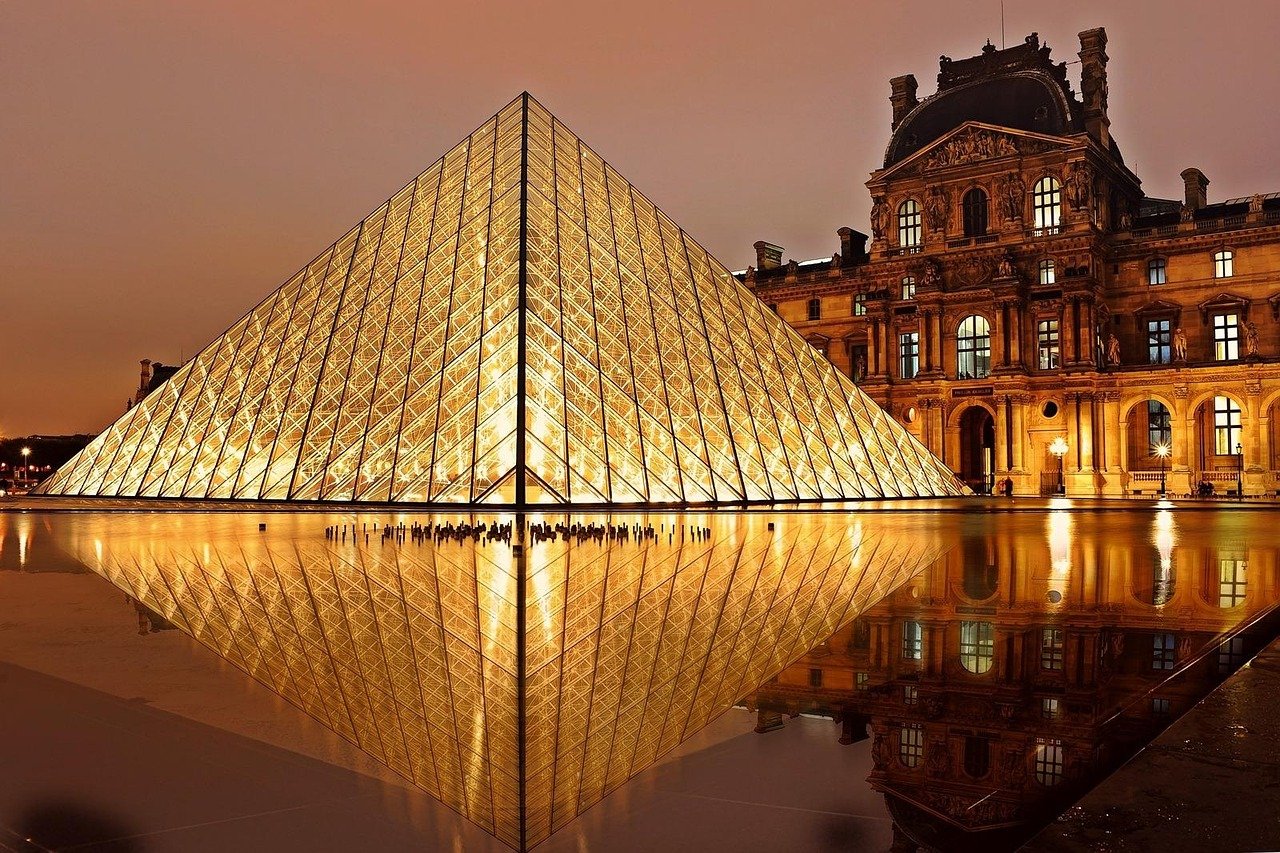
Paris packs roughly 130 museums into about 105 square kilometers. That density is a gift and a trap: with so much within walking distance, first-time visitors routinely overbook themselves and spend the weekend in queues instead of galleries. The fix isn’t seeing less. It’s sequencing better.
This guide walks through a realistic two-day cultural weekend in Paris, from booking priorities and neighborhood logic to the small practical details that separate a smooth trip from a stressful one.
Start With the Booking Calendar, Not the Wish List
Most cultural weekends in Paris fail at the planning stage, not the visiting stage. The single most common mistake is assuming you can decide on the day. At the Louvre and the Musée d’Orsay, timed-entry reservations are required or strongly recommended, and weekend slots disappear weeks in advance. Book directly with each institution rather than through resale platforms, which add fees and sometimes sell slots that don’t exist.
The second mistake is ignoring closure days. Paris museums do not share a schedule, and the pattern trips people up constantly. Here’s the working map:
| Museum | Closed | Late Night | Booking Notes |
|---|---|---|---|
| Musée du Louvre | Tuesdays | Friday evening | Timed entry strongly advised |
| Musée d’Orsay | Mondays | Thursday evening | Timed entry advised |
| Centre Pompidou | Tuesdays | Open until 21:00 most days | Check renovation status before booking |
| Musée de l’Orangerie | Tuesdays | Limited | Small venue, sells out fast |
| Sainte-Chapelle | None | Seasonal | Timed slots recommended |
A Saturday–Sunday trip dodges most closure days, which is one reason weekends are so competitive. If your dates are flexible, a Thursday–Friday pair gives you Orsay’s late night and thinner crowds. And if you’re extending the trip into shopping or people-watching, the city’s fashion calendar is worth checking — the looks captured in Paris Fashion Week coverage often overlap with major cultural dates, and the Milan street style roundups show how European fashion weeks ripple into the city’s mood. (Paris)
Build the Weekend Around Two Anchor Museums Per Day

The instinct is to cram five museums into Saturday. Resist it. A realistic pace is one major anchor plus one smaller site per day, with walking time and a real lunch in between. Museum fatigue is not a myth — attention drops sharply after about ninety minutes of dense gallery viewing.
Saturday: the classics, done properly. Take the Louvre first thing. Arriving at opening rather than mid-morning changes the experience entirely, especially in the Denon wing near the Mona Lisa. Give it three hours maximum, pick two wings in advance, and accept that you will not see everything. After lunch, walk ten minutes to the Musée de l’Orangerie for Monet’s Water Lilies — a small, calm counterpoint that takes about an hour and resets your energy.
Sunday: pick a theme, not a checklist. Options that work well: the Musée d’Orsay for Impressionism, the Musée de Cluny for medieval Paris, or the Marais for smaller museums and streets that are themselves the attraction. The city museum network keeps many permanent collections free, which makes Sunday a good day for a lower-stakes wander.
One scheduling note worth flagging: the Centre Pompidou has been slated for a multi-year renovation closure, so confirm its current status before building a day around it. Substituting the Musée d’Art Moderne de Paris is a reasonable fallback for modern and contemporary work.
Get the Tickets and Passes Right
The Paris Museum Pass covers many major sites across consecutive days and can pay for itself in two full days of heavy museum-going. It is not automatically the cheaper option, though. Small museums, free permanent collections, and days when you only visit one paid site can make the pass a loss. Run the arithmetic against your actual shortlist before buying.
Free-entry schemes are the other area where assumptions backfire. First-Sunday free admission at many national museums and free first-Friday evenings at some institutions have been revised repeatedly over the years. Treat any free-entry claim as provisional and check the institution’s own site the week you travel.
Two more booking rules that save real time:
- Reserve Sainte-Chapelle and the Conciergerie together through the national monuments service; combined tickets exist and the two sites are minutes apart.
- Never buy from a third-party “skip the line” reseller. Timed entry booked directly is the skip-the-line system at most Paris museums.
Choose a Base That Cuts Transit Time
Paris is compact, but the difference between a 12-minute walk and a 35-minute metro ride compounds over a weekend. The most efficient bases for a cultural trip are the 1st, 5th, 6th, and 7th arrondissements — close to the Louvre, Orsay, and the Left Bank cluster.
For transport, the ticket system has been overhauled in recent years, with single fares simplified and older carnet formats changed or retired. Check current fares on the regional transport authority’s site rather than relying on older guides; a multi-day pass only makes sense if you’re crossing the city several times a day, which a well-planned cultural weekend usually avoids.
Practical habits that genuinely help:
- Book the first slot of the day at your anchor museum, then plan nothing before it.
- Carry a light layer. Stone buildings and air conditioning both run cold, and Paris weather shifts fast.
- Eat lunch away from museum cafés. A ten-minute walk usually means better food and a genuine break.
- Keep one afternoon completely unplanned. It’s the buffer that absorbs a delayed train, a closed gallery, or a discovery worth lingering over.
Add One Non-Museum Experience Per Day
A cultural weekend that is only museums gets flat by Sunday afternoon. Paris rewards mixing formats: a concert in a church, a walking tour of a single arrondissement, a market, or an evening at the opera or a smaller theater.
Architecture is the easiest add-on because it’s free and everywhere. Sainte-Chapelle’s stained glass takes under an hour and outperforms most paid attractions. A walk through the Marais or along the Seine at dusk costs nothing and often becomes the memory people keep. If your interests lean toward design and style rather than fine art, the seasonal fashion week look roundups are a useful way to time a visit around the city’s most visually charged weeks.
For travelers who want to fold in something entirely different, a short detour into automotive design or a classic car exhibition can break up the museum rhythm nicely — the Voozon cars section covers reviews and comparisons if you’re planning a driving leg before or after Paris. And if the weekend turns into a longer stay with a personal-appointment booking on the calendar, this guide to what a hair transplant procedure actually involves is the kind of practical planning reading that pairs well with a multi-day city trip.
Budget Realistically
A cultural weekend in Paris is not cheap, but the costs are predictable. Expect museum entry in the mid-teens to low-twenties of euros per major site, with smaller museums well below that. The pass changes the math only if you’re visiting three or more paid sites on consecutive days.
Where budgets quietly blow up: taxis during rain, museum café lunches, and last-minute ticket resale. Where they quietly save: free permanent collections, picnic lunches from a bakery, and walking. A two-day cultural itinerary with two paid anchors per day, one paid evening event, and everything else free or cheap is entirely achievable.
A Sample Two-Day Structure
Saturday
- 9:00 — Louvre, pre-booked opening slot, two wings only.
- 12:30 — Lunch in the 1st or 2nd arrondissement, away from the museum.
- 14:30 — Musée de l’Orangerie for the Water Lilies.
- 16:30 — Walk the Tuileries toward the river; no fixed plan.
- Evening — Concert or a long dinner; skip a third museum.
Sunday
- 9:30 — Musée d’Orsay, Impressionist floors first.
- 12:00 — Cross to the Left Bank, market lunch.
- 14:00 — Sainte-Chapelle or the Cluny, depending on mood.
- 16:00 — Marais wander or a gallery cluster.
- Evening — Early train home or one final walk along the Seine.
Notice what’s missing: the Eiffel Tower, Versailles, and any attempt at completeness. Those belong to a longer trip. A weekend rewards depth over coverage.
Common Mistakes Worth Avoiding
The pattern behind most disappointing cultural weekends is consistent. People book too much, schedule back-to-back timed entries, and forget that the space between museums is part of the experience. Others rely on outdated opening hours or free-entry policies and arrive to a closed door or a sold-out desk.
The fix is unglamorous: confirm hours on official sites the day before, book anchors in advance, and leave slack. Paris is a walking city, and the best moments usually happen in the gaps you deliberately left open. (Official City of Paris website)
Conclusion
A well-planned cultural weekend in Paris is less about ambition and more about sequencing. Two anchor museums per day, booked directly and early. One smaller site or free collection as a counterweight. A base within walking distance of the Left Bank or the Louvre. And at least one unplanned afternoon to absorb whatever the city offers that day.
Get those four things right and the weekend stops feeling like a checklist. The museums are extraordinary, but the trip works because of the rhythm between them — the walk along the river, the bakery lunch, the hour you didn’t schedule. Plan the anchors, protect the gaps, and the weekend takes care of itself.
Frequently Asked Questions
How many museums can you realistically visit in a weekend in Paris?
Two to three per day is the practical ceiling, and two is better. Attention drops sharply after about ninety minutes of dense gallery viewing, so a major anchor plus one smaller site per day produces better recall and far less exhaustion than racing through five.
Do you need to book Paris museums in advance?
At the Louvre, the Musée d’Orsay, and Sainte-Chapelle, timed-entry reservations are required or strongly recommended, and weekend slots sell out weeks ahead. Book directly with each institution. Third-party resellers add fees and occasionally sell invalid slots.
Which day of the week is best for a cultural weekend in Paris?
Saturday and Sunday avoid most closure days, since the Louvre and Pompidou close Tuesdays and the Orsay closes Mondays. However, weekends are the busiest. A Thursday–Friday pair gives you the Orsay’s late night and noticeably thinner crowds.
Is the Paris Museum Pass worth buying?
Only if you’re visiting three or more paid sites on consecutive days. Small museums, free permanent collections, and single-site days can make the pass a loss. Do the arithmetic against your actual shortlist before purchasing.
What should you do if a museum is closed unexpectedly?
Keep one flexible afternoon in your plan as a buffer. Substitute a nearby free collection, the city museum network, or an architecture walk. Strikes and seasonal closures are common enough that a backup option is not paranoia — it’s basic planning.
How far in advance should you plan a cultural weekend in Paris?
Book anchor museums three to six weeks ahead for weekend dates, and accommodation earlier if you’re traveling in peak season. Confirm opening hours and any free-entry policies on official sites the day before you travel, since both change more often than most guides admit.
One last refinement: build the weekend around two fixed anchors and nothing else. Decide which two museums matter most, book those slots first, and let every other choice — the smaller site, the market, the concert, the long lunch — fill the space around them. This single habit prevents the over-scheduling that sinks most short trips. It also keeps the plan resilient: if a strike closes one anchor, the other still stands, and the flexible afternoon absorbs the change without derailing the weekend. Cultural travel in Paris rewards restraint more than ambition.