
How to Pack a Capsule Wardrobe for Two Weeks (2026 Guide)
 Abdul WadoodLast updated
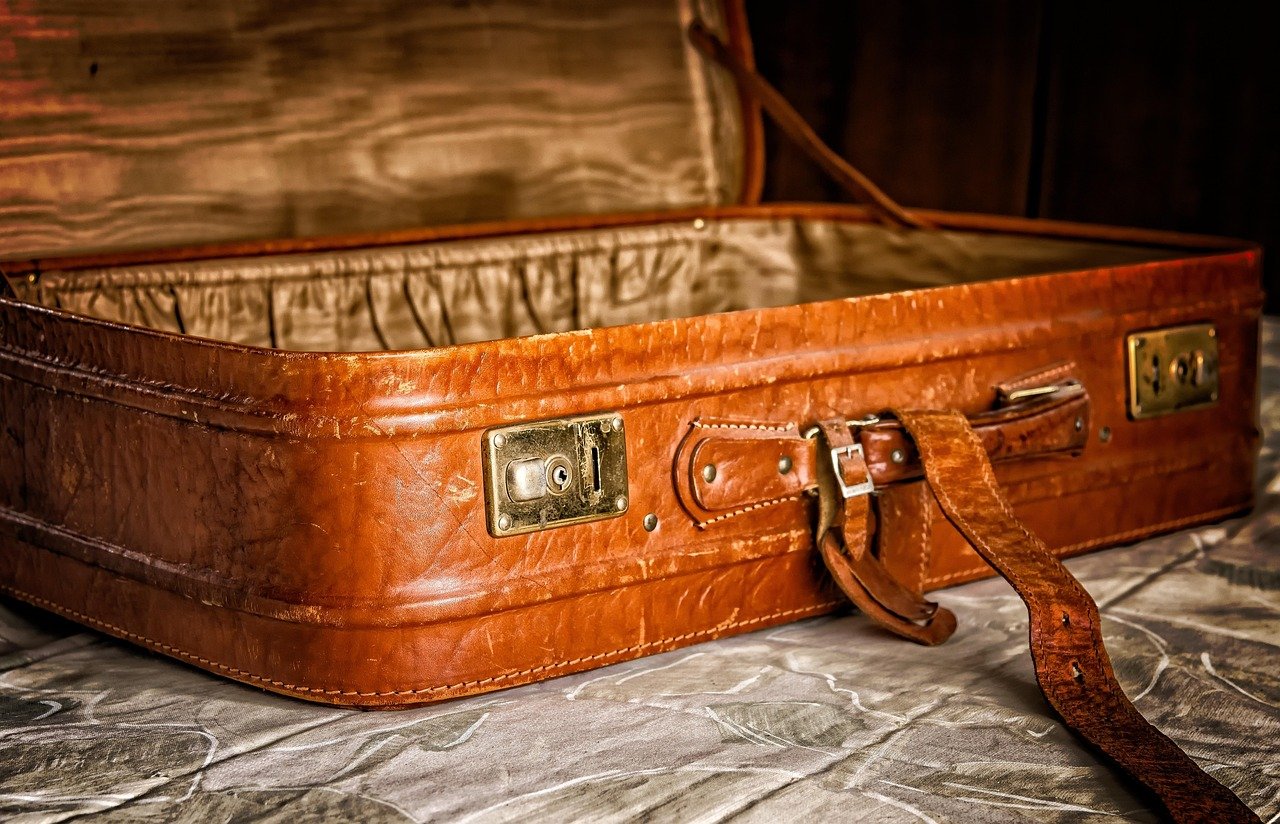
A carry-on bag holds roughly 40 liters. A two-week trip, packed the traditional way, needs about double that. The gap between those two numbers is where the capsule wardrobe lives, and closing it is less about discipline than about arithmetic: a small set of clothes that all work together simply produces more outfits than a large set that doesn’t. Most travelers pack for the trip they fear (weather swings, dress codes, spills) rather than the trip they booked. A capsule flips that habit. It replaces “what if” packing with a small, deliberate system that fits in one bag and still covers two weeks of real life.
What a Capsule Wardrobe Actually Is
A capsule wardrobe is a small collection of clothing chosen so that every piece works with most of the others. The term traces back to Susie Faux, a London boutique owner in the 1970s, and was later popularized by designer Donna Karan’s “Seven Easy Pieces” concept. The modern travel version usually lands somewhere between 20 and 35 items for a season, a convention among style writers rather than an official standard.
For a two-week trip, the practical target is tighter: 12 to 16 garments, plus shoes and outerwear. That sounds austere until the math kicks in. Twelve tops-and-bottoms that all coordinate produce dozens of combinations. Twelve random pieces that don’t coordinate produce four or five, and half of them look wrong.
The core idea is interchangeability. Every top should work with every bottom. Every layer should work over every top. When that rule holds, the wardrobe stops being a pile of clothes and starts behaving like a system.
Start With the Trip, Not the Closet
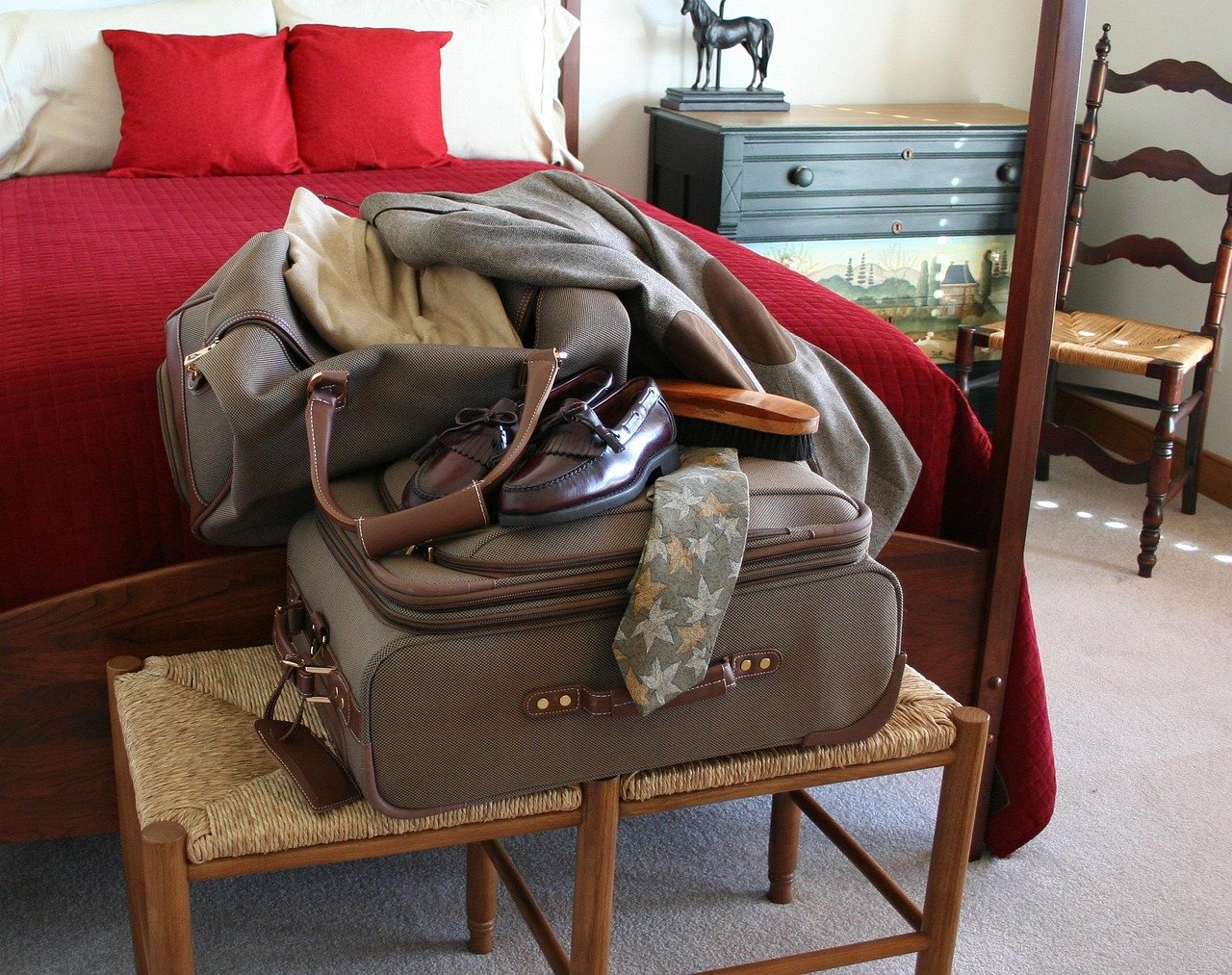
Before touching a suitcase, sketch the two weeks in plain terms. This step takes fifteen minutes and saves hours of second-guessing later.
Write down three things: the weather range you’ll actually face, the dress codes you’ll actually encounter, and the laundry access you’ll actually have. Be honest on all three. A “beach trip” with two business dinners is a different packing problem than a beach trip with none.
| Trip type | Weather range | Laundry access | Capsule size |
|---|---|---|---|
| City break, one climate | Narrow | Hotel service mid-trip | 10–12 pieces |
| Mixed business and leisure | Moderate | One laundromat visit | 12–14 pieces |
| Multi-climate travel | Wide | None | 14–16 pieces, heavy layering |
| Beach plus evenings out | Warm | Hotel sink washing | 10–12 pieces, two dressier tops |
Laundry is the single biggest variable. Two weeks without washing means packing closer to sixteen pieces. One mid-trip wash, whether a hotel service or a coin laundromat, cuts that number by a third. Plan the wash into the itinerary rather than hoping to avoid it. Travelers who schedule a laundry afternoon on day seven routinely pack lighter than those who don’t.
Build a Color Palette With Two Neutrals and One Accent
Pick two neutral bases (think navy and grey, or black and beige) and one accent color. Every garment must belong to that palette. This is the rule that makes the arithmetic work: if everything shares a palette, everything matches, and you stop packing “backup” outfits for the pieces that clash.
A common mistake is choosing neutrals that photograph well but show stains. Cream and light grey look elegant in a flat lay and look tired by day four. Darker neutrals hide travel grime better, which matters more on a two-week trip than on a weekend one.
Choose Fabrics That Survive Two Weeks
Fabric choice does more for a two-week capsule than garment count. The right fabrics resist wrinkles, dry overnight, and don’t hold odor. The wrong ones need ironing, which most hotel rooms make difficult and most itineraries don’t schedule.
Merino wool is the workhorse. It regulates temperature, resists odor, and drapes well enough for dinners. Technical synthetics dry fast and pack small, though they can hold smells if worn repeatedly. Cotton is comfortable but wrinkles and dries slowly. Linen breathes beautifully and wrinkles instantly, which is fine for a beach and frustrating for a business trip.
A practical shortcut: hold a garment in your fist for ten seconds, release it, and watch what happens. If the creases fall out on their own, it travels well. If they stay, it will need ironing on the road.
For a broader look at building a wardrobe around fewer, better pieces, the principles behind a timeless wardrobe apply almost directly to travel packing. Both rely on a tight palette and pieces that work in multiple contexts. (Capsule wardrobe)
The Core Packing List
This list assumes a temperate trip with one laundry session. Adjust the counts, not the structure.
- Three tops in the base palette, at least one long-sleeved for layering.
- Two bottoms: one pair of trousers or jeans, one skirt or second pair with a different silhouette.
- One dress or one additional bottom, whichever fits the itinerary better.
- Two layers: a knit sweater and a light jacket or blazer.
- One outer layer suited to the coldest day you’ll realistically face.
- Two pairs of shoes: one walking shoe, one dressier option. Wear the bulkiest pair in transit.
- Underwear and socks for seven days, washed at the midpoint.
- One scarf or accessory in the accent color to change the look of repeated outfits.
That’s roughly fourteen garments plus shoes. It fits a carry-on with room for toiletries if you pack with intention.
Packing Method: Roll, Fold, or Compress
Rolling works best for knits and casual wear. Folding flat works best for structured pieces like blazers, which should go in last, on top, folded along their natural seams. Compression cubes help with bulky items but tempt overpacking, because they let you fit more than you planned. Use them for laundry and shoes, not for clothes you haven’t counted.
One underrated trick: pack outfits, not items. Lay out seven complete combinations on the bed before anything goes in the bag, photograph them, and pack the pieces those outfits require. Anything left on the bed is a piece you talked yourself into but didn’t plan to wear.
What to Leave Behind
The hardest part of capsule packing is subtraction. A few categories cause most of the trouble.
“Just in case” items. The formal outfit for a dinner that might happen, the hiking boots for a walk that probably won’t. If a garment has no confirmed slot in the itinerary, it stays home.
Duplicate silhouettes. Three black tops are one top with extra weight. Variety should come from silhouette and layer, not from near-identical repeats.
Bulky toiletries. Liquids in the US must be 3.4 ounces (100 ml) or less and fit in a single quart-sized bag, a rule enforced by the Transportation Security Administration. Buy shampoo and sunscreen at the destination rather than packing full sizes.
Shoes beyond two pairs. Shoes are the heaviest items per unit of usefulness. A third pair rarely earns its space.
Travelers who study how stylists edit looks for fashion weeks tend to notice the same discipline at work: a few strong pieces, repeated with intent. The Milan Fashion Week street style coverage shows how much variety a tight palette can generate, and the same logic scales down to a carry-on.
Laundry Strategy for Two Weeks
A two-week capsule assumes one wash. Make it deliberate.
- Schedule it on day six or seven, when energy is high and the trip still has momentum.
- Pack a small bottle of travel detergent or buy a laundry sheet at a local shop.
- Wash the base layers first, since they touch skin and hold odor fastest. Outer layers can go a second week without washing.
- Hang to dry overnight. Merino and synthetics are usually dry by morning. Cotton often isn’t.
Hotel laundry services are convenient but expensive, sometimes costing more than a meal. A self-service laundromat takes about ninety minutes and costs a fraction. Either works; what matters is deciding which before departure, so the packing math reflects reality. (TSA: What Can I Bring?)
Common Mistakes That Undo a Good Capsule
Even well-planned capsules fail in predictable ways. Watch for these.
Packing for the brochure, not the itinerary. The trip’s fantasy version (cocktails every night, perfect weather) rarely matches the actual days. Pack for the schedule you booked.
Ignoring the return trip. Souvenirs take space. Leave a quarter of the bag empty on the way out, or pack a foldable tote for the return.
Skipping the try-on. Every garment should be tried on before it goes in the bag. A piece that fit last year may not fit now, and discovering that on day three wastes a slot.
Over-planning accessories. One scarf in the accent color does more than five pieces of jewelry. Keep accessories to two or three items that work with everything.
Forgetting the weather floor. Pack for the coldest plausible day, not the average. A light packable layer costs little space and prevents a miserable evening.
Those who follow fashion week closely see the same lesson in how editors dress across a week of shows: a handful of pieces, repeated with small variations, photographed hundreds of times. The Paris Fashion Week looks and the broader fashion week roundup both show repetition as a strength rather than a compromise.
Adapting the Capsule to Different Trips
The structure holds across trip types; the counts shift.
Business travel adds one blazer and swaps a casual bottom for tailored trousers. The blazer does double duty over a t-shirt in the evening.
Cold-weather trips replace a light layer with a proper coat and add thermal base layers, which are thin and wash easily. The capsule grows by two pieces, not five.
Warm-weather trips shrink to ten pieces. Linen and lightweight cotton dominate, and the laundry cadence tightens to every four days because sweat soils fabric faster.
Mixed itineraries are the hardest. The trick is choosing pieces that read both casual and smart: dark trousers, a fine-knit sweater, clean sneakers. A single dressier top covers the one formal dinner without dragging along a full second wardrobe.
Conclusion
Packing a capsule wardrobe for two weeks is an exercise in honest planning rather than deprivation. The travelers who succeed aren’t the ones with the strongest willpower; they’re the ones who counted their laundry days, picked two neutrals and one accent, and refused to pack for a trip they hadn’t booked. Twelve to sixteen coordinated pieces, chosen for the actual weather and the actual schedule, will out-dress a stuffed suitcase every time. The bag gets lighter, the mornings get faster, and the trip gets better.
Frequently Asked Questions
How many items should a two-week capsule wardrobe include?
Most travelers do well with 12 to 16 garments plus two pairs of shoes, assuming one laundry session mid-trip. Without laundry access, add three or four pieces. The exact number matters less than whether every piece works with the others.
Can a two-week capsule really fit in a carry-on?
Yes, for most temperate trips. A 40-liter carry-on holds 14 garments comfortably when they’re rolled or folded flat and shoes are limited to two pairs. Cold-weather trips with a heavy coat are the main exception; wear the coat in transit rather than packing it.
How often should I plan to do laundry on a two-week trip?
Once, around day six or seven. Base layers need washing most often because they touch skin. Outer layers like sweaters and blazers can usually go the full two weeks without a wash if they’re aired out overnight.
What colors work best for a travel capsule?
Two neutrals plus one accent is the most reliable formula. Navy, grey, black, and beige are common bases because they hide stains and coordinate easily. The accent color adds variety through a scarf, a top, or a small accessory rather than a whole garment category.
Do I need different shoes for different outfits?
Two pairs cover almost every trip: one comfortable walking shoe and one dressier option. Wear the bulkier pair while traveling to save space. A third pair is rarely worth the weight unless the itinerary includes a specific activity like hiking.
What’s the biggest mistake people make when packing a capsule?
Packing for a hypothetical version of the trip. The formal dinner that might happen, the cold snap that probably won’t. Every item should have a confirmed slot in the itinerary. If it doesn’t, it stays home, and the bag stays light.