
Luxury Coffee Table: Materials, Craft & Real Value
 Abdul WadoodLast updated
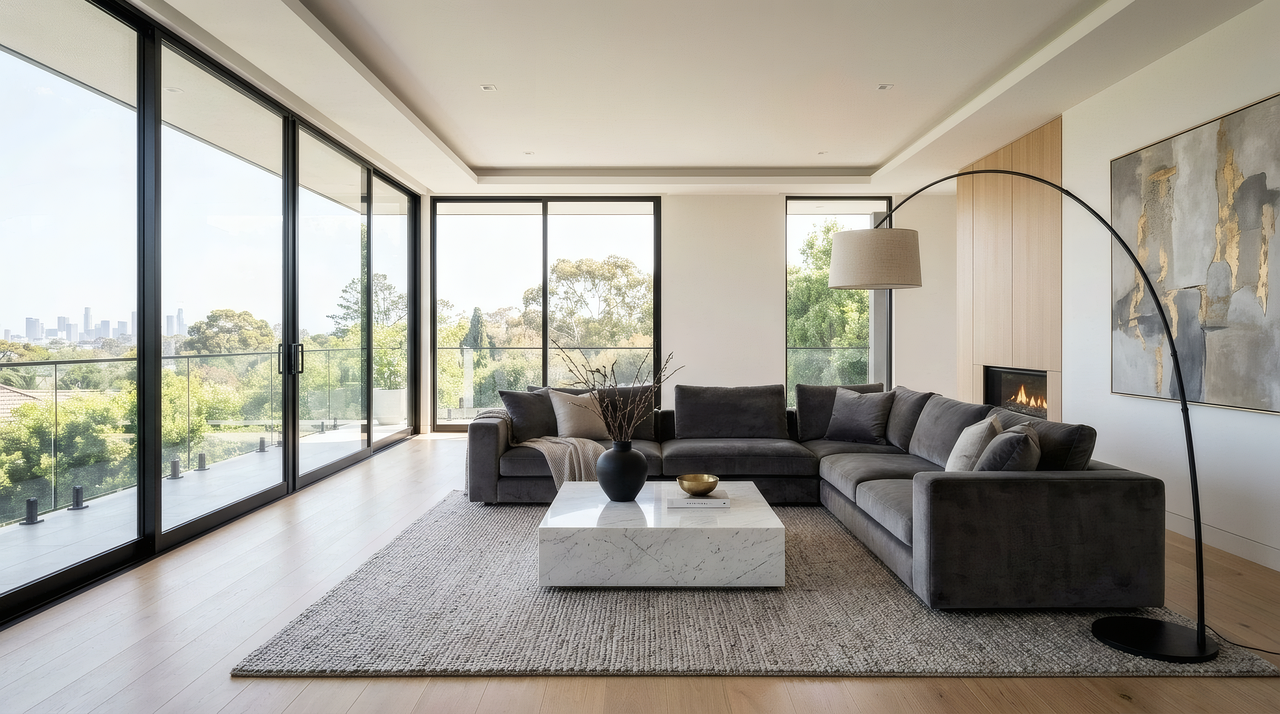
What separates a luxury coffee table from an expensive one? The price tag is the easy answer, and the least useful one. A table can cost five figures and still be a veneered box with a famous name stamped on the underside. Another can cost a fraction of that and be built so well it outlives the sofa, the rug, and probably the room itself. The difference comes down to materials, joinery, proportion, and provenance — four things a buyer can actually inspect, question, and judge.
This guide is about how to do that judging. It covers the materials that genuinely justify a premium, the construction details worth asking about, the sizing rules that keep a beautiful table from ruining a room, and the sustainability and health questions that serious buyers now ask before signing off on a purchase.
What “Luxury” Actually Means in Coffee Tables
There is no industry standard that defines a luxury coffee table. The label is a retail and marketing category, not a technical one. It usually signals a combination of price tier, designer attribution, premium materials, and provenance — but no certifying body polices the word, which means it does a lot of heavy lifting in showrooms and very little in the workshop.
That matters because it puts the burden on the buyer. Instead of asking “is this a luxury table?”, the more productive question is “what is this table made of, how is it put together, and who made it?” Those three answers tell you more than any adjective on a hang tag.
It also helps to know what the category is not. A coffee table is a relatively young furniture type, generally tied to the rise of the living-room sofa and the ritual of serving tea and coffee at a low surface. Furniture historians disagree on the exact origin, so treat any confident single-origin claim with suspicion. What is clear is that the form evolved as a social object — something placed in the middle of a seating group to be used rather than only admired. The best luxury examples never forget that.
Materials: Where the Money Should Go
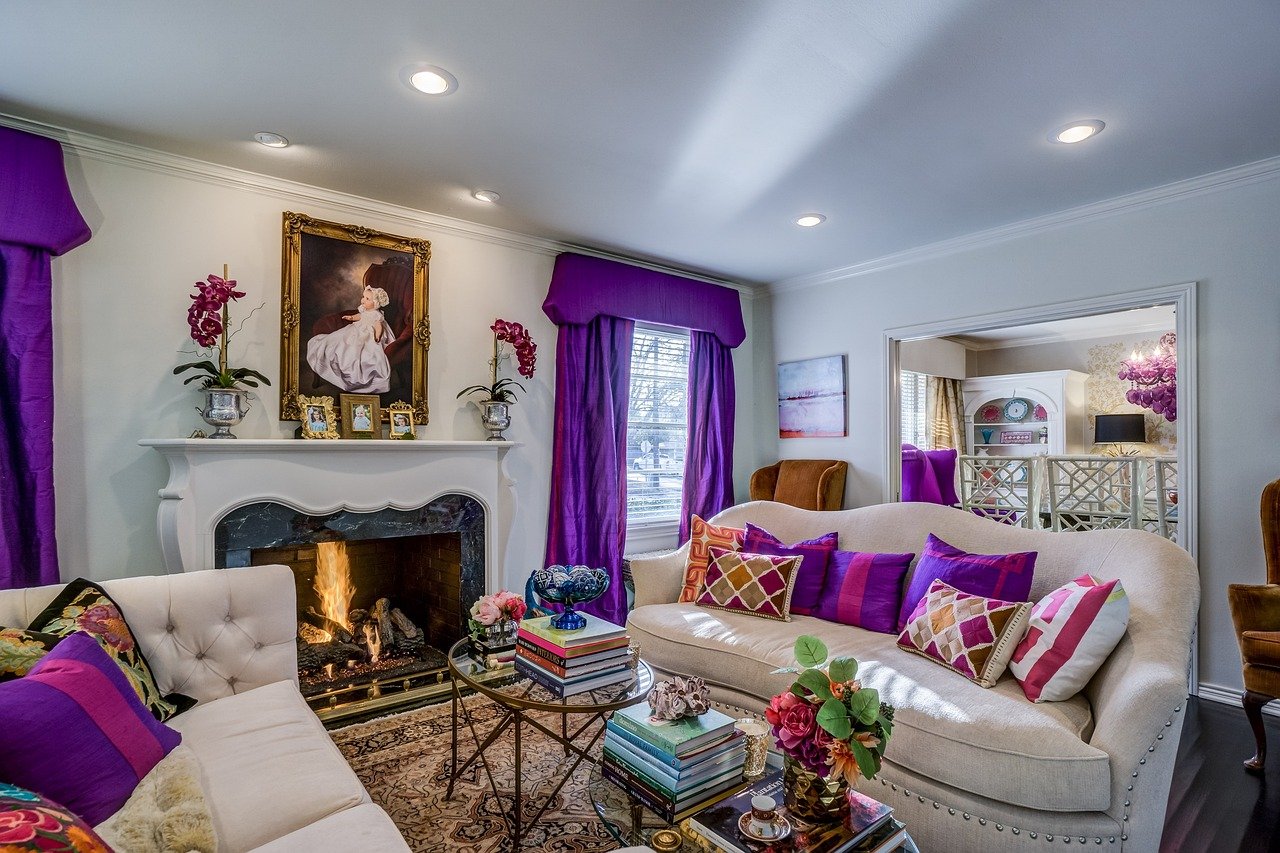
Most of a luxury table’s cost sits in its top. That is where hands rest, cups land, and light reflects, and it is where cheap shortcuts show up first.
Solid hardwood versus veneer
Solid wood means the top is cut from a single thickness of timber. Veneer means a thin slice of good-looking wood glued over a core of plywood, particleboard, or MDF. Veneer is not a dirty word — high-quality veneered furniture can be stable, beautiful, and responsibly made, since it uses scarce timber efficiently. The problem is when veneer is sold as solid wood, or when a veneered top is priced like a solid one. Look at the edges: end grain that matches the face suggests solid; a thin line of different material suggests veneer.
Stone and engineered surfaces
Marble is natural stone, quarried and cut, with veining that runs through the slab. Engineered quartz is a composite of crushed stone and resin. Both can be premium; they behave differently. Natural marble is porous and can etch when acid (wine, citrus, vinegar) sits on it. Quartz is more uniform and less absorbent but can be sensitive to heat. Neither is “better” in the abstract — but a seller who cannot tell you which one you are looking at is a seller to walk away from.
Metal, glass, and mixed construction
Brass, bronze, and steel frames are common in designer pieces. The detail to check is the finish: solid brass patinates and can be re-polished, while brass-plated steel eventually reveals its core. Glass tops should be tempered, and the edge should be polished rather than sharp.
| Material | What to check | Typical weakness |
|---|---|---|
| Solid hardwood | End grain at edges, grain continuity | Can crack if humidity swings wildly |
| Veneer over engineered core | Quality of the edge banding, core density | Lifting or chipping at edges |
| Natural marble | Sealing, veining continuity, thickness | Etching and staining |
| Engineered quartz | Heat resistance, brand of slab | Heat marks from hot cups |
| Solid brass | Whether it is solid or plated | Plating wear on high-touch edges |
| Tempered glass | Edge polish, thickness, marking | Chips at corners |
If leather appears anywhere on the piece — a wrapped top, a stitched edge — the tanning method matters for how it ages and how it smells. The difference between vegetable-tanned and chrome-tanned leather is explained in this comparison of luxury leather tanned vegetable vs chrome methods, and it is worth five minutes before you pay a leather premium.
Construction and Craft Details Worth Inspecting
A luxury table should feel inert. Push it sideways; it should not rack or wobble. Lift one corner slightly; it should not creak. These are crude tests, but they expose the difference between joinery and glue-and-hope.
Look underneath. A finished underside — sanded, sealed, with neatly set fasteners — is a reliable sign that the maker cared about the parts you do not see. Rough, splintery undersides usually mean the visible surfaces got all the attention.
Ask how the top is attached. Wood moves with humidity, and a top bolted rigidly to a frame will eventually crack or cup. Good makers use slotted holes, clips, or buttons that let the top expand and contract. It is a small detail that separates furniture built to last from furniture built to ship.
Finally, check the finish by touch. A hand-rubbed oil finish feels like wood; a thick factory lacquer feels like plastic. Both have merits, but oil finishes can be repaired locally, while a deep lacquer damage often means refinishing the whole top.
Proportion and Fit: The Rules That Actually Matter
A beautiful table in the wrong size ruins a room faster than a mediocre one in the right size. There is no formal standard for coffee table height, but the working design guideline is roughly 40 to 45 cm (16 to 18 inches) — level with, or slightly below, the sofa seat. Higher than the seat and the table starts to feel like a barrier; much lower and it becomes awkward to reach.
Length is a matter of relationship. A common rule of thumb is that the table should run about two-thirds the length of the sofa it serves, leaving 40 to 45 cm of walking space on all sides. In small rooms, a pair of smaller tables often beats one large one, because they can be rearranged and they break up the visual mass.
Shape follows circulation. Rectangular tables suit long, symmetrical seating. Round and oval tables soften tight rooms and remove sharp corners from the walking path. Organic, irregular shapes photograph beautifully but demand more floor space than their dimensions suggest.
One practical tip from staging: mask the footprint on the floor with painter’s tape before buying. It takes two minutes and prevents the most common and most expensive mistake in the category.
Provenance, Designers, and What Auctions Tell You
Designer attribution is one of the few objective, checkable claims in the luxury furniture market. When a table is by a known architect or designer, its value is partly documented by auction results, which are the most citable price evidence available to a buyer. Auction houses publish realized prices, and past results for a specific model give you a reference point that no showroom can argue with.
That cuts both ways. Attribution adds value only when it is real, documented, and attached to an original piece rather than a later reproduction. If a seller claims a designer name, ask for documentation: original receipts, catalog references, production marks, or a provenance file. A licensed reissue can be excellent furniture and still be worth a fraction of an original.
For buyers who collect across categories, the same logic applies to books and objects displayed on the table itself. A considered stack of volumes is part of the composition, and a practical buying guide to art coffee table books covers how to choose them without turning the surface into clutter. (Coffee table)
Sustainability, Health, and the Questions to Ask
Premium furniture marketing leans hard on sustainability claims, and some are more verifiable than others. Forest certification schemes such as FSC and PEFC are independent, third-party programs rather than government standards, so a certificate number should be traceable to a specific supply chain. Ask for it.
Indoor air quality is the other underrated issue. Finishes, adhesives, and composite wood cores can emit volatile organic compounds (VOCs), and formaldehyde in composite wood products is regulated in the United States under TSCA Title VI. If a table has a strong chemical smell weeks after delivery, that is information. Low-emission adhesives and water-based finishes are worth asking about directly.
There is also a broader buying philosophy at work here. The most durable route to a good table is the one described in this guide to conscious luxury and buying better rather than more — fewer pieces, chosen slowly, kept for decades. A coffee table is a good place to practice that, because it is used every single day.
Common Mistakes Buyers Make
The same errors show up again and again in this category.
- Buying the top and ignoring the base. A stunning marble slab on a wobbly frame is a bad table with good lighting.
- Skipping the tape test. Rooms look bigger empty. Measure the footprint, then measure it again with the sofa in place.
- Confusing weight with quality. Heavy can mean dense hardwood, or it can mean a stone slab glued to particleboard. Weight alone proves nothing.
- Accepting “marble” without asking which stone. Natural and engineered surfaces need different care and deserve different prices.
- Paying for a name with no paperwork. Attribution without documentation is a story, not a premium.
- Ignoring the finish. The finish determines whether the table looks better or worse in ten years, and it is the hardest thing to change later.
How to Judge Value Before You Pay
A simple sequence works for almost any table, at any price.
- Ask what the top is made of, in specific terms, and ask to see the edge.
- Look underneath for finish quality and sensible fastening.
- Push and lift to test rigidity.
- Measure height against your sofa seat and tape the footprint on the floor.
- Request documentation for any designer or sustainability claim.
- Ask how the finish is maintained and whether it can be repaired locally.
A table that survives all six questions is worth its price, whatever the price happens to be. One that fails two or three is being sold on atmosphere.
Conclusion
Luxury in a coffee table is not a label — it is a set of decisions a maker either got right or did not. Solid materials, honest construction, sensible proportions, documented provenance, and finishes that can be maintained: those are the things you are actually buying. The word on the showroom card is just the beginning of the conversation, and the buyer who knows what to inspect holds most of the power in it. Choose slowly, ask directly, and buy the table you will still want to put a cup on in twenty years.
Frequently Asked Questions
What is the ideal height for a luxury coffee table?
The working guideline is 40 to 45 cm (16 to 18 inches), roughly level with or slightly below the sofa seat. This is a design convention rather than a formal standard, so treat it as a starting point and always check it against your own sofa.
Is solid wood always better than veneer?
No. High-quality veneer over a stable engineered core can be excellent furniture and uses scarce timber efficiently. The problem is misrepresentation — veneer sold and priced as solid wood. Check the edges and ask directly.
How can I tell natural marble from engineered quartz?
Natural marble has veining that runs through the slab and is porous, so it can etch when acid sits on it. Engineered quartz is a composite of crushed stone and resin, more uniform and less absorbent. A seller should be able to tell you which one you are looking at without hesitation.
Do designer names really add value to a coffee table?
They can, but only when the attribution is documented. Auction results for a specific model give you a checkable reference point, while an undocumented claim is just a story. Ask for receipts, catalog references, or production marks.
What should I check on the underside of a table?
Look for a sanded, sealed surface and neatly set fasteners. Also check how the top is attached — slotted holes, clips, or buttons that allow wood to move with humidity are signs of proper construction.
Are sustainability claims on luxury furniture verifiable?
Some are. Forest certification schemes such as FSC and PEFC are independent, third-party programs, so a certificate number should be traceable to a specific supply chain. Ask for the number and check it rather than accepting a logo on a brochure.