
How Luxury Leather Is Tanned: Vegetable vs Chrome
 Abdul WadoodLast updated

Quick Answer: How luxury leather is tanned?
Luxury leather is tanned by stabilizing raw animal hides so they resist rot, stay flexible, and age well, most often through vegetable tanning with plant tannins or chrome tanning with chromium salts. Vegetable tanning takes weeks and produces firm, patina-rich leather, while chrome tanning takes hours and yields soft, uniform hides. (Tanning (leather)))
Some houses also use chrome-free or “wet-white” processes built on glutaraldehyde and synthetic tannins, which sit between the two classics in feel and cost. Tanning is only one stage; dyeing, fatliquoring, and finishing shape the final hand-feel just as much.
Before judging a piece, compare the tanning method, the tannery’s certification, finishing quality, thickness, origin, and care requirements.
Why Tanning Decides Whether Leather Feels Luxurious
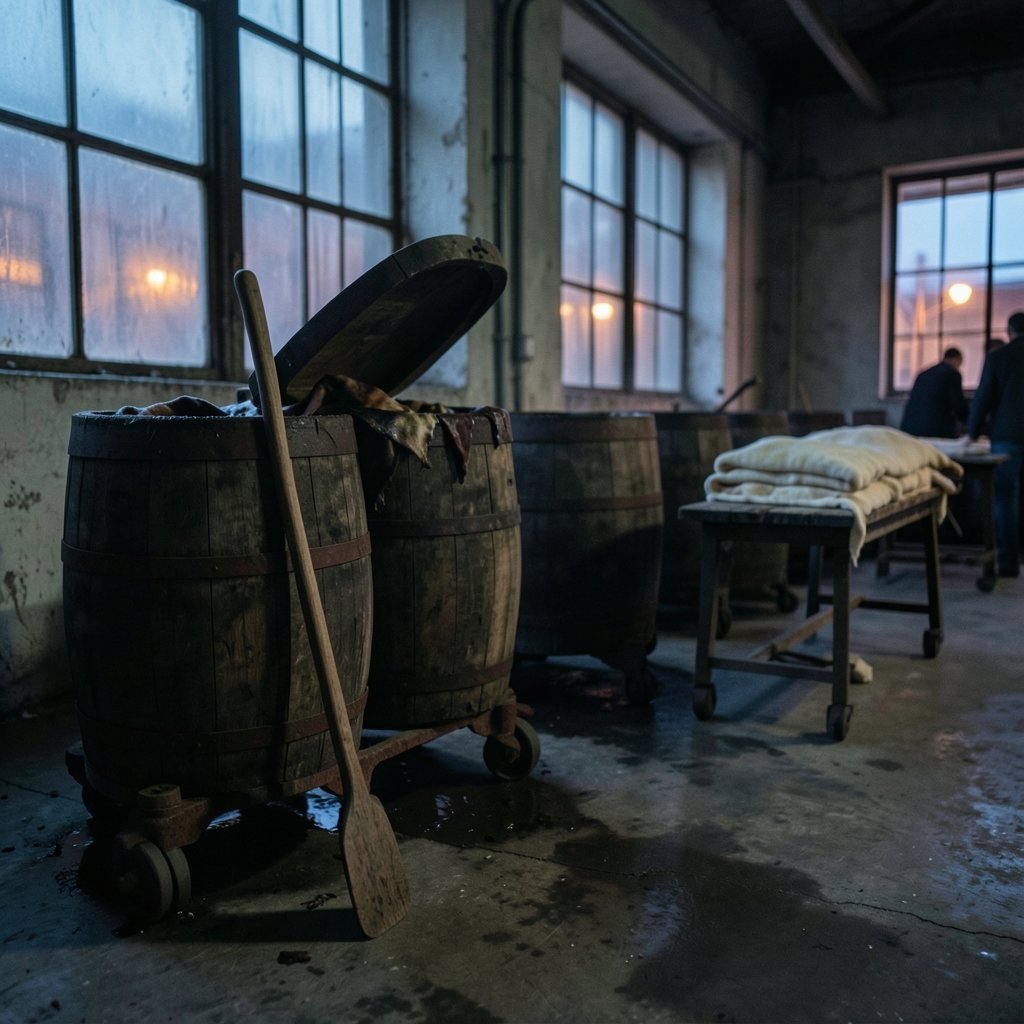
Here is a fact that surprises most shoppers: a single hide can become a $40 belt or a $4,000 handbag, and the difference often starts in a tanning drum. Tanning is the chemical step that turns putrescible skin into a stable material. Everything after it, from color to suppleness, builds on that foundation.
The global leather trade is large, and most of it uses chrome tanning because that process is fast and cheap. Luxury depends on margins and storytelling. Luxury houses pay premiums for tanneries that deliver consistency, traceability, and a hand-feel that photographs well and improves with age. That is why the tanning method appears in many product descriptions, and why the vocabulary around it matters. As the wider discussion of the new language of modern luxury shows, talk about materials is now brand talk.
The Raw Material: What Arrives at the Tannery
Before any chemistry, hides go through beamhouse operations: soaking, liming to remove hair and fat, fleshing, and deliming. Quality tanneries sort hides by grain, scar count, and thickness, because a single tick bite or brand mark can disqualify a panel from a luxury bag.
This sorting is where much of the cost hides. A luxury tannery may reject a large share of incoming skins, and that waste is priced into the leather. Practical tip: if a product page brags about “full-grain” leather but never mentions the tannery, treat the claim as marketing until you see the grain up close. Full-grain means the top layer was left intact, but it says nothing about how well the hide was tanned.
Vegetable Tanning: The Slow, Old-School Route
Vegetable tanning uses natural tannins extracted from bark, wood, and fruit, including oak, chestnut, mimosa, and quebracho. Hides move through a series of pits or drums with progressively stronger tannin liquors. The process historically took weeks to months, and even modern tanneries measure it in days to weeks rather than hours.
The result is distinctive: firm, dense leather with a dry, woody smell that develops a rich patina over years. Think bridle leather, saddlery, sturdy briefcases, and belts that crease beautifully. It is also the method most associated with heritage craft, a theme that runs through any honest look at luxury fashion houses and their legacy.
The trade-offs are real. Vegetable-tanned leather is less uniform, can stiffen if it dries out, and costs more because of time and tannin prices. It also varies batch to batch, which is charming in a wallet and a headache in a production line that needs identical panels.
Chrome Tanning: Fast, Soft, and Everywhere
Chrome tanning relies on basic chromium(III) sulfate. It was commercialized in the late 19th century, commonly credited to Augustus Schultz around 1884 and refined by Martin Dennis around 1893, and it transformed the industry. Tanning time collapsed from weeks to hours, and the leather came out soft, supple, and heat-resistant.
That softness is why chrome-tanned leather dominates footwear, garments, car interiors, and most fashion bags. It takes dye evenly, which matters for the saturated colors luxury brands love. The catch is environmental and regulatory: chromium chemistry requires careful waste treatment, and hexavalent chromium, a harmful form that can appear under poor conditions, is restricted in leather articles in the European Union under REACH. The commonly cited limit is 3 mg/kg, though buyers should verify the current legal text directly.
A common mistake is assuming “chrome” automatically means low quality. It does not. A well-run chrome tannery can produce excellent leather; a poorly run vegetable tannery can produce garbage. Process control matters more than the label.
Chrome-Free and Wet-White: The Middle Path
Between the two classics sits wet-white tanning, using glutaraldehyde, synthetic tannins, or other agents. It is often marketed as lower-impact and chrome-free, and it produces leather that is softer than vegetable-tanned but more moldable than typical chrome.
Buyers should read these claims carefully. “Chrome-free” describes what is absent, not what is present, and the alternative chemistry has its own handling requirements. The honest framing is that wet-white is a different trade-off, not a free lunch. For a broader view of how material choices feed into product positioning, the future of luxury living is a useful read.
Alum tawing, using aluminum salts, is a related historical process worth knowing about, though it is technically not true tanning because the collagen bond is weaker and the leather can degrade with washing.
Vegetable vs Chrome Tanning at a Glance
| Feature | Vegetable tanning | Chrome tanning |
|---|---|---|
| Tanning agents | Plant tannins (oak, chestnut, mimosa, quebracho) | Chromium(III) sulfate |
| Typical time | Days to weeks | Hours to about a day |
| Hand-feel | Firm, dense, develops patina | Soft, supple, uniform |
| Color range | Earthy, muted | Bright, saturated, even |
| Best for | Belts, briefcases, saddlery, heritage bags | Shoes, garments, fashion bags, car interiors |
| Care needs | Condition regularly to avoid drying | Generally low maintenance |
| Cost driver | Time and tannin prices | Process efficiency and waste treatment |
Finishing: Where “Luxury Feel” Is Often Won
Tanning gets the headlines, but finishing decides how leather feels in your hand. After tanning, hides are split to thickness, retanned, dyed, fatliquored for softness, and surface-treated. A light aniline finish shows natural grain and scars; a pigmented finish hides flaws under color and coating.
This is where shoppers get fooled. A heavily corrected, coated leather can look flawless in photos and feel plasticky in person. Conversely, a natural aniline leather may show growth marks that are a sign of authenticity, not a defect.
Practical guidance that actually works: ask for the tannery name, request a leather swatch when buying remotely, and check the edges. Raw or burnished edges reveal the true fiber structure better than any marketing photo.
How to Judge Tanning Quality in Practice
- Smell it. Vegetable-tanned leather has an earthy, woody scent; harsh chemical smells suggest rushed finishing.
- Look at the cut edge. Tight, fibrous structure beats a fuzzy, crumbling edge.
- Press the surface. Fine creases that lighten and recover suggest good grain; a plastic sheen that stays flat is a warning sign.
- Ask about certification. Third-party tannery audits exist, and reputable houses will name them.
- Check care instructions. If the brand offers none, the leather may be heavily coated.
A frequent mistake is buying on the word “genuine leather,” which is a legal category, not a quality grade. Another is over-oiling vegetable-tanned pieces; too much conditioner darkens the leather permanently. Little and often beats a heavy soak.
Common Myths About Luxury Leather Tanning
Myth one: vegetable-tanned leather is always better. It is better for certain uses, not universally. A vegetable-tanned running shoe would be miserable.
Myth two: chrome-tanned leather is toxic by definition. The restricted substance is hexavalent chromium, a specific form, and compliant tanneries test for it.
Myth three: tanning is the only thing that matters. Finishing, hide selection, and thickness all shape durability.
Myth four: patina means quality. Patina means the surface is reacting to light, oils, and friction, which many leathers do.
For anyone comparing craftsmanship claims across brands, luxury fashion houses and their legacy, edition 2 digs into how heritage positioning gets built.
Sustainability and Traceability Pressures
Tanneries face rising scrutiny over water use, effluent treatment, and chemical management. Certification schemes and audit protocols now cover much of the supply chain, and brands increasingly publish tannery lists. The practical effect for buyers is that traceability claims are becoming checkable rather than decorative. (FAO)
The smart move is to treat sustainability language the way you treat “premium”: ask what specifically is certified, by whom, and for which facility. Vague green claims are common; specific audit references are not. This mirrors a broader shift covered in Voozon’s luxury section, where material transparency is becoming a selling point in its own right.
What This Means for Buyers and Collectors
If durability and patina matter most, vegetable-tanned or high-quality retanned leathers deserve a look, especially for belts, small goods, and structured bags. If softness, color, and comfort matter, chrome-tanned leather remains hard to beat.
The real skill is asking better questions: which tannery, which method, which finish, and what care does it need? Those four answers separate a considered purchase from an impulse one. For a wider lens on how materials shape desirability, Voozon’s watches, brands and design coverage is worth a browse. And if you are planning a purchase around travel, luxury resorts for your next getaway, edition 2 pairs well with packing advice for leather goods.
Conclusion
Luxury leather tanning comes down to a trade-off between time and control. Vegetable tanning spends weeks coaxing plant tannins into a hide and rewards patience with firmness and patina. Chrome tanning spends hours and delivers softness, color range, and consistency at scale. Wet-white sits between them, promising lower-impact chemistry with its own caveats.
None of these methods is inherently “luxury.” What separates a great piece is the discipline around it: careful hide selection, controlled chemistry, honest finishing, and clear care guidance. Learn to read the edge, the grain, and the label, and the tanning method becomes a useful clue rather than a marketing slogan. That is the difference between buying a story and buying leather that will still look good in a decade.
Frequently Asked Questions
Is vegetable-tanned leather more durable than chrome-tanned leather?
Not automatically. Vegetable-tanned leather is denser and develops patina beautifully, but it can dry out and crack without conditioning. Chrome-tanned leather is more resistant to heat and water. Durability depends more on hide quality and finishing than on the tanning method alone.
Why does vegetable tanning take so long?
Plant tannins bond with collagen slowly, so hides move through progressively stronger liquors over days or weeks. Chrome salts bond far faster, which is why chrome tanning collapsed production times from weeks to hours in the late 19th century.
What does “chrome-free” actually mean on a leather label?
It usually means the tannery used an alternative such as glutaraldehyde or synthetic tannins, often called wet-white. It does not guarantee the leather is more sustainable or higher quality. Ask which agents were used and whether the facility holds third-party certification.
Can luxury leather be both soft and long-lasting?
Yes. Softness comes largely from fatliquoring and finishing after tanning, not from the tanning method alone. A well-made chrome-tanned or wet-white leather can be both supple and durable if the hide was good and the finishing was controlled.
How can I tell if leather is poorly tanned?
Look at the cut edge for loose, crumbling fibers, press the surface for plastic-like creasing, and check for a harsh chemical smell. Leather that feels stiff and papery or shows a uniform coated sheen often signals heavy correction and cheap finishing.
Does patina prove that leather is high quality?
No. Patina is simply the surface reacting to light, oils, and friction, and many leathers develop it. It is a pleasant sign of natural material, but hide selection, tanning control, and finishing quality are the real indicators of craftsmanship.