
Best Chef’s Table Experiences: What’s Worth the Splurge
 Abdul WadoodLast updated

A chef’s table can cost ten times a standard dinner, yet seats still sell out months ahead. That demand says something: diners aren’t paying for extra food so much as for proximity — to the fire, the hands, and the decisions behind a meal. The best chef’s table experiences turn a restaurant visit into something closer to a backstage pass, where the menu is written that morning and the person cooking it is close enough to answer a question mid-plate.
That proximity is also where the format gets misunderstood. People book a counter seat expecting a parade of luxury ingredients and come away disappointed, or they book the cheapest “chef’s table” on a booking site and get a regular table with a set menu and a new name. Knowing what actually separates a great experience from an expensive one changes how you choose — and how much you enjoy what lands in front of you. (The cars built around experience)
What a Chef’s Table Actually Is
A chef’s table is a seat positioned so guests can watch the kitchen work — typically a counter facing the pass, the grill, or a dedicated prep station — paired with a menu that doesn’t appear in the main dining room. The format traces back to fine-dining kitchens that wanted a way to use small spaces and reward loyal guests. Over time it became a product in its own right.
The details vary enormously. Some chef’s tables seat two; others seat twenty. Some are inside the main kitchen, loud and hot and smelling of stock. Others sit in a separate room with its own brigade. Some menus run fifteen courses over four hours; others are six courses in ninety minutes. There is no single template, which is exactly why the label gets stretched.
What holds the category together is access. You see the technique, you hear the reasoning, and you eat dishes that exist for that counter and that evening. When a restaurant can’t offer that, it usually isn’t a chef’s table — it’s marketing.
The Qualities That Separate Great From Merely Expensive
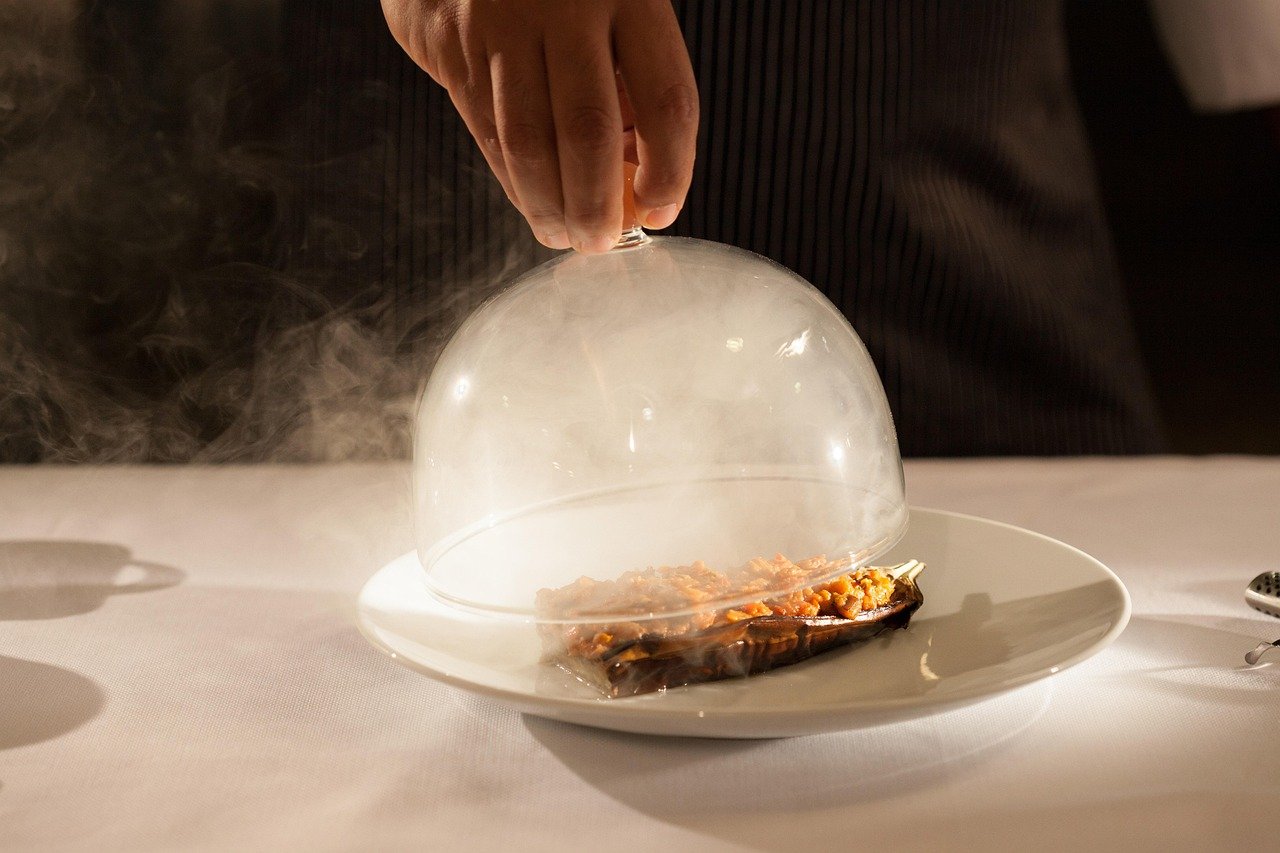
Price is a poor proxy for quality here. A $400 counter can feel like a bargain; a $150 one can feel like a trap. The experiences that consistently satisfy diners tend to share a handful of traits.
A menu that responds to the day
The strongest chef’s tables don’t run a fixed script. Dishes shift with what arrived that morning, what’s peaking in the garden, or what the kitchen is testing. This is why regulars often report better meals than first-timers: the kitchen knows them and starts improvising. Look for language on the restaurant’s own site that signals flexibility — “market-driven,” “menu changes daily,” “we cook what we’re excited about” — rather than a PDF that hasn’t changed in three years.
Visible craft, not visible chaos
Watching a kitchen at full tilt is thrilling when the team is composed and miserable when it isn’t. A well-run pass has rhythm: calls are short, plates are checked, nobody is shouting. If you can, walk past the open kitchen before booking, or read recent reviews for words like “calm,” “choreographed,” or “precise.” Chaos isn’t authenticity; it’s usually understaffing.
A chef who can actually talk
The best hosts read the room. They explain a technique in two sentences, answer a question about a sauce, then step back so you can eat. The worst either narrate every plate like a lecture or never appear. A useful signal: does the restaurant describe the chef’s table as a conversation or as a performance? The first tends to age better.
A room that respects the food
Counter seating can be brutally uncomfortable — backless stools, blinding light, music loud enough to kill conversation. The memorable ones solve this: proper chairs, warm lighting, acoustics that let you hear the person beside you. Small comfort details are not trivial. They’re the difference between a four-hour meal you’d repeat and one you’re glad you did once.
Honest pacing
A long menu should feel like a story, not a marathon. Great kitchens build in breathers — a piece of bread, a simple vegetable course, a pause before dessert. If a menu promises eighteen courses, ask how long dinner typically runs. Anything past four hours needs a very good reason.
How to Choose: A Practical Comparison
Different formats suit different diners. The table below maps the common options against what they actually deliver.
| Format | Typical seating | What you gain | What you give up |
|---|---|---|---|
| Counter at the pass | 2–8 guests | Closest view of plating and fire; easy chat with cooks | Heat, noise, hard seats |
| Kitchen table (separate room) | 4–12 guests | Quieter, private, often a dedicated chef | Less buzz, higher price |
| Chef’s table in main dining room | 6–20 guests | Full menu plus a few off-menu extras | Limited interaction |
| Private chef’s table buyout | Your group only | Custom menu, full attention | Highest cost per head |
A simple rule of thumb: the smaller the counter, the more you’re paying for conversation; the larger it gets, the more you’re paying for spectacle. Decide which one you actually want before you compare prices.
Booking Smart: What Works and What Backfires
Most disappointments with chef’s tables happen before anyone sits down. These steps prevent the common ones.
- Book directly with the restaurant when possible. Third-party listings sometimes sell “chef’s table” seats that are really standard reservations with a set menu attached. The restaurant’s own site is the source of truth on what the counter includes.
- Ask three questions by email. How many seats? How long does dinner run? Can the kitchen accommodate allergies or aversions? Clear answers are a good sign; vague ones usually aren’t.
- Confirm the cancellation policy in writing. Chef’s tables often carry steep deposits because the seats are few. Know the deadline before you pay.
- State dietary needs at booking, not on the night. Multi-course menus are built in advance. A note three weeks out is easy to plan around; a surprise at the counter is not.
- Arrive on time and stay off your phone. The kitchen is cooking to a clock. Late arrivals compress the menu, and filming every plate is the fastest way to get a colder welcome.
- Skip the wine pairing if you’re driving or pacing yourself. Ask whether bottles are available instead; pairings are where budgets quietly double.
The most common mistake is treating the booking as the finish line. The second most common is choosing a chef’s table for a large group celebration. Counters are built for intimacy; a party of ten at a six-seat pass is a mismatch no kitchen can fix.
What to Expect on the Night
Service at a chef’s table rarely follows the dining-room script. Courses arrive when they’re ready rather than when you are. Plates may be handed to you directly by the cook who made them. Bread might come from the oven in front of you. Some kitchens invite guests to taste from a pan; others keep a polite boundary. Both are fine — the point is that you’re close to the work, not that you’re part of the staff.
Portions tend to be smaller than a la carte, and that’s deliberate. A fifteen-course menu is a tasting, not a feast. Diners who arrive ravenous and expect to be stuffed often leave feeling shortchanged, while those who come curious about technique leave delighted. Adjust expectations accordingly: eat lightly that day, and plan a slow morning after.
Timing matters too. Early seatings get a fresher, more attentive kitchen; late seatings get a looser, more convivial room and sometimes a chef with time to sit down. Neither is better — they’re different nights out. If you want the full story behind each dish, book early. If you want the kitchen to relax with you, book late.
The Experience Economy Behind the Counter
Chef’s tables sit at the center of a broader shift in how people spend on dining. Research on consumer behavior has long shown that money spent on experiences tends to produce more lasting satisfaction than money spent on objects, a finding popularized in academic work on happiness and spending. That helps explain why diners will pay a premium for a seat rather than a dish. They’re buying a memory with a narrative attached — the night they watched a sauce come together from two feet away. (James Beard Awards)
The format also fits a wider appetite for transparency. Diners want to see how food is sourced, handled, and finished. A counter delivers that visibility in a way no menu description can. It’s the same instinct that drives interest in open kitchens and short ingredient lists: people trust what they can watch.
There’s a practical lesson in this for anyone choosing where to spend. The premium you pay at a chef’s table buys access and craft, not rarity for its own sake. When a restaurant leans on scarcity — “only twelve seats, book now” — without describing what happens in those seats, the premium is doing less work than it appears to.
Common Myths Worth Retiring
A few assumptions about chef’s tables cause people to book badly.
“It’s always the best food in the house.” Not necessarily. Some kitchens put their strongest cooking in the main dining room and treat the counter as an add-on. Ask what’s different about the chef’s table menu before assuming it’s the flagship.
“It’s only for experts.” Good hosts pitch their explanations at whatever level the table needs. Curiosity is the only prerequisite; nobody expects you to know what a gastrique is.
“You need to dress up.” Most counters are relaxed, and some of the best are downright casual. Check the restaurant’s own guidance rather than guessing from the price.
“It’s a good first date.” Four hours of forced proximity with a stranger at a shared counter is a gamble. It’s a superb anniversary or birthday choice, and a risky icebreaker.
Conclusion
The best chef’s table experiences aren’t defined by price, star count, or the number of courses. They’re defined by access done well: a menu that responds to the day, a kitchen composed enough to be watched, a host who can explain a dish without hijacking the evening, and a room comfortable enough to let you enjoy it. Get those four things right and the premium feels earned. Get them wrong and you’ve paid a lot for a stool.
The practical path is simple. Book directly, ask three specific questions, state your needs early, and choose the format that matches the night you want — intimate counter or lively room. Then put the phone away, eat lightly beforehand, and let the kitchen tell its story. The seat is only half the experience; the attention you bring to it is the other half.
FAQ
How far in advance should you book a chef’s table?
Small counters — six seats or fewer — often release reservations 30 to 90 days ahead and fill within minutes. Larger kitchen tables are more forgiving, sometimes available two to four weeks out. Sign up for the restaurant’s newsletter or booking alerts, and check for cancellations in the final 48 hours, when deposits are forfeited and seats quietly reopen.
Is a chef’s table worth the extra cost?
It depends on what you value. If you’re curious about technique and want to talk to the people cooking, the premium buys something a regular table can’t. If you mainly want a generous, relaxed dinner with good wine, a standard reservation usually delivers more value per dollar. Decide which night you want before comparing prices.
Can dietary restrictions be accommodated at a chef’s table?
Often yes, but only with notice. Multi-course menus are planned in advance, so allergies and aversions should be stated at booking, not on arrival. Ask directly whether the kitchen can adapt the full menu or only substitute individual courses. A clear, specific answer is a good sign; a vague “we’ll figure it out” is a warning.
What should you wear to a chef’s table?
Comfortable clothes you don’t mind smelling faintly of smoke. Counters near open fire run warm, and dinner can last three to four hours. Check the restaurant’s own dress guidance rather than inferring from the price. Smart casual covers most situations, and a layer you can remove is smarter than a jacket you can’t.
How long does a chef’s table dinner usually take?
Most run two and a half to four hours, with longer menus stretching further. Ask when you book, especially if you have a train or a sitter to manage. Early seatings tend to move faster and get a fresher kitchen; late seatings often run longer because the room relaxes and the pacing loosens.
Is it acceptable to take photos at a chef’s table?
Brief photos are usually fine; filming every course is not. The kitchen is working to a clock, and constant camera work slows the room and cools the food. Ask first if you’re unsure, keep flashes off, and put the phone away for the courses that matter most. Most chefs would rather talk to you than pose.