
What Is Luxury Vinyl Flooring? 2026 Buyer’s Guide
 Abdul WadoodLast updated

Quick Answer: What is luxury vinyl flooring?
Luxury vinyl flooring is a layered synthetic floor covering made mainly from PVC, built to look like wood, stone, or tile while costing far less than the real thing. It comes as planks or tiles, clicks together or glues down, and handles splashes that would ruin hardwood. It is called “luxury” purely for its look, not its price. (Quietest luxury cars actually makes cabin silent)
It differs from sheet vinyl, which comes in wide rolls, and from laminate, which has a wood-fiber core rather than plastic. Both imitate natural materials, but vinyl shrugs off water much better.
Before buying, compare wear-layer thickness, construction type (click, glue-down, or loose-lay), water resistance, certifications for indoor air quality, warranty terms, and how the plank feels underfoot.
The Anatomy of a Luxury Vinyl Plank
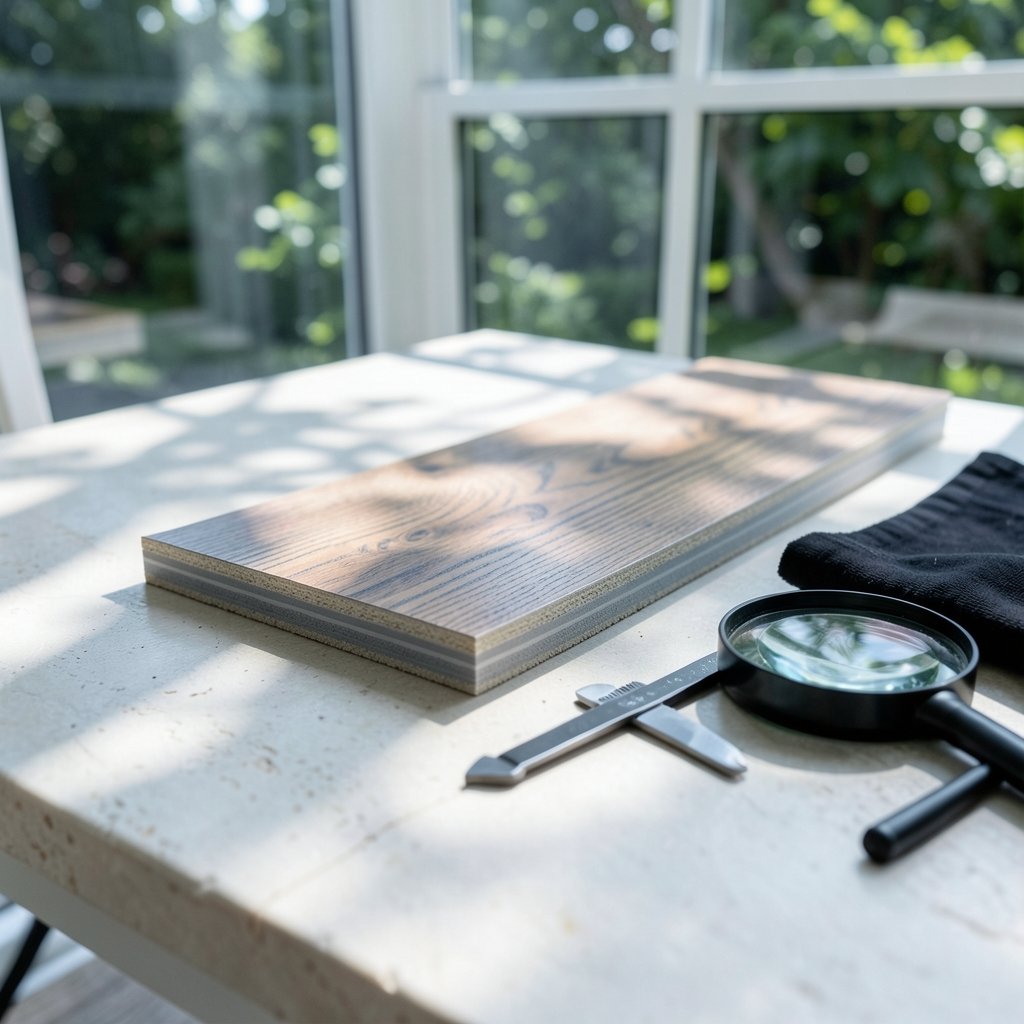
Pick up a single plank and you are holding a small sandwich. Most products stack four layers, and knowing them explains almost every marketing claim you will read.
The top is the wear layer, a clear sheet that takes the scuffs. Under it sits the design layer, a printed photograph of oak grain or marble veining. Below that is the core, usually a rigid PVC board, and at the bottom a backing that cushions and, in some products, carries an attached underlay.
The wear layer is the number that matters most, and it is measured in mils, or thousandths of an inch. Residential products commonly run from about 6 to 20 mils, with the thicker end aimed at busy homes and light commercial spaces. A thick wear layer resists scratches and dulling; a thin one can start showing traffic patterns within a few years.
Here is the mistake almost everyone makes: shoppers fixate on the printed pattern because that is what they see in the showroom. The pattern is the least durable part of the story. Ask for the mil rating first, then judge the look.
Plank, Tile, and Sheet: Sorting Out the Names
The vocabulary trips people up, so here is the short version. Luxury vinyl plank, or LVP, is the long-board format that mimics hardwood. Luxury vinyl tile, or LVT, is the square or rectangular format that mimics stone or ceramic. Both are the same basic material, just cut and printed differently. (Vinyl composition tile)
Sheet vinyl is the older cousin: a continuous roll, cheap and seamless, but harder to repair and generally plainer. If you want a floor that looks like something it is not, you want luxury vinyl; if you want a floor that looks like vinyl and costs almost nothing, sheet is fine.
| Feature | Luxury vinyl plank/tile | Sheet vinyl | Laminate |
|---|---|---|---|
| Core material | PVC | PVC | Wood fiber (HDF) |
| Water tolerance | High | High | Low to moderate |
| Repair method | Swap one plank | Patch or replace | Swap one plank |
| Realistic look | Very high | Moderate | High |
| Typical feel | Firm, warm-ish | Soft, thin | Hard, hollow |
That last row matters more than buyers expect. Laminate on a concrete slab can sound hollow and cold; a vinyl plank with attached backing feels noticeably warmer underfoot.
How the Planks Stay Down
Installation style shapes both the cost and the mess, and there are three main families.
Click-lock planks snap together and float over the subfloor without adhesive. This is the friendliest option for do-it-yourselfers and the easiest to pull up later.
Glue-down, also called dryback, is bonded directly to the floor with adhesive. It feels solid, handles temperature swings well, and suits commercial spaces, but it is a permanent commitment.
Loose-lay planks rely on friction and their own weight, sometimes with a grip backing. Fast to install, less forgiving on uneven floors.
Whichever you choose, the subfloor must be flat. A common failure is skipping a moisture test on concrete, then watching planks cup or lift within a season. A cheap moisture meter and a bag test cost little and save a lot.
If you are weighing materials for a long drive to a holiday house or a rental you rarely visit, the same logic applies as choosing a comfortable car for distance: durability under real conditions beats showroom appeal. A tour through the best luxury cars for road trips, comfort, range, and real-world use shows how specs on paper and performance in practice can drift apart, and floors behave the same way.
Where Luxury Vinyl Genuinely Wins
Water is the big one. Vinyl planks tolerate spills, pet accidents, and damp basements that would warp hardwood and swell laminate. Kitchens, bathrooms, laundry rooms, and mudrooms are its natural habitat.
Cost is the second. A realistic wood-look vinyl typically lands well below engineered hardwood and far below solid timber, and it needs no sanding, sealing, or refinishing. Sweep it, damp-mop it, move on.
Third is realism. Modern printing has gotten good enough that guests genuinely mistake good vinyl for oak until they touch it. That matters if you love the look of natural materials but live with dogs, toddlers, or a leaky dishwasher.
There is also a quieter advantage: vinyl is soft underfoot compared with tile, so standing at a counter for an hour is less punishing on your knees.
Where It Falls Short
Honesty time. Vinyl is plastic, and it feels like plastic to a hand run across it. It will never have the depth of real timber, and the printed pattern repeats, so a large room can show the same knot twice if you lay it carelessly. Check the batch before installing and shuffle planks from several boxes.
It also dents. A heavy cast-iron pan dropped on a vinyl floor leaves a mark that will not sand out, because there is nothing to sand. Use felt pads and a doormat.
Then there is the environmental question, which deserves a straight answer rather than a marketing one. PVC flooring is difficult to recycle, and because it is plasticized, the content of certain additives has drawn regulatory attention in Europe. Products also emit some volatile organic compounds when new, which is why low-emission certification programs exist. If indoor air quality is a priority, ask for third-party emissions certification rather than taking a label’s word for it, and ventilate well for the first weeks after installation.
Finally, be skeptical of warranty arithmetic. A “25-year residential warranty” is a marketing document, not a standardized measure, and wear-layer mils vary in meaning between brands. There is no single universal definition of “luxury vinyl” written into building codes, so compare the actual spec sheet, not the badge.
How to Judge Quality in the Store
A few practical checks separate a floor that lasts from one that disappoints, and none of them require special tools.
- Ask for the wear layer in mils and write it down. Below roughly 8 mils suits a spare bedroom; 12 mils and up suits a hallway or kitchen.
- Bend a sample plank. A rigid core that resists flexing tends to hide subfloor imperfections better.
- Scratch the sample with a key, gently. Good wear layers resist; poor ones scuff white.
- Check the attached backing. A built-in pad reduces noise and adds warmth; skip it and you may need separate underlay.
- Confirm the warranty covers what you actually plan to do, including pets and moisture.
- Look at three planks side by side, not one. Pattern repetition is invisible on a single board.
If you are furnishing a whole home at once and trying to buy fewer, better things, the same discipline applies to flooring as to furniture. A guide to conscious luxury and buying better rather than more is a useful frame: spend where the wear happens, save where it does not.
Luxury Vinyl in Second Homes and Rental Properties
Vinyl has become the default floor for holiday lets and rental flats for one blunt reason: it survives guests. Spilled wine, wet swimsuits, dragged suitcases, and a cleaner with a strong mop are all survivable.
For a lakeside property that sits empty for months, the temperature swings and occasional damp are less threatening to vinyl than to wood. Owners furnishing a place like that often pair practical surfaces with genuinely special touches elsewhere; a look at a Lake Como luxury travel guide covering villas, boats, and where to stay shows the same split between durable basics and the details guests actually remember.
The installation tip that saves the most money here: buy 10 percent extra and store it. Pattern runs get discontinued, and a single damaged plank in five years is a five-minute fix if you have a spare, and a flooring hunt if you do not.
Care That Actually Works
Maintenance is genuinely simple, which is half the appeal. Sweep or vacuum regularly, because grit acts like sandpaper underfoot. Damp-mop with a pH-neutral cleaner; harsh detergents and steam mops can dull the wear layer or force moisture into seams.
Skip wax and polish. Vinyl does not need them, and buildup attracts dirt. Wipe spills promptly, use felt pads under furniture legs, and put a mat at every exterior door. That is the entire routine.
Conclusion
Luxury vinyl flooring is a printed photograph of wood or stone wrapped in tough plastic, and that is not an insult. It is a smart, water-resistant, budget-friendly surface that looks convincing and asks almost nothing of you. It will not fool a builder’s hand or a bare foot expecting timber, and it is not the greenest choice on the shelf. But for kitchens, basements, rentals, and busy family homes, few materials deliver this much realism for this little money. Buy on the wear layer, check the certifications, keep spare planks, and it will quietly do its job for a decade or more.
Frequently Asked Questions
Is luxury vinyl flooring the same as laminate?
No. Both imitate wood, but the cores differ. Laminate uses a wood-fiber board that swells when water gets in; luxury vinyl uses a PVC core that tolerates moisture. Vinyl generally wins in bathrooms and basements, while laminate can feel harder and sometimes costs less.
How long does luxury vinyl flooring last?
Most residential products last roughly 10 to 20 years with normal care. The wear layer drives that number: a thin 6-mil product in a busy hallway may look tired within a decade, while a 20-mil plank in a quiet bedroom can outlast its warranty. Heavy furniture dragged without pads shortens any floor’s life.
Can luxury vinyl flooring go in a bathroom?
Yes, and it is one of the best rooms for it. Vinyl handles splashes, humidity, and wet towels far better than hardwood. Just seal the perimeter properly and avoid leaving standing water around seams, especially on click-lock planks where moisture can creep into the joints.
Does luxury vinyl feel cheap underfoot?
It can, particularly thin planks laid directly on concrete. Thicker planks with attached backing feel noticeably more solid and quieter. Laying a quality underlay and ensuring the subfloor is flat does more for the feel than any brand claim on the box.
Is luxury vinyl flooring bad for indoor air quality?
New vinyl can release some volatile organic compounds, so ventilation matters in the first weeks. Third-party emissions certifications exist and are worth asking for. If sensitivities are a concern, request the certification documentation and consider airing the room thoroughly before moving furniture back in.
Can I install luxury vinyl flooring myself?
Click-lock planks are genuinely DIY-friendly and need only a flat, clean subfloor, spacers, and a tapping block. Glue-down installation is messier and less forgiving of mistakes. The most common DIY error is skipping subfloor prep, which shows up later as clicking, rocking, or gaps at the seams.