
Luxury Train Travel Guide 2026: Routes, Costs & Booking Tips
 Abdul WadoodLast updated
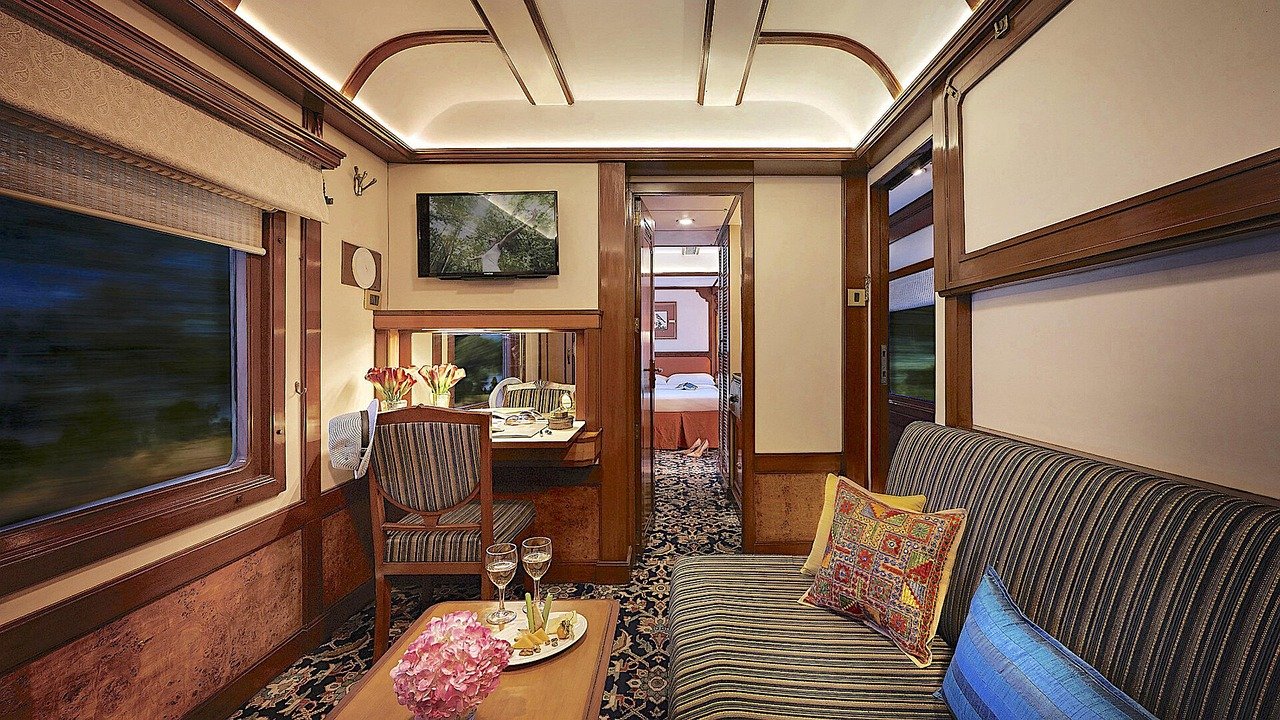
The Venice Simplon-Orient-Express carries fewer than 60 passengers per departure, yet it receives booking requests from tens of thousands of travelers each year. That ratio tells you almost everything about luxury train travel: supply is tiny, demand is enormous, and the difference between a smooth booking and a missed opportunity usually comes down to planning months in advance.
This guide walks through the world’s most notable luxury rail journeys, what they actually cost, how to choose the right one, and the mistakes that trip up first-time riders. No hype, no fantasy brochures — just the practical picture.
What Makes a Train “Luxury” in the First Place
Not every train with a dining car qualifies. True luxury rail travel generally involves restored or purpose-built carriages, cabin attendants assigned to a small number of guests, included meals prepared onboard, and a pace that prioritizes scenery over speed.
There’s also a distinction worth understanding early. Some trains are hotels on wheels — you sleep aboard, unpack once, and wake up somewhere new. Others are daylight scenic services with no sleeping cabins at all, where you stay in hotels along the route. The Rocky Mountaineer in Canada is the best-known example of the second type. Confusing the two is the single most common planning error, because the price structures and packing lists are completely different.
The broader revival of slow, design-led travel has pushed these trains from nostalgia acts into serious luxury products. That shift is visible across the wider travel landscape, including in how luxury resorts are repositioning themselves around experience rather than amenities alone.
The Flagship Journeys Worth Knowing
Venice Simplon-Orient-Express (Europe)
The most famous name in the category. Restored 1920s and 1930s carriages run between London and Venice, with seasonal extensions to other European cities. Expect formal dining, a bar car with live piano, and cabin interiors that feel like a period film set.
One naming caution: the historic Compagnie Internationale des Wagons-Lits service and the modern Belmond product are separate things. They share heritage, not ownership or operation. Travelers researching “the Orient Express” often conflate them and end up confused about routes and pricing.
Rovos Rail (Southern Africa)
Rovos Rail operates heritage carriages on routes including Pretoria to Cape Town and longer cross-continent journeys. The atmosphere is deliberately old-world, with wood-paneled lounges and open-air observation cars at the rear. It’s a strong choice for travelers who want length — some itineraries run for days rather than nights.
The Ghan (Australia)
A transcontinental run between Adelaide and Darwin through the Red Centre. Two dates matter here and they’re frequently mixed up: the original narrow-gauge Ghan began service in 1929, while the current standard-gauge line reaching Darwin opened in 2004. The modern journey takes roughly two nights and includes off-train excursions.
Rocky Mountaineer (Canada)
Daylight-only scenic travel through the Canadian Rockies, with no sleeper cars. Guests overnight in hotels. This makes it accessible to travelers who dislike small cabins, but it also means the per-day cost includes accommodation you’re paying for separately from the train itself.
Maharajas’ Express (India) and Seven Stars in Kyushu (Japan)
The Maharajas’ Express runs multi-day circuits from major Indian cities with routes that change by season. Seven Stars in Kyushu is a JR Kyushu sleeper with very limited departures and lottery-style booking — arguably the hardest reservation in the category.
Belmond Royal Scotsman (Scotland)
A country-house-style service through the Scottish Highlands, seasonal in operation, with a strong emphasis on food and landscape rather than distance covered.
Comparing the Major Options
| Train | Region | Sleeps aboard? | Typical trip length | Booking difficulty |
|---|---|---|---|---|
| Venice Simplon-Orient-Express | Europe | Yes | 1–2 nights | High |
| Rovos Rail | Southern Africa | Yes | 2–15 nights | Moderate |
| The Ghan | Australia | Yes | 2–3 nights | Moderate |
| Rocky Mountaineer | Canada | No | 2–3 days | Moderate |
| Maharajas’ Express | India | Yes | 3–7 nights | High |
| Seven Stars in Kyushu | Japan | Yes | 2–4 nights | Very high |
| Belmond Royal Scotsman | Scotland | Yes | 2–4 nights | High |
What Luxury Train Travel Actually Costs
Fares are quoted per person based on double occupancy, and they are seasonal. Any specific figure published online should be treated as a rough indicator rather than a quote, because operators revise pricing annually and peak dates can run significantly higher than shoulder-season ones.
A few structural cost facts hold across most operators:
- Single supplements are standard. Solo travelers typically pay a premium rather than the per-person double rate.
- Most meals and onboard drinks are included on sleeper trains; off-train excursions vary.
- Pre and post-hotel nights are usually extra. The train fare rarely covers the full trip.
- Transfers are sometimes bundled, sometimes not. Read the inclusions list line by line.
The practical advice here is unglamorous but reliable: budget 15 to 25 percent above the headline fare for transfers, hotels, gratuities, and the drinks that fall outside the included list. Travelers who skip this step are the ones most often surprised at checkout.
How to Choose the Right Journey
Start with three questions, in this order.
- Do you want to sleep on the train or not? If small cabins bother you, choose a daylight service like the Rocky Mountaineer and treat the train as a moving restaurant with a view.
- How many nights can you genuinely enjoy? Two nights is a sweet spot for most first-timers. Multi-week rail odysseys sound romantic and exhaust plenty of people by day five.
- What do you want to look at? Desert, mountains, vineyards, and coastline produce very different experiences. Match the landscape to your taste, not to the train’s reputation.
There’s a fourth question worth asking too: what does luxury mean to you? The definition has shifted. Modern luxury travelers increasingly value privacy, time, and craft over gold fixtures and formal dress codes — a change explored in this look at the future of luxury living. Trains that lean into discretion and design tend to satisfy that mindset better than those leaning on spectacle. (Luxury train)
Booking Strategy That Actually Works
Luxury trains sell out. Some sell out a year ahead. The booking approach that consistently works looks like this:
Book early, but book flexibly. Reserve as soon as dates are fixed, and check the cancellation terms before paying. Many operators allow changes with a fee up to a certain window.
Go direct first. Operator websites often show live availability that third-party agents can’t see, and direct bookings simplify changes.
Consider shoulder season. Late spring and early autumn frequently offer the same route with better availability and softer pricing.
Ask about cabin categories. The gap between the entry cabin and the suite is often large in price and smaller in comfort than marketing suggests. Read the square footage.
Confirm what’s included in writing. “All-inclusive” means different things on different trains.
For travelers pairing rail with other high-end bookings, the same early-commitment logic applies across the sector — the patterns described in this guide to the new language of modern luxury show how scarcity and timing now drive pricing decisions across hotels, watches, and travel alike.
Common Mistakes First-Time Riders Make
Overpacking formalwear. Check the dress code per operator. Some require jackets at dinner; others are relaxed. Guessing wrong in either direction is uncomfortable.
Underestimating cabin size. Sleeper cabins are compact by design. If space matters, book the larger category or choose a daylight train.
Ignoring the altitude and climate. Desert crossings and mountain routes have real temperature swings. Layers beat luggage.
Scheduling a tight connection. Delays happen. Never book a same-day international flight after a train arrival.
Assuming photography is unrestricted. Some carriages and some guests prefer privacy. Ask the attendant.
Skipping the off-train excursions. They’re often the part travelers remember most, and they’re frequently included in the fare.
Practical Tips for the Journey Itself
Bring a small day bag separate from your main luggage; most sleeper trains store large cases out of the cabin. Carry a portable charger, since outlets in heritage carriages are limited. Pack earplugs if you’re sensitive to rail noise. And build in buffer time at both ends — the pleasure of these journeys comes from the unhurried pace, and a rushed arrival undoes it.
It also helps to think of the train as part of a longer trip rather than the whole thing. The travelers who enjoy luxury rail most tend to pair it with a few days on the ground before or after. If you’re building that wider itinerary, browsing travel destinations and guides is a sensible starting point for shaping the surrounding days. (The Man in Seat 61)
There’s also a design dimension worth noticing. The interiors of these trains — the marquetry, the textiles, the tableware — sit in the same tradition as the great fashion and watch houses. That crossover is part of why the category has attracted a new, younger audience, a shift documented in coverage of luxury fashion houses and their legacy. Riding a restored 1930s carriage is, in a real sense, a design experience as much as a transport one.
Conclusion
Luxury train travel rewards preparation more than almost any other category of high-end travel. The routes are spectacular, the service is genuinely exceptional, and the experience of watching a landscape unfold from a moving dining car is hard to replicate anywhere else. But the supply is small, the pricing is seasonal, and the details — cabin size, inclusions, dress codes, connection times — decide whether the trip feels effortless or fiddly.
Choose the journey that matches how you actually like to travel, not the one with the most famous name. Book earlier than feels necessary. Budget above the headline fare. And leave room in the schedule for the train to do what it’s best at: slowing everything down.
Frequently Asked Questions
How far in advance should you book a luxury train?
Most operators open bookings roughly 12 months ahead, and the most popular departures on famous routes sell out six to nine months in advance. For limited-capacity services with lottery-style booking, register interest as soon as the window opens. If your dates are fixed and the trip matters, book early and check the change policy rather than waiting for a discount.
Is luxury train travel worth the cost?
It depends on what you’re comparing it to. Per night, fares often exceed equivalent five-star hotel rates. What you’re paying for is the combination of transport, accommodation, meals, and a moving landscape in one package. Travelers who value experience over square footage tend to find it worthwhile; those who need space and privacy above all may prefer a daylight scenic service paired with hotel stays.
Do you sleep on the train on every luxury rail journey?
No. Sleeper trains include the Venice Simplon-Orient-Express, Rovos Rail, The Ghan, the Maharajas’ Express, Seven Stars in Kyushu, and the Belmond Royal Scotsman. The Rocky Mountaineer is a daylight-only service with hotel overnights. Always confirm the cabin configuration before booking, because the two formats have very different packing and pricing implications.
What should you pack for a luxury train trip?
Smart-casual clothing for daytime, one formal outfit if the operator requires it at dinner, comfortable shoes for off-train excursions, layers for temperature swings, a portable charger, and earplugs. Keep a small day bag separate from checked luggage. Check the specific dress code and luggage limits on the operator’s own site — they vary more than most travelers expect.
Are meals included in the fare?
On most sleeper trains, yes — meals and many drinks are included, along with some off-train excursions. Daylight scenic services usually include onboard meals but not hotel accommodation. The word “all-inclusive” is used loosely across the industry, so read the inclusions list carefully and note what falls outside it, particularly alcohol, gratuities, and transfers.
Can solo travelers book luxury trains?
Yes, but expect a single supplement. Fares are typically quoted per person based on double occupancy, so traveling alone means paying a premium for the second berth you’re not using. Some operators offer occasional single-occupancy cabins or match programs; ask directly rather than assuming the online price is final.