
Luxury Ski Destinations 2026: Where Snow Meets Service
 Abdul WadoodLast updated
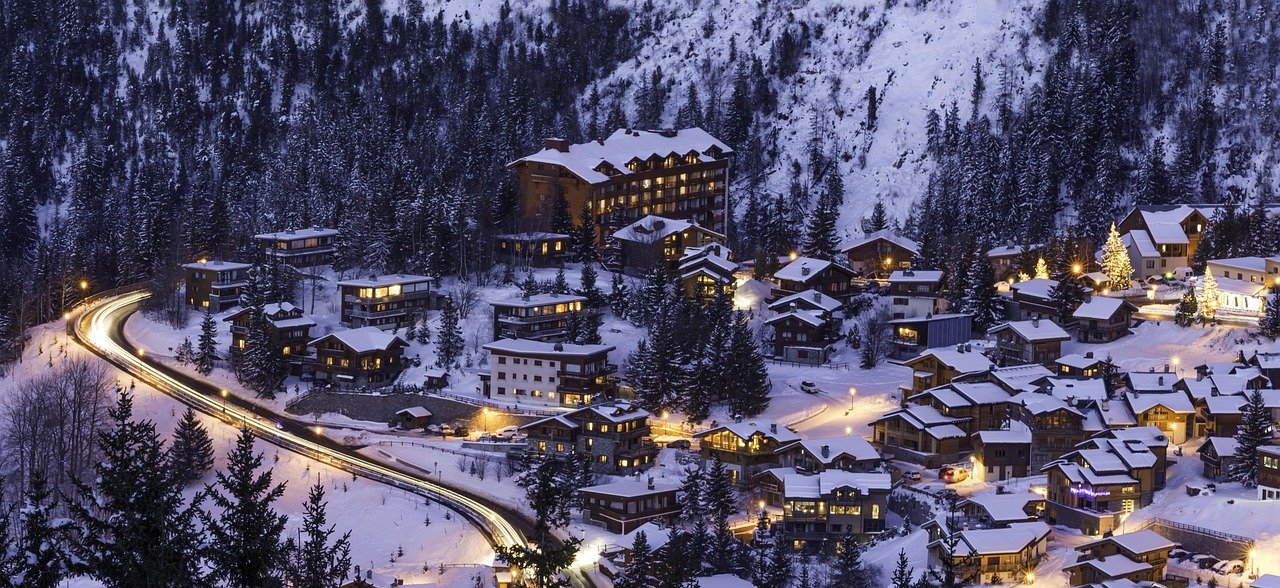
What separates a good ski trip from a great one? Most people say snow. But ask anyone who has paid for a five-star chalet and found a lukewarm hot tub, a two-hour lift line and a “ski-in” door that actually required a ten-minute walk, and they will tell you something different: the difference is in the details nobody photographs.
Luxury ski destinations are not simply resorts with expensive hotels. They are places where terrain, logistics, service and atmosphere line up so that a ski day feels effortless. This guide looks at what those places actually offer, which ones earn their reputation, and how to choose well without overpaying for a name.
What Actually Makes a Ski Destination Luxurious
The word luxury gets attached to almost every mountain town with a boutique hotel. In practice, a handful of factors do the real work.
Terrain range. A destination that suits one ability level is a compromise for mixed groups. The best luxury resorts offer beginner slopes that don’t feel like an afterthought, serious off-piste for experts, and long cruising runs in between.
Lift logistics. Fast, modern lifts and short queues matter more than any spa. A resort that moves 30,000 skiers a day smoothly feels generous; one that bottlenecks at a single gondola feels cheap no matter what the room rate is.
Proximity. True ski-in, ski-out access is rarer than marketing suggests. The best properties sit within a boot-pack of a lift, not a shuttle ride away. If you want to know what separates the genuine article from the brochure version, this breakdown of what separates truly great ski-in ski-out luxury hotels is worth reading before you book.
Service depth. Ski valets who warm your boots overnight, instructors who remember your name, restaurants that hold a table at 7:30 without a fight. These small things compound.
A village as much as a resort. Destinations people return to for decades usually have a real town underneath the lifts: bakeries, hardware stores, a church, locals who live there year-round.
The Classic European Contenders

Courchevel and Les Trois Vallées, France
Courchevel 1850 is the most famous luxury enclave in the Alps, and the surrounding Les Trois Vallées is routinely described as the largest linked ski area in the world, with roughly 600 kilometres of piste. That “largest” label is contested, because measuring by piste length is not the same as measuring by lift-linked terrain, but the scale is undeniable.
The practical advantage is choice. A beginner can stay on gentle groomed runs above Courchevel while strong skiers disappear toward Val Thorens or Méribel and meet for lunch. The disadvantage is price: 1850 is expensive even by Alpine standards, and the lower villages (Le Praz, La Tania) offer better value with a short lift ride to the same snow.
St. Moritz, Switzerland
St. Moritz has the deepest winter-sports pedigree of any resort town. It hosted the Winter Olympics in 1928 and again in 1948, and it staged the 2017 FIS Alpine World Ski Championships. That history shows in the infrastructure and in the town’s self-confidence.
The skiing itself is more moderate than Courchevel’s, with a strong emphasis on groomed cruising and spectacular scenery rather than extreme terrain. What St. Moritz does better than almost anywhere is the off-snow programme: the Cresta Run, polo on the frozen lake, and a calendar of events that draws a genuinely international crowd.
Zermatt, Switzerland
Car-free, dominated by the Matterhorn, and linked across the border with Breuil-Cervinia in Italy, Zermatt combines old-world charm with high-altitude reliability. The village has been a tourist destination since the nineteenth century, and the Gornergrat railway has been carrying visitors up to its panorama since 1898.
The cross-border link is the underrated feature. Skiers can move between Switzerland and Italy in a single day, which means two food cultures, two price levels and a much larger connected area than the Swiss side alone suggests.
Lech Zürs and St. Anton, Austria
Since the lift connection between Lech/Zürs and St. Anton opened in the 2016-17 season, the Ski Arlberg region has become Austria’s largest connected ski area. Lech itself is quieter and more polished than St. Anton, which is famous for its steep off-piste and its apres-ski. (Ski resort)
For families and mixed-ability groups, Lech is often the better base. For expert skiers chasing powder and long, demanding descents, St. Anton has the edge. The link means you no longer have to choose.
Kitzbühel, Austria
Kitzbühel is a medieval town with a modern ski circus around it, and it hosts the Hahnenkamm downhill on the Streif each January. The race has run since 1931, with wartime interruptions, and the Streif is widely regarded as one of the most demanding downhill courses on the World Cup circuit.
You do not need to ski the Streif to enjoy Kitzbühel. The town’s charm, the gentle slopes on the Hahnenkamm’s flanks and the short transfer from Salzburg or Innsbruck make it one of the most balanced luxury destinations in Austria.
North America’s Strongest Offers
Aspen and Snowmass, Colorado
Aspen Skiing Company operates four mountains: Aspen Mountain, Aspen Highlands, Buttermilk and Snowmass. Aspen Mountain opened in 1947 and Snowmass in 1967, and the combination gives the valley an unusual spread of terrain, from Buttermilk’s beginner-friendly groomers to Highlands’ steep hike-to bowls.
Aspen’s reputation for luxury rests on the town as much as the skiing. It has a year-round cultural life, a dense cluster of good restaurants and a walkable core. Snowmass is the family-friendly alternative, with more ski-in, ski-out accommodation and a gentler pace.
Deer Valley, Utah
Deer Valley has banned snowboarding since it opened in 1981, a policy that still divides opinion but has shaped its identity. The resort caps daily ticket sales, grooms obsessively and runs a ski valet system that has become a benchmark for service in North America.
It is also compact and easy to navigate, with a short transfer from Salt Lake City. For skiers who value smooth logistics and quiet slopes over acreage, it is hard to beat.
Whistler Blackcomb, British Columbia
Whistler co-hosted the 2010 Winter Olympics with Vancouver and remains one of the largest ski resorts in North America by terrain. The vertical drop, the alpine bowls and the pedestrian village at the base make it a genuine destination rather than a day resort.
The trade-off is weather. Coastal snow can be heavy and the lower mountain can turn wet, so timing matters. Late January through March is generally the safest bet for quality snow at altitude.
A Quick Comparison
| Destination | Best for | Standout feature | Watch out for |
|---|---|---|---|
| Courchevel, France | Mixed groups, huge mileage | Linked Trois Vallées terrain | High prices in 1850 |
| St. Moritz, Switzerland | Atmosphere, off-snow life | Olympic and racing heritage | Moderate terrain |
| Zermatt, Switzerland | Scenery, altitude | Car-free village, Italy link | Long transfers |
| Lech Zürs, Austria | Families, refined service | Arlberg connection | Busy peak weeks |
| Kitzbühel, Austria | Charm, racing history | The Streif | Lower altitude |
| Aspen, USA | Town life, terrain variety | Four distinct mountains | Cost and altitude |
| Deer Valley, USA | Service, easy logistics | Skier-only policy | Limited expert terrain |
| Whistler, Canada | Scale, big-mountain skiing | Massive vertical | Variable coastal snow |
How to Choose Without Overpaying
The most common mistake is booking on reputation alone. A resort’s name tells you about its peak, not about the specific week, property or lift you are paying for. A few practical rules help.
Match the resort to the weakest skier in the group. If one person is a nervous beginner, a destination with a single steep access run will ruin everyone’s morning. Look for resorts with genuine beginner zones near the base.
Check the lift map, not the piste kilometre count. A resort with 300 kilometres of run but one bottleneck lift will feel crowded. Look for multiple ways down from each sector.
Ask what “ski-in, ski-out” means in practice. Sometimes it means a door onto the snow. Sometimes it means a five-minute walk in ski boots. Ask for a map with the property marked.
Book the shoulder weeks. Early December and late March often deliver good snow, lower rates and quieter slopes. If you want a broader view of which months reward planning, this guide to the best places to visit in December with a luxury budget covers the trade-offs.
Consider non-skiers in the group. A destination that only works for skiers limits who can come. Towns with spas, winter walking, shopping and culture keep everyone happy. This look at ski resorts where non-skiers still have a great day is a useful starting point.
Think about the transfer. A two-hour road transfer after a long flight erodes the luxury of even the best chalet. Resorts close to an international airport, such as Deer Valley via Salt Lake City or Kitzbühel via Salzburg, have a real advantage.
Sustainability and the New Luxury Standard
A growing number of travellers now judge a ski destination by its environmental record as well as its service. The concern is practical as well as idealistic: snow reliability itself depends on climate stability, and resorts that invest in renewable energy, water recycling and habitat protection tend to be the ones planning for the long term. (Avalanche.org)
The practical test is transparency. A lodge that publishes its energy sources, waste figures and building standards is easier to trust than one that simply uses green imagery. If this matters to you, this guide to spotting genuine sustainability behind eco-luxury lodges explains what to look for. The same logic applies to gear and clothing: buying fewer, better pieces is now part of the conscious luxury approach to buying better, not more.
Beyond the Slopes
The destinations that endure tend to offer something after the lifts close. Lake and mountain towns with strong summer identities often have richer year-round culture, better restaurants and more interesting architecture than purpose-built resort villages.
That pattern shows up in places like Lake Como, where the same families who winter in the mountains spend summers on the water. If you like the idea of a destination that works in both seasons, this Lake Como luxury travel guide covering villas, boats and where to stay shows how a single region can sustain a whole travel calendar.
Conclusion
Luxury ski destinations are not defined by thread count or champagne lists. They are defined by how well a place handles the things that actually shape a ski day: snow reliability, lift flow, terrain spread, transfer time and the small service details that remove friction.
Courchevel, St. Moritz, Zermatt, Lech, Kitzbühel, Aspen, Deer Valley and Whistler all earn their reputations, but for different reasons and for different travellers. The right choice depends on who is in your group, what they want from the mountain and how much you value convenience over scale. Pick for fit, not for fame, and the trip will feel luxurious regardless of the price tag.
FAQ
What is the most luxurious ski resort in the world?
There is no single answer, because luxury means different things to different skiers. Courchevel 1850 is the most associated with high-end hotels and dining, St. Moritz has the deepest heritage, and Deer Valley is often cited as the benchmark for service in North America. The best choice depends on whether you prioritise terrain, atmosphere or convenience.
Which ski destination is best for beginners and experts together?
Les Trois Vallées and the Ski Arlberg region both work well, because they offer gentle beginner zones alongside serious terrain within one lift pass. Aspen and Snowmass also suit mixed groups, since the four mountains cover a wide range of ability levels.
Is ski-in, ski-out worth the extra cost?
It depends on how much you value your mornings. Genuine ski-in, ski-out access saves time and energy, especially with children or older skiers. The risk is that many properties use the term loosely, so always ask for a map showing the property and the nearest lift before booking.
When is the best time to book a luxury ski trip?
Late January through mid-March usually offers the most reliable snow and settled weather in the Alps and North America. Early December and late March can be excellent value, with quieter slopes and lower rates, though snow cover is less certain at lower altitudes.
Do luxury ski resorts work for non-skiers?
Yes, and the best ones plan for it. St. Moritz, Aspen and Zermatt all offer spas, winter walking, shopping and cultural events. Resorts built purely around skiing can leave non-skiers with little to do, so check the off-snow programme before you commit.
How much does a luxury ski trip cost?
Costs vary widely by destination, season and property type. Alpine resorts in France and Austria generally offer better value than Switzerland, while North American resorts add higher lift prices and tipping culture. Booking accommodation and passes together, and travelling in shoulder weeks, are the two most reliable ways to reduce the total.