
Luxury Real Estate Trends 2027: What Buyers Must Know
 Abdul WadoodLast updated
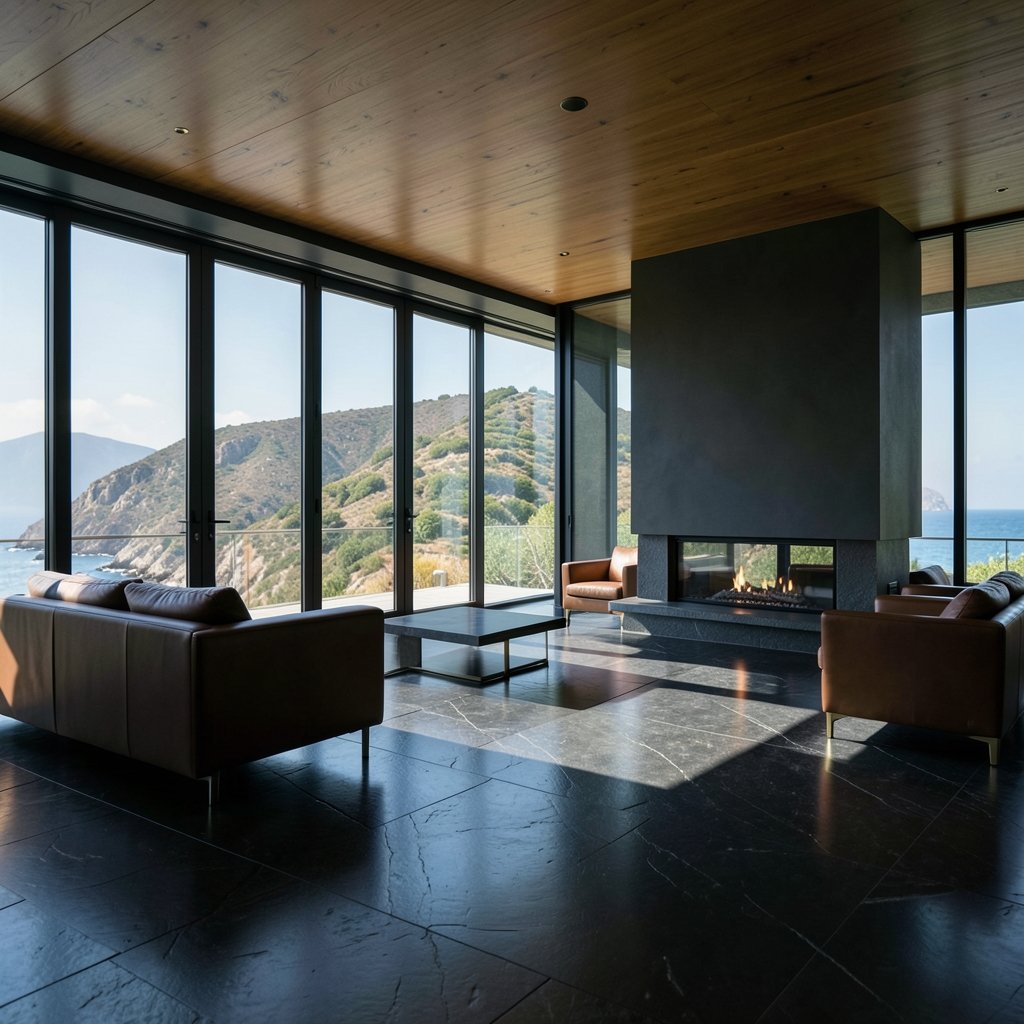
In 2024, the global population of millionaires reached roughly 60 million, according to Wikipedia’s overview of the world’s millionaire population, and that concentration of wealth keeps reshaping the top end of the housing market. With 2027 now firmly on the horizon, luxury real estate is moving into a new phase, one defined less by flashy speculation and more by climate resilience, wellness, and quiet, well-built homes. Buyers with capital are asking sharper questions, and sellers who ignore those questions are discovering that a trophy address alone no longer closes a deal. Here is a grounded look at what is actually shifting, from the practical to the structural.
The 2027 Luxury Market at a Glance
Luxury real estate has never been a single market. It is a collection of hyper-local markets that happen to share a price bracket. Still, a few broad forces are shaping 2027 across most major cities and resort regions.
The first is capital discipline. After several years of rapid rate hikes, buyers at the top end have adjusted. All-cash purchases remain common, but even wealthy buyers now scrutinize carrying costs, insurance, and exit liquidity more carefully than they did during the low-rate boom.
The second is selective demand. Not every luxury segment is thriving. Ultra-prime urban penthouses and well-located waterfront homes continue to attract bids, while oversupplied resort condos and generic “investor-grade” product sit longer on the market.
The third is generational turnover. Younger wealthy buyers, many of them entrepreneurs and tech founders, bring different priorities: sustainability, flexible layouts, and homes that work as both residence and workspace.
| Trend | What It Looks Like in Practice | Buyer Priority |
|---|---|---|
| Climate resilience | Flood, fire, and heat-risk disclosures | High |
| Wellness design | Light, air, quiet, spa-grade systems | High |
| Branded residences | Hotel-managed services and amenities | Moderate |
| Trophy speculation | Rapid flipping of unbuilt product | Declining |
| Location prestige | Address cachet alone | Weakening |
Climate Resilience Moves From Nice-to-Have to Dealbreaker
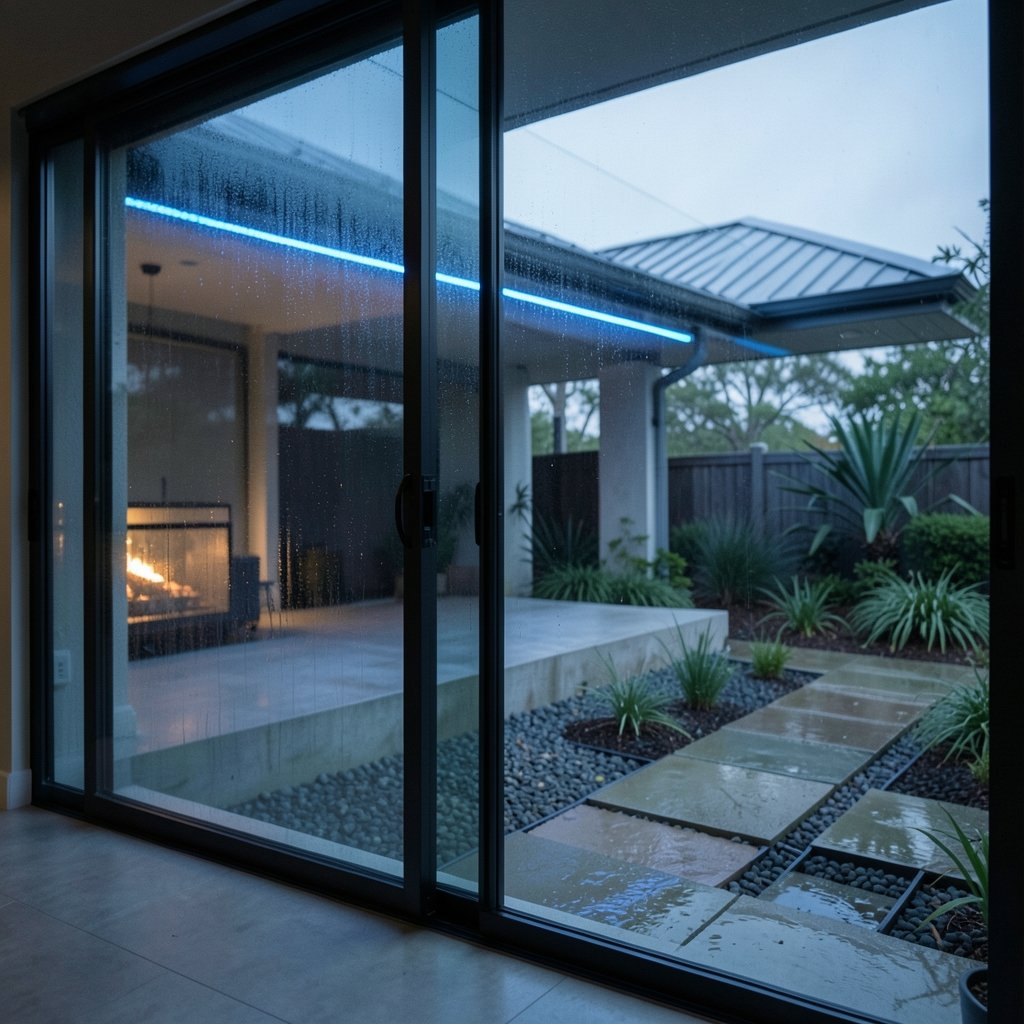
Perhaps the biggest shift heading into 2027 is how climate risk has moved from a footnote to a headline. Insurers have tightened underwriting in fire- and flood-prone regions, and in some markets premiums have risen sharply enough to change the math on a purchase.
This is not abstract. Coastal and wildfire-adjacent luxury markets are seeing buyers walk away from properties that look spectacular but carry uninsurable risk. Sellers who once assumed a premium view justified a premium price are learning that the view matters less if the property cannot be insured affordably.
What actually works in practice is transparency. Sellers who proactively document resilience upgrades, from fire-resistant roofing to elevated foundations and drainage systems, are closing faster and defending their pricing. Buyers, meanwhile, are hiring their own inspectors and asking for hazard reports before making offers, a step that was rare a decade ago.
The common mistake here is treating resilience as a marketing buzzword. A home that claims to be “climate-ready” but has no documentation invites skepticism and renegotiation. Real evidence, permits, inspection reports, and insurance quotes, is what moves deals.
Wellness and Biophilic Design Take Center Stage
Wellness has become one of the most durable luxury trends, and by 2027 it is less about a spa room and more about the entire experience of living in a home. Buyers want natural light, clean air, acoustic comfort, and access to greenery. Biophilic design, which weaves natural elements into architecture, has moved from boutique projects into mainstream luxury development. (Luxury goods)
This connects to a broader cultural shift. As the art, design, and modern trends conversation increasingly rewards calm, tactile spaces over glossy minimalism, luxury homes are being designed to feel restorative rather than performative.
Practically, this means:
- Prioritizing orientation and window placement to maximize daylight.
- Specifying high-grade ventilation and air filtration.
- Investing in acoustic insulation, especially in urban properties.
- Designing outdoor rooms, terraces, and gardens as true living space.
- Choosing natural, low-toxicity materials throughout.
The mistake many sellers make is assuming a gym and a sauna check the wellness box. Buyers in 2027 are more interested in how the home feels day to day than in amenity lists.
Branded Residences and the Service Economy
Branded residences, homes attached to a hotel or luxury brand with managed services, continue to expand. They appeal to buyers who want lock-and-leave convenience, concierge service, and shared amenities without the burden of full home management.
But the shine is uneven. Well-executed branded residences in strong markets hold value and attract international buyers. Poorly conceived projects, where the brand is a licensing sticker rather than a genuine service commitment, are being scrutinized. Buyers are asking harder questions about management contracts, fee escalation, and what happens if the brand exits.
For anyone weighing this segment, the practical rule is simple: read the operating agreement, not the brochure. Service quality and fee structures matter more than the logo on the door.
The Quiet Luxury Shift in Buyer Taste
The broader cultural mood has swung toward quiet luxury, and real estate is following. Ostentatious displays, gold fixtures, and cavernous marble lobbies are giving way to understated materials, craftsmanship, and homes that prioritize comfort over spectacle.
This is partly a values shift and partly a market correction. Buyers who watched flashy properties depreciate fastest in softer markets have learned that restraint tends to hold value. The future of luxury living increasingly points toward homes that are beautifully made but not shouty, where the quality is felt rather than announced.
In practice, this means sellers should invest in craft and finish rather than dramatic features. A perfectly executed kitchen with honest materials will often outsell a gimmicky showpiece.
Urban Prime vs. Resort and Second-Home Markets
The split between city and resort markets is one of the clearest stories heading into 2027.
Urban prime markets, the established core districts of major global cities, have shown resilience. Demand from domestic and international buyers remains, driven by lifestyle, proximity to work, and cultural amenities. Supply is constrained, which supports pricing.
Resort and second-home markets tell a more complicated story. Many boomed during the remote-work years, and some are now absorbing oversupply. Properties bought at peak prices in less-established resort areas are proving harder to resell. The lesson for buyers is to distinguish between genuinely scarce resort locations and speculative ones.
For those exploring the top end of hospitality and residence, the luxury resorts worth watching offer a useful window into which destinations are investing in long-term quality rather than short-term hype.
Technology, Privacy, and the Smart Home Matures
Smart-home technology is no longer a novelty in luxury properties, but the conversation has matured. Buyers now care less about the number of connected devices and more about privacy, reliability, and integration.
Two practical concerns dominate. First, cybersecurity: a fully connected home is a potential vulnerability, and sophisticated buyers want systems that are secure by design. Second, longevity: technology that becomes obsolete in three years is a liability, not an asset. The best installations are invisible, robust, and easy to service.
The common mistake is over-automating. A home where every function requires an app can feel exhausting rather than luxurious. The trend is toward intuitive, layered systems that fade into the background.
Financing, Currency, and Cross-Border Buying
Cross-border buying remains a defining feature of the luxury market. Wealthy buyers often hold assets across multiple currencies, and exchange-rate movements can swing the effective price of a property by double digits.
In practice, this creates opportunities. When one currency weakens against another, buyers from the stronger-currency country find relative bargains. Sellers in international markets benefit from understanding who their likely buyer is and how currency shifts affect their pricing power.
Financing has changed. All-cash deals remain common at the very top, but more buyers are using structured lending, portfolio loans, and asset-backed financing. Secure financing pre-approval early and model total costs, including insurance, taxes, and management fees, rather than the purchase price alone.
Sustainability, Regulation, and the Cost of Compliance
Regulation is quietly reshaping the luxury market. Energy-performance standards, short-term rental restrictions, and disclosure requirements are all tightening in many jurisdictions. For owners, this means compliance costs are becoming a real line item.
Energy efficiency is a good example. Retrofitting older luxury properties to meet modern standards can be expensive, and buyers are increasingly factoring future compliance into their offers. Sellers who have already upgraded, with documented energy improvements, hold an advantage. (Forbes)
The practical takeaway is to treat regulation as a planning input, not a surprise. Before listing, owners should understand which rules apply to their property and what upgrades, if any, are required.
What Actually Works for Sellers in 2027
For sellers, the playbook has shifted from staging to substance. A few approaches consistently work:
- Document everything. Resilience upgrades, energy performance, maintenance records, and warranties all build buyer confidence.
- Price to the segment, not the fantasy. Overpriced listings in soft segments sit and stigmatize.
- Invest in craft, not gimmicks. Quality finishes and honest materials outperform showy features.
- Target the right buyer. International marketing, currency awareness, and understanding buyer priorities matter more than broad exposure.
- Be transparent about risk. Hiding a flood zone or a pending assessment backfires at due diligence.
The mistake that sinks deals most often is overconfidence in the address. Prestige still matters, but it no longer compensates for poor condition, unclear risk, or unrealistic pricing.
What Actually Works for Buyers in 2027
For buyers, discipline pays. A few practical habits separate strong purchases from regretted ones:
- Inspect beyond the surface. Commission independent hazard, structural, and systems reports.
- Model total cost of ownership. Insurance, taxes, fees, and maintenance can dwarf the headline price.
- Check the management and brand contracts. Especially in branded residences.
- Understand the local regulatory trajectory. Rules on rentals and energy standards are moving.
- Buy scarcity, not hype. Genuinely constrained locations hold value better than speculative ones.
Buyers who treat a luxury purchase as a long-term holding, rather than a status signal, tend to make better decisions. The watches, brands, and design world offers a useful parallel: enduring value comes from craftsmanship and provenance, not from novelty.
Conclusion
Luxury real estate in 2027 is a market of sharper questions and quieter confidence. Climate resilience, wellness, craft, and transparency are replacing spectacle as the markers of value. Urban prime markets remain resilient, resort markets are sorting winners from also-rans, and buyers are more disciplined than they have been in years. For sellers, the path forward is documentation, honest pricing, and quality. For buyers, it is diligence, total-cost thinking, and a focus on genuine scarcity. The wealth is still there, and so is the appetite for exceptional homes. What has changed is the standard of proof, and in a market this discerning, proof is everything.
FAQ
What are the biggest luxury real estate trends for 2027?
The dominant trends are climate resilience, wellness and biophilic design, quiet luxury over ostentation, branded residences with real service, and tighter regulation around energy and rentals. Buyers are prioritizing substance, documentation, and long-term value over status symbols.
Is luxury real estate a good investment in 2027?
It depends heavily on the segment and location. Scarce urban prime properties and well-executed branded residences tend to hold value, while oversupplied resort condos and speculative product carry more risk. Total cost of ownership, insurance, and regulation should all be modeled before buying.
How does climate risk affect luxury property values?
Climate risk increasingly affects insurability, and therefore value. Properties in fire- or flood-prone areas with high premiums or limited insurance options face pricing pressure. Documented resilience upgrades help sellers defend value and close faster.
What is quiet luxury in real estate?
Quiet luxury refers to understated, high-quality homes that prioritize craftsmanship, materials, and comfort over showy features. It reflects a broader cultural shift away from ostentation and toward enduring quality that holds value in softer markets.
Are branded residences still a good buy?
Well-run branded residences in strong markets remain attractive for buyers who want lock-and-leave convenience and managed services. The key is scrutinizing the operating agreement, fee structures, and what happens if the brand exits, rather than relying on the logo alone.
How should sellers prepare a luxury property for the 2027 market?
Sellers should document resilience and energy upgrades, price realistically for their segment, invest in quality finishes rather than gimmicks, and be transparent about risks. Targeting the right international buyer and understanding currency dynamics also help.