
What Is Luxury Hospitality? A 2026 Guide to Premium Service
 Abdul WadoodLast updated

Quick Answer: What is luxury hospitality?
Luxury hospitality is a segment of the travel and service industry built around personalized, anticipatory service, exclusivity, and premium pricing rather than star ratings alone. Guests encounter it in boutique hotels, five-star resorts, private villas, members’ clubs, fine-dining restaurants, and high-touch travel services where staff ratio, discretion, and consistency matter more than marble lobbies.
It differs from “upper-upscale” hospitality, which offers polish and reliability but at larger scale and lower price points. Luxury also spans a spectrum, from quiet understated properties to branded, highly designed flagships, and the two can feel like different industries.
Before booking or benchmarking, compare service ratios, room-to-staff numbers, inclusions, cancellation terms, brand tier, and the specific promises a property makes about personalization.
Why the Definition Keeps Shifting
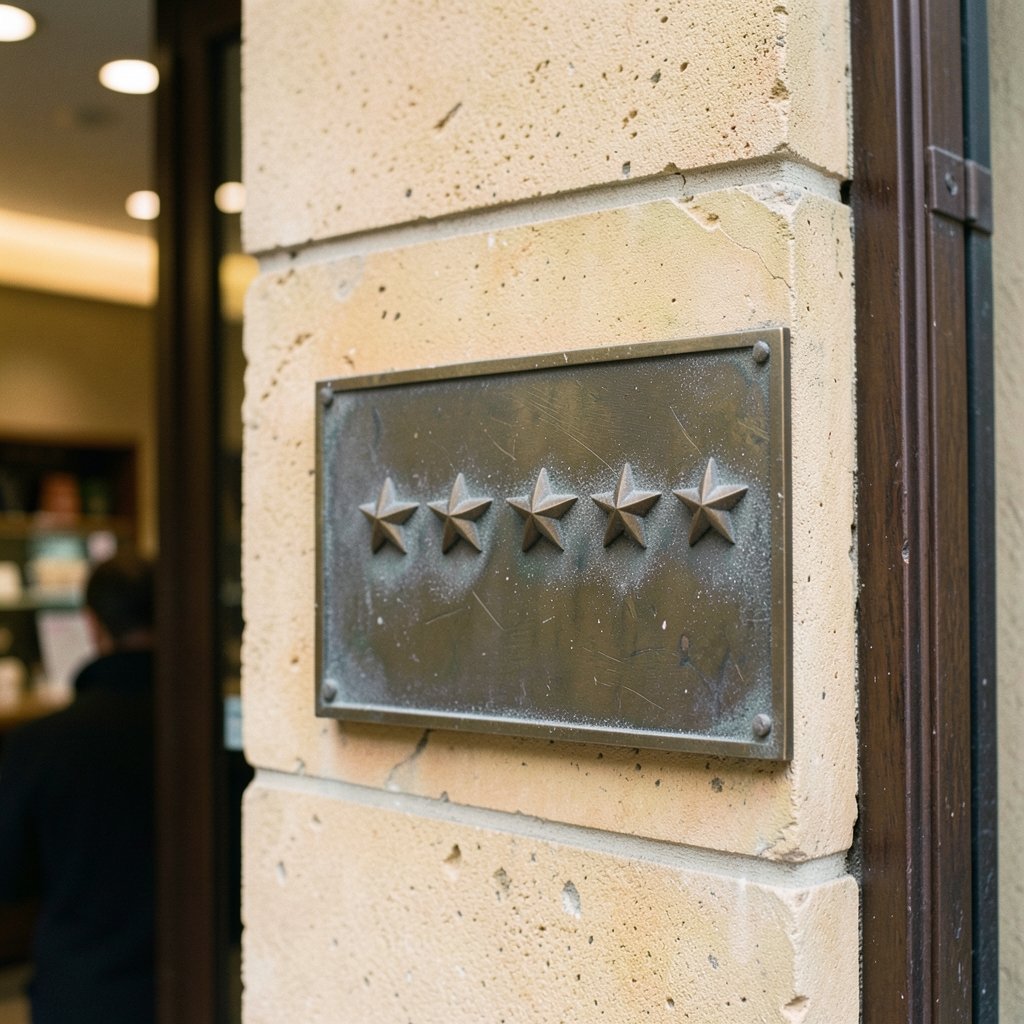
Here’s a fact that surprises most people: the hospitality industry does not have one universally agreed definition of “luxury.” Chain-scale systems used by hotel analysts separate luxury from upper-upscale largely through average daily rate, location, and service depth, but those lines move as brands reposition. A property that called itself luxury a decade ago might now sit comfortably in the premium tier. (Luxury goods)
That ambiguity matters for travelers and operators alike. Luxury is a promise about attention, not a certificate on a wall. The World Tourism Organization tracks global tourism flows and accommodation categories, yet even official statistics rely on self-classification and national grading schemes that vary widely between countries. A five-star rating in one market can mean something quite different in another.
What has changed is the guest. Modern luxury travelers research obsessively, expect digital convenience alongside old-fashioned courtesy, and increasingly value experiences over thread counts. The future of luxury living has moved toward wellness, privacy, and personalization, and hospitality has followed. Hotels now compete on sleep quality, air filtration, and the speed of a WhatsApp concierge reply as much as on chandeliers.
The Core Pillars of Luxury Hospitality
Strip away the marketing and most credible definitions rest on a handful of pillars. They overlap, but each can be assessed separately.
Anticipatory, personalized service
The defining feature is service that arrives before the request. Staff remember names, allergies, and preferences, and they act on them without being asked twice. High staff-to-guest ratios make this possible; a resort with one employee per room can deliver attention that a 400-room convention hotel simply cannot.
Exclusivity and scarcity
Small room counts, private access, and controlled availability create a sense of privilege. Exclusivity is not always about price. A twelve-room guesthouse with a waiting list can feel more luxurious than a large branded property with empty suites.
Design, craft, and place
Materials, architecture, and local context signal quality. Increasingly, luxury means restraint: fewer logos, better stone, and a building that belongs where it stands. The new language of modern luxury leans on craft and provenance rather than ostentation.
Consistency and recovery
Anyone can deliver a perfect night once. Luxury is delivering it on a Tuesday in low season, and handling a mistake gracefully. Recovery is where luxury brands are truly tested.
Emotional outcome
The guest should leave feeling calmer, more cared for, and slightly reluctant to return to normal life. That emotional result is the product.
| Pillar | What It Looks Like | How to Verify It |
|---|---|---|
| Service | Staff anticipate needs, remember preferences | Staff-to-room ratio, guest reviews mentioning names |
| Exclusivity | Small scale, private access, controlled bookings | Room count, access policies, availability |
| Design | Quality materials, local character, restraint | Property photography, architect or designer credits |
| Consistency | Reliable standards across seasons and shifts | Recent reviews, repeat-guest rates |
| Emotional outcome | Guests feel restored and valued | Review sentiment, beyond star scores |
Luxury vs. Premium vs. Upper-Upscale: What Actually Differs
Confusion usually comes from mixing brand tier with actual experience. A well-run premium hotel can outperform a tired luxury flagship. The table below outlines the general pattern, though exceptions are common.
| Dimension | Luxury | Premium / Upper-Upscale |
|---|---|---|
| Price point | Highest in market | High but accessible |
| Scale | Often smaller, more intimate | Larger, standardized |
| Service model | Anticipatory, named staff | Responsive, efficient |
| Inclusions | Breakfast, transfers, experiences | Often à la carte |
| Design | Distinctive, designer-led | Consistent brand template |
| Guest expectation | Personal recognition | Reliability and comfort |
The practical lesson: compare the specific promises, not the label. A hotel that includes airport transfers, breakfast, and a dedicated concierge may cost more per night but deliver better value than a cheaper property where every extra is billed separately.
Where Luxury Hospitality Shows Up
The segment extends well beyond hotels, and recognizing the full range helps travelers and professionals alike.
Hotels and resorts. From urban flagships to private-island retreats. The luxury resorts guide shows how varied the category has become, with wellness retreats and design-led boutique properties competing alongside traditional grand hotels.
Private villas and residences. Whole-home rentals with hotel-grade staffing, popular with families and groups who want privacy plus service.
Fine dining and members’ clubs. Restaurants with tasting menus and reservation scarcity, plus private clubs that sell belonging as much as facilities.
Travel design and concierge services. Advisors who build itineraries and handle logistics, often the difference between a good trip and a seamless one.
Aviation, cruises, and ground transport. Private terminals, suite-class cabins, and chauffeured transfers extend the service chain door to door.
Wellness and medical hospitality. Long-stay wellness programs blend clinical services with resort comfort, a fast-growing niche.
How to Judge a Luxury Property Before You Book
Practical experience suggests a few checks that separate substance from marketing.
- Read reviews for specifics, not scores. Look for mentions of staff names, problem resolution, and repeat visits. A 4.7 rating with detailed praise beats a 4.9 with generic comments.
- Check the staff ratio. Ask directly, or look for published ratios. One staff member per room is a strong signal; one per three rooms is a different business model.
- Confirm what is included. Breakfast, transfers, minibar, spa access, and gratuities can swing the real cost by 30 percent or more.
- Ask about the worst-case scenario. How does the property handle late arrivals, room changes, or dietary needs? The answer reveals the service culture.
- Look at the off-season. Consistent quality in low season is the hardest test.
- Verify the brand tier. Branded residences and soft-brand collections can blur the lines; check what management company actually runs the property.
A common mistake is paying for a luxury label and receiving premium execution. Another is assuming small equals luxurious; some boutique properties simply lack the staff to deliver. The reliable approach is to match the property’s stated promises against verified guest experience, then decide whether the premium is justified for your particular trip.
The Business Side: Economics and Operations
Luxury hospitality is expensive to run. Labor typically consumes a large share of revenue, and small room counts limit economies of scale. That economics explains several industry patterns: the rise of branded residences that subsidize hotel operations, the growth of members’ clubs with recurring revenue, and the spread of soft brands that let independent properties access distribution and loyalty programs.
The luxury brands and design landscape shows how fashion houses and watchmakers have moved into hospitality, using hotels as physical showrooms for their worldview. That crossover brings design credibility but also risk: a brand that excels at leather goods does not automatically know how to run a kitchen at 2 a.m.
For operators, luxury margins depend on repeat guests and word of mouth. Acquisition costs are high, so retention matters most. For guests, loyalty programs and direct relationships often secure better treatment than any third-party booking.
Common Mistakes Travelers Make
Paying for the label instead of the experience is the most frequent error. A famous name guarantees a standard, not necessarily the best fit for a given trip.
Other pitfalls include booking the cheapest room category at a luxury property, where the experience can differ sharply from the suites featured in marketing; ignoring seasonal staffing changes; and failing to communicate preferences in advance. Hotels can only personalize what they know, so a short pre-arrival note about allergies, celebrations, or work needs is one of the highest-return actions a guest can take.
A final mistake is treating luxury as purely transactional. The properties that deliver best tend to reward guests who engage warmly with staff. Courtesy travels further than status.
Conclusion
Luxury hospitality is best understood as a service philosophy expressed through personalization, exclusivity, design, and consistency, priced at the top of the market and delivered at a scale that makes genuine attention possible. It is not a single standard, and the label alone tells you less than the specifics: staff ratios, inclusions, recent guest experience, and how a property behaves when something goes wrong. Whether you are choosing a resort, evaluating a brand, or building a career in the sector, focus on the promises being made and the evidence behind them. The legacy of the great hospitality houses shows that reputations are built over decades and lost in a single season, which is precisely why the operational details matter more than the marketing.
Frequently Asked Questions
Is luxury hospitality only about five-star hotels?
No. Star ratings are one signal, but the segment includes boutique guesthouses, private villas, members’ clubs, fine-dining restaurants, and travel design services. Some of the most convincing luxury experiences happen at properties too small to pursue a formal rating.
How is luxury hospitality different from premium hospitality?
Premium hospitality delivers reliable comfort and efficiency at a high but accessible price. Luxury adds anticipatory service, smaller scale, distinctive design, and a stronger emotional outcome. The gap is most visible in staff ratios and in how each handles problems.
What does “anticipatory service” actually mean?
It means staff act on needs before guests voice them: remembering a preferred pillow, adjusting a menu for an allergy noted months earlier, or arranging transport without being asked. It depends on record-keeping, communication between departments, and enough staff to notice details.
Do luxury hotels always cost more than premium ones?
Per night, usually yes. But total trip cost can flip once inclusions are counted. A luxury rate that covers breakfast, transfers, and gratuities may beat a lower premium rate with every extra billed separately, especially for families or longer stays.
Can independent properties compete with big luxury brands?
Frequently, yes. Independents often win on character, local knowledge, and owner involvement, while brands win on consistency and loyalty programs. Many independents now join soft-brand collections to access distribution without surrendering their identity.
What should I check first when booking a luxury stay?
Start with the staff-to-room ratio, what is included in the rate, recent reviews mentioning specific staff or service moments, and the cancellation policy. Then confirm the property’s actual management company, since branding and operations are not always the same thing.
The strongest luxury stays also make departure part of the product: a relaxed checkout, a thoughtful send-off, and a follow-up that feels personal rather than automated. These small closing gestures linger in memory and drive the repeat visits that sustain the business. For travelers, the practical takeaway is simple: judge hospitality by how it makes you feel and how it behaves when tested, not by the plaque at the entrance. For operators, the mandate is equally clear—invest in people, protect consistency, and treat every guest interaction as part of a reputation built over decades. (Forbes Business Council)